Minerals
Iron for Hair Growth: Evidence-Backed Benefits and Realistic Expectations
Iron deficiency is one of the most overlooked drivers of hair loss, affecting an estimated 1 in 3 women of reproductive age — yet many never connect a dropping ferritin level to their thinning ponytail. The link between iron and the hair follicle cycle is well-documented in clinical literature, but knowing the right biomarkers to test, the correct repletion targets, and which companion nutrients actually move the needle can make the difference between shedding and growing. This article breaks down the science so you can set realistic expectations and build a protocol that works.
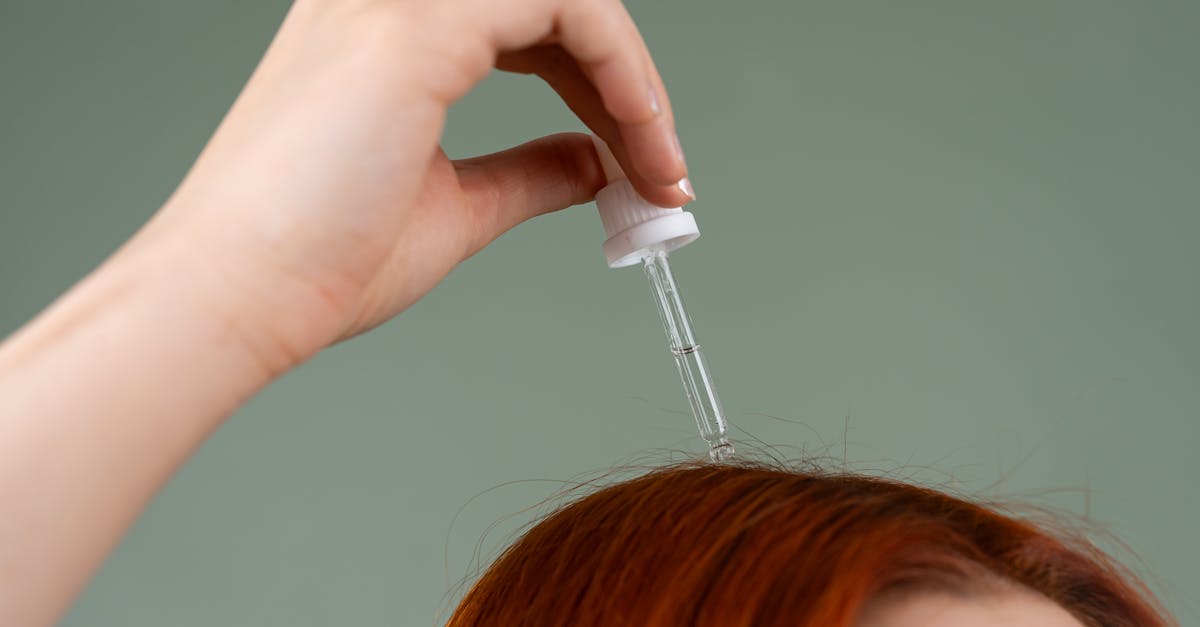
Why Iron Is So Central to Hair Follicle Biology
Hair follicles are among the most metabolically active structures in the human body. Each follicle undergoes continuous cycling through anagen (active growth), catagen (transition), and telogen (resting/shedding) phases — a process that demands a steady supply of oxygen, energy, and micronutrients. Iron sits at the intersection of all three demands.
Ferritin, the body's primary iron storage protein, is now recognized as a more sensitive marker for hair-loss risk than serum iron or hemoglobin alone. A landmark study by Rushton and colleagues demonstrated that women with diffuse telogen hair loss had significantly lower serum ferritin levels compared to matched controls, and that restoration of ferritin above 40 µg/L was associated with reduced shedding (Rushton et al., Clinical and Experimental Dermatology, 2002; PMID: 12420616). Subsequent clinical dermatology guidelines have generally adopted a ferritin threshold of 70 µg/L as the target for hair regrowth, though some practitioners advocate for levels above 100 µg/L in cases of persistent loss.
The biological mechanism is direct: iron is a cofactor for ribonucleotide reductase, the rate-limiting enzyme in DNA synthesis. Dividing hair matrix cells require rapid DNA replication, and even subclinical iron depletion — normal hemoglobin with low ferritin — can slow this process enough to push follicles prematurely into telogen. The result is telogen effluvium (TE), a diffuse, non-scarring form of hair loss characterized by increased daily shed counts (often 150–300+ hairs per day) and a noticeable reduction in overall hair density.
If you've ever researched why your hair feels thinner despite "normal" bloodwork, the connection between low ferritin and diffuse hair loss is the most important place to start.
How Much Iron Do You Actually Need? Dosing and Biomarker Targets
The Recommended Dietary Allowance (RDA) for iron is 18 mg/day for premenopausal women and 8 mg/day for adult men — but these figures represent the minimum to prevent deficiency anemia, not the optimal level for hair follicle function. For individuals presenting with hair loss and ferritin below 40 µg/L, therapeutic repletion typically requires 60–200 mg of elemental iron daily under medical supervision.
Form matters significantly. The most commonly studied forms include:
| Iron Form | Elemental Iron Content | GI Tolerability | Absorption Notes |
|---|---|---|---|
| Ferrous Sulfate | ~20% | Moderate — common GI side effects | Standard reference form |
| Ferrous Bisglycinate | ~20% | High — chelated for reduced irritation | Preferred in sensitive individuals |
| Ferrous Gluconate | ~12% | High | Lower elemental dose per tablet |
| Ferric Pyrophosphate | ~16% | High | Used in liposomal formulations |
Ferrous bisglycinate has demonstrated equivalent or superior absorption to ferrous sulfate with significantly fewer gastrointestinal complaints in comparative trials (Szarfarc et al., Archivos Latinoamericanos de Nutrición, 2001; PMID: 11688081), making it the preferred clinical form for long-term supplementation.
Critically, iron should never be supplemented without confirmed deficiency via lab testing. Excess iron generates oxidative stress through the Fenton reaction and has been linked to cardiovascular and metabolic harm. A proper protocol starts with a full iron panel: serum ferritin, serum iron, TIBC (total iron-binding capacity), and transferrin saturation — not just a CBC.
Onces AI health practitioner analyzes uploaded blood work and flags suboptimal ferritin levels within the context of your full panel, helping avoid both under-treatment and the real risk of iron overload.
Vitamin D3 for Hair Growth: A Critical Co-Factor
Among the secondary nutrients that influence hair cycling, vitamin D3 has the strongest independent evidence base. Vitamin D receptors (VDR) are expressed in keratinocytes and dermal papilla cells throughout the hair follicle, and VDR signaling is now understood to play a direct role in the initiation and maintenance of anagen phase.
A systematic review and meta-analysis published in Dermatology and Therapy (2019) found that patients with alopecia areata and telogen effluvium had significantly lower serum 25(OH)D levels than healthy controls, with the pooled mean difference reaching clinical significance (Almohanna et al., Dermatology and Therapy, 2019; PMID: 30712258). Lower vitamin D status was associated with more severe hair loss across multiple hair loss subtypes.
For individuals combining iron repletion with vitamin D3 optimization, the synergy may be additive: iron is required for the hydroxylation steps that activate vitamin D in the liver and kidney, meaning iron-deficient individuals often display functional vitamin D insufficiency even when circulating 25(OH)D levels appear adequate.
The clinically effective range for 25(OH)D in hair-related outcomes appears to sit between 50–80 ng/mL, well above the 20 ng/mL threshold used to define "sufficiency" by the IOM. Ones formulas include vitamin D3 paired with K2 (MK-7) to support calcium metabolism alongside D3 repletion — a pairing backed by mechanistic evidence that K2 directs calcium away from soft tissue and toward bone, reducing the risks associated with higher-dose D3 supplementation.
Melatonin for Hair Growth: Emerging but Promising Evidence
Melatonin is best known as a sleep hormone, but its role in hair biology is increasingly recognized. Hair follicles express melatonin receptors (MT1 and MT2), and melatonin appears to exert direct anti-apoptotic effects on follicular keratinocytes — essentially protecting follicle cells from premature programmed death that triggers shedding.
A double-blind, placebo-controlled study by Fischer et al. applied topical 0.1% melatonin solution to the scalp of women with androgenetic alopecia and diffuse hair loss. After 6 months, the melatonin group showed a significant increase in the anagen hair rate compared to placebo, measured by phototrichogram analysis (Fischer et al., British Journal of Dermatology, 2004; PMID: 15548915). This remains one of the few randomized controlled trials examining melatonin directly in a hair loss population.
The mechanism is thought to involve melatonin's potent antioxidant properties — specifically its ability to scavenge reactive oxygen species in hair follicle mitochondria — as well as its modulation of the anagen-to-telogen transition. It's worth noting that oral melatonin for sleep support (0.5–5 mg) likely exerts different local scalp concentrations than topical formulations, and the direct oral-to-follicle pathway requires further study.
For individuals whose hair loss is compounded by poor sleep, chronically elevated cortisol, or circadian disruption — all of which impair hair cycling — addressing melatonin rhythm through sleep hygiene and, where indicated, low-dose supplementation represents a genuinely plausible adjunct strategy.
Turmeric for Hair Growth: Anti-Inflammatory Mechanisms Worth Knowing
Inflammation of the perifollicular microenvironment is increasingly recognized as a driver of multiple hair loss subtypes, from androgenetic alopecia to alopecia areata. Curcumin, the primary bioactive in turmeric, is one of the most studied natural anti-inflammatory compounds, acting primarily through inhibition of NF-κB signaling and downregulation of inflammatory cytokines including TNF-α and IL-6.
While no large-scale RCT has yet established turmeric as a standalone treatment for hair loss, mechanistic and early clinical work supports its plausibility as a supportive adjunct. A 2021 review in Phytotherapy Research summarized curcumin's potential in dermatological conditions driven by chronic low-grade inflammation, noting its ability to modulate oxidative stress markers in skin tissue (Vaughn et al., Phytotherapy Research, 2021; doi.org/10.1002/ptr.6991).
Curcumin also inhibits 5-alpha reductase, the enzyme that converts testosterone to dihydrotestosterone (DHT) — the androgen directly implicated in miniaturizing hair follicles in androgenetic alopecia (Shin et al., Biological and Pharmaceutical Bulletin, 2006; PMID: 16946491). The inhibitory effect appears concentration-dependent and is unlikely to match pharmaceutical 5-AR inhibitors, but the anti-DHT angle adds mechanistic credibility to curcumin's interest in hair health.
For practical supplementation, curcumin's poor standalone bioavailability is a well-documented limitation. Formulations paired with piperine (BioPerine) have demonstrated up to 2000% increased absorption in pharmacokinetic studies (Shoba et al., Planta Medica, 1998; PMID: 9619120).
Probiotics for Hair Growth: The Gut-Skin-Hair Axis
The idea that probiotics might support hair growth may seem indirect, but the logic is grounded in three interconnected mechanisms. First, gut dysbiosis impairs the absorption of iron and other key micronutrients — meaning a compromised gut lining is a common upstream cause of the very deficiencies that starve hair follicles. Second, the gut microbiome significantly influences systemic inflammation, and chronic low-grade inflammation is a recognized driver of follicle miniaturization. Third, emerging research on the gut-skin axis suggests that microbial metabolites like short-chain fatty acids (SCFAs) can modulate skin barrier function and sebaceous gland activity through systemic circulation.
A mouse study published in PLOS ONE demonstrated that supplementation with Lactobacillus reuteri produced a striking increase in fur shine, density, and follicle size — effects attributed to increased oxytocin signaling and a shift toward a pro-anagen follicle state (Poutahidis et al., PLOS ONE, 2013; PMID: 23922893). Human translational data remain limited, but the mechanistic pathway is biologically plausible.
For individuals with confirmed iron deficiency and suboptimal ferritin, addressing gut health is a practical upstream priority: iron absorption depends heavily on gastric acid levels and intestinal mucosal integrity — both of which can be compromised by dysbiosis and inflammation. You can learn more about how gut microbiome health connects to nutrient absorption and energy and why this matters beyond just digestion.
What This Means for Your Formula
Building a protocol for iron-related hair loss requires more than adding an iron supplement to your routine. The most effective approaches are layered — addressing the deficiency itself alongside the co-factors that amplify iron's impact on follicle biology.
Here's how Ones approaches this within a personalized capsule formula:
Iron (as Ferrous Bisglycinate): When blood work confirms suboptimal ferritin, Ones can incorporate iron in its chelated bisglycinate form — the highest-tolerability, clinically validated format — dosed proportionally to the degree of deficiency flagged in your lab results. This avoids the guesswork of off-the-shelf iron supplements that rarely match your actual repletion needs.
Vitamin D3 + K2 (MK-7): Ones includes D3 in combination with vitamin K2 as MK-7, matching the pairing validated in clinical practice for safe, effective vitamin D optimization. Given that D3 and iron share enzymatic activation pathways, addressing both simultaneously is mechanistically sensible for hair follicle support.
Magnesium Complex: Magnesium is required for over 300 enzymatic reactions, including those governing protein synthesis in hair matrix cells. Ones' Magnesium Complex is formulated with glycinate and malate forms for superior bioavailability — and optimal magnesium glycinate dosing has demonstrated benefits for sleep quality, which indirectly supports the melatonin rhythm relevant to follicle cycling.
The 9- or 12-capsule Ones plans provide the capsule budget to stack iron with its key co-factors (D3/K2, magnesium, and where indicated, zinc and B12) in a single daily formula calibrated to your actual blood work — rather than the population-average doses found in standard multivitamins.
Where Ones differs from competitors like Ritual (which uses fixed multi formulas) or Thorne (which offers practitioner-grade individual products without AI personalization) is in the integration layer: your ferritin level, your 25(OH)D, your dietary history, and your health goals are analyzed together before a single capsule is selected.
Key Takeaways
- Ferritin is the biomarker that matters most: Hair loss can occur with ferritin below 40–70 µg/L even when hemoglobin is normal. A full iron panel — not just a CBC — is essential before supplementing.
- Ferrous bisglycinate is the preferred supplemental form: It matches the absorption of ferrous sulfate with significantly fewer gastrointestinal side effects, making it better suited to consistent long-term use.
- Vitamin D3 and iron are mechanistically linked: Iron deficiency can impair vitamin D activation, and VDR expression in follicles makes D3 status independently important for hair cycling. Target 50–80 ng/mL 25(OH)D for hair-related outcomes.
- Curcumin and melatonin show real but supporting roles: Curcumin's 5-AR inhibition and anti-inflammatory effects, and melatonin's anagen-promoting properties, are backed by mechanistic and early clinical evidence — but neither replaces correcting iron and D3 deficiency first.
- Gut health is an upstream variable: Dysbiosis impairs iron absorption and drives systemic inflammation. Probiotic support for the gut-skin-hair axis is a rational add-on for individuals with absorption concerns.
- Personalization outperforms population-average dosing: Hair follicle support requires matching doses to your actual lab values — a fixed multivitamin is unlikely to move ferritin from 22 µg/L to 70 µg/L. Always consult a healthcare provider before starting iron supplementation.