Minerals
Iron for Vegetarians: A Clinical Guide to Dosage, Mechanism, and Outcomes
Vegetarians are nearly twice as likely to be iron-deficient as omnivores — yet most plant-based eaters are supplementing the wrong form at the wrong dose. Non-heme iron, the only kind found in plant foods, absorbs at roughly 2–20% compared to up to 35% for heme iron, making dietary strategy and smart supplementation critical. This clinical guide covers what iron actually does in the body, how much vegetarians need, when to take it, and what the research says about outcomes.
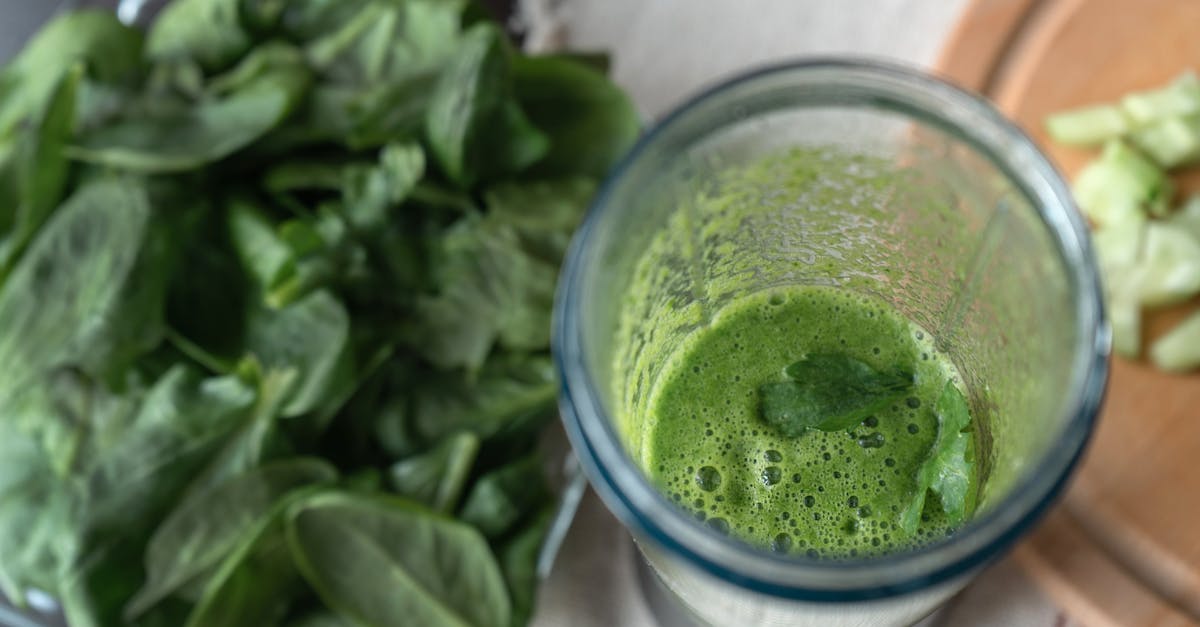
Why Iron Deficiency Hits Vegetarians Harder
Iron deficiency is the most prevalent nutritional deficiency worldwide, affecting an estimated 1.62 billion people according to the World Health Organization — and among that population, vegetarians and vegans are significantly overrepresented. The core issue is bioavailability. Plant foods contain only non-heme iron, which is absorbed via a completely different intestinal transporter (divalent metal transporter 1, or DMT1) than heme iron, and is far more vulnerable to inhibitors like phytates, calcium, and polyphenols found abundantly in plant-based diets (Hurrell & Egli, American Journal of Clinical Nutrition 2010; PMID: 20200263).
A systematic review published in the European Journal of Clinical Nutrition found that vegetarians consistently have lower ferritin levels than matched omnivores, even when total dietary iron intake appears adequate on paper (Haider et al., European Journal of Clinical Nutrition 2018; PMID: 29053888). This means that simply eating iron-rich legumes and spinach is rarely enough without a deliberate absorption strategy.
Understanding the full clinical picture — mechanism, recommended daily intake, timing, and form — is essential for vegetarians who want to keep ferritin in a functional range without guessing.
---
What Does Iron Do? The Physiology Behind the Mineral
Iron is not just about avoiding anemia. Its roles in human physiology are broad and deeply integrated into energy metabolism, cognitive function, immune defense, and hormonal signaling.
Oxygen transport and cellular respiration. Iron is the central atom in hemoglobin, the protein in red blood cells that binds and carries oxygen from the lungs to every cell in the body. It performs the same function in myoglobin within muscle tissue. Without adequate iron, tissues are literally oxygen-deprived at the cellular level, which explains the profound fatigue that accompanies even mild iron deficiency.
Mitochondrial energy production. Iron is a structural component of the electron transport chain enzymes (cytochromes) within mitochondria. Even when hemoglobin levels appear normal, suboptimal tissue iron impairs ATP production, contributing to the "tired but not anemic" presentation clinicians frequently observe (Beard, Journal of Nutrition 2001; PMID: 11160590).
Neurotransmitter synthesis. Iron is a required cofactor for tyrosine hydroxylase and tryptophan hydroxylase — enzymes that synthesize dopamine, serotonin, and norepinephrine. This mechanistic link explains why iron-deficient individuals frequently experience brain fog, mood disturbances, and impaired concentration independent of anemia (Lozoff & Georgieff, Annual Review of Nutrition 2006; PMID: 16848706).
Immune function. Iron-dependent enzymes are critical for neutrophil and macrophage activity. Chronic iron deficiency impairs both innate and adaptive immune responses, increasing susceptibility to infection (Weiss & Goodnough, New England Journal of Medicine 2005; PMID: 15758012).
Thyroid hormone metabolism. Iron-deficient individuals often show impaired thyroid peroxidase activity, which can blunt conversion of T4 to active T3 — a relationship that makes iron status particularly relevant for anyone managing thyroid concerns alongside a plant-based diet.
For vegetarians managing any of these downstream concerns — from energy to cognition to immunity — understanding iron's full role makes the case for taking deficiency seriously far beyond a number on a complete blood count.
---
Iron Recommended Daily Intake for Vegetarians
The standard Recommended Dietary Allowance (RDA) for iron, set by the National Institutes of Health Office of Dietary Supplements, is 8 mg/day for adult men and 18 mg/day for premenopausal women. However, these figures assume a mixed omnivore diet with roughly 10–18% iron bioavailability overall.
Because non-heme iron absorbs at significantly lower rates, the Institute of Medicine has formally stated that vegetarians may require 1.8 times the standard RDA to meet actual physiological needs (NIH Office of Dietary Supplements, Iron Fact Sheet for Health Professionals).
| Population Group | Standard RDA | Vegetarian Adjustment (×1.8) |
|---|---|---|
| Adult men (19–50) | 8 mg/day | ~14 mg/day |
| Premenopausal women (19–50) | 18 mg/day | ~32 mg/day |
| Pregnant women | 27 mg/day | ~49 mg/day |
| Adult men & women (51+) | 8 mg/day | ~14 mg/day |
These are dietary targets, not supplementation doses. Supplementation dosing should be guided by lab results — specifically serum ferritin, serum iron, TIBC, and transferrin saturation — rather than population averages. A ferritin below 30 ng/mL is now widely recognized as functionally deficient for energy, thyroid function, and hair growth, even when hemoglobin is within the normal range (Camaschella, New England Journal of Medicine 2015; PMID: 25946282).
For vegetarians with confirmed deficiency, supplemental doses of 15–60 mg of elemental iron daily are commonly used, with the specific dose and duration determined by the degree of depletion and response to treatment. Doses above 45 mg/day should be medically supervised due to gastrointestinal side effects and the risk of iron overload in individuals with hemochromatosis mutations.
If you're navigating low ferritin alongside other nutrient concerns, the clinical evidence for managing micronutrient deficiencies on a plant-based diet is worth reviewing alongside your lab panel.
---
Iron Uses: Forms of Iron That Matter for Plant-Based Eaters
Not all supplemental iron is equal. The form of iron dramatically affects both tolerability and efficacy, and this is an area where many vegetarians are unknowingly underserving themselves.
Ferrous sulfate is the cheapest and most studied form, delivering high elemental iron content (20% by weight). It absorbs reasonably well but is notorious for causing constipation, nausea, and gastric irritation — particularly at doses above 25 mg of elemental iron — leading many people to discontinue it.
Ferrous bisglycinate (iron chelated to two glycine molecules) is significantly better tolerated and maintains strong absorption in the presence of food. A randomized controlled trial found that ferrous bisglycinate improved hemoglobin and ferritin levels comparably to ferrous sulfate but with substantially fewer gastrointestinal side effects (Layrisse et al., Journal of Nutrition 2000; PMID: 11119395). This makes it the preferred form for long-term vegetarian supplementation.
Ferric forms (ferric orthophosphate, ferric pyrophosphate) are less well absorbed and typically used in food fortification rather than therapeutic supplementation.
Liposomal iron is an emerging delivery system that encases iron in phospholipid vesicles, improving absorption and dramatically reducing GI side effects. Early clinical data is promising but the evidence base is thinner than for bisglycinate.
Key absorption enhancers for vegetarians:
- Vitamin C (ascorbic acid): Taking 100–200 mg of vitamin C alongside non-heme iron can increase absorption by up to 6-fold by reducing ferric iron to the more absorbable ferrous form (Hallberg et al., American Journal of Clinical Nutrition 1987; PMID: 3554976).
- Citric acid and malic acid from fruit similarly support absorption.
- Avoiding calcium, tea, coffee, and high-phytate foods at the same meal as iron supplementation meaningfully preserves bioavailability.
For vegetarians who are also addressing low vitamin D or other absorption-dependent nutrients, understanding vitamin D3 and K2 synergy in personalized formulas can help contextualize how nutrient interactions affect your full formula strategy.
---
Best Time to Take Iron for Maximum Absorption
Timing is one of the most clinically significant — and most overlooked — factors in iron supplementation. Several research findings have reshaped clinical recommendations in the past decade.
Fasted morning dosing remains effective but can cause GI distress. Taking iron on an empty stomach maximizes absorption because there are no competing food components. However, this approach is poorly tolerated by many individuals, particularly at therapeutic doses.
Alternate-day dosing may outperform daily dosing. A landmark study published in the Lancet Haematology demonstrated that alternate-day iron supplementation led to significantly greater absorption per dose than daily dosing (Moretti et al., Lancet Haematology 2015; PMID: 26688268). The mechanism involves hepcidin — the liver-produced hormone that regulates iron absorption. Daily iron doses cause a spike in hepcidin that suppresses DMT1 activity for 24 hours; allowing a rest day resets this suppression and dramatically improves the next dose's uptake. This finding is now reflected in several clinical iron repletion protocols.
Practical timing protocol for vegetarians:
- Take iron first thing in the morning on an empty stomach, or 30 minutes before breakfast.
- Pair with 150–200 mg of vitamin C (a separate supplement or a small glass of orange juice).
- Avoid calcium supplements, dairy, tea, or coffee within 2 hours of your iron dose.
- If GI distress occurs on daily dosing, shift to alternate-day dosing — the evidence now supports this as clinically superior, not merely a compromise.
- Recheck ferritin and serum iron at 8–12 weeks to assess response.
For those using wearable data alongside labs, tracking resting heart rate trends during iron repletion can provide early signals of improved oxygen-carrying capacity before labs catch up.
---
Clinical Outcomes: What the Research Shows
Beyond correcting anemia, iron optimization in vegetarians has measurable effects across multiple health domains.
Cognitive performance and work capacity. A double-blind RCT involving iron-deficient women found that iron supplementation significantly improved cognitive performance and reduced fatigue within 8 weeks compared to placebo, with gains independent of hemoglobin changes — suggesting tissue-level iron was the primary driver (Murray-Kolb & Beard, American Journal of Clinical Nutrition 2007; PMID: 17209201).
Athletic performance in female vegetarians. Iron-deficient non-anemic endurance athletes showed significant improvements in VO2 max and exercise economy after 6 weeks of iron supplementation compared to placebo (Hinton et al., Journal of Applied Physiology 2000; PMID: 11053325). This has direct relevance for vegetarian athletes who wonder why their training isn't translating to performance gains.
Hair and thyroid function. Ferritin below 70 ng/mL has been associated with telogen effluvium (diffuse hair shedding), and several dermatology protocols now target ferritin above 70–80 ng/mL for hair restoration, though large RCTs in this specific area are limited. Thyroid peroxidase function also normalizes with iron repletion, which can improve T4-to-T3 conversion in previously deficient individuals.
For vegetarians already monitoring thyroid markers alongside iron, understanding the connection between thyroid support nutrients and iron helps frame how these systems interact.
---
What This Means for Your Formula
At Ones, iron status is one of the most impactful data points the AI health practitioner evaluates when analyzing blood work — because low ferritin creates a cascade that affects energy, cognition, immunity, and hormonal balance simultaneously.
Here is how Ones approaches iron support in the context of a plant-based diet:
Ferrous Bisglycinate is Ones' preferred form for supplemental iron, dosed based on the individual's ferritin, TIBC, and transferrin saturation from lab results rather than population averages. This form's superior GI tolerability supports consistency, which is the single biggest predictor of repletion success.
Vitamin C (included in Ones' Immune-C and C Boost System Blends) is frequently recommended alongside iron in Ones formulas to capitalize on the 6-fold absorption enhancement that ascorbic acid provides for non-heme iron. When a user's lab data flags low ferritin, the AI considers whether vitamin C levels are adequate to support absorption — not just whether the iron dose is correct.
Magnesium Glycinate (part of Ones' Magnesium Complex) is often co-flagged in vegetarians alongside iron deficiency, since plant-heavy diets that are high in phytates can impair absorption of multiple divalent minerals simultaneously. Addressing both within a calibrated multi-capsule plan avoids the common mistake of correcting one deficiency while inadvertently competing with another. If you want to explore optimal magnesium glycinate dosage and timing for plant-based diets, that context also applies here.
Ones formulas are available in 6, 9, or 12-capsule plans, allowing clinically meaningful doses of iron and its absorption cofactors to be built into a single daily protocol rather than requiring users to coordinate multiple separate supplements with competing timing requirements.
---
Key Takeaways
- Vegetarians need approximately 1.8× the standard RDA for iron due to the inherently lower bioavailability of non-heme iron — the only form in plant foods.
- Iron's functions extend far beyond anemia: it drives mitochondrial energy production, neurotransmitter synthesis, immune function, and thyroid hormone conversion, making deficiency costly even before hemoglobin drops.
- Ferrous bisglycinate is the preferred supplemental form for vegetarians: it matches ferrous sulfate's efficacy but with significantly fewer GI side effects, supporting better long-term adherence.
- Alternate-day dosing, supported by Lancet Haematology research, may produce better total absorption than daily dosing by allowing hepcidin levels to reset between doses.
- Vitamin C is a non-negotiable absorption partner: 100–200 mg taken with iron can increase non-heme absorption up to 6-fold — avoid tea, coffee, calcium, and high-phytate foods within 2 hours.
- Lab-guided dosing is essential: ferritin below 30 ng/mL signals functional deficiency even with normal hemoglobin; targets for full restoration (energy, hair, cognition) are typically 50–80 ng/mL or higher, and Ones formulas calibrate iron doses to your actual results, not population averages.
Always consult a qualified healthcare provider before beginning iron supplementation, particularly at therapeutic doses. Individuals with hemochromatosis or elevated ferritin should not supplement iron without medical supervision.