Supplements
The Practitioner's Guide to Is Fadogia Agrestis Safe
Fadogia agrestis exploded into mainstream supplement culture largely on the back of podcast recommendations — but rigorous human safety data remains thin. Before adding this West African shrub to your stack, here's what the toxicology literature, animal studies, and clinical context actually say about whether fadogia agrestis is safe and how to use it responsibly.
The Practitioner's Guide to Is Fadogia Agrestis Safe
Fadogia agrestis has become one of the most talked-about testosterone-support herbs of the past few years, propelled by high-profile podcasts and influencer recommendations. Yet for all the buzz, the honest answer to "is fadogia agrestis safe?" is more nuanced than most supplement labels suggest. Unlike well-studied adaptogens such as ashwagandha — where decades of human clinical trials inform dosing and safety margins — fadogia agrestis research is still largely confined to rodent models and a handful of small studies. That doesn't automatically make it dangerous, but it does mean the burden of diligence falls squarely on the consumer and the practitioner.
This guide synthesizes the available evidence on fadogia agrestis safety, walks through what the toxicology data actually shows, examines dosage considerations, and explains why personalized supplementation platforms are increasingly important when working with under-studied botanicals.
---
What Is Fadogia Agrestis and Why Is It Getting So Much Attention?
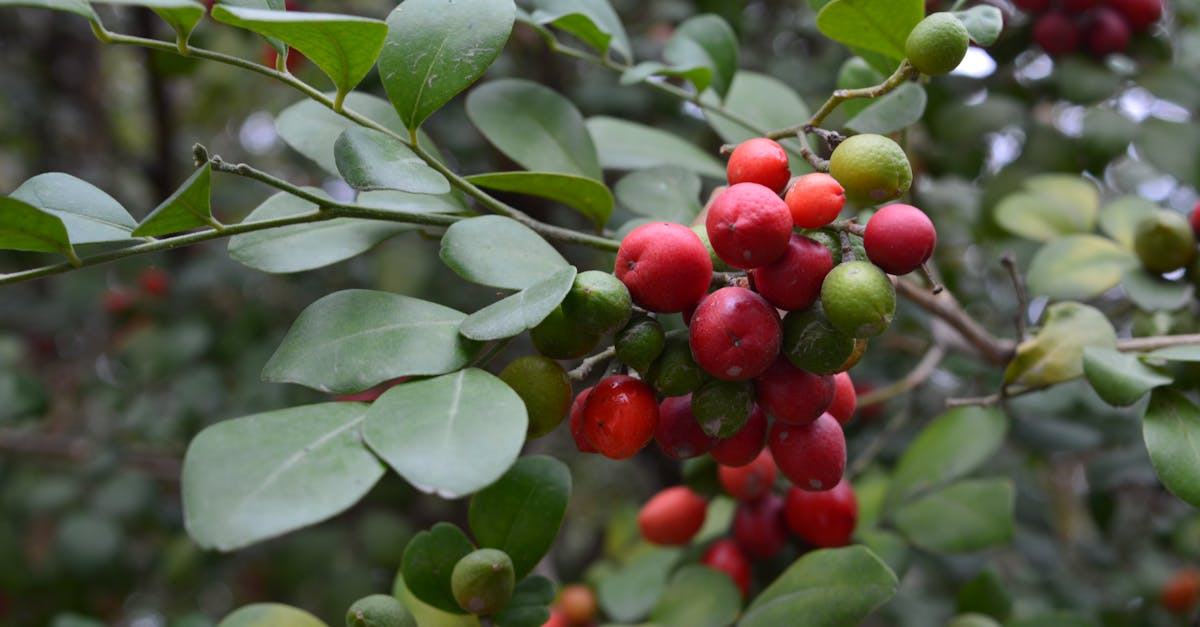
Fadogia agrestis is a flowering shrub native to Nigeria and other parts of sub-Saharan Africa, where it has been used in traditional medicine for its purported aphrodisiac and vitality-enhancing properties. The plant's stems are the primary part used in supplements, and the proposed mechanism of action centers on saponins and alkaloids — particularly glycosides that may stimulate luteinizing hormone (LH) release from the pituitary, which in turn signals the testes to produce more testosterone.
The most widely cited preclinical study (Yakubu et al., Journal of Ethnopharmacology, 2005; PMID: 15878100) showed that aqueous stem extract of fadogia agrestis increased serum testosterone in male rats in a dose-dependent manner over five days. Rats receiving 18 mg/kg and 100 mg/kg showed testosterone increases, while the highest dose group also showed signs of organ stress — an observation that became the foundation of ongoing safety concerns.
This single animal study launched thousands of supplement SKUs. The gap between that preclinical data and a fully characterized human safety profile is where practitioners and informed consumers need to pay close attention.
---
Is Fadogia Agrestis Safe? What the Toxicology Data Shows
The honest answer is: we don't yet have robust human clinical trials establishing a well-tolerated dose range with long-term safety data. What we do have comes from several animal toxicity studies, and those findings warrant serious attention.
Testicular and Organ Toxicity Signals in Animal Models
The same 2005 Yakubu study that excited testosterone enthusiasts also noted increased testicular weight and morphological changes at higher doses in rats. A follow-up study by the same research group (Yakubu & Afolabi, Journal of Ethnopharmacology, 2009; PMID: 19666099) examined the effects of repeated oral administration and found dose-dependent elevations in serum LH and testosterone — but also documented testicular histopathological changes and altered sperm parameters at doses extrapolated to be high for human equivalence. Liver enzyme elevations were also observed in some dose groups.
This is not evidence that human-equivalent doses cause harm, but it is a clear signal that the therapeutic window for fadogia agrestis may be narrow, and that "more is better" thinking is particularly dangerous here.
Heavy Metal Contamination Risk
An often-overlooked safety variable is sourcing and standardization. Crude plant extracts from West Africa have shown variable levels of heavy metal contamination depending on soil composition and processing. A 2016 analysis published in the Journal of Applied Sciences (available through AJOL) noted lead, cadmium, and arsenic at detectable levels in some Fadogia agrestis samples tested. The FDA does not regulate supplement quality the way it regulates pharmaceuticals, meaning the product on shelves may bear little resemblance to what was tested in any given study.
What This Means Practically
For anyone asking "is fadogia agrestis safe," the current evidence supports cautious, time-limited use at low-to-moderate doses with third-party testing verification — not indefinite high-dose supplementation. Cycling (e.g., 8–12 weeks on, 4 weeks off) is commonly recommended by practitioners as a harm-reduction strategy, though this is not yet formalized in clinical guidelines.
---
Fadogia Agrestis Dosage: What Ranges Are Being Used and Why It Matters
Because human clinical trials are absent, fadogia agrestis dosage recommendations are largely extrapolated from animal data using body surface area conversion factors, or are empirically derived from traditional use reports.
| Dose Range | Context | Notes |
|---|---|---|
| 425–600 mg/day | Common supplement label dose | No published human RCT at this range |
| 18 mg/kg (rat) | Testosterone-elevating dose in Yakubu 2005 | Human equivalent ~145 mg/day (60 kg adult) |
| 100 mg/kg (rat) | Highest dose in Yakubu 2005 | Human equivalent ~810 mg/day; histopathology noted |
| >1,000 mg/day | Some aggressive stack formulas | No safety data; not recommended |
The preclinical-to-human dose conversion math suggests that the 425–600 mg range many supplements use is potentially above the minimum effective dose extrapolated from rodent data, but well below the doses that caused observable organ stress in animals. This is a reasonably cautious position — but "reasonably cautious based on rodent data" is not the same as "clinically validated safe."
For men already working with a functional medicine practitioner or using a data-driven platform like Ones to track biomarkers including testosterone, LH, FSH, and liver enzymes, incorporating fadogia agrestis with monitoring is a more defensible strategy than self-prescribing blind.
If you're also exploring evidence-backed adaptogens for testosterone and stress support, the clinical evidence for ashwagandha provides a useful contrast — KSM-66 at 600 mg/day has multiple published human RCTs including safety data.
---
Fadogia Agrestis vs. Better-Characterized Testosterone Support Ingredients
One of the most important frameworks when evaluating fadogia agrestis safety is comparison to ingredients with deeper evidence bases. Below is a head-to-head look:
| Ingredient | Human RCT Data | Safety Profile | Typical Clinical Dose |
|---|---|---|---|
| Fadogia Agrestis | No published human RCTs | Animal: organ stress at high doses | 425–600 mg (empirical) |
| KSM-66 Ashwagandha | Multiple RCTs | Well-tolerated; GI upset at high doses | 600 mg/day |
| Zinc | Extensive RCTs | Safe within UL; toxicity above 40 mg/day | 15–30 mg elemental |
| Vitamin D3 | Extensive RCTs | Safe with monitoring; toxicity above 4,000 IU/day | 2,000–4,000 IU |
| Tongkat Ali (Eurycoma) | Small human RCTs | Reasonable safety signal at 200–400 mg | 200–400 mg/day |
This comparison isn't to suggest fadogia agrestis should be avoided entirely — it's to contextualize that choosing it means accepting a thinner evidence base than alternatives.
---
Is Glycine Safe? A Note on Amino Acid Co-Supplementation
This question comes up frequently in men's health stacks because glycine — a conditionally essential amino acid — is often combined with testosterone-support supplements, including fadogia agrestis, due to its proposed roles in sleep quality, cortisol modulation, and connective tissue support.
The safety profile for glycine is substantially better characterized than fadogia agrestis. Glycine is generally recognized as safe (GRAS) by the FDA at dietary intake levels, and clinical research supports its use at 3–5 g/day for sleep improvement. A randomized trial by Bannai et al. (Sleep and Biological Rhythms, 2012; PMID: 23440076) found that 3 g of glycine taken before bed significantly improved subjective sleep quality and reduced daytime sleepiness in adults with sleep complaints. Importantly, no adverse effects were recorded at this dose.
At higher doses used for metabolic research (up to 60 g/day in some intravenous pharmacological contexts), mild gastrointestinal symptoms and sedation have been noted, but these are far outside the range of standard supplementation. For oral supplementation at 3–10 g/day, glycine appears safe for most healthy adults, including when stacked with botanical supplements.
Glycine's safety margin is notably better than fadogia agrestis's — another illustration of why "is fadogia agrestis safe" deserves a more cautious answer than questions about well-characterized amino acids.
---
Who Should Avoid Fadogia Agrestis?
Given the available data, the following populations should either avoid fadogia agrestis or only use it under direct medical supervision:
- Men with pre-existing liver disease or elevated liver enzymes — animal data suggests potential hepatotoxicity at higher doses
- Men with hormonally sensitive conditions (e.g., prostate cancer, benign prostatic hyperplasia) — LH and testosterone stimulation may be contraindicated
- Men currently on testosterone replacement therapy (TRT) — stacking with endogenous LH stimulators while on exogenous testosterone may have unpredictable effects
- Anyone not using third-party tested products — contamination risk from unverified supply chains is a genuine safety concern
- Adolescents — hormonal systems are not fully developed; exogenous LH stimulation is not appropriate
Conversely, healthy adult men in their 30s–50s with lab-confirmed low-normal testosterone, no contraindications, who cycle the supplement and monitor liver enzymes and reproductive hormones, represent the population for whom a cautious trial may be most justifiable.
This is precisely where personalized supplement platforms add value. When Ones analyzes your blood work — including testosterone panels, LH, FSH, ALT, and AST — the AI can flag whether your hormone and organ health biomarkers are appropriate starting points for a botanical like fadogia agrestis, and can build a formula around complementary, better-evidenced ingredients as a primary strategy.
---
Interactions With Other Supplements and Medications
Fadogia agrestis has not been formally studied for drug-herb interactions in humans. However, based on its proposed mechanism of action (LH stimulation → testosterone increase), there are several theoretical interaction categories to consider:
- Clomiphene citrate or other SERMs — both stimulate LH; additive effects are possible and unpredictable
- Aromatase inhibitors — if testosterone increases, aromatization to estradiol may also increase; stacking with AI drugs could produce hormonal imbalance
- Hepatotoxic medications — additive liver stress is a concern given animal hepatotoxicity signals
- Zinc and Vitamin D3 — supportive co-supplementation; no known negative interactions, and both have independent evidence for testosterone support
For broader context on how micronutrient status interacts with hormonal health, the optimal magnesium glycinate dosage is worth reviewing, as magnesium deficiency is independently associated with lower testosterone and poor sleep quality.
---
What This Means for Your Formula: How Ones Addresses Testosterone Support
At Ones, the approach to testosterone support is grounded in a philosophy of optimizing what is most evidence-backed before considering more speculative botanicals. When you share your blood work and wearable data, the Ones AI health practitioner looks at the full hormonal and metabolic picture — not just testosterone in isolation.
Here's how Ones approaches the key drivers that affect testosterone:
1. Ashwagandha (KSM-66, 600 mg)
This is the most clinically substantiated adaptogen for testosterone support. A double-blind RCT by Wankhede et al. (Journal of the International Society of Sports Nutrition, 2015; PMID: 26609282) found that 600 mg/day of KSM-66 in resistance-trained men over 8 weeks significantly increased serum testosterone compared to placebo while also reducing cortisol and improving recovery. Ones uses this exact branded extract at the 600 mg clinical dose.
2. Zinc
Zinc is a cofactor in testosterone biosynthesis and aromatase regulation. A well-known study in Nutrition (Prasad et al., 1996; PMID: 8875519) established that zinc depletion significantly decreased serum testosterone in healthy men, and repletion restored levels. If your labs show zinc insufficiency, Ones includes zinc at a dose calibrated to your specific deficiency level, not a one-size-fits-all amount.
3. Vitamin D3 + K2 (MK-7)
Vitamin D acts as a steroid hormone precursor, and low 25(OH)D is associated with lower testosterone. A RCT by Pilz et al. (Hormone and Metabolic Research, 2011; PMID: 21154195) found that men supplementing with 3,332 IU/day of Vitamin D3 over 12 months had significantly higher testosterone than placebo. Ones pairs D3 with K2 (MK-7) to support calcium handling and cardiovascular safety — a synergy you can read more about at vitamin D3 and K2 synergy.
These three ingredients — when dosed to your lab results — address the most common nutritional bottlenecks to optimal testosterone production. Fadogia agrestis may eventually earn a place in evidence-based formulas as human safety and efficacy data accumulates, but today's evidence base doesn't yet support it as a core formula ingredient when these alternatives exist.
---
Key Takeaways
- Fadogia agrestis has no published human RCTs establishing a safe and effective dose; safety data comes primarily from animal models, and those models show organ stress signals at higher doses — so caution is warranted.
- The commonly sold dose of 425–600 mg/day is empirically derived, not clinically validated; cycling (8–12 weeks on, 4 weeks off) and monitoring liver enzymes and reproductive hormones is the most prudent harm-reduction strategy.
- Sourcing and third-party testing are non-negotiable for fadogia agrestis due to documented heavy metal contamination risks in unverified supply chains.
- Glycine is safe at 3–5 g/day based on multiple human RCTs, representing a well-characterized co-supplement option for sleep and recovery that contrasts with fadogia agrestis's thinner safety profile.
- Better-evidenced alternatives — KSM-66 ashwagandha at 600 mg, zinc dosed to lab-confirmed levels, and Vitamin D3 + K2 — address the core nutritional drivers of testosterone and carry substantially stronger human safety and efficacy data.
- Personalized monitoring matters: if you are using fadogia agrestis, tracking LH, FSH, total and free testosterone, ALT, and AST quarterly gives you actionable data to assess whether the risk-benefit equation is working in your favor.
---
This article is for educational purposes only and does not constitute medical advice. Consult a qualified healthcare provider before making changes to your supplement protocol, especially if you have pre-existing health conditions or take prescription medications.