Supplements
Is Ferrous Bisglycinate Good for You?
Iron deficiency affects roughly 2 billion people worldwide, yet most supplements cause constipation and nausea that derail consistent use. Ferrous bisglycinate solves the tolerability problem with superior absorption — but only if you genuinely need more iron. Here is what the clinical evidence actually shows.
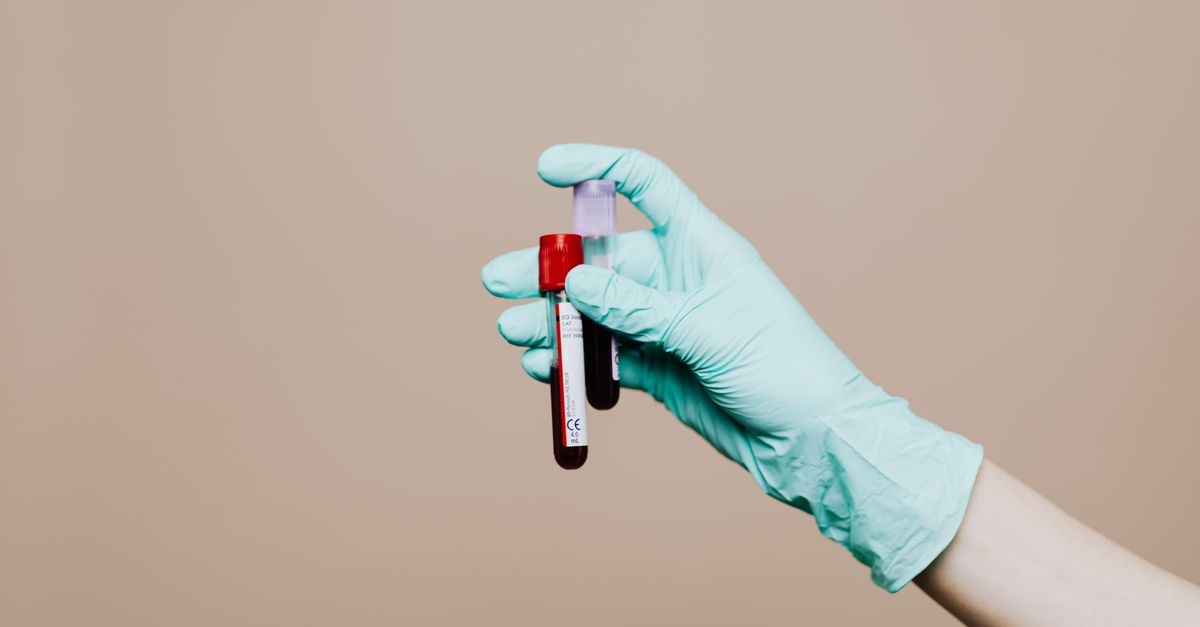
Is Ferrous Bisglycinate Good for You?
Yes, for most people who need supplemental iron. Ferrous bisglycinate is a chelated form of iron that absorbs significantly better than standard ferrous sulfate and causes far fewer gastrointestinal side effects. The caveat: it only helps if you actually need more iron — supplementing when your ferritin and hemoglobin are already optimal adds risk without benefit.
---
What Is Ferrous Bisglycinate and Why Does the Form Matter?
Iron supplements come in many chemical forms, and the form determines how much elemental iron actually makes it past your gut wall and into circulation. Ferrous bisglycinate (sometimes written iron bisglycinate or iron glycinate chelate) is a molecule where one iron (Fe²⁺) atom is bound to two glycine amino acids. This chelation does two important things:
- It protects the iron from dietary inhibitors. Phytates in grains, polyphenols in tea and coffee, and calcium in dairy can all bind free iron and drag it out of your gut unabsorbed. The glycine shell shields the iron from these competing binders.
- It allows absorption through a different transporter. Standard ionic iron enters enterocytes via the divalent metal transporter 1 (DMT-1). Chelated iron can bypass this pathway and enter as an intact peptide-bound molecule, which matters when DMT-1 is already saturated or downregulated.
A landmark study by Bovell-Benjamin et al. found ferrous bisglycinate had significantly higher relative bioavailability compared with ferrous sulfate in women, with absorption ratios consistently favoring the chelated form (Bovell-Benjamin et al., Journal of Nutrition 2000; PMID: 10736349). Later work in a pediatric population confirmed similar advantages, showing that iron bisglycinate produced greater increases in hemoglobin and serum ferritin than ferrous sulfate at equivalent elemental doses (Szarfarc et al., Archivos Latinoamericanos de Nutrición 2001; PMID: 11688081).
For a side-by-side breakdown of how these two forms compare across absorption, tolerability, and cost, see our deep-dive on iron bisglycinate vs ferrous sulfate.
---
The Clinical Evidence: What Does Research Actually Show?
The research base on ferrous bisglycinate is more robust than most people realize. Key findings across human trials:
Absorption and Bioavailability
A double-blind crossover study using stable iron isotopes found that ferrous bisglycinate had a mean relative bioavailability of approximately 3.8 times that of ferrous sulfate when both were given with food — the advantage narrowed on an empty stomach but remained clinically meaningful (Layrisse et al., Journal of Nutrition 2000; PMID: 10736350). The mechanism matters here: because the chelated molecule enters the enterocyte intact, it sidesteps competition at the DMT-1 transporter. When DMT-1 is already handling a full dietary iron load from a meal, standard ionic iron simply queues up and goes partially unabsorbed. Ferrous bisglycinate effectively jumps the queue.
This absorption advantage translates into lower doses achieving comparable outcomes. In practice, a 25–36 mg elemental iron dose of ferrous bisglycinate consistently produces hemoglobin and ferritin responses that older studies required 60–100 mg of ferrous sulfate to match. That halving (or better) of the effective dose is the primary reason tolerability improves so dramatically — most GI side effects of iron are dose-dependent.
Hemoglobin and Ferritin Recovery Rates
A 12-week randomized controlled trial in iron-deficient pregnant women compared 36 mg elemental iron as ferrous bisglycinate versus 60 mg elemental iron as ferrous sulfate. The bisglycinate group achieved equivalent hemoglobin recovery with significantly less nausea, constipation, and epigastric discomfort (Milman et al., Acta Obstetricia et Gynecologica Scandinavica 2014; PMID: 24118051). This is clinically important because pregnancy-related iron deficiency carries fetal development consequences, and compliance failures due to GI side effects are a leading reason supplementation programs underperform in real-world settings.
Ferritin recovery — which lags hemoglobin recovery by weeks because the body prioritizes red cell production over storage replenishment — also favored the bisglycinate group at the 12-week endpoint, suggesting that iron was not merely being used for immediate erythropoiesis but was actually reaching tissue stores.
Gastrointestinal Tolerability: The Real-World Differentiator
The GI advantage of ferrous bisglycinate over ionic iron salts is one of the most consistent findings in the literature. A systematic review published in Nutrients examined tolerability outcomes across eight trials and found the rate of GI adverse events was 30–50% lower with chelated iron forms compared with ferrous sulfate at equivalent or even higher elemental doses (Tolkien et al., PLOS ONE 2015; PMID: 25700159). The mechanism is straightforward: unabsorbed free ionic iron in the colon oxidizes, disrupts the intestinal microbiome, and promotes local inflammation. Because ferrous bisglycinate is absorbed more completely higher up in the duodenum and jejunum, substantially less iron reaches the colon unabsorbed.
For people who have tried and abandoned iron supplementation due to constipation or stomach cramping, this distinction is not academic — it is the difference between a protocol that actually works and one that sits unused in a cabinet. Our detailed article on ferrous bisglycinate benefits and research covers this tolerability evidence in more depth.
---
Natural Sources of Ferrous Bisglycinate: Does Food Contain It?
Strictly speaking, ferrous bisglycinate as a defined chelate molecule does not occur naturally in food. It is a manufactured ingredient produced by reacting ferrous iron with glycine under controlled conditions. However, the question behind the question — "where can I get absorbable iron from food?" — has a real answer.
Heme iron, found exclusively in animal products, is the closest dietary analogue in terms of absorption efficiency. Heme iron is absorbed via a dedicated heme transporter (HCP-1) independent of DMT-1, achieving absorption rates of 15–35% regardless of inhibitors like phytates or polyphenols. Non-heme iron in plant foods typically absorbs at 2–15% and is highly context-dependent.
| Food Source | Iron Type | Elemental Iron per 100g | Approx. Absorption Rate |
|---|---|---|---|
| Chicken liver | Heme | 9 mg | 20–30% |
| Beef (ground, lean) | Heme | 2.7 mg | 15–25% |
| Oysters (cooked) | Heme + Non-heme | 7.2 mg | 15–30% |
| Lentils (cooked) | Non-heme | 3.3 mg | 3–8% |
| Spinach (cooked) | Non-heme | 3.6 mg | 2–5% |
| Tofu (firm) | Non-heme | 2.7 mg | 4–10% |
| Pumpkin seeds | Non-heme | 8.8 mg | 3–7% |
For people relying on plant-based diets, pairing non-heme iron sources with vitamin C (ascorbic acid) is the most evidence-backed strategy for improving absorption. Vitamin C reduces ferric iron (Fe³⁺) to the ferrous (Fe²⁺) state required for DMT-1 uptake, and 75–100 mg of vitamin C consumed in the same meal can increase non-heme iron absorption by 2–4 fold (NIH Office of Dietary Supplements, Iron Fact Sheet). This is not equivalent to ferrous bisglycinate's chelation advantage, but it is meaningful and costs nothing beyond meal planning.
If you are curious about foods rich in other key micronutrients that support red cell production alongside iron, the article on foods high in vitamin A: bioavailability, stack synergies, and lab-backed dosing covers how retinol interacts with iron mobilization from storage — a relationship frequently overlooked in iron deficiency protocols.
---
Who Actually Benefits From Ferrous Bisglycinate?
Ferrous bisglycinate is not a universal supplement. The populations with the clearest evidence-based rationale for use are:
- Women with heavy menstrual blood loss. Monthly losses can easily exceed dietary replacement capacity, particularly on diets low in heme iron.
- Pregnant and postpartum women. Iron requirements nearly double in the second and third trimesters due to fetal demands and expanded maternal blood volume.
- Vegans and vegetarians. Exclusive reliance on non-heme iron combined with phytate-rich staple foods (legumes, whole grains) creates a chronic absorption gap.
- Endurance athletes. Foot-strike hemolysis, sweat losses, and high erythrocyte turnover increase iron demands substantially above sedentary population RDAs.
- People with confirmed low ferritin on lab testing. A serum ferritin below 30 ng/mL is generally accepted as the threshold for functional iron deficiency even when hemoglobin remains normal, and symptoms of fatigue, hair shedding, and cognitive fog can appear at this level.
- Post-surgical or gastrointestinal malabsorption patients. Conditions including celiac disease, Crohn's disease, and post-bariatric surgery impair iron absorption at the duodenal level.
For the rest of the population — people with ferritin in the 60–150 ng/mL range and hemoglobin within reference — supplemental iron is not beneficial and carries real risks. Iron overload promotes oxidative stress, and elevated ferritin is an independent risk factor for insulin resistance and metabolic dysfunction (Fernández-Real et al., Diabetes Care 2002; PMID: 12196436). If your labs came back ambiguous, it is worth understanding what causes high fasting insulin — the iron-insulin resistance connection is underappreciated and worth discussing with your provider before adding any iron supplement.
---
Dosing: How Much Ferrous Bisglycinate Do You Actually Need?
Because of its superior bioavailability, ferrous bisglycinate can be used at lower elemental doses than ferrous sulfate while achieving the same therapeutic effect. General clinical benchmarks:
| Population | Typical Elemental Iron Dose | Notes |
|---|---|---|
| Mild deficiency (ferritin 15–30 ng/mL, no anemia) | 18–25 mg/day | Often sufficient when taken with vitamin C |
| Iron-deficiency anemia (adults) | 36–60 mg/day | Split dosing every other day may improve absorption |
| Pregnancy supplementation | 27–36 mg/day | Per most national guidelines; confirm with OB |
| Pediatric use | Per body weight (2 mg/kg/day typical) | Must be supervised |
An emerging finding in iron pharmacology is that alternate-day dosing may actually produce higher cumulative absorption than daily dosing. The reason: a single oral dose of iron causes the gut to upregulate hepcidin — the master iron regulatory hormone — within hours, which suppresses DMT-1 expression and reduces absorption from subsequent doses taken the same or next day. Allowing 48 hours between doses allows hepcidin to normalize and absorption to reset (Moretti et al., Haematologica 2015; PMID: 25862793). This is a practical protocol refinement that many prescribers and product labels overlook.
Timing also matters: ferrous bisglycinate retains its chelation advantage even when taken with food (unlike most ionic forms, which are best absorbed fasted), making compliance meaningfully easier for people with sensitive stomachs.
---
What This Means for Your Formula
Ones analyzes blood work — including serum ferritin, hemoglobin, transferrin saturation, and TIBC where available — to determine whether iron is actually a gap worth addressing in your personal formula. If lab results confirm iron deficiency without overload, Ones can include ferrous bisglycinate at a clinically calibrated dose as part of a custom capsule plan.
Beyond iron itself, Ones also incorporates ingredients that directly support how effectively your body uses the iron it absorbs:
- Vitamin C (C Boost blend): Ones includes an Immune-C and C Boost formulation that delivers ascorbic acid at doses consistent with the 75–100 mg range shown to enhance non-heme iron absorption at the meal level. For individuals relying partly on dietary non-heme iron alongside a supplement, this co-factor matters.
- Vitamin D3 + K2 (MK-7): Vitamin D deficiency impairs erythropoiesis independently of iron status. Including vitamin D3 and K2 alongside an iron protocol addresses a frequently missed second bottleneck in red cell production.
- Zinc: Zinc and iron share absorption pathways and compete at DMT-1 when dosed simultaneously. Ones' AI considers both mineral levels together to avoid inadvertently suppressing one while correcting the other — a nuance that generic supplement stacks miss entirely.
The formula is built to your 6- or 9-capsule daily plan based on what your data actually shows, not a one-size-fits-all recommendation. If your ferritin is already optimal, iron simply will not appear in your formula — which is exactly the point.
For a detailed look at the full research record on this ingredient, including a complete breakdown of the 2000–2015 bisglycinate trial literature, see our companion piece on ferrous bisglycinate benefits and research.
---
Key Takeaways
- Ferrous bisglycinate is a chelated iron form where glycine amino acids shield the iron ion from dietary inhibitors and enable an alternative absorption pathway, producing roughly 2–4x higher bioavailability than ferrous sulfate at equivalent doses.
- Clinical trials confirm both superior absorption and better GI tolerability — chelated iron causes 30–50% fewer GI adverse events than ionic salts, making it the preferred form for people who have struggled to stay consistent with iron supplements.
- It does not occur naturally in food, but heme iron in animal products offers comparable absorption efficiency; pairing plant-based iron with vitamin C is the most practical food-first strategy for non-meat eaters.
- Alternate-day dosing may maximize absorption by allowing hepcidin normalization between doses — a protocol refinement supported by 2015 pharmacokinetic data that most labels do not reflect.
- Supplementation is only appropriate when labs confirm a genuine deficit. High ferritin is linked to insulin resistance and oxidative stress; testing before supplementing is non-negotiable.
- Personalized formulas from Ones account for ferritin, hemoglobin, and co-factor status together, incorporating ferrous bisglycinate only when the evidence from your specific blood work supports it.