Supplements
What Causes High Fasting Insulin?: Evidence-Based Supplement and Lifestyle Strategies
Most people have never had their fasting insulin tested — yet chronically elevated levels are one of the earliest and most actionable warning signs of metabolic dysfunction. Research suggests that fasting insulin can climb out of range a decade or more before blood glucose follows, giving you a critical window to intervene. Understanding what causes high fasting insulin is the first step to reclaiming metabolic health.
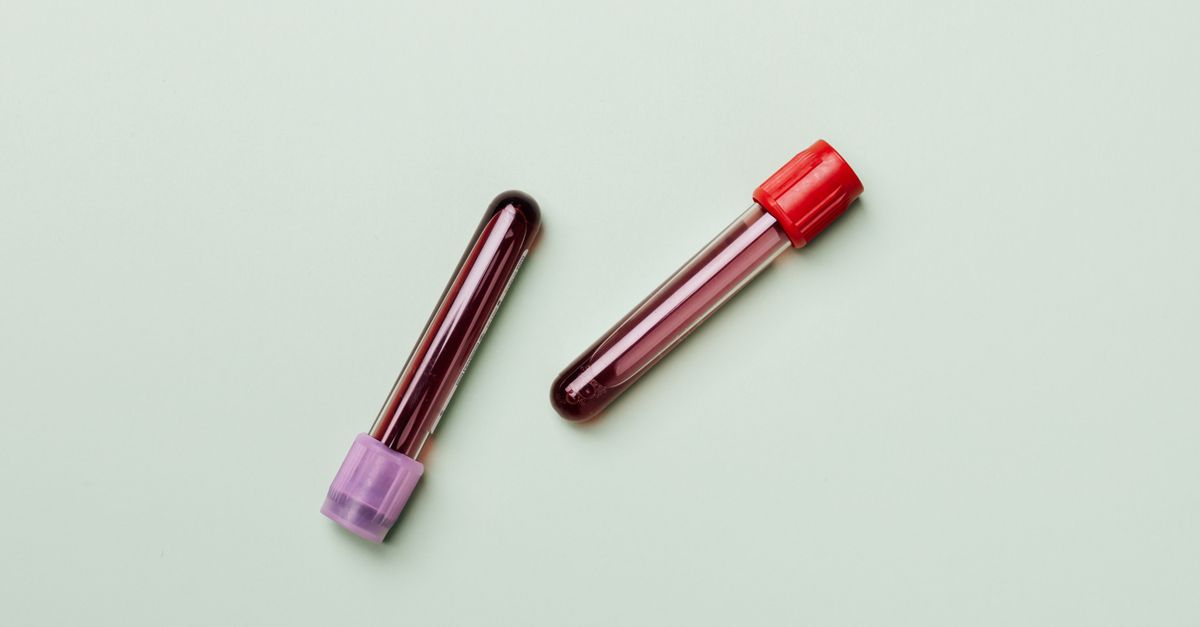
What Causes High Fasting Insulin?
Fasting insulin is measured after at least 8 hours without food and reflects how much insulin your pancreas must secrete to keep blood glucose stable at rest. Optimal fasting insulin typically falls between 2–6 µIU/mL; values above 10 µIU/mL are considered elevated by most functional medicine practitioners, and levels above 20 µIU/mL are clinically significant even when fasting glucose remains normal (Kraft 1975; foundational reference, NIH).
The core mechanism behind high fasting insulin is insulin resistance — a state in which muscle, liver, and fat cells become less responsive to insulin's signaling. The pancreas compensates by producing more insulin to do the same job. Over time, this cycle accelerates, and fasting insulin climbs even as glucose appears normal on a standard panel.
Primary Drivers of Elevated Fasting Insulin
1. Excess visceral adiposity. Visceral fat — the metabolically active fat surrounding abdominal organs — secretes pro-inflammatory cytokines including TNF-α and IL-6 that directly impair insulin receptor signaling. A landmark study in 4,229 participants found that waist circumference independently predicted fasting hyperinsulinemia even after adjusting for BMI (Carr et al., Diabetes Care 2004; PMID: 14747225).
2. Dietary patterns high in refined carbohydrates and fructose. Frequent consumption of rapidly digested carbohydrates triggers repeated large insulin surges. Over months and years, this drives beta-cell upregulation and receptor downregulation. Dietary fructose is particularly problematic: unlike glucose, fructose is metabolized almost exclusively in the liver, promoting de novo lipogenesis, hepatic insulin resistance, and elevated fasting insulin — even at caloric equivalence to glucose (Stanhope et al., Journal of Clinical Investigation 2009; PMID: 19381015).
3. Physical inactivity. Skeletal muscle is the primary site of insulin-mediated glucose uptake, accounting for roughly 80% of postprandial glucose disposal. Sedentary behavior reduces GLUT4 transporter expression in muscle cells, lowering insulin sensitivity and raising the insulin demand required to keep glucose stable at rest (Richter & Hargreaves, Physiological Reviews 2013; PMID: 23589826).
4. Chronic sleep deprivation. Even a single week of sleeping fewer than 6 hours per night has been shown to reduce whole-body insulin sensitivity by up to 25% in healthy adults, driving compensatory fasting hyperinsulinemia (Spiegel et al., Sleep 2005; PMID: 16173651).
5. Chronic psychological stress and elevated cortisol. Cortisol is a glucocorticoid that mobilizes glucose from liver glycogen stores and suppresses peripheral insulin signaling. Sustained cortisol elevation — driven by work stress, anxiety, or HPA-axis dysregulation — creates a persistent glucose and insulin burden. This is a key reason that adrenal health and metabolic function are deeply linked.
6. Subclinical hypothyroidism. Thyroid hormones regulate basal metabolic rate and directly influence insulin receptor sensitivity. Low-normal or subclinical hypothyroidism is an underappreciated cause of elevated fasting insulin in women particularly, as it slows glucose uptake and clearance.
7. Gut dysbiosis. Emerging evidence shows that an imbalanced gut microbiome increases intestinal permeability, elevates lipopolysaccharide (LPS) levels in circulation, and triggers low-grade systemic inflammation — all of which impair insulin signaling at the receptor level.
---
What Causes Fasting Insulin to Be Out of Range?
Beyond the primary drivers above, several clinical and subclinical factors can push fasting insulin outside the optimal window without obvious symptoms:
- Polycystic ovary syndrome (PCOS): Insulin resistance is present in up to 70% of women with PCOS and is frequently the upstream driver of androgen excess, not just a downstream complication.
- Non-alcoholic fatty liver disease (NAFLD): Hepatic fat accumulation directly disrupts insulin clearance by the liver, causing systemic hyperinsulinemia even when peripheral sensitivity is relatively intact.
- Medications: Certain antipsychotics, corticosteroids, and some antihypertensives (particularly older beta-blockers) raise fasting insulin as a side effect.
- Magnesium deficiency: Magnesium is a cofactor for over 300 enzymatic reactions, including those governing insulin receptor phosphorylation. Population studies consistently link lower dietary magnesium intake to higher fasting insulin and greater risk of type 2 diabetes (Guerrero-Romero & Rodríguez-Morán, Magnesium Research 2011; PMID: 21829988).
- Vitamin D insufficiency: Vitamin D receptors are expressed on pancreatic beta cells and immune cells. Insufficiency correlates with impaired insulin secretion and increased insulin resistance in cross-sectional data.
Understanding which of these factors applies to your physiology is why a comprehensive lab panel — including fasting insulin, fasting glucose, HbA1c, HOMA-IR, triglycerides, and relevant micronutrients — offers dramatically more clinical information than glucose alone.
---
What Causes High Fasting Glucose?
High fasting glucose and high fasting insulin tell different parts of the same story. Early metabolic dysfunction typically follows this trajectory:
| Stage | Fasting Insulin | Fasting Glucose | Interpretation |
|---|---|---|---|
| Optimal | 2–6 µIU/mL | 70–85 mg/dL | Healthy insulin sensitivity |
| Early IR | 7–15 µIU/mL | 85–99 mg/dL | Compensated resistance |
| Intermediate IR | 15–25 µIU/mL | 100–109 mg/dL | Prediabetic range |
| Advanced IR | >25 µIU/mL | ≥110 mg/dL | Beta-cell stress, frank prediabetes |
| Beta-cell exhaustion | Falling insulin | ≥126 mg/dL | Type 2 diabetes onset |
Fasting glucose rises when the pancreas can no longer compensate with sufficient insulin output — or when the liver overproduces glucose overnight despite adequate circulating insulin (hepatic insulin resistance). This explains why some people with type 2 diabetes eventually have low fasting insulin despite severe metabolic disease: the beta cells have been exhausted by years of overproduction.
High fasting glucose can also stem from the dawn phenomenon — a normal early-morning cortisol and growth hormone surge that raises blood glucose in preparation for waking. In insulin-resistant individuals, this surge is exaggerated and poorly buffered, leading to elevated fasting readings even after a low-carbohydrate dinner.
---
Is High Fasting Insulin Dangerous?
Yes — and it is dangerous well before glucose becomes abnormal. Chronic hyperinsulinemia has independent associations with:
- Cardiovascular disease: Insulin stimulates vascular smooth muscle proliferation and promotes endothelial dysfunction. The Atherosclerosis Risk in Communities (ARIC) study found that elevated fasting insulin was an independent predictor of coronary heart disease events after adjusting for traditional risk factors.
- Certain cancers: Insulin and IGF-1 signaling are potent cellular growth promoters. Epidemiological evidence links hyperinsulinemia to elevated risk of colorectal, breast, and endometrial cancers (Giovannucci 1995; foundational reference, NIH).
- Cognitive decline: Insulin resistance in the brain — sometimes called "type 3 diabetes" — impairs neuronal glucose metabolism and is linked to amyloid accumulation and Alzheimer's disease risk.
- Hormonal disruption: Excess insulin suppresses sex hormone-binding globulin (SHBG), raising free testosterone in women (promoting PCOS symptoms) and potentially lowering testosterone quality in men.
- Accelerated aging: Hyperinsulinemia activates mTOR and suppresses autophagy — two pathways central to cellular aging and senescence.
The good news: fasting insulin is highly responsive to lifestyle and targeted supplementation. The elevation is rarely permanent, and catching it early — before glucose is affected — represents one of the highest-leverage windows in preventive medicine.
---
What Supplements Lower Fasting Insulin?
Several clinically studied nutrients have demonstrated meaningful effects on fasting insulin and insulin sensitivity. The strongest evidence supports:
Berberine
Berberine is an alkaloid found in goldenseal and barberry that activates AMPK — the same enzyme pathway activated by metformin. A meta-analysis of 14 randomized controlled trials found that berberine significantly reduced fasting insulin (mean reduction ~2.1 µIU/mL) and HOMA-IR compared to placebo, with comparable glycemic effects to metformin in some head-to-head trials (Dong et al., Evidence-Based Complementary and Alternative Medicine 2012; PMID: 23118793). Clinical doses typically range from 900–1500 mg/day divided across meals.
Magnesium
As noted above, magnesium deficiency is directly linked to insulin resistance. Supplementation with magnesium in insulin-resistant, magnesium-deficient adults has been shown to reduce fasting insulin and HOMA-IR scores significantly over 16 weeks (Guerrero-Romero & Rodríguez-Morán, 2011; PMID: 21829988). Highly bioavailable forms such as magnesium glycinate are preferred over oxide, which has poor absorption.
Omega-3 Fatty Acids (EPA/DHA)
Omega-3s reduce hepatic triglyceride accumulation, lower systemic inflammation (both TNF-α and IL-6), and improve adiponectin levels — all mechanisms relevant to fasting insulin reduction. Omega-3 supplementation for metabolic health is supported by extensive mechanistic and clinical data. Effective doses for metabolic benefit generally exceed 2g EPA+DHA daily.
Vitamin D3
Vitamin D insufficiency impairs insulin secretion and peripheral insulin sensitivity. Supplementation in deficient individuals has produced modest but meaningful improvements in insulin resistance markers, particularly in those with baseline 25(OH)D levels below 20 ng/mL.
Alpha-Lipoic Acid (ALA)
ALA is a mitochondrial antioxidant that improves insulin-stimulated glucose uptake in muscle by upregulating GLUT4 translocation. Studies using 600–1200 mg/day have shown reductions in fasting insulin and improved insulin sensitivity in overweight and pre-diabetic subjects.
Chromium
Chromium potentiates insulin receptor signaling by facilitating the action of chromodulin, a molecule that enhances insulin binding. While evidence is moderate, chromium picolinate at 200–1000 mcg/day has shown reductions in fasting insulin in several controlled trials.
Lifestyle remains primary. No supplement replaces the insulin-sensitizing effects of:
- Resistance training 3–4x/week (raises GLUT4 expression)
- Zone 2 aerobic exercise (improves mitochondrial density and fat oxidation)
- Time-restricted eating or carbohydrate periodization
- 7–9 hours of quality sleep per night
- Stress reduction practices (lowers baseline cortisol)
For a deeper look at how blood sugar and metabolic biomarkers connect across your lab panel, understanding the interplay between triglycerides, HDL, fasting insulin, and HOMA-IR is essential.
---
What This Means for Your Formula
At Ones, the AI health practitioner evaluates fasting insulin alongside fasting glucose, HbA1c, triglycerides, and micronutrient markers from your uploaded lab work and wearable data. If your results point to insulin resistance or elevated fasting insulin, the formula may prioritize:
- Magnesium Complex — Ones' proprietary Magnesium Complex delivers magnesium in highly bioavailable forms, addressing a deficiency that is mechanistically central to insulin receptor function and GLUT4 signaling. This is particularly relevant for individuals whose panels show low red blood cell (RBC) magnesium or who report poor sleep and muscle cramps alongside elevated insulin.
- Omega-3 (EPA/DHA) — Ones includes pharmaceutical-grade omega-3 dosed to deliver clinically meaningful EPA+DHA levels. For individuals with elevated triglycerides alongside high fasting insulin — a common metabolic cluster — omega-3 addresses both arms of the problem through hepatic fat reduction and anti-inflammatory pathways.
- Liver Support (proprietary System Blend) — Hepatic insulin resistance is a key driver of fasting hyperinsulinemia, and Ones' Liver Support blend targets hepatocyte function and detoxification pathways that directly influence how efficiently the liver clears and responds to insulin. This is especially relevant for individuals with NAFLD risk factors or elevated liver enzymes.
Formulas are calibrated to either a 6- or 9-capsule daily plan based on your findings — the AI determines the appropriate plan based on the number and severity of findings identified, so the formula is always matched to your actual metabolic picture rather than a generic template.
---
Key Takeaways
- High fasting insulin precedes high fasting glucose by years and is one of the most actionable early markers of metabolic dysfunction — yet it is rarely tested on standard panels.
- The primary causes include visceral fat, high-refined-carbohydrate diets, sedentary behavior, poor sleep, chronic stress, and micronutrient deficiencies (especially magnesium and vitamin D).
- Fasting glucose rises later in the disease process, when beta-cell compensation fails — making early insulin testing far more valuable for intervention.
- Chronic hyperinsulinemia is independently dangerous, linked to cardiovascular disease, certain cancers, cognitive decline, hormonal disruption, and accelerated aging.
- Berberine, magnesium, omega-3s, vitamin D, and ALA have the strongest evidence base for lowering fasting insulin, and work best alongside resistance training, sleep optimization, and dietary carbohydrate quality improvements.
- Personalized lab analysis — including fasting insulin, HOMA-IR, and micronutrient status — is the most efficient way to identify which root causes are driving your specific pattern and to build a targeted intervention plan.