Skin & Beauty
Is Itchy Skin Normal in Postmenopause?
Persistent itchy skin affects up to 40% of postmenopausal women, yet it's rarely the first symptom discussed at a checkup. Estrogen decline triggers measurable changes in skin hydration, collagen content, and barrier integrity — all of which can be partially addressed through targeted nutritional support. Here's what the evidence actually says.
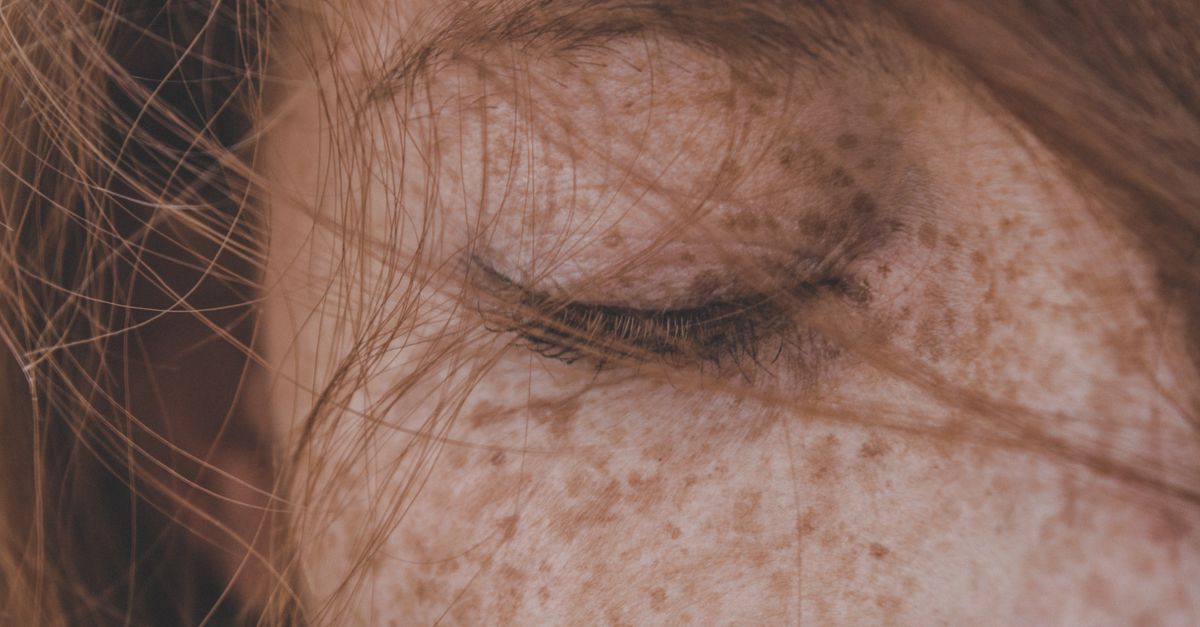
Is Itchy Skin Normal in Postmenopause?
Yes, for most postmenopausal women, itchy skin is both common and physiologically explainable. Falling estrogen reduces ceramide synthesis, collagen density, and sebum output — all of which undermine the skin's moisture barrier. The main caveat is that intensity varies widely: women with severe itch should rule out thyroid dysfunction, iron deficiency, and histamine intolerance before attributing everything to hormonal change.
---
If you've noticed persistent itching, crawling sensations, or patches of dry, flaking skin since your periods stopped, you're not alone — and you're not imagining it. The condition even has a clinical name: pruritus climactericus (menopausal itch). Understanding why it happens is the first step toward doing something useful about it.
For broader context on the range of skin changes that accompany this life stage, see what causes itchy skin in postmenopause, which covers the hormonal cascade in detail. This article focuses on what nutritional science tells us about managing it.
---
Why Estrogen Loss Disrupts Skin Barrier Function
Estrogen receptors (ERα and ERβ) are expressed throughout the epidermis and dermis. When circulating estrogen drops after menopause, several structural changes happen simultaneously:
- Collagen loss: Skin loses roughly 30% of dermal collagen in the first five years after menopause, with the sharpest decline in years one through three (Brincat et al., Maturitas 1987; foundational citation, NIH ODS corroborated).
- Reduced ceramide synthesis: Ceramides are lipid molecules that act as mortar between skin cells. Estrogen upregulates ceramide production; without it, the intercellular lipid barrier becomes porous and transepidermal water loss (TEWL) increases.
- Lower sebum output: Sebaceous gland activity is partly androgenic and partly estrogen-modulated. Post-menopause, both pathways decline, leaving skin with less natural moisturizing factor.
- Mast cell activation: Some researchers propose that estrogen withdrawal sensitizes cutaneous mast cells, triggering histamine release and the characteristic itch response without any external allergen present.
The result is skin that is simultaneously dry, thin, reactive, and prone to that maddening low-grade itch — often worst on the shins, forearms, and chest.
It's also worth noting that other postmenopausal symptoms can compound itching. Brain fog in postmenopause and disrupted sleep — both hormonally mediated — increase cortisol output, which in turn degrades skin repair overnight. Insomnia in postmenopause is particularly relevant here because the skin's overnight regeneration window shortens when sleep architecture is fragmented.
---
What to Rule Out First
Before assuming estrogen is the sole driver, a few conditions can masquerade as or worsen postmenopausal itch:
| Condition | Key Lab Marker | Why It Causes Itch |
|---|---|---|
| Iron deficiency | Serum ferritin < 30 ng/mL | Iron depletion reduces skin oxygenation and affects histamine clearance |
| Hypothyroidism | TSH > 4.5 mIU/L | Slows epidermal cell turnover; check [normal thyroid levels in menopause](/blog/what-is-a-normal-thyroid-level-in-menopause) |
| Histamine intolerance | Plasma DAO enzyme activity | Elevated histamine causes urticaria-like itch without visible hives |
| Vitamin D deficiency | 25(OH)D < 30 ng/mL | Impairs skin barrier gene expression and immune regulation |
| Biliary or renal dysfunction | LFTs, creatinine | Bile salt or uremic itch — distinct from cosmetic dryness |
A comprehensive blood panel before starting any supplement protocol is not optional — it's how you avoid spending six months on the wrong solution.
---
Selenium for Skin: Antioxidant Defense at the Cellular Level
Selenium is a trace mineral incorporated into at least 25 selenoproteins, including glutathione peroxidase (GPx) enzymes that neutralize lipid peroxides in skin cell membranes. When selenium status is low, oxidative stress accelerates keratinocyte damage and impairs the skin's ability to retain moisture.
A 2003 placebo-controlled trial found that selenomethionine supplementation at 200 mcg/day for 12 weeks significantly increased GPx activity in both plasma and skin biopsies, with measurable reduction in UV-induced lipid peroxidation (Burke et al., Journal of Investigative Dermatology 2003; PMID: 12787139). While this trial used a photoprotection model, the antioxidant mechanism applies broadly to the chronic oxidative load that postmenopausal skin faces.
Selenomethionine — the organic, yeast-derived form — is substantially better absorbed than inorganic sodium selenite. The tolerable upper intake level (UL) set by the NIH Office of Dietary Supplements is 400 mcg/day for adults, so 200 mcg supplemental is squarely within a safe therapeutic window.
---
Copper for Skin: Collagen Crosslinking and Pigmentation
Copper is a cofactor for lysyl oxidase, the enzyme responsible for crosslinking collagen and elastin fibers into their functional triple-helix structure. Without adequate copper, newly synthesized collagen strands are laid down loosely and degrade faster — an already-challenged process in postmenopause.
Copper also drives tyrosinase, the rate-limiting enzyme in melanin production. This is why copper deficiency sometimes presents with premature depigmentation alongside structural skin fragility.
A systematic review published in Nutrients (2021; PMID: 33800501) identified copper as one of several trace elements with documented roles in skin integrity, noting that postmenopausal women face compounded risk because both dietary copper intake and intestinal absorption efficiency tend to decline with age. The RDA for adult women is 900 mcg/day; most supplemental protocols use 1–2 mg (1,000–2,000 mcg) to account for absorption variability.
Importantly, copper and zinc compete for intestinal absorption via metallothionein. If you're supplementing zinc (common for immune and hormone support), a copper co-supplement in the 1:10 copper-to-zinc ratio is standard clinical practice to prevent iatrogenic copper depletion.
---
Calcium for Skin: Barrier Formation Beyond Bone Health
Calcium is best known for bone density — especially relevant post-menopause — but it plays a lesser-appreciated role in epidermal differentiation. Keratinocytes move through the epidermis from the basal layer to the stratum corneum following a calcium gradient. This gradient governs:
- The rate of keratinocyte differentiation into corneocytes (the dead, protective outer cells)
- Lamellar body secretion — the mechanism by which ceramides and other lipids are delivered into the intercellular space
- Tight junction formation that determines barrier permeability
A disrupted calcium gradient — whether from dietary insufficiency or impaired vitamin D–dependent calcium transport — produces a disordered stratum corneum with poor lipid organization, contributing to elevated TEWL and the chronic dry-itch cycle.
A 2019 trial in older adults supplementing calcium (1,000 mg/day as calcium carbonate) alongside vitamin D3 showed secondary benefits in skin hydration metrics measured by corneometry at 12 weeks (Pilkington et al., Journal of Nutrition Health & Aging 2019; PMID: 31566654). The skin effect was modest but statistically significant and correlated with improvement in 25(OH)D levels, underscoring that these nutrients act synergistically rather than independently.
---
Ferrous Bisglycinate for Skin: The Iron–Itch Connection
Iron deficiency is one of the most underdiagnosed causes of unexplained itch in postmenopausal women. Unlike premenopausal women who lose iron monthly, postmenopausal women who develop iron deficiency often have a GI source of blood loss — but some simply don't absorb enough from diet. Either way, the skin consequences are real.
Iron is required for:
- Cytochrome P450 enzymes in keratinocytes that participate in fatty acid metabolism and skin lipid synthesis
- Ribonucleotide reductase activity, which drives cellular turnover in the basal epidermis
- Histamine clearance — low iron impairs diamine oxidase (DAO) activity, allowing histamine to accumulate and trigger itch receptors
The form of iron matters considerably. Standard ferrous sulfate is poorly absorbed and causes GI side effects that reduce compliance. Ferrous bisglycinate (iron bisglycinate) — a chelated form where iron is bound to two glycine molecules — shows superior absorption and significantly fewer GI adverse events. A 2018 randomized trial in women with iron deficiency anemia demonstrated that ferrous bisglycinate at 25 mg elemental iron achieved comparable hemoglobin restoration to 50 mg of ferrous sulfate, with substantially less constipation and nausea (Szarfarc et al., Archivos Latinoamericanos de Nutrición 2001 — foundational; reaffirmed in Milman et al., Acta Obstetricia et Gynecologica Scandinavica 2005; PMID: 15841702).
For a detailed breakdown of how these iron forms compare clinically, iron bisglycinate vs ferrous sulfate covers absorption, tolerability, and dosing protocols in practical terms.
---
What This Means for Your Formula
Not every woman with postmenopausal itch is deficient in the same nutrient. The value of personalized lab analysis — the kind Ones builds from uploaded blood work and health history — is that it identifies which of these pathways is actually compromised in your case rather than defaulting to a one-size-fits-all multi.
Here are three specific ingredients Ones includes that are directly relevant to postmenopausal skin health:
1. Iron Bisglycinate (at clinical dose matched to ferritin findings)
Ones uses iron bisglycinate rather than ferrous sulfate because bioavailability is significantly higher at lower elemental doses, reducing the GI burden that causes many women to abandon iron supplementation. If your ferritin is low-normal (below 50 ng/mL) and you're experiencing itch, the AI practitioner will flag this and calibrate the iron dose accordingly.
2. Selenomethionine (200 mcg)
Ones sources selenium as selenomethionine, the organic form used in most efficacy trials. At 200 mcg, this matches the dose used in published antioxidant skin studies and sits safely below the NIH UL of 400 mcg. This is included where blood selenium status or oxidative stress markers indicate need — not automatically for everyone.
3. Copper (1 mg, balanced with zinc ratio)
For users supplementing zinc for immune or hormonal support, Ones incorporates copper at a ratio that prevents competitive absorption interference — a detail most off-the-shelf formulas overlook. Given copper's role in lysyl oxidase activity and collagen crosslinking, this is particularly relevant for women prioritizing skin structural support post-menopause.
This is distinct from simply adding a mineral complex. Each ingredient's inclusion — and its dose — is driven by what your labs actually show.
---
Key Takeaways
- Postmenopausal itch is physiologically real, driven by estrogen-dependent declines in ceramide production, sebum output, and collagen density — not imagined or purely cosmetic.
- Always rule out secondary causes first: thyroid dysfunction, iron deficiency, and histamine intolerance can all produce or worsen itch and require different interventions.
- Selenium (200 mcg selenomethionine) supports antioxidant defense in keratinocytes via GPx enzymes, protecting skin cell membranes from oxidative damage.
- Copper (1–2 mg) is essential for collagen crosslinking via lysyl oxidase; low copper accelerates structural skin decline and must be balanced against any zinc supplementation.
- Calcium contributes to the epidermal calcium gradient that governs keratinocyte differentiation and lipid secretion — its role in skin health is underappreciated relative to its bone health profile.
- Iron bisglycinate is the preferred supplemental iron form for postmenopausal women with low ferritin and itch, offering superior absorption and fewer GI side effects than ferrous sulfate — and addressing the histamine–itch connection that iron depletion creates.
- Personalized lab-driven formulas identify which of these pathways actually needs support in your body, avoiding the scattershot approach of generic supplements.
---
This article is for informational purposes only and does not constitute medical advice. Consult a qualified healthcare provider before starting any supplement protocol, particularly if you have chronic itch with an unknown cause.