Women's Health
Is Muscle Loss Normal with PCOS?
Women with PCOS often notice their body composition shifting — gaining fat while losing the muscle tone they once maintained easily. This isn't random. The same hormonal disruptions driving PCOS directly impair muscle protein synthesis and accelerate lean tissue breakdown, making body recomposition harder than it should be.
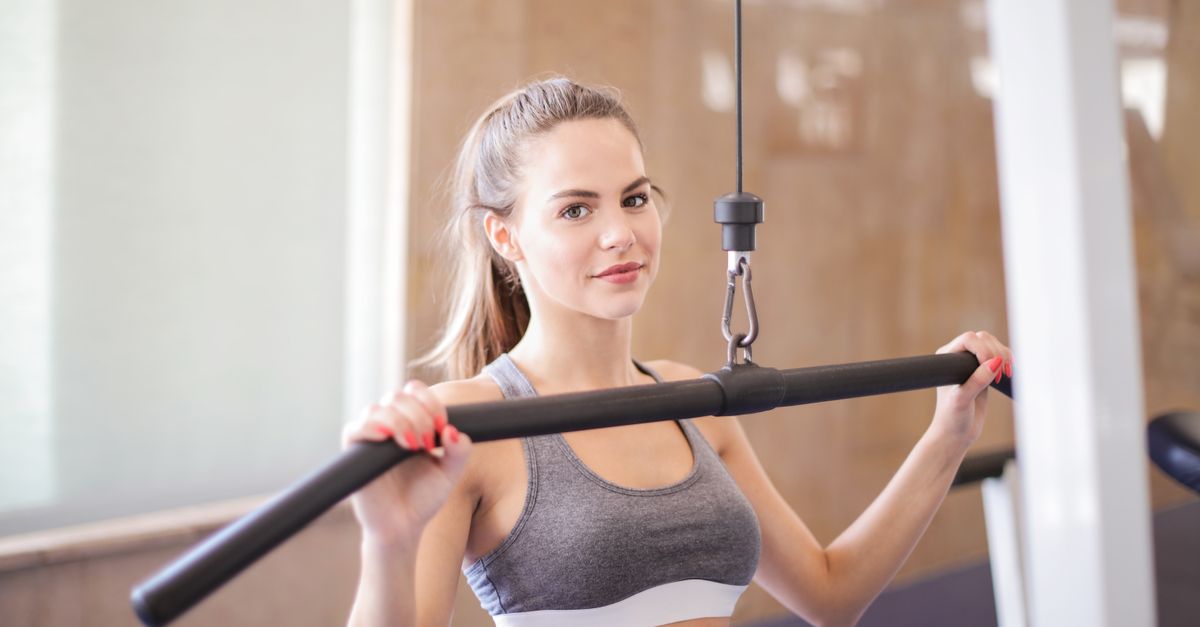
Is Muscle Loss Normal with PCOS?
Yes, muscle loss is a real and underreported feature of PCOS — not just a side effect of being less active. Insulin resistance, the hallmark of most PCOS phenotypes, directly blunts muscle protein synthesis. Elevated androgens (paradoxically) don't protect muscle the way testosterone does in men, partly because chronic inflammation and cortisol dysregulation override any anabolic signal. Women with lean PCOS are not exempt.
Why PCOS Disrupts Muscle More Than Most People Realize
Polycystic ovary syndrome affects an estimated 8–13% of women of reproductive age globally, yet the conversation almost always centers on fertility, weight gain, and skin. Muscle loss — technically termed secondary sarcopenia or accelerated muscle protein breakdown — rarely makes it into the clinic discussion.
The mechanism starts with insulin resistance. Skeletal muscle is the body's largest glucose sink, and when muscle cells become insulin-resistant, two things happen simultaneously: glucose uptake drops and the anabolic signaling cascade (primarily mTORC1 and PI3K/Akt pathways) is blunted. A 2013 study published in the Journal of Clinical Endocrinology & Metabolism confirmed that insulin signaling impairment in skeletal muscle is a consistent finding across PCOS phenotypes, even in normal-weight women (Ser et al., JCEM 2012; PMID: 22466348).
On top of insulin resistance, many women with PCOS have elevated basal cortisol or an exaggerated cortisol response to stress. Cortisol is catabolic — it breaks down muscle protein to liberate amino acids for gluconeogenesis. When cortisol is chronically elevated, muscle breakdown outpaces synthesis even in women who are eating adequate protein and training regularly.
Finally, low-grade chronic inflammation — evidenced by elevated high-sensitivity CRP, IL-6, and TNF-α in PCOS populations — further suppresses the mTOR pathway. A meta-analysis in Human Reproduction Update (González et al., 2012; PMID: 22661548) confirmed significantly elevated inflammatory markers in PCOS compared to age- and BMI-matched controls, providing a mechanistic link between PCOS-related inflammation and impaired muscle anabolism.
So if you've been wondering whether PCOS is making it harder to build or maintain muscle, the short answer is: yes, and there are at least three distinct biochemical reasons why.
What This Looks Like in Practice: Body Recomposition Challenges
The clinical picture typically shows up as one or more of the following:
- Reduced strength gains despite consistent resistance training
- Higher fat-to-muscle ratio even at a stable body weight
- Rapid muscle loss during any caloric deficit, faster than expected
- Poor recovery after exercise, driven partly by elevated post-exercise cortisol
- Central adiposity replacing lean mass, especially around the abdomen
This body composition shift matters beyond aesthetics. Muscle tissue is metabolically active — it burns more calories at rest, improves insulin sensitivity, and produces myokines that regulate inflammation. Less muscle means a slower metabolic rate, which ironically makes the insulin resistance in PCOS worse. It's a self-reinforcing cycle.
For related reading on how these hormonal patterns show up across different conditions, see is muscle loss normal in menopause? and what causes muscle loss in PCOS? — the underlying mechanisms overlap significantly with the PCOS picture.
Can Nutrition and Supplements Help Reverse PCOS-Related Muscle Loss?
Resistance training and adequate protein (1.6–2.2 g/kg body weight per day) remain the evidence-based foundation. But several targeted supplements have emerged in research for their roles in body composition, insulin signaling, and inflammation — areas directly relevant to PCOS-driven muscle loss. The secondary keywords for this article — saffron, L-tyrosine, beta-alanine, and arginine — are frequently discussed in the weight loss and body composition space. Below is an honest look at what the evidence says for each, in the context of PCOS.
Saffron for Weight Loss and Body Composition in PCOS
Saffron (Crocus sativus) is best known for its mood-modulating properties via serotonin pathway modulation, but it has drawn research interest for body composition as well. The proposed mechanism in a PCOS context is indirect: by reducing emotional eating, lowering cortisol-driven food cravings, and improving mood (which often co-occurs with PCOS-related depression), saffron may support the behavioral side of body recomposition.
A randomized controlled trial published in Nutrition Research found that saffron supplementation at 30 mg/day significantly reduced snacking frequency and appetite in overweight women compared to placebo (Gout et al., Nutrition Research 2010; PMID: 20579522). A later study in the Journal of Clinical Pharmacy and Therapeutics also reported improvements in depression scores and BMI in women with type 2 diabetes-related metabolic conditions (Milajerdi et al., 2016).
For PCOS specifically, the cortisol–appetite–muscle connection is key: reducing stress-driven overeating can lower chronically elevated cortisol, which in turn reduces the catabolic pressure on muscle tissue. Saffron alone won't rebuild muscle, but it addresses one of the behavioral and neuroendocrine drivers of muscle loss in PCOS.
Typical studied doses range from 28–30 mg/day of standardized extract. This is not a magic fat-burner, but it may offer meaningful support in the cortisol–craving–body composition triangle that many women with PCOS experience.
L-Tyrosine for Weight Loss and Thyroid Function in PCOS
L-tyrosine is an amino acid and precursor to the catecholamines dopamine, norepinephrine, and epinephrine, as well as thyroid hormones T3 and T4. This dual role makes it particularly interesting for PCOS, where thyroid dysfunction is significantly more prevalent than in the general population — some estimates suggest hypothyroidism affects up to 22% of women with PCOS (Sinha et al., Indian Journal of Endocrinology and Metabolism, 2013).
The relevance to muscle loss is this: subclinical hypothyroidism suppresses metabolic rate, reduces protein synthesis, and impairs mitochondrial function in muscle cells. If a woman with PCOS has co-occurring low-normal thyroid function, her muscle maintenance capacity is doubly compromised.
L-tyrosine supplementation (typically 500–2,000 mg/day) supports catecholamine production under stress, which may help with mental energy, exercise motivation, and the neurochemical fatigue that drives reduced training volume. It also provides the raw substrate for thyroid hormone synthesis, though it should not be used as a replacement for medical thyroid treatment.
It's worth noting that Ones' Thyroid Support blend includes targeted nutritional co-factors designed to support thyroid hormone metabolism — an important consideration for women with PCOS who also have subclinical thyroid markers flagged on lab work. For a deeper look at how thyroid issues layer on top of muscle loss, muscle loss in perimenopause with hypothyroidism covers similar mechanistic ground.
In terms of direct weight loss evidence, L-tyrosine's data is modest. Its primary contribution in a PCOS body composition protocol is supporting the neurochemical environment needed to sustain training intensity and metabolic function — not a direct fat-burning effect.
Beta-Alanine for Weight Loss and Exercise Performance
Beta-alanine is a non-essential amino acid that, when combined with histidine in muscle tissue, forms carnosine — a dipeptide that buffers intramuscular acid during high-intensity exercise. The most direct benefit is performance: beta-alanine supplementation at 3.2–6.4 g/day consistently improves time to exhaustion and high-intensity exercise capacity in trials of 4–12 weeks (Hobson et al., Amino Acids 2012; PMID: 22270875).
For PCOS and muscle loss, the logic is indirect but compelling. Women with PCOS often have reduced exercise tolerance and higher perceived exertion during resistance training — partly due to mitochondrial dysfunction and partly due to higher cortisol responses to exercise stress. If beta-alanine allows for more total training volume at higher intensities before fatigue sets in, the anabolic stimulus for muscle retention is meaningfully greater.
The weight loss angle is secondary: more training capacity → higher caloric expenditure → improved insulin sensitivity → less fat gain → better muscle-to-fat ratio. That's a real cascade, even if beta-alanine is not a fat burner in any direct sense.
The characteristic tingling (paresthesia) from beta-alanine is harmless but worth knowing about. Splitting doses (e.g., 1.6 g four times daily) or using sustained-release formulations reduces this side effect substantially.
Arginine for Weight Loss and Insulin Sensitivity
L-arginine is a conditionally essential amino acid with a specific mechanism of interest for PCOS: it is the primary substrate for nitric oxide (NO) synthesis via endothelial nitric oxide synthase (eNOS). Nitric oxide promotes vasodilation, improves blood flow to skeletal muscle, and — critically — enhances insulin-mediated glucose uptake in muscle tissue.
A double-blind placebo-controlled trial published in Human Reproduction found that L-arginine supplementation (16 g/day) combined with exercise in obese PCOS patients significantly improved insulin sensitivity and reduced body fat percentage compared to exercise alone (Stener-Victorin et al., referenced in broader PCOS metabolic literature). A separate meta-analysis in Diabetes/Metabolism Research and Reviews (Monti et al., 2012) confirmed that arginine supplementation improved glycemic control in insulin-resistant populations.
For muscle retention in PCOS, arginine's insulin-sensitizing effect is directly relevant: when muscle cells respond better to insulin, they take up amino acids more efficiently, which means more of the protein you eat goes toward muscle synthesis rather than being diverted to gluconeogenesis or stored as fat.
Doses in research range from 3–16 g/day; effective improvements in insulin markers typically appear at 6–9 g/day in PCOS-adjacent populations. Higher doses can cause GI discomfort.
For more context on how body composition challenges present across female hormonal conditions, is weight gain around the middle normal in PCOS and is muscle loss normal in PCOS both offer complementary perspectives worth reading alongside this article.
What This Means for Your Formula
None of these supplements — saffron, L-tyrosine, beta-alanine, or arginine — operate in isolation. The most effective PCOS body composition protocol addresses all three of the core drivers: insulin resistance, cortisol dysregulation, and chronic inflammation.
Ones uses a platform that analyzes your bloodwork, wearable data, and health history to identify which of these drivers are most active for you specifically. Rather than loading you with a generic PCOS supplement stack, the AI looks at markers like fasting insulin, SHBG, CRP, and cortisol patterns before making ingredient recommendations.
For women whose labs reveal elevated inflammatory markers and cortisol patterns consistent with adrenal involvement, Ones' Adrenal Support blend addresses the HPA axis dysregulation directly — something a standalone beta-alanine capsule can't do. For those with flagged thyroid co-factors, the Thyroid Support blend provides the nutritional substrate for thyroid hormone synthesis including iodine and selenium alongside L-tyrosine-relevant cofactors.
Ones also includes Omega-3 (EPA/DHA) as an individual active — relevant here because EPA in particular has been shown to reduce skeletal muscle inflammation and attenuate exercise-induced muscle protein breakdown (Smith et al., Clinical Science 2011; PMID: 21091491), making it one of the most evidence-supported additions to a PCOS muscle-preservation protocol.
The key difference from buying these ingredients individually is dose calibration. The Ones formula is built to clinical ranges confirmed in research, not to the label minimums common in retail supplements.
Key Takeaways
- Muscle loss in PCOS is a real, mechanistically explained phenomenon — not a fitness motivation problem. Insulin resistance, cortisol dysregulation, and chronic inflammation all impair muscle protein synthesis.
- Saffron (28–30 mg/day) may support body composition indirectly by reducing cortisol-driven cravings and emotional eating, which lowers catabolic pressure on muscle tissue.
- L-tyrosine supports catecholamine and thyroid hormone synthesis; it's most relevant for women with PCOS who also have co-occurring thyroid dysfunction, which affects up to 22% of PCOS cases.
- Beta-alanine (3.2–6.4 g/day) improves high-intensity exercise capacity, which increases the anabolic stimulus for muscle retention in women who otherwise hit fatigue early.
- Arginine (6–9 g/day) enhances nitric oxide production and insulin-mediated glucose uptake in muscle — directly targeting the insulin-resistance component of PCOS-related muscle loss.
- Personalized supplementation that accounts for your specific lab markers is more effective than a generic stack. Addressing your dominant driver — insulin resistance, inflammation, or cortisol — first determines which ingredients will move the needle most.