Women's Health
Is Muscle Loss Normal in PCOS?
Women with PCOS often notice their body composition shifting — less muscle, more fat — even when they're exercising regularly. This isn't just bad luck. The hormonal and metabolic environment of PCOS actively undermines muscle maintenance, and understanding why is the first step to pushing back.
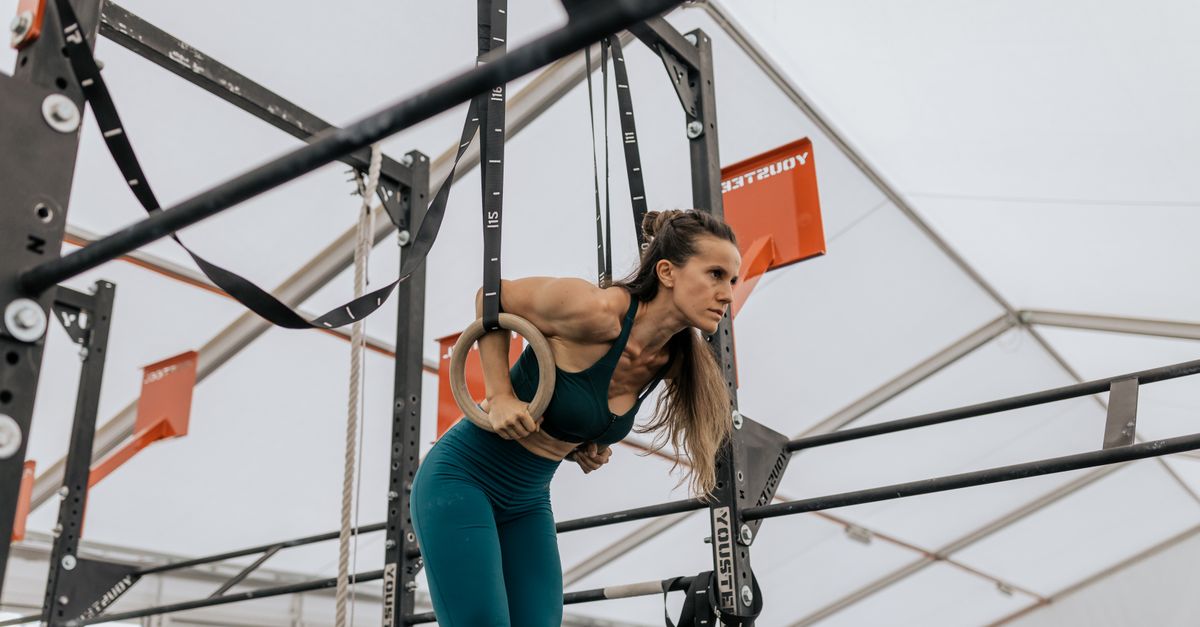
Is Muscle Loss Normal in PCOS?
Yes, muscle loss is a recognized pattern in PCOS — but it's not inevitable. Insulin resistance, elevated androgens, and chronically disrupted cortisol signaling all impair muscle protein synthesis, meaning women with PCOS often lose lean mass faster than their peers even at the same activity level. The exception: women whose PCOS is primarily driven by elevated androgens without significant insulin resistance tend to retain more muscle mass, and may even show above-average lean tissue.
---
Why PCOS Disrupts Muscle Maintenance
Skeletal muscle is metabolically expensive tissue. Your body builds and preserves it only when anabolic signals — primarily insulin, IGF-1, and sex hormones — outweigh catabolic ones. PCOS throws this balance off in at least three overlapping ways.
Insulin resistance. The majority of women with PCOS have some degree of insulin resistance, even those who are lean (Diamanti-Kandarakis & Dunaif, Endocrine Reviews 2012; PMID: 23065984). When muscle cells become insulin-resistant, glucose uptake slows, intramuscular energy availability drops, and the anabolic signaling cascade that insulin normally triggers — including activation of mTOR — is blunted. The result is reduced muscle protein synthesis and accelerated muscle protein breakdown, particularly in slow-twitch oxidative fibers.
Elevated androgens in the wrong form. This is where PCOS becomes counterintuitive. Free testosterone is elevated in most PCOS phenotypes, which sounds like it should help muscle growth — and in some contexts it does. But elevated androgens in PCOS are often accompanied by disproportionately low SHBG (sex hormone-binding globulin), and the androgenic environment does not translate cleanly into the anabolic signaling that regulated testosterone replacement produces. Moreover, adrenal androgens like DHEA-S can be chronically elevated, contributing to a low-grade inflammatory state that accelerates muscle catabolism (Azziz et al., Fertility and Sterility 2009; PMID: 19800603).
Cortisol dysregulation. Many women with PCOS show exaggerated cortisol responses to stress, partly due to adrenal hypersensitivity and partly due to disrupted HPA axis feedback. Cortisol is directly catabolic to muscle: it upregulates ubiquitin-proteasome pathways that tag muscle proteins for degradation. If you are curious whether the fatigue and cognitive symptoms you are experiencing alongside muscle changes are part of the same picture, exploring whether brain fog is normal in PCOS may add useful context.
Sleep disruption. PCOS is associated with higher rates of obstructive sleep apnea and insomnia, and poor sleep independently suppresses overnight growth hormone pulses — the primary driver of overnight muscle repair. Insomnia in PCOS is more than a comfort issue; it is a direct lever on your body composition.
---
PCOS Weight Loss Advice: Why Standard Guidance Often Falls Short
Most generic weight loss advice is calibrated for women with intact insulin sensitivity. For women with PCOS, that standard advice — eat less, move more, create a caloric deficit — can paradoxically worsen body composition by accelerating lean mass loss while making fat loss frustratingly slow.
Here is what the evidence actually supports for PCOS-specific body composition:
- Prioritize resistance training over cardio. A 2011 randomized trial found that resistance training improved insulin sensitivity and preserved lean mass in women with PCOS significantly better than matched-calorie aerobic exercise (Hutchison et al., Journal of Clinical Endocrinology & Metabolism 2011; PMID: 21646373). Three sessions per week of compound lifts appear to be the minimum effective dose.
- Distribute protein deliberately. Aiming for 1.6–2.0 g of protein per kilogram of body weight, spread across at least three meals, maximizes muscle protein synthesis in insulin-resistant individuals. Leucine-rich sources (eggs, chicken, whey, Greek yogurt) are particularly effective at overcoming the blunted insulin signaling.
- Manage the caloric deficit carefully. Deficits exceeding 500 kcal/day in women with PCOS tend to elevate cortisol, suppress thyroid output, and trigger disproportionate muscle loss relative to fat. Slower, structured deficits (250–350 kcal/day) with diet breaks preserve lean mass better.
- Address insulin resistance directly. Inositol (particularly the myo-inositol + D-chiro-inositol 40:1 ratio), berberine, and low-glycemic dietary patterns all improve insulin signaling at the muscle cell level, which is upstream of muscle preservation.
For a broader look at the mechanisms driving lean mass loss in this population, what causes muscle loss in PCOS covers the physiology in detail.
---
Orlistat and Muscle Loss in PCOS
Orlistat (brand name Xenical or Alli) is a pancreatic lipase inhibitor that reduces dietary fat absorption by roughly 30%. It is sometimes prescribed off-label for PCOS-related weight management. From a muscle perspective, the concerns are indirect but real.
Orlistat impairs absorption of fat-soluble vitamins — A, D, E, and K — unless supplementation is timed carefully (at least 2 hours apart from the drug). Vitamin D deficiency is already highly prevalent in PCOS and independently associated with greater insulin resistance and lower muscle quality. Compounding an existing vitamin D shortfall with a fat malabsorption agent can further suppress muscle function, particularly in type II (fast-twitch) muscle fibers, which are especially sensitive to vitamin D receptor signaling (Pojednic & Ceglia, Nutrients 2014; PMID: 24736884).
If you are taking orlistat, your vitamin D status needs active monitoring. Understanding what a normal vitamin D level looks like in PCOS can help you interpret your labs in context rather than against a generic reference range.
Orlistat itself does not appear to directly suppress muscle protein synthesis, but the downstream nutrient depletion pattern it creates — particularly if baseline deficiencies are present — makes lean mass preservation harder without intentional supplementation.
---
Contrave and Muscle Loss
Contrave is a combination of bupropion (an NDRI antidepressant) and naltrexone (an opioid antagonist), approved for chronic weight management. It works centrally, reducing appetite and cravings rather than acting on peripheral metabolism.
From a muscle standpoint, Contrave is relatively neutral compared to other weight-loss medications. Bupropion has mild dopaminergic and noradrenergic activity, which can support motivation and physical activity — both indirectly protective of muscle. However, Contrave-driven weight loss, like all significant caloric restriction, carries the risk of lean mass loss if protein intake and resistance training are not maintained.
The relevant concern for PCOS specifically is bupropion's interaction with cortisol. Noradrenergic agents can elevate sympathetic tone and, in some individuals, raise baseline cortisol — which is already a problem in many PCOS phenotypes. Monitoring how you feel (energy, sleep quality, resting heart rate) while on Contrave can signal whether the adrenal burden is increasing.
---
Phentermine and Muscle Loss
Phentermine is a sympathomimetic amine — essentially a short-term appetite suppressant that drives significant caloric restriction. It is one of the more aggressively studied weight-loss medications, but the research on PCOS specifically is thin.
The muscle loss risk with phentermine is primarily driven by the caloric deficit it produces rather than a direct catabolic mechanism. When someone eats substantially less (which phentermine facilitates by suppressing hunger), and protein intake is not deliberately maintained, the body increasingly draws on muscle amino acids to meet gluconeogenic demands — especially relevant in insulin-resistant women whose glucose metabolism is already impaired.
Phentermine also elevates catecholamines (epinephrine, norepinephrine), which can transiently suppress insulin secretion and further impair the anabolic response to protein intake. For women with PCOS already managing HPA-axis dysregulation, the stimulant load of phentermine warrants discussion with a prescribing clinician.
If medication-assisted weight loss is being considered, any regimen should include a structured protein target and resistance training protocol to minimize lean mass erosion — regardless of which agent is used.
---
What This Means for Your Formula
Supplementation for muscle preservation in PCOS needs to address the root drivers: insulin resistance, inflammation, adrenal burden, and micronutrient gaps — not just add a generic protein powder.
Three ingredients that Ones includes — when supported by a user's labs and health history — are particularly relevant here:
- Zinc (individually dosed): Zinc is required for both insulin receptor function and testosterone bioactivity. Women with PCOS frequently run low, and a 2016 meta-analysis found zinc supplementation meaningfully reduced fasting insulin and improved androgens in PCOS (Foroozanfard et al., Journal of Trace Elements in Medicine and Biology 2016; PMID: 26965706). Ones doses zinc based on lab-confirmed status rather than a fixed universal amount.
- Vitamin D3 + K2 (MK-7): Given the fat-soluble vitamin depletion risk and the prevalence of vitamin D insufficiency in PCOS, this pairing addresses both skeletal muscle function (via VDR-mediated gene expression) and calcium metabolism. Clinical trials support vitamin D3 at 2,000–4,000 IU depending on baseline serum 25(OH)D; Ones calibrates the dose to your actual blood result rather than a one-size-fits-all amount.
- Adrenal Support blend: For women whose PCOS includes clear signs of HPA dysregulation — elevated DHEA-S, disrupted morning cortisol, poor stress resilience — Ones' proprietary Adrenal Support system blend targets the upstream cortisol burden that, left unchecked, directly drives muscle catabolism.
Because Ones reads your blood work and wearable data before building a formula, the output reflects your actual deficiencies rather than a standard PCOS template. A woman with insulin-dominant PCOS and low zinc is not the same as a woman with adrenal-dominant PCOS and normal zinc but suppressed vitamin D — and their formulas should not look the same.
---
Key Takeaways
- Muscle loss in PCOS is common but not inevitable — it is driven by insulin resistance, cortisol dysregulation, sleep disruption, and androgen imbalance, all of which can be addressed.
- Standard weight loss advice often accelerates lean mass loss in PCOS — resistance training and deliberate protein distribution are more protective than generic caloric restriction.
- Weight loss medications like orlistat, Contrave, and phentermine carry indirect muscle risks in PCOS — primarily through nutrient depletion, cortisol elevation, or inadequate protein intake during rapid weight loss.
- Vitamin D, zinc, and adrenal support are among the most evidence-backed nutrient targets for PCOS-related muscle and body composition challenges.
- Lab-guided supplementation matters — population-average doses do not account for the wide metabolic variability between PCOS phenotypes.
- Sleep and stress management are non-negotiable — without addressing overnight GH secretion and cortisol, even optimal nutrition and training will underdeliver.