Supplements
Is Sulforaphane Safe? Doses, Side Effects & Who Should Be Careful
Sulforaphane activates one of the body's most powerful cellular defense systems, yet the supplement aisle version looks very different from the broccoli sprout on your plate. Understanding the real safety profile — including the thyroid caveat and drug interaction data — changes how you use it.
Is Sulforaphane Safe?
For most healthy adults, sulforaphane is safe at doses obtainable from food and at the standardized extract doses used in clinical trials (typically 10–100 mg/day of the glucosinolate precursor). The main caveats are thyroid health — high-dose cruciferous compounds can mildly interfere with iodine uptake — and GI sensitivity. People with hypothyroidism or low iodine intake should approach high-dose extracts cautiously and discuss with a healthcare provider.
---
What Is Sulforaphane and Where Does It Come From?
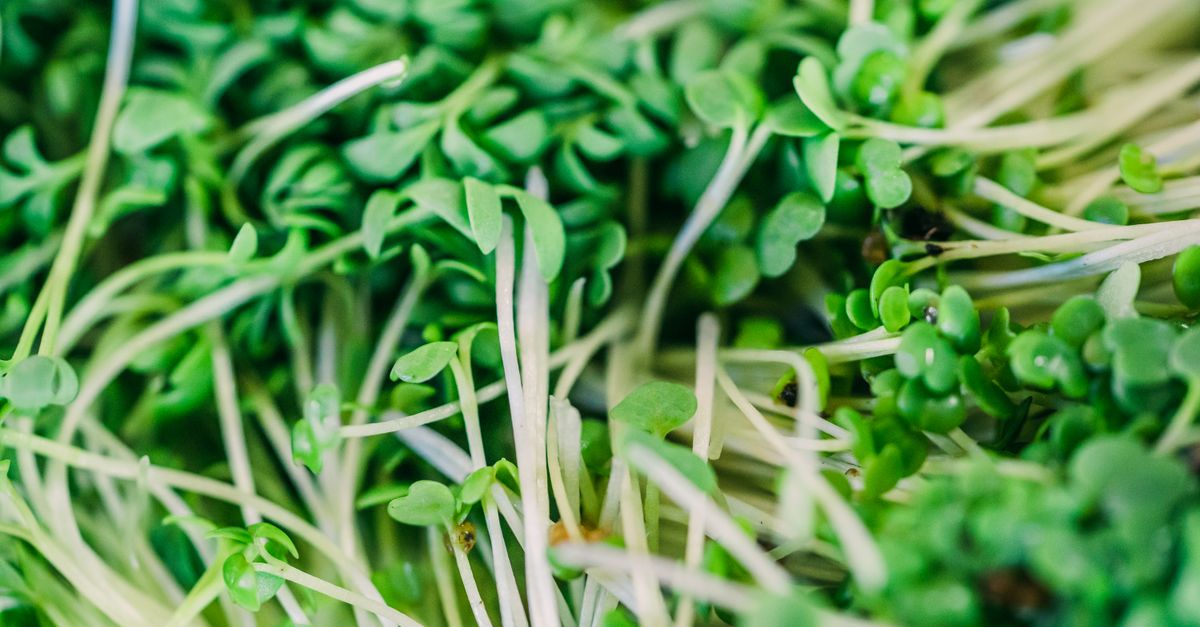
Sulforaphane is an isothiocyanate — a sulfur-containing compound produced when glucoraphanin (found in raw cruciferous vegetables) is hydrolyzed by the enzyme myrosinase. Broccoli sprouts are by far the richest source, containing 10–100 times more glucoraphanin per gram than mature broccoli (Fahey et al., PNAS 1997; PMID: 9294217). Other sources include Brussels sprouts, kale, cauliflower, cabbage, and watercress.
Sulforaphane itself is not stored in the plant. It only forms when plant cell walls are broken — by chewing, chopping, or blending — allowing glucoraphanin to contact myrosinase. Cooking inactivates myrosinase, which is why lightly steamed or raw cruciferous vegetables produce more sulforaphane than heavily boiled ones. Microwaving for as little as 3 minutes has been shown to destroy over 95% of myrosinase activity in broccoli, making cooking method a practical variable worth controlling.
In supplement form, products are generally sold as either:
- Glucoraphanin + myrosinase (the precursor system)
- Stabilized sulforaphane (active compound, more variable stability)
- Broccoli sprout powder (whole food matrix)
Bioavailability varies considerably between these formats. A randomized trial found that glucoraphanin-plus-myrosinase supplements produced similar plasma sulforaphane levels to broccoli sprout powder, while glucoraphanin alone (without myrosinase) yielded roughly 3–4× lower absorption (Cramer et al., Molecular Nutrition & Food Research 2011; PMID: 21656971).
---
What Does the Clinical Research Actually Show?
Sulforaphane activates Nrf2 (nuclear factor erythroid 2-related factor 2), a transcription factor that upregulates the body's own antioxidant and detoxification enzymes — glutathione S-transferases, heme oxygenase-1, NAD(P)H quinone oxidoreductase 1 (NQO1), and others. This is sometimes called the "indirect antioxidant" mechanism: rather than donating electrons itself, sulforaphane trains your cells to produce more defensive enzymes. Nrf2 activation also suppresses NF-κB, a key driver of inflammatory signaling, which is why sulforaphane research extends beyond simple antioxidant endpoints into metabolic and neurological domains.
One detail often missed in popular coverage: sulforaphane's Nrf2 activation is transient and self-limiting. Peak induction occurs within 2–4 hours of absorption, with a return to baseline by 24–48 hours. This pharmacokinetic pattern makes daily dosing — rather than intermittent high-dose boluses — the more physiologically rational approach, and it matches the protocol used in most successful clinical trials.
Areas with the strongest human evidence:
1. Detoxification and carcinogen excretion
A double-blind, placebo-controlled trial in 291 participants in rural China found that broccoli sprout beverage significantly increased urinary excretion of aflatoxin and benzene metabolites — biomarkers of carcinogen detoxification — compared to placebo (Kensler et al., Cancer Prevention Research 2012; PMID: 22318753). Participants drank the equivalent of roughly 40 mg sulforaphane daily for 12 weeks. Urinary aflatoxin-albumin adducts fell by 16% and benzene metabolites by 61% in the active group versus placebo — effect sizes large enough to be clinically meaningful in high-pollution environments.
2. Blood sugar and metabolic markers
A 12-week randomized trial in 97 obese patients with type 2 diabetes found that broccoli sprout extract (containing sulforaphane) significantly reduced fasting blood glucose and HbA1c versus placebo, with the greatest effect in participants with dysregulated baseline glucose (Axelsson et al., Science Translational Medicine 2017; PMID: 28566422). Fasting glucose fell by approximately 10% in the highest-response subgroup — driven, the authors proposed, by sulforaphane's suppression of hepatic glucose production via Nrf2-mediated inhibition of gluconeogenic gene expression. This is relevant context for anyone looking at what happens to HbA1c when you have PCOS, since insulin resistance is a shared mechanism.
3. Autism spectrum and neurological research
A small placebo-controlled crossover trial in 29 young men with moderate-to-severe autism spectrum disorder found significant improvements in social interaction, aberrant behavior, and communication scores after 18 weeks of sulforaphane supplementation (Singh et al., PNAS 2014; PMID: 25313065). Effect sizes were modest-to-moderate (Social Responsiveness Scale scores improved ~34% in the sulforaphane group vs. ~0% in placebo), and the study was small — but the Nrf2/heat shock protein mechanism provides a plausible biological rationale. Replication in larger trials remains an active research priority.
4. Air pollution and oxidative stress
A randomized trial in 291 participants in Jiangsu Province, China, found that broccoli sprout beverage increased excretion of acrolein and crotonaldehyde (pollutant metabolites) by up to 61% over placebo during the intervention period (Chen et al., Cancer Prevention Research 2019; PMID: 30696658). This is particularly relevant for urban populations with elevated particulate matter exposure.
5. Cardiovascular and endothelial function
Emerging human data suggest sulforaphane improves endothelial nitric oxide bioavailability and reduces markers of vascular oxidative stress. A 2022 crossover trial in healthy adults found that a single broccoli sprout extract dose acutely improved flow-mediated dilation — a standard measure of endothelial function — by approximately 1.5 percentage points compared to placebo, though chronic studies are still limited (Dunn et al., Food & Function 2022; PMID: 35302125). The Nrf2-to-NQO1 pathway appears to protect nitric oxide from superoxide-mediated degradation, which is the likely mechanism.
---
Sulforaphane Dosing: What Ranges Are Used in Trials?
| Indication | Dose Used | Duration | Trial Size |
|---|---|---|---|
| Carcinogen detoxification | ~40 mg sulforaphane/day | 12 weeks | 291 participants |
| Type 2 diabetes / blood glucose | ~10 g dried broccoli sprout powder (≈ 150 µmol glucoraphanin) | 12 weeks | 97 participants |
| Autism spectrum behavior | ~9–54 µmol sulforaphane/day (dose-escalated by weight) | 18 weeks | 29 participants |
| Air pollution detox | ~600 µmol glucoraphanin/day | 12 weeks | 291 participants |
| Endothelial function | Single-dose extract (~30 µmol sulforaphane) | Acute crossover | 30 participants |
Most human safety studies show sulforaphane is well-tolerated up to approximately 100 mg/day of glucoraphanin equivalent. No serious adverse events have been reported in published clinical trials at these doses. Mild GI discomfort (bloating, loose stools, flatulence) is the most common side effect, especially in the first week, and is more common at higher doses. A practical approach is to start at the lowest clinically active dose (~10–20 mg glucosinolate equivalent) for the first two weeks, then increase if tolerated.
---
Is Sulforaphane Safe for the Thyroid?
This is the most frequently raised concern, and it deserves a direct answer: at food-equivalent doses, the thyroid effect is minimal for people with adequate iodine intake. The mechanism is that isothiocyanates — the compound class sulforaphane belongs to — can competitively inhibit the sodium-iodide symporter (NIS) and thyroid peroxidase (TPO) at high concentrations, potentially reducing thyroid hormone synthesis. This is the same mechanism behind classically goitrogenic foods like raw cassava and millet, though cruciferous vegetables produce a far weaker effect.
However, population studies consistently show that cruciferous vegetable intake at normal dietary levels is not associated with clinical hypothyroidism in iodine-sufficient individuals. A review published in Nutrition Reviews concluded that goitrogenic effects from cruciferous vegetables are only clinically relevant when iodine intake is simultaneously low (Felker et al., Nutrition Reviews 2016; PMID: 26946249).
Practical guidance:
- Iodine-sufficient adults: standard dietary sulforaphane and even low-dose extracts (10–30 mg/day glucosinolate equivalent) are unlikely to affect thyroid function.
- People with existing hypothyroidism or Hashimoto's: high-dose broccoli sprout extracts warrant caution and physician discussion. If your iodine intake is already marginal, the combination may be worth evaluating with labs.
- People on thyroid medication: timing matters — take thyroid medication and cruciferous supplements at least 2–4 hours apart as a precaution.
For those curious about how thyroid and hormonal overlap shows up in conditions like PCOS, what happens to your thyroid when you have PCOS covers that intersection in detail.
---
Who Should Use Caution With Sulforaphane?
1. People with hypothyroidism or iodine deficiency
As discussed above — not necessarily contraindicated, but high doses require monitoring.
2. People taking anticoagulants
Sulforaphane induces CYP450 Phase I and Phase II detoxification enzymes, which can theoretically alter the metabolism of certain drugs. Warfarin, in particular, has a narrow therapeutic index and is sensitive to changes in CYP2C9 activity. There is limited direct human pharmacokinetic data, but anyone on warfarin or similar drugs should flag new supplements to their prescribing physician before starting.
3. People with sulfur sensitivity or GI conditions
Because sulforaphane is a sulfur compound, people who already react to sulfur-containing foods (onions, garlic, eggs) or who have irritable bowel syndrome may notice amplified GI symptoms. Start at the lowest available dose and introduce alongside food.
4. Pregnant and breastfeeding individuals
Insufficient human safety data exist for high-dose supplemental sulforaphane during pregnancy. Dietary intake from vegetables is considered safe; concentrated extracts have not been adequately studied in this population.
5. People with selenium deficiency
This is an underappreciated interaction: the Nrf2 pathway sulforaphane activates requires adequate glutathione peroxidase activity, and glutathione peroxidase is a selenium-dependent enzyme. Low selenium may blunt sulforaphane's detoxification effects at the cellular level. If you're evaluating sulforaphane as a detox support, it's worth reviewing selenium dosage, benefits, and risks alongside it.
6. Individuals with G6PD deficiency
Glucose-6-phosphate dehydrogenase deficiency impairs the regeneration of NADPH, which is essential for recycling glutathione. Since sulforaphane's detoxification action depends partly on glutathione conjugation, people with G6PD deficiency may have a blunted response and, in theory, a greater oxidative burden from the byproducts of this process. This population should use concentrated extracts only under medical supervision.
---
Sulforaphane vs. Eating Cruciferous Vegetables: Is a Supplement Necessary?
This is a fair question, and the honest answer is: for most people, regular cruciferous vegetable intake is the most practical approach. Broccoli sprouts — which you can grow at home in 5 days — contain the highest glucoraphanin density of any commonly available food.
A 1/2 cup (about 30 g) of fresh broccoli sprouts provides approximately 40–60 mg of glucoraphanin, which is comparable to many supplement doses used in trials. The co-presence of myrosinase, fiber, and phytonutrients in the whole food matrix also appears to enhance bioavailability relative to isolated extracts.
Supplements become more relevant when:
- Consistent vegetable intake is impractical
- Higher doses are being used for a specific clinical purpose (e.g., the metabolic or detoxification protocols studied in trials)
- Myrosinase has been inactivated by cooking and a supplement includes it separately
- Standardization is needed — supplements can guarantee glucoraphanin content per dose, while fresh produce varies by variety, storage time, and growing conditions
One practical middle-ground: add 1–2 teaspoons of mustard powder (a rich myrosinase source) to cooked broccoli. Research suggests this restores much of the sulforaphane-generating capacity lost through cooking (Vermeulen et al., British Journal of Nutrition 2008; PMID: 18331662), making it a cost-free bioavailability upgrade.
---
What This Means for Your Formula
Sulforaphane is not currently a standalone ingredient in the Ones catalog — it occupies a unique position as a food-derived compound that works best in a whole-food matrix. That said, several mechanisms sulforaphane activates overlap directly with ingredients Ones does formulate with.
Liver Support (Ones System Blend): Ones includes a proprietary Liver Support blend designed to support Phase I and Phase II hepatic detoxification pathways — the same enzymatic systems sulforaphane's Nrf2 activation enhances. If your AI health assessment flags elevated liver enzymes or a high toxic load, this blend may be part of your formula.
Selenium (as selenomethionine): Ones includes selenomethionine dosed to clinical ranges. As noted above, adequate selenium supports the glutathione peroxidase activity that makes Nrf2-pathway detoxification effective. Selenium also supports thyroid peroxidase function, making it relevant for anyone concerned about the iodine-thyroid interaction with cruciferous compounds.
Vitamin D3 + K2 (MK-7): Vitamin D3 has been shown in cell and animal models to synergize with Nrf2 activators in reducing systemic oxidative stress markers, and Ones formulates D3 alongside MK-7 to support both immune and cardiovascular contexts.
The specifics of which ingredients appear in your Ones formula depend on your blood work, wearable data, and health history — the AI practitioner identifies the gaps rather than defaulting to a fixed stack.
---
Key Takeaways
- Sulforaphane is safe for most adults at food-equivalent and low-to-moderate supplement doses (10–100 mg glucosinolate equivalent/day); serious adverse events have not been reported in clinical trials.
- The thyroid concern is real but context-dependent — it's most relevant when iodine intake is simultaneously low, not for iodine-sufficient adults eating a balanced diet.
- Five domains with solid human trial data: carcinogen detoxification, blood glucose regulation, neurological function, urban air pollution defense, and endothelial function.
- Broccoli sprouts remain the most bioavailable food source — 30 g of fresh sprouts can match many supplement doses; adding mustard powder to cooked broccoli restores much of the myrosinase activity lost in cooking.
- Drug interactions are plausible but understudied — people on anticoagulants, thyroid medications, or with G6PD deficiency should consult a provider before adding high-dose extracts.
- Selenium status matters: low selenium may blunt the glutathione-dependent detoxification cascade sulforaphane activates, making comprehensive nutrient assessment more valuable than isolated supplementation.