Women's Health
What Happens to HbA1c When You Have PCOS?
Women with PCOS are up to 4 times more likely to develop type 2 diabetes than women without it — and rising HbA1c is often the earliest warning sign that shows up on a lab panel before a formal diagnosis. Understanding why HbA1c climbs in PCOS, how fast it can move, and what actually reverses the trend can change the trajectory of your metabolic health for years.
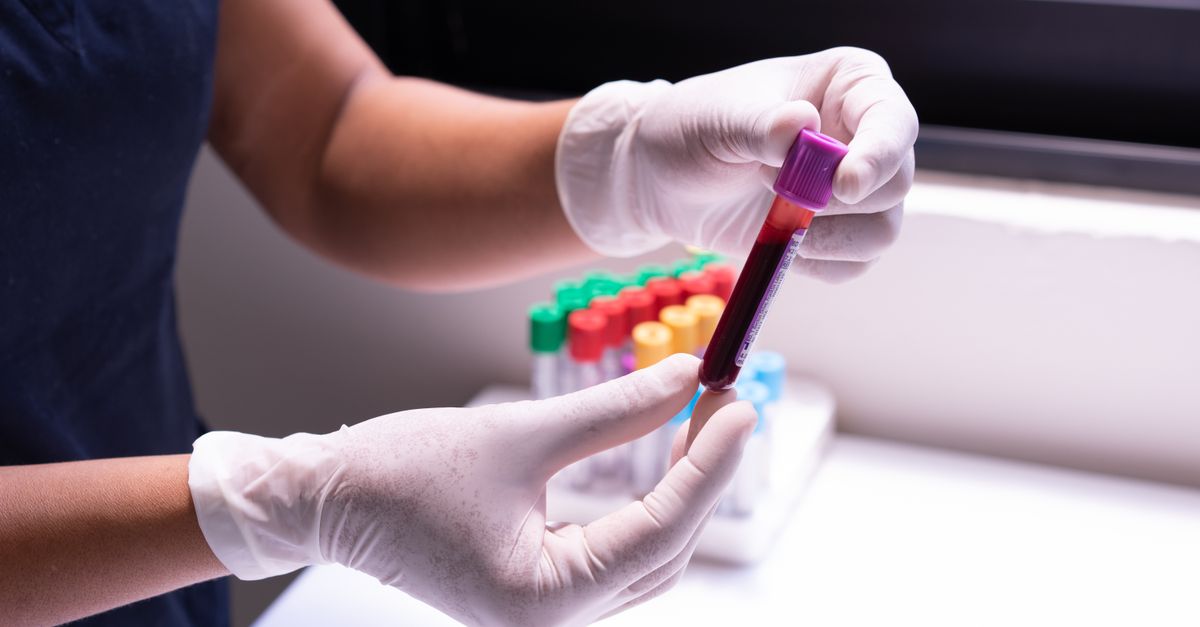
What Happens to HbA1c When You Have PCOS?
In women with PCOS, HbA1c tends to run higher than in age-matched controls — even when fasting glucose looks perfectly normal. The short answer: insulin resistance, elevated androgens, and chronic low-grade inflammation all push average blood sugar upward over time. The main caveat is that HbA1c alone underestimates glucose dysregulation in PCOS about 30% of the time, so a normal HbA1c does not rule out a problem. Women who are lean with PCOS are the group most likely to be missed by HbA1c screening alone.
---
Why PCOS Creates the Perfect Storm for Elevated HbA1c
HbA1c — glycated hemoglobin — reflects your average blood glucose over the preceding 8–12 weeks. It is not a single-moment reading; it is a rolling average baked into your red blood cells. In PCOS, several overlapping mechanisms conspire to push that average up.
Insulin resistance is the core driver. Roughly 65–80% of women with PCOS have measurable insulin resistance, even those at a healthy body weight (Diamanti-Kandarakis & Dunaif, Endocrine Reviews 2012; PMID: 23065822). When cells resist insulin's signal, the pancreas compensates by secreting more — hyperinsulinemia — which then stimulates the ovaries to produce excess androgens. That androgen excess worsens insulin sensitivity further, creating a self-reinforcing loop that keeps post-meal glucose elevated for longer, month after month, steadily glycating more hemoglobin.
Chronic inflammation accelerates the process. PCOS is characterized by elevated inflammatory markers — CRP, IL-6, TNF-α — that directly impair glucose transporter (GLUT-4) function in muscle and fat tissue (González et al., Journal of Clinical Endocrinology & Metabolism 2012; PMID: 22031519). Less GLUT-4 activity means glucose stays in circulation longer after every meal.
Body composition shifts make it worse. Even at the same BMI, women with PCOS carry more visceral adipose tissue than women without it. Visceral fat is metabolically active, releasing free fatty acids and inflammatory cytokines that compound hepatic insulin resistance. If you have also experienced unexplained changes in body composition or muscle mass, that can lower your insulin sensitivity further by reducing the glucose sink that muscle tissue provides.
Reference Ranges vs. Optimal Ranges
| HbA1c Value | Standard Classification | What It Means in PCOS Context |
|---|---|---|
| < 5.4% | Optimal | Low metabolic risk; still worth monitoring annually |
| 5.4–5.6% | Normal but watch | Borderline — especially relevant in PCOS; request a fasting insulin too |
| 5.7–6.4% | Prediabetes | Strong intervention zone; lifestyle + targeted supplementation |
| ≥ 6.5% | Type 2 diabetes threshold | Medical management required; consult your provider |
Functional medicine practitioners often use a tighter optimal target of below 5.4% for women with PCOS, precisely because the condition sets up metabolic vulnerability that standard cut-offs were not designed to catch early enough.
---
How Stress Makes Your HbA1c Climb Faster
If you have noticed that your symptoms flare when life gets overwhelming — sleep disruption, anxiety, digestive upset, irregular cycles — you are not imagining it. Cortisol is directly counter-regulatory to insulin. When cortisol rises, the liver dumps glucose into the blood via gluconeogenesis, insulin sensitivity falls in peripheral tissues, and the resulting glucose spike goes unnoticed because it often happens overnight or during acute stress rather than after a meal.
A 2017 analysis in Psychoneuroendocrinology found that chronic perceived stress independently predicted HbA1c elevation in women with insulin resistance, even after controlling for BMI and diet (Hackett & Steptoe, Psychoneuroendocrinology 2017; PMID: 27770561). In PCOS specifically, the hypothalamic-pituitary-adrenal (HPA) axis is frequently dysregulated — cortisol awakening responses are blunted or exaggerated, and the adrenal glands may produce excess androgens (DHEA-S) alongside cortisol.
Practical stress-modulation strategies that have evidence in insulin-resistant populations include:
- Structured rest cycles — 90-minute work blocks followed by 15-minute recovery breaks lower cortisol area-under-the-curve.
- Resistance training 3x per week — builds the muscle glucose sink and acutely reduces cortisol in the 12–24 hours post-exercise.
- Adaptogenic herbs — Ashwagandha (KSM-66) at 600 mg/day reduced cortisol by 27.9% vs. placebo in a double-blind RCT (Chandrasekhar et al., Indian Journal of Psychological Medicine 2012; PMID: 23439798).
- Sleep prioritization — even one night of partial sleep deprivation reduces insulin sensitivity by 20–25%; HbA1c responds to cumulative sleep debt over weeks.
- Breath-based nervous system resets — 5 minutes of slow, paced breathing (5-second inhale / 5-second exhale) measurably activates the parasympathetic nervous system within a single session.
If your TSH levels have also been flagged alongside PCOS symptoms, it is worth knowing that thyroid dysfunction and HPA dysregulation share overlapping territory — cortisol suppresses thyroid conversion, and low thyroid hormones worsen insulin resistance, so all three systems are in conversation.
---
PCOS, HbA1c, and Weight: What the Data Says
Weight loss in PCOS is harder than standard calorie math suggests — insulin resistance makes fat cells reluctant to release stored energy, and hyperinsulinemia actively promotes fat storage. But even modest weight reduction has an outsized effect on HbA1c: a 5–10% reduction in body weight can lower HbA1c by 0.5–1.0 percentage points in insulin-resistant women with PCOS, which is clinically significant.
The dietary patterns with the strongest evidence for HbA1c reduction in PCOS are:
- Low glycemic index / low glycemic load — reduces post-meal glucose spikes that drive hemoglobin glycation
- Higher protein intake (25–30% of calories) — improves satiety, reduces insulin secretion per meal, and supports lean mass preservation
- Time-restricted eating (14–16 hour fasts) — improves insulin sensitivity via AMPK activation; a 2020 pilot in women with PCOS showed improvements in fasting insulin and androgen markers within 8 weeks
If you are looking for more granular PCOS weight loss guidance backed by clinical context, it is also worth getting ferritin measured — low iron stores impair thyroid function and energy metabolism, quietly working against fat loss efforts.
For women on GLP-1 medications, HbA1c improvements are typically rapid and significant — but be aware that hair loss is a documented side effect of rapid weight loss that can complicate the clinical picture and is sometimes mistakenly attributed to the medication alone rather than the underlying nutritional shift.
---
Tumors and Secondary Causes: When HbA1c Doesn't Respond to Lifestyle
If you have been diligent — diet optimized, exercise consistent, stress managed — and your HbA1c still refuses to budge, it is worth asking your provider about secondary causes. Insulin-secreting tumors (insulinomas) are rare but documented. More commonly, adrenal tumors that secrete excess cortisol (Cushing's syndrome) or androgen-secreting adrenal adenomas can present with a PCOS-like picture: elevated androgens, insulin resistance, menstrual irregularity — and HbA1c that keeps climbing despite your best efforts.
Cushing's syndrome, in particular, is notoriously underdiagnosed in women. A 24-hour urinary free cortisol, late-night salivary cortisol, or a 1 mg overnight dexamethasone suppression test can screen for it. If a tumor is the driver, no supplement or lifestyle protocol will normalize your HbA1c until the underlying source is removed — which is why a persistent or unexplained rise in HbA1c warrants investigation beyond self-management.
Other secondary contributors to elevated HbA1c in the PCOS population include:
- Subclinical hypothyroidism (TSH above 2.5 mIU/L can worsen insulin resistance)
- Obstructive sleep apnea (present in 35–40% of women with PCOS and independently raises HbA1c)
- Vitamin D deficiency (serum 25-OH-D below 30 ng/mL is associated with greater insulin resistance in PCOS)
---
Digestive Health, the Gut Microbiome, and Glucose Metabolism
Constipation is a surprisingly common complaint in PCOS — and it is not a coincidence. Elevated androgens slow gastrointestinal motility. Insulin resistance alters the gut microbiome composition, reducing short-chain fatty acid producers like Akkermansia muciniphila and Lactobacillus species that normally help regulate post-meal glucose. A disrupted microbiome feeds back into systemic inflammation, which — as discussed above — worsens insulin signaling.
Magnesium deficiency deserves specific mention here. Women with PCOS have demonstrably lower intracellular magnesium than controls, and magnesium depletion causes both constipation (reduced intestinal motility) and impaired insulin receptor signaling. A 2011 meta-analysis in Diabetes Care confirmed that higher magnesium intake was associated with significantly lower risk of type 2 diabetes (Dong et al., Diabetes Care 2011; PMID: 21868780). Correcting magnesium status through a bioavailable form like magnesium glycinate addresses both the digestive and the glycemic angle simultaneously.
A practical gut-supportive protocol for women with PCOS and constipation-related HbA1c concerns:
- Ensure 25–35g of fiber daily — prioritize soluble fiber (oats, legumes, flaxseed) that feeds beneficial microbiota
- Magnesium glycinate 200–400 mg at night — supports motility and insulin receptor function
- Stay hydrated — even mild dehydration concentrates blood glucose and HbA1c
- Address bile flow — low-fat diets reduce bile acid cycling needed for fat-soluble vitamin absorption and gut microbiome diversity
---
What This Means for Your Formula
Personalized supplementation in PCOS-related HbA1c elevation is not one-size-fits-all — it depends on which drivers are dominant for you: insulin resistance, cortisol excess, inflammation, micronutrient gaps, or some combination. Ones analyzes blood work, wearable data, and health history through its AI health practitioner to identify the specific levers worth pulling.
Three ingredients that frequently appear in Ones formulas for women with PCOS-driven metabolic concerns:
Ashwagandha KSM-66 (600 mg): The most studied adaptogen for cortisol normalization and insulin sensitivity. The 2012 Chandrasekhar RCT showed a 27.9% cortisol reduction at this dose (PMID: 23439798). In PCOS, where HPA dysregulation amplifies androgen and glucose dysregulation, this is not a generic stress supplement — it targets a documented mechanism.
Vitamin D3 + K2 (MK-7): Vitamin D receptors are present on pancreatic beta cells, and deficiency impairs insulin secretion and peripheral sensitivity. Ones pairs D3 with MK-7 to support vascular protection alongside glucose regulation — relevant because PCOS elevates cardiovascular risk independently of weight. For more detail on how Vitamin D3 affects metabolic outcomes, the evidence is more nuanced than simple "take D3 and lose weight."
Magnesium Glycinate (from Magnesium Complex blend): As noted above, magnesium deficiency is disproportionately common in PCOS and affects both insulin signaling and gut motility. Glycinate is the most bioavailable oral form and does not cause the osmotic diarrhea associated with cheaper oxide forms — important when gut symptoms are already part of the picture.
Ones formulas are calibrated to 6 or 9 capsules daily based on each user's full findings — not chosen by the user, but assigned by the AI after reviewing the complete health picture. That precision matters here: a woman whose HbA1c is elevated primarily due to cortisol needs a different formula emphasis than one whose driver is primarily nutritional deficiency.
---
Key Takeaways
- HbA1c rises in PCOS primarily through insulin resistance, chronic inflammation, and cortisol dysregulation — not simply from diet alone.
- A "normal" HbA1c does not rule out glucose dysregulation in PCOS — fasting insulin and post-load glucose provide a more complete picture.
- Optimal functional target is below 5.4% for women with PCOS; the standard prediabetes cutoff of 5.7% may miss years of actionable intervention time.
- Stress and cortisol are underappreciated HbA1c drivers — adaptogenic support, sleep, and structured recovery can move the needle independently of diet changes.
- Secondary causes (adrenal tumors, sleep apnea, hypothyroidism) must be ruled out if HbA1c does not respond to aggressive lifestyle intervention.
- Magnesium, Vitamin D3, and targeted adaptogens address documented mechanistic gaps in PCOS-related HbA1c elevation — and are most effective when dosed to clinical ranges based on your actual labs, not guesswork.
This article is for educational purposes only. Always consult a qualified healthcare provider before making changes to your supplement regimen or interpreting lab results.