Supplements
What the Research Actually Says About L-Theanine Uses
L-theanine is one of the most researched amino acids in the supplement world, yet most people only know it as 'the calming thing in green tea.' The clinical literature tells a richer story — one that spans cognitive performance, stress resilience, sleep quality, and beyond. Here's what the evidence actually supports, what it doesn't, and how to use it intelligently.
What the Research Actually Says About L-Theanine Uses
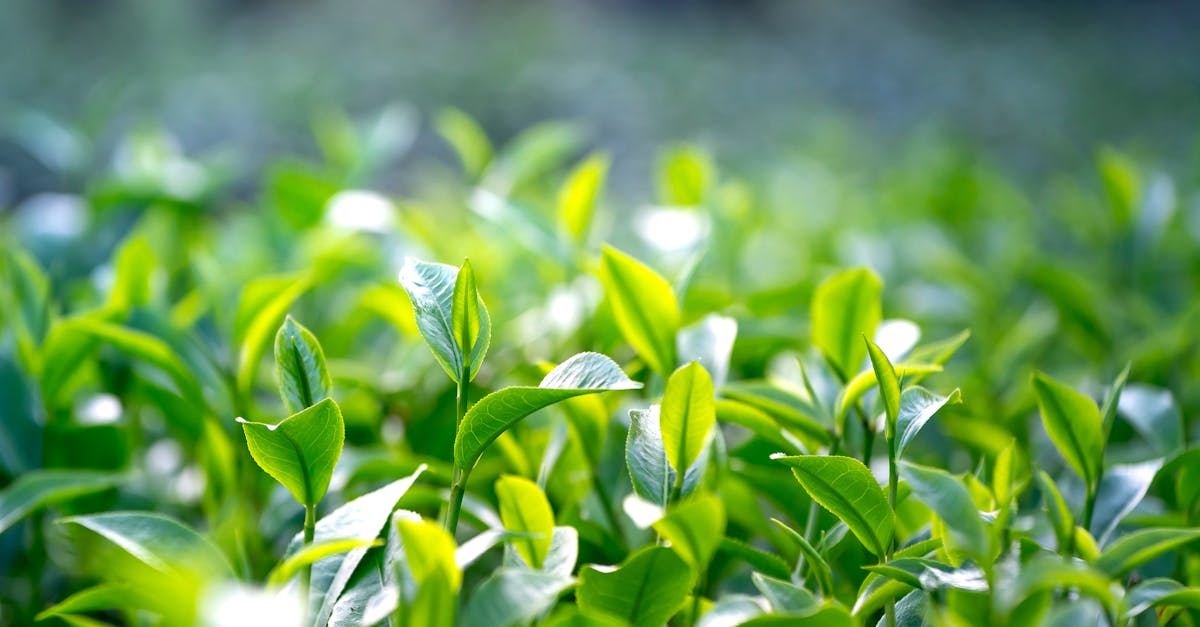
L-theanine is a non-protein amino acid found almost exclusively in the leaves of Camellia sinensis — the tea plant. It accounts for much of tea's reputation as a simultaneously calming and mentally clarifying beverage, a paradox that modern neuroscience has started to explain. But supplement shelves are crowded with products making sweeping claims, and the research landscape deserves a more precise reading than most marketing copy provides.
This article breaks down what human clinical trials actually demonstrate about l-theanine uses, where the evidence is strong, where it is preliminary, what happens if you take too much, and how to structure a rational supplementation approach.
---
The Core Mechanism: Why L-Theanine Does What It Does
L-theanine crosses the blood-brain barrier and exerts several parallel actions that collectively explain its reputation:
- GABA modulation: L-theanine increases GABA concentrations in the brain, promoting inhibitory neurotransmission associated with calm (Kimura et al., Biological Psychology 2007; PMID: 16930802).
- Alpha wave induction: EEG studies show that oral L-theanine (50–200 mg) increases alpha-band oscillations in the occipital and parietal cortex within 40–90 minutes of ingestion — a brainwave pattern linked to relaxed alertness (Nobre et al., Asia Pacific Journal of Clinical Nutrition 2008; PMID: 18296328).
- Glutamate receptor antagonism: L-theanine acts as a partial antagonist at NMDA receptors, dampening excitatory glutamate activity without sedation.
- Catecholamine influence: It modulates dopamine and serotonin pathways, which may explain reported mood-stabilizing effects.
This multi-target profile is why l-theanine feels distinctly different from conventional sedatives or stimulants — it tends to reduce physiological stress markers while leaving or even sharpening cognitive function.
---
L-Theanine for Stress and Anxiety: The Human Trial Evidence
The stress-reduction evidence for L-theanine is among the most replicated in the amino acid's research file. A randomized, double-blind, placebo-controlled trial by Hidese et al. (Nutrients 2019; PMID: 31623400) enrolled 30 healthy adults and found that 200 mg/day of L-theanine over four weeks significantly reduced scores on the Pittsburgh Sleep Quality Index, the Depression Anxiety Stress Scale (DASS-42), and salivary cortisol response compared to placebo.
A crossover study by Kimura et al. (Biological Psychology 2007; PMID: 16930802) administered 200 mg L-theanine to participants under an arithmetic stress task and observed reduced heart rate and salivary immunoglobulin A (s-IgA) — objective physiological markers, not just self-report. This is methodologically important: many supplement studies rely solely on subjective questionnaires.
The clinical picture from this body of work suggests L-theanine is most effective at 200 mg taken acutely before a stressful event, with chronic daily dosing at the same level providing cumulative benefit over weeks.
---
L-Theanine and Cognitive Performance: The Caffeine Synergy
One of the most consistent findings in L-theanine research is the synergistic interaction with caffeine. A systematic review by Camfield et al. (Nutritional Neuroscience 2014; PMID: 24946991) analyzed multiple double-blind crossover trials and concluded that the combination of L-theanine (97–100 mg) and caffeine (40–50 mg) — roughly a 2:1 ratio — produced superior results on sustained attention, response accuracy, and self-reported alertness compared to either compound alone.
The proposed mechanism is complementary: caffeine blocks adenosine receptors to promote wakefulness; L-theanine simultaneously blunts caffeine's tendency to elevate anxiety and blood pressure through its GABAergic and alpha-wave effects. The result is cleaner, less jittery cognitive stimulation.
For people exploring clinical evidence for ashwagandha as part of an adaptogen stack, it's worth noting that L-theanine and ashwagandha target overlapping but distinct stress pathways — L-theanine works acutely (within 30–90 minutes) while ashwagandha's KSM-66 standardized extract typically requires 8–12 weeks for measurable cortisol reduction.
---
L-Theanine Before Bed: Does It Actually Improve Sleep?
The question of using l-theanine before bed is one of the more nuanced areas in the research. L-theanine is not a sedative in the conventional pharmacological sense — it does not bind benzodiazepine receptors or raise melatonin acutely. What it appears to do is improve sleep quality parameters rather than simply knocking you out.
The Hidese et al. 2019 trial mentioned above (PMID: 31623400) found improvements in sleep latency, sleep disturbance scores, and daytime dysfunction after 4 weeks of 200 mg nightly supplementation. A separate trial in boys with ADHD (Lyons & Bhagwager, Alternative Medicine Review 2011; PMID: 21303431) found that 400 mg L-theanine given before bed significantly improved sleep efficiency and reduced nighttime activity compared to placebo over 6 weeks.
The mechanism likely involves L-theanine's ability to reduce resting physiological arousal — lowering the cognitive "noise" that delays sleep onset without pharmacologically suppressing REM architecture, a concern associated with many prescription sleep aids.
Practical timing: Most clinical trials dosed L-theanine 30–60 minutes before the intended sleep window. Pairing it with optimal magnesium glycinate dosage is a common and evidence-informed combination: magnesium glycinate reduces neuromuscular tension and also supports GABA pathways, creating complementary relaxation mechanisms.
| Outcome Measured | Effective Dose | Time to Effect | Evidence Level |
|---|---|---|---|
| Sleep latency reduction | 200–400 mg | 4+ weeks consistent use | Moderate (2 RCTs) |
| Nighttime waking | 400 mg | 6 weeks | Moderate (1 RCT, ADHD population) |
| Subjective sleep quality | 200 mg | 4 weeks | Moderate (1 RCT, healthy adults) |
| Acute relaxation | 50–200 mg | 40–90 minutes | Strong (multiple crossover trials) |
---
Too Much L-Theanine: Recognizing the Upper Limits
L-theanine has a strong safety profile. The European Food Safety Authority (EFSA) reviewed available data and raised no safety concerns for doses up to 400 mg/day in healthy adults. However, the question of too much l-theanine is worth addressing practically.
Observed effects at doses above 400–600 mg in some individuals include:
- Excessive sedation or mental sluggishness, particularly if combined with other GABAergic agents (alcohol, benzodiazepines, valerian root)
- Mild headache in sensitive individuals, possibly related to glutamate receptor modulation
- Hypotension: because L-theanine may lower blood pressure modestly, high doses in people already on antihypertensives warrant caution
No serious adverse events have been reported in the clinical literature at doses up to 900 mg/day in short-term trials (Nobre et al., Asia Pacific Journal of Clinical Nutrition 2008; PMID: 18296328). The compound has a short half-life (approximately 1–2 hours to peak plasma), which limits accumulation risk.
The practical ceiling for most evidence-based applications is 200–400 mg per dose, and most people do not require more than 400 mg daily to achieve the documented benefits. Stacking L-theanine with multiple sedating supplements without tracking total load is where users most commonly run into problems.
---
What About Berberine Uses? A Note on Why It's a Different Tool
It is worth briefly addressing berberine uses here because both L-theanine and berberine appear on many comprehensive supplement plans, yet they serve fundamentally different physiological roles and should not be conflated.
Berberine is an alkaloid compound best known for its metabolic and cardiometabolic effects. A meta-analysis by Dong et al. (Evidence-Based Complementary and Alternative Medicine 2012; PMID: 22792112) found that berberine at 500 mg three times daily reduced fasting blood glucose, HbA1c, and total cholesterol in patients with type 2 diabetes comparably to metformin. Its primary mechanisms involve AMPK activation and modulation of the gut microbiome — entirely different pathways from L-theanine's neurological targets.
If you're building a personalized formula that addresses both cognitive stress and metabolic optimization, understanding how berberine supports blood sugar and metabolic health can clarify which of the two ingredients belongs in your plan, and at what dosing priority. Ones' AI health practitioner evaluates both categories — neurological support and metabolic function — from your lab data and wearable patterns before recommending either.
---
What This Means for Your Formula
L-theanine is a well-characterized ingredient that performs best when dosed correctly and combined intelligently. Here is how Ones approaches it within a personalized capsule formula:
1. L-Theanine at clinically active doses (200 mg)
Ones includes L-theanine at 200 mg — the dose validated in the Hidese 2019 (PMID: 31623400) and Kimura 2007 (PMID: 16930802) trials — rather than the token 50–100 mg doses common in mass-market stress blends. Whether your formula targets daytime cognitive resilience or nighttime sleep quality, the dosing is matched to the research, not the label.
2. Ashwagandha KSM-66 (600 mg) for complementary adaptogen support
For users whose wearable data or lab results indicate chronically elevated HRV suppression or morning cortisol patterns, Ones may pair L-theanine with KSM-66 ashwagandha at 600 mg — the dose used in the Chandrasekhar et al. trial (Indian Journal of Psychological Medicine 2012; PMID: 23439798) that demonstrated a 27.9% reduction in serum cortisol after 60 days. These two compounds address different time horizons of the stress response: L-theanine for acute situational calm, ashwagandha for chronic HPA axis regulation.
3. Magnesium Glycinate within the Magnesium Complex blend
Ones' proprietary Magnesium Complex includes magnesium glycinate — one of the most bioavailable forms — which, when combined with L-theanine before bed, addresses overlapping GABA and muscle-relaxation pathways. For users flagged with disrupted sleep metrics from wearable data, this combination is a common formula configuration.
Ones formulas come in 6, 9, or 12-capsule plans. The AI practitioner examines your blood work, wearable trends, and stated health goals before allocating capsule budget across your highest-priority ingredients — so L-theanine is included when the evidence and your personal data support it, not as a default filler.
For users curious about the broader vitamin and mineral layer of a Ones formula, vitamin D3 and K2 synergy is another commonly paired area — especially relevant when blood work reveals suboptimal 25(OH)D levels alongside stress-driven immune dysregulation.
---
Key Takeaways
- The evidence for L-theanine is strongest for acute stress reduction and relaxed alertness, with multiple double-blind RCTs showing measurable physiological effects (heart rate, cortisol, alpha wave activity) at 200 mg.
- The L-theanine + caffeine combination at roughly a 2:1 ratio is one of the better-studied cognitive stacks in the supplement literature, outperforming either compound alone on attention and accuracy tasks.
- L-theanine before bed supports sleep quality through reduced arousal rather than sedation, with most trials using 200–400 mg taken 30–60 minutes before sleep onset.
- Too much l-theanine (generally above 400 mg in a single dose) may cause excessive drowsiness or blood pressure effects, particularly when combined with other GABAergic compounds — but serious adverse events have not been documented in the literature.
- Berberine serves a completely different role — metabolic and glycemic regulation via AMPK — and should not be confused with or substituted for L-theanine in a stress or sleep protocol.
- Ones personalizes L-theanine dosing to 200 mg — the clinically validated level — and pairs it with complementary ingredients like KSM-66 ashwagandha or magnesium glycinate based on your individual data, not generic recommendations.
---
Always consult a qualified healthcare provider before beginning any supplementation protocol, particularly if you are taking medications or managing a diagnosed health condition.