Supplements
When to Worry About Low Omega-3 Symptoms — and the Tests That Tell You Why
Most Americans consume a fraction of the omega-3s their bodies need, yet the symptoms of deficiency are easy to dismiss as stress, aging, or poor sleep. From flaky skin and joint stiffness to persistent low mood and cardiovascular risk, low omega-3 symptoms span nearly every system in the body — and a simple blood test can confirm whether you're actually deficient. Here's what to watch for, what the science says, and how to correct it precisely.
When to Worry About Low Omega-3 Symptoms — and the Tests That Tell You Why
Omega-3 fatty acids — specifically EPA (eicosapentaenoic acid) and DHA (docosahexaenoic acid) — are among the most well-studied nutrients in clinical medicine. They regulate inflammation, support cardiovascular function, maintain neurological integrity, and keep cell membranes fluid and responsive. Yet population surveys consistently show that the majority of American adults fall short of optimal intake, with average EPA + DHA consumption estimated at around 90 mg per day — far below what research supports as therapeutic (NIH Office of Dietary Supplements, 2023).
The problem isn't that people don't know omega-3s are important. It's that low omega-3 symptoms are diffuse, slow-building, and easily attributed to something else entirely. Joint aches get blamed on aging. Dry skin is written off as weather. A low mood becomes "just stress." Without a test to anchor those symptoms to a measurable deficit, the underlying cause goes uncorrected for years.
This article breaks down the full clinical picture of omega-3 deficiency — the symptoms that should raise concern, the blood tests that confirm deficiency, the secondary nutrients that are often co-depleted, and the evidence-based approach to correcting your levels.
---
What Low Omega-3 Symptoms Actually Look Like
Omega-3 deficiency rarely presents as a single dramatic symptom. More often it's a cluster of low-grade complaints that, taken together, paint a recognizable picture.
Skin and hair changes are typically among the first visible signs. DHA is a structural component of skin cell membranes; when levels drop, the skin barrier becomes compromised, leading to dryness, scaling, and increased transepidermal water loss. A 2005 review in the American Journal of Clinical Nutrition documented that essential fatty acid deficiency produces dermatitis, poor wound healing, and hair thinning (doi.org/10.1093/ajcn/83.6.1483S).
Joint pain and stiffness represent another early warning. EPA suppresses the production of pro-inflammatory prostaglandins and leukotrienes through competitive inhibition of the arachidonic acid pathway. A 2010 meta-analysis of 17 randomized controlled trials found that omega-3 supplementation significantly reduced joint pain intensity and morning stiffness in patients with rheumatoid arthritis (Goldberg & Katz, Pain, 2007; PMID: 17335973).
Cognitive and mood symptoms are particularly under-recognized. DHA accounts for approximately 30–40% of the polyunsaturated fatty acids in the brain's gray matter. Low DHA status has been associated with smaller brain volume, accelerated cognitive decline, and increased risk of depression. A large prospective study found that higher plasma DHA was associated with significantly lower risk of developing dementia (Schaefer et al., Archives of Neurology, 2006; PMID: 16769871).
Cardiovascular markers also shift with deficiency. Omega-3s reduce triglycerides, lower resting heart rate, improve endothelial function, and modestly raise HDL cholesterol. When EPA + DHA are chronically low, triglycerides often trend upward and vascular inflammation — measurable via hsCRP — tends to rise.
Poor sleep and fatigue round out the common picture. A randomized controlled trial of 362 children found that higher DHA status was associated with better sleep quality and fewer awakenings (Montgomery et al., Journal of Sleep Research, 2014; PMID: 24605819). Similar mechanisms likely apply in adults, though adult-specific trial data are more limited.
For a deeper look at how EPA and DHA work differently in the body and which ratio matters most for specific outcomes, the omega-3 EPA DHA ratio guide is worth reading alongside this article.
---
How Much Omega-3 Per Day Do You Actually Need?
This is where clinical guidance and general wellness advice often diverge significantly.
The American Heart Association recommends at least two servings of fatty fish per week for general cardiovascular health — roughly 500 mg EPA + DHA daily (AHA, 2021). However, therapeutic doses used in clinical trials are often considerably higher:
| Health Goal | Studied Daily Dose | Key Evidence | |
|---|---|---|---|
| Cardiovascular risk reduction | 1,000–4,000 mg EPA + DHA | REDUCE-IT trial, NEJM 2018 | |
| Triglyceride lowering | 2,000–4,000 mg EPA + DHA | NIH ODS, 2023 | |
| Depression (adjunct) | 1,000–2,000 mg EPA-dominant | Meta-analysis, *Translational Psychiatry*, 2019 | |
| Rheumatoid arthritis | 2,700–3,000 mg EPA + DHA | Goldberg & Katz, Pain, 2007 | |
| Cognitive support (aging) | 1,720 mg DHA | MIDAS trial, *Alzheimer's & Dementia*, 2010 | |
| General maintenance | 500–1,000 mg EPA + DHA | AHA, ISSFAL guidelines |
The REDUCE-IT trial is particularly noteworthy: 8,179 patients with elevated triglycerides and established cardiovascular disease or diabetes were given 4 g/day of icosapentaenoic acid (EPA). Over a median of 4.9 years, major cardiovascular events were reduced by 25% compared to placebo (New England Journal of Medicine, 2018; PMID: 30145941).
The practical takeaway: "how much omega-3 per day" is not a single universal number. It depends on your baseline omega-3 index, your health goals, and whether you're in a maintenance or therapeutic context. A blood test, rather than general guidelines, is the most rational starting point.
---
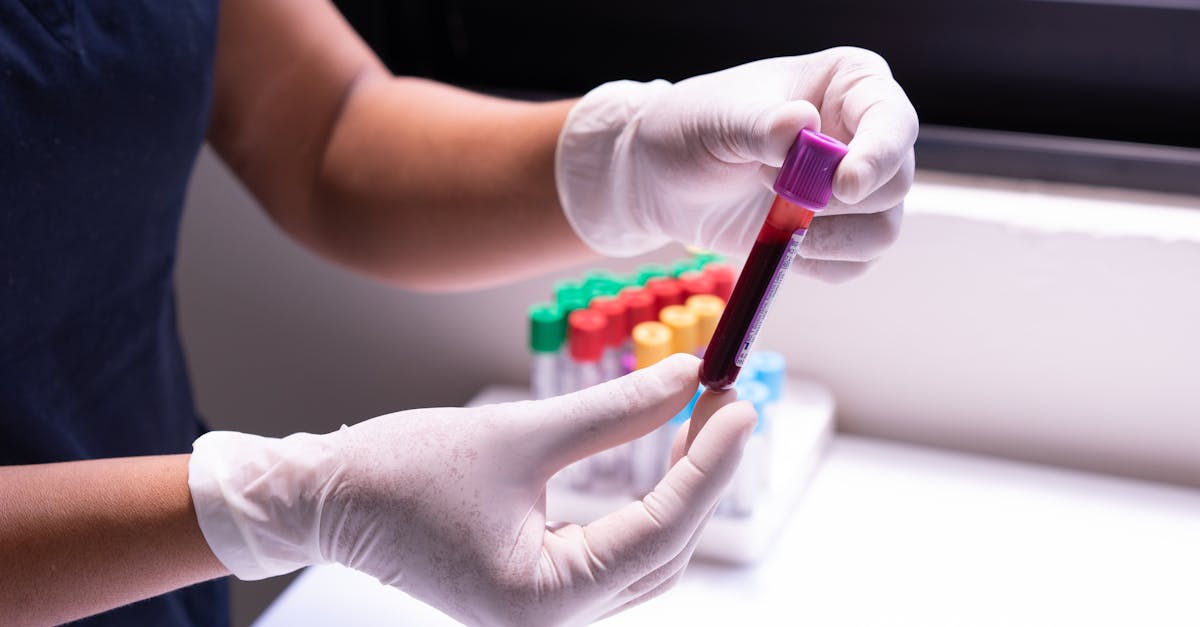
The Tests That Quantify Your Omega-3 Status
The Omega-3 Index is the gold-standard measurement. It expresses EPA + DHA as a percentage of total red blood cell fatty acids. Because red blood cells turn over approximately every 120 days, the Omega-3 Index reflects your average intake over three to four months — not just what you ate last week.
- Below 4%: Deficient — associated with significantly elevated cardiovascular and cognitive risk
- 4–8%: Suboptimal — the range most Americans fall into
- 8–12%: Target zone for cardioprotective benefit
- Above 12%: Associated with additional anti-inflammatory and cognitive benefit in some populations
A 2021 analysis of 25,000+ patients found that individuals with an Omega-3 Index below 4% had more than double the risk of sudden cardiac death compared to those in the 8% range (Harris et al., Nutrients, 2021; doi.org/10.3390/nu13082971).
Additional panels worth running alongside include:
- Triglycerides (elevated TG often reflects EPA + DHA deficiency)
- hsCRP (high-sensitivity C-reactive protein — omega-3s modulate systemic inflammation)
- AA:EPA ratio (arachidonic acid to EPA; a high ratio signals inflammatory imbalance)
- Lipid panel (HDL trends in relation to omega-3 status)
Platforms like Ones integrate blood work results — including lipid panels and inflammatory markers — directly into formula recommendations, so a consistently high triglyceride reading or elevated hsCRP doesn't just generate a note in your chart. It triggers a specific formulation response.
---
Low Chloride Symptoms: An Overlooked Co-Deficiency
While omega-3 deficiency gets the most attention, it rarely travels alone. One electrolyte that commonly drops under the radar is chloride. Low chloride symptoms — clinically termed hypochloremia — include muscle weakness, fatigue, difficulty breathing, and metabolic alkalosis. Chloride is essential for maintaining acid-base balance and plays a direct role in proper digestion through its role in hydrochloric acid production.
The connection to omega-3 status is indirect but real: chronic inflammation (which omega-3 deficiency worsens) disrupts renal electrolyte regulation, and poor dietary quality that underlies omega-3 insufficiency is often also low in chloride-rich whole foods. Anyone experiencing fatigue and muscle weakness alongside omega-3 deficiency symptoms should request a basic metabolic panel that includes serum chloride, typically reported alongside sodium, potassium, and bicarbonate.
A serum chloride below 98 mEq/L warrants investigation, particularly if accompanied by other electrolyte imbalances or low stomach acid symptoms. Consult your healthcare provider before adjusting electrolytes independently.
---
Low Biotin Symptoms: When Hair Loss and Fatigue Overlap With Omega-3 Deficiency
Hair thinning and skin changes appear in both omega-3 deficiency and low biotin symptoms, which makes clinical differentiation important. Biotin (vitamin B7) is essential for fatty acid synthesis, gluconeogenesis, and the proper expression of genes involved in cell proliferation — including those governing hair follicle cycling.
Low biotin symptoms include brittle nails, hair loss, seborrheic dermatitis around the mouth and nose, and neurological signs such as tingling in the extremities. The symptoms of biotin insufficiency and omega-3 deficiency can appear nearly identical on the skin, which is why testing matters more than symptom matching alone.
A plasma biotin level below 100 nmol/L is generally considered indicative of deficiency, though functional biotin status can be assessed more sensitively via urinary 3-hydroxyisovaleric acid. If both biotin and omega-3 status are suboptimal simultaneously, the combined effect on skin integrity and inflammatory regulation is additive — which is why personalized panels that measure multiple micronutrients are more useful than treating symptoms one at a time.
For more on hair and skin micronutrient relationships, the article on clinical evidence for ashwagandha covers how stress-driven cortisol elevation depletes multiple nutrients simultaneously.
---
Low Manganese Symptoms: The Mineral Connection to Inflammation
Manganese is an essential trace mineral that serves as a cofactor for superoxide dismutase (MnSOD), the primary mitochondrial antioxidant enzyme. Low manganese symptoms include joint pain, skeletal abnormalities, impaired glucose tolerance, and increased oxidative stress — all of which overlap meaningfully with chronic omega-3 deficiency.
The inflammatory link is particularly relevant: omega-3 fatty acids and manganese both participate in the regulation of oxidative stress pathways, and chronic systemic inflammation (which accelerates when EPA + DHA are low) increases the body's demand for antioxidant cofactors including manganese. A diet chronically low in omega-3s is also often low in manganese-rich foods such as nuts, seeds, whole grains, and leafy vegetables.
Serum manganese levels below 4 µg/L may suggest insufficiency, though whole blood manganese is considered a more stable marker. If inflammatory markers such as hsCRP are elevated alongside low omega-3 status, assessing manganese and other antioxidant cofactors is a clinically rational next step.
---
What This Means for Your Ones Formula
If your labs show a low Omega-3 Index, elevated triglycerides, or rising hsCRP, a personalized formula approach is more effective than blanket supplementation — because the therapeutic dose of omega-3s depends on your starting point, and the co-deficiencies that compound the picture vary from person to person.
Here's how Ones addresses this specifically:
Omega-3 (EPA/DHA) is included at clinically meaningful doses within Ones custom formulas, calibrated to your lab data. Rather than defaulting to a generic 1,000 mg soft gel, Ones uses your Omega-3 Index and triglyceride trends to determine whether you're in a maintenance or therapeutic dosing tier — matching the ranges used in the cardiovascular and cognitive trials cited above.
CoQ10/Ubiquinol at 200 mg is frequently paired with omega-3 support in Ones formulas because both share cardiovascular protective mechanisms. CoQ10 supports mitochondrial energy production and reduces oxidative stress in vascular tissue, and combined EPA + DHA with CoQ10 has shown synergistic benefit on endothelial function in clinical settings (Cicero et al., Clinical Nutrition, 2019; PMID: 30115493).
Vitamin D3 + K2 (MK-7) is another common co-ingredient in Ones formulas for users with inflammatory or cardiovascular risk profiles. Vitamin D receptors regulate gene expression in immune cells that also respond to EPA and DHA signaling, and D3 deficiency is one of the most common co-deficiencies alongside a low Omega-3 Index. You can explore this relationship further in the article on vitamin D3 and K2 synergy.
For users managing fatigue, joint health, or skin integrity alongside omega-3 optimization, Ones may also incorporate its Ligament Support System Blend or individual ingredients like NAC to address oxidative stress — all within a single capsule plan calibrated to your 6-, 9-, or 12-capsule budget.
The Ones AI health practitioner analyzes your wearable data, blood work, and health history together — so a pattern of poor sleep tracked by your wearable alongside an elevated hsCRP and low Omega-3 Index isn't treated as three separate problems. It's treated as one interconnected picture, with a formula built to address all three simultaneously.
For context on how optimal magnesium glycinate dosage interacts with sleep quality — another common co-issue — that article covers the evidence and dosing in detail.
---
Key Takeaways
- Low omega-3 symptoms span multiple systems: dry skin, joint pain, brain fog, low mood, elevated triglycerides, and poor sleep are all documented signs of EPA + DHA insufficiency
- The Omega-3 Index is the most accurate test: a result below 4% indicates deficiency; the target range for cardioprotective benefit is 8–12%
- Therapeutic dosing varies widely: general maintenance requires 500–1,000 mg EPA + DHA daily, but clinical trials for cardiovascular, mood, and cognitive outcomes often use 1,700–4,000 mg
- Co-deficiencies matter: low chloride, low biotin, and low manganese frequently overlap with omega-3 insufficiency and can produce nearly identical symptom clusters — making comprehensive testing more useful than chasing individual symptoms
- Personalized formulas outperform one-size-fits-all supplements: Ones uses your actual lab values and wearable data to determine the right EPA + DHA dose and the right co-ingredients — CoQ10, D3 + K2, NAC — rather than defaulting to generic dosing
- Always consult a healthcare provider before significantly changing your omega-3 dose, especially if you are on anticoagulants or have a cardiovascular diagnosis