Metabolic Health
Metabolic Health: Blood Sugar, Insulin Resistance, and the Supplement Protocol
Nearly 40% of American adults have prediabetes — and most don't know it. Chronically elevated blood sugar quietly drives fatigue, weight gain, inflammation, and cardiovascular risk long before a formal diagnosis arrives. The right metabolic health supplements, dosed to clinical ranges and matched to your lab work, can meaningfully shift that trajectory.
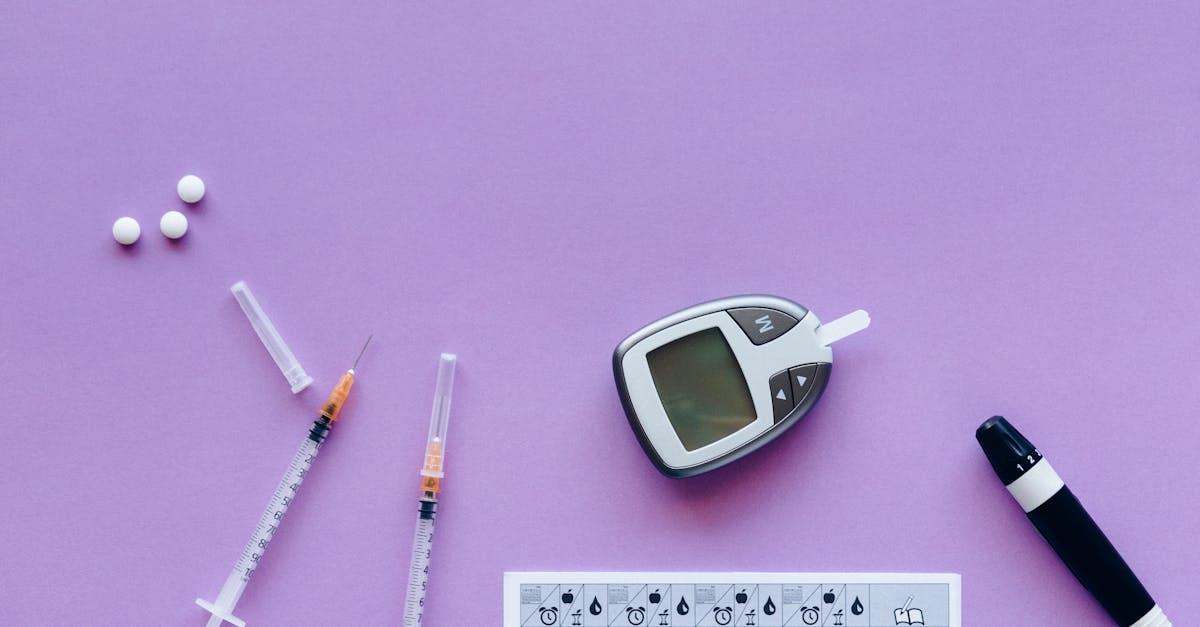
Metabolic Health: Blood Sugar, Insulin Resistance, and the Supplement Protocol
Nearly 40% of American adults live with prediabetes, and the vast majority are unaware (CDC National Diabetes Statistics Report, 2022; cdc.gov/diabetes/data). Behind that statistic is a slow-building process: cells gradually stop responding to insulin, blood glucose climbs, and the pancreas compensates by secreting more insulin — until it can't. The result is a cascade of consequences that reach far beyond blood sugar, touching cardiovascular function, hormonal balance, cognitive clarity, and body composition.
Nutrition and movement remain the foundation of metabolic repair. But a growing body of clinical research shows that targeted metabolic health supplements — used alongside lifestyle changes and calibrated to individual biomarkers — can accelerate improvements in insulin sensitivity, reduce post-meal glucose spikes, and support the mitochondrial machinery that underlies healthy metabolism. This article breaks down the evidence, the practical dosing, and how personalized formulas can address the specific gaps your lab results reveal.
---
What Is Insulin Resistance and Why Does It Matter?
Insulin resistance is a state in which muscle, liver, and fat cells respond poorly to insulin signaling, requiring the pancreas to produce progressively more of the hormone to clear glucose from the bloodstream. Over time, fasting insulin rises, then fasting glucose rises, and eventually the system fails — a progression that defines type 2 diabetes.
But the damage accumulates well before that endpoint. Chronically elevated insulin promotes fat storage (particularly visceral adipose tissue), drives systemic inflammation via NF-κB pathways, and contributes to hypertension and dyslipidemia (Reaven, Diabetes 1988; PMID: 3056758). Elevated post-meal (postprandial) glucose creates oxidative stress that damages endothelial cells, a key early event in atherosclerosis (Ceriello et al., Diabetes Care 2003; PMID: 12832311).
Key biomarkers to track include:
| Biomarker | Optimal Range | Concern Threshold |
|---|---|---|
| Fasting glucose | 70–85 mg/dL | ≥100 mg/dL |
| Fasting insulin | 2–6 µIU/mL | ≥10 µIU/mL |
| HbA1c | <5.4% | ≥5.7% |
| HOMA-IR | <1.5 | ≥2.0 |
| Triglycerides | <100 mg/dL | ≥150 mg/dL |
Platforms like Ones integrate these exact markers — when you upload your blood work, the AI health practitioner identifies where your metabolic profile diverges from optimal ranges and calibrates ingredient selection and doses accordingly.
---
Blood Sugar Regulation Supplements: The Clinical Evidence
Several nutrients and botanicals have accumulated meaningful clinical trial data for their roles in glucose regulation. The key is understanding which mechanisms each one targets — and which gaps in your own biology they are most likely to fill.
Berberine
Berberine is an isoquinoline alkaloid found in plants like Berberis aristata and goldenseal. Its primary mechanism involves activation of AMP-activated protein kinase (AMPK), the same enzyme pathway targeted by metformin. AMPK activation improves insulin signaling in muscle tissue, reduces hepatic glucose output, and enhances glucose uptake into cells.
A meta-analysis of 27 randomized controlled trials (n = 2,569) found that berberine significantly reduced fasting blood glucose, postprandial blood glucose, and HbA1c compared to placebo or lifestyle intervention alone (Dong et al., Evidence-Based Complementary and Alternative Medicine 2012; PMID: 23118793). Effect sizes were comparable to metformin in head-to-head comparisons within several of the included trials.
Clinical doses range from 500 mg two to three times daily, totaling 1,000–1,500 mg/day. Bioavailability is modest, so timing with meals improves absorption and blunts postprandial spikes directly.
Magnesium
Magnesium is a cofactor in more than 300 enzymatic reactions, including the phosphorylation steps central to insulin receptor signaling. Hypomagnesemia is both a cause and a consequence of insulin resistance — low cellular magnesium impairs insulin action, and insulin resistance increases urinary magnesium excretion (Barbagallo & Dominguez, Magnesium Research 2010; PMID: 21199787).
A large prospective cohort study found that higher dietary magnesium intake was associated with a significantly reduced risk of type 2 diabetes, with a relative risk reduction of approximately 15% per 100 mg/day increment (Schulze et al., Diabetes Care 2007; PMID: 17130195). Supplementation trials in people with pre-diabetes and magnesium deficiency show improvements in fasting glucose and HOMA-IR scores.
Magnesium glycinate is preferred for metabolic support because of its superior bioavailability and tolerability versus oxide or citrate forms. Ones includes Magnesium Glycinate individually dosed and within the Magnesium Complex System Blend, calibrated to your intake gaps identified from lab data. You can read more about optimal magnesium glycinate dosage and sleep performance to understand how form and dose interact.
Alpha-Lipoic Acid (ALA)
Alpha-lipoic acid is a mitochondrial antioxidant that improves insulin-stimulated glucose uptake by enhancing GLUT4 translocation to cell membranes. A systematic review found that ALA supplementation (300–600 mg/day) significantly reduced fasting glucose and insulin levels in people with metabolic syndrome and type 2 diabetes (Akbari et al., Nutrition & Metabolism 2018; PMID: 29507611). Its antioxidant properties also reduce the oxidative damage that postprandial glucose spikes generate.
Chromium
Chromium potentiates insulin action by facilitating binding of insulin to its receptor and enhancing downstream signaling. Deficiency is associated with impaired glucose tolerance. A meta-analysis of 41 trials (n = 3,874) found chromium supplementation produced significant reductions in fasting blood glucose and HbA1c (Costello et al., BMJ Open 2016; doi.org/10.1136/bmjopen-2016-011392). Chromium picolinate at 200–1,000 mcg/day is the most studied form.
Cinnamon Extract
Water-soluble cinnamon extract (standardized to polyphenols) has shown consistent effects on postprandial glucose through inhibition of intestinal alpha-glucosidases — enzymes that break down dietary carbohydrates — slowing the rate at which glucose enters the bloodstream. A meta-analysis of 10 RCTs found significant reductions in fasting blood glucose with cinnamon supplementation versus placebo (Allen et al., Journal of Medicinal Food 2013; PMID: 23767857). Ceylon cinnamon is preferred to avoid coumarin accumulation associated with Cassia varieties.
---
Insulin Resistance Support: Addressing the Root Mechanisms
Reducing blood sugar numbers is only part of the picture. Lasting metabolic improvement requires addressing the upstream drivers of insulin resistance: mitochondrial dysfunction, inflammation, oxidative stress, and hormonal dysregulation.
CoQ10 and Mitochondrial Function
Insulin-resistant cells show measurable reductions in mitochondrial density and electron transport chain efficiency. CoQ10 (ubiquinol form) is essential for ATP production in mitochondria and also functions as a lipid-phase antioxidant. Supplementation at 200 mg/day improved insulin sensitivity as measured by HOMA-IR in a double-blind RCT in patients with type 2 diabetes (Raygan et al., Nutrition 2016; PMID: 27166567). Ones includes CoQ10/Ubiquinol at 200 mg — the dose matching the Raygan trial — as a standalone ingredient that can be included in custom formulas where metabolic risk is flagged.
Omega-3 Fatty Acids
Chronic low-grade inflammation — driven by elevated NF-κB signaling, excessive omega-6 intake, and visceral adipose tissue — perpetuates insulin resistance. EPA and DHA from fish oil reduce pro-inflammatory eicosanoid production and activate PPARγ receptors that improve insulin sensitivity. A meta-analysis of 17 RCTs found omega-3 supplementation significantly improved insulin sensitivity in people with metabolic syndrome and related conditions (Wei et al., Obesity Reviews 2021; doi.org/10.1111/obr.13191). The omega-3 EPA DHA ratio guide provides deeper context on how to optimize your specific dose based on inflammatory markers.
Vitamin D3
Vitamin D receptors are present on pancreatic beta cells and skeletal muscle, where D3 modulates both insulin secretion and insulin action. Population data consistently link 25(OH)D deficiency with elevated diabetes risk, and intervention trials show that correcting deficiency improves insulin sensitivity (Pittas et al., Diabetes Care 2007; PMID: 17327355). Ones pairs Vitamin D3 with K2 (MK-7) to ensure proper calcium metabolism — an important consideration given that metabolic syndrome is often accompanied by vascular calcification risk. For more on this pairing, see vitamin D3 and K2 synergy.
---
Berberine for Insulin Resistance: Deep Dive on the Most Studied Botanical
Berberine deserves its own section because it is arguably the most clinically substantiated botanical for insulin resistance specifically — as opposed to general glucose-lowering.
Beyond AMPK activation, berberine's mechanisms include:
- Gut microbiome modulation: Berberine selectively increases populations of short-chain fatty acid-producing bacteria, improving intestinal barrier integrity and reducing lipopolysaccharide (LPS) translocation — a key driver of metabolic inflammation (Xu et al., Nature Communications 2020; doi.org/10.1038/s41467-020-18476-4)
- Hepatic glucose output: Berberine inhibits gluconeogenesis enzymes (PEPCK and G6Pase) in the liver, reducing fasting glucose independently of insulin (Kong et al., Metabolism 2004; PMID: 15164324)
- PCSK9 inhibition: A secondary benefit — berberine reduces LDL cholesterol by inhibiting PCSK9 expression, relevant given that dyslipidemia and insulin resistance typically co-occur
A 13-week RCT in 116 patients with type 2 diabetes found that berberine (500 mg three times daily) reduced HbA1c by 2.0%, fasting glucose by 20%, postprandial glucose by 28%, and triglycerides by 17.5% — comparable to metformin in the same study design (Zhang et al., Metabolism 2008; PMID: 18442638).
Important caution: Berberine can interact with medications that are cytochrome P450 substrates, including some oral hypoglycemic agents. Anyone taking prescription diabetes medications should consult their healthcare provider before adding berberine.
---
Glucose Control Stack: Building a Protocol Around Your Biomarkers
No single supplement addresses all pathways. The most effective approach — consistent with how Ones designs custom formulas — is a layered stack that targets multiple mechanisms simultaneously:
| Ingredient | Primary Mechanism | Clinical Dose | Best Evidence For |
|---|---|---|---|
| Berberine | AMPK activation, gut microbiome | 500 mg 2–3x/day | FBG, HbA1c, HOMA-IR |
| Magnesium Glycinate | Insulin receptor signaling | 200–400 mg/day | FBG, insulin sensitivity |
| Alpha-Lipoic Acid | GLUT4 translocation, antioxidant | 300–600 mg/day | FBG, insulin levels |
| CoQ10 Ubiquinol | Mitochondrial ATP, antioxidant | 200 mg/day | HOMA-IR |
| Chromium Picolinate | Insulin receptor potentiation | 200–1,000 mcg/day | FBG, HbA1c |
| Omega-3 (EPA+DHA) | Anti-inflammatory, PPARγ | 2–4 g/day | Insulin sensitivity, TG |
| Vitamin D3 | Beta cell function, muscle IR | Dose to 40–60 ng/mL | Insulin secretion |
| Cinnamon Extract | Alpha-glucosidase inhibition | 500–1,000 mg/day | Postprandial glucose |
The challenge with self-assembling this stack is avoiding redundancy, managing capsule load, and dosing appropriately for your actual deficits rather than population averages. This is precisely where a platform like Ones adds clinical value: by cross-referencing your fasting insulin, HbA1c, magnesium levels, vitamin D status, and triglycerides against your health goals, the AI health practitioner identifies which of these ingredients will move your specific numbers and builds a 6, 9, or 12-capsule plan that reflects that individualized analysis.
For a parallel example of how personalized nutrient stacking works for stress and adrenal load — which often intersects with insulin resistance through cortisol-driven glucose elevation — see the clinical evidence for ashwagandha.
---
What This Means for Your Formula
If your labs show elevated fasting glucose, high fasting insulin, or a HOMA-IR above 2.0, Ones can incorporate several of the ingredients above into a targeted metabolic formula. Here's how three key Ones ingredients map to the clinical evidence:
CoQ10/Ubiquinol (200 mg) — Ones includes ubiquinol at the 200 mg dose used in the Raygan 2016 RCT, which demonstrated significant HOMA-IR improvement in people with metabolic dysfunction. If your wearable data shows poor sleep quality or low HRV alongside metabolic markers, CoQ10 may also support mitochondrial recovery.
Magnesium Glycinate — Available both as an individual ingredient and within Ones' Magnesium Complex System Blend, this form bypasses the GI tolerance issues of magnesium oxide while delivering the elemental magnesium shown to improve insulin receptor signaling. Dose is calibrated to your dietary intake assessment and serum magnesium levels.
Omega-3 (EPA/DHA) — Ones sources pharmaceutical-grade fish oil and doses EPA and DHA based on your inflammatory marker profile (hs-CRP, triglyceride-to-HDL ratio). The anti-inflammatory action complements the direct glucose-lowering ingredients by addressing the root inflammatory driver of insulin resistance.
For individuals where cortisol dysregulation is contributing to elevated glucose — a common pattern in people with high stress load or poor sleep — Ones' Adrenal Support System Blend may also be incorporated, given that cortisol directly opposes insulin action in muscle and liver tissue. You can also explore how NAC for liver detoxification and oxidative stress fits into broader metabolic protocols.
As always, supplement protocols should complement — not replace — medical care. Work with your healthcare provider to interpret lab results and adjust any medications before making changes.
---
Key Takeaways
- Insulin resistance is the metabolic bottleneck: Elevated fasting insulin and HOMA-IR precede diabetes by years and drive cardiovascular, hormonal, and cognitive complications — making early intervention high-value.
- Berberine leads the botanical evidence: At 500 mg two to three times daily, berberine activates AMPK, modulates the gut microbiome, and reduces HbA1c by clinically meaningful amounts comparable to some pharmaceutical agents in head-to-head trials.
- Magnesium is the most overlooked gap: Deficiency is both a cause and consequence of insulin resistance; supplementing with the glycinate form at 200–400 mg/day addresses a gap that affects the majority of people with metabolic dysfunction.
- A multi-mechanism stack outperforms single ingredients: Combining glucose-lowering, anti-inflammatory, mitochondrial, and insulin-sensitizing ingredients creates additive effects across independent pathways.
- Biomarker-guided dosing matters: Population-average doses miss individual deficits; platforms like Ones cross-reference your blood work and wearable data to build a formula calibrated to your actual metabolic profile.
- Lifestyle remains foundational: Resistance training, carbohydrate quality, sleep duration, and stress management are the primary levers — supplements work best as targeted adjuncts within a complete protocol.