Supplements
Milk Thistle: Silymarin Bioavailability, Liver Regeneration, and Safe Dosing
Most milk thistle supplements on store shelves deliver far less silymarin to your liver than the label implies — because bioavailability, not milligrams, is the number that matters. Research shows that standard silymarin extracts are poorly absorbed without specific delivery technologies, leaving liver cells under-supported even at high doses. Understanding how silymarin works, how it's best extracted, and what clinical dosing actually looks like can be the difference between a supplement that performs and one that doesn't.
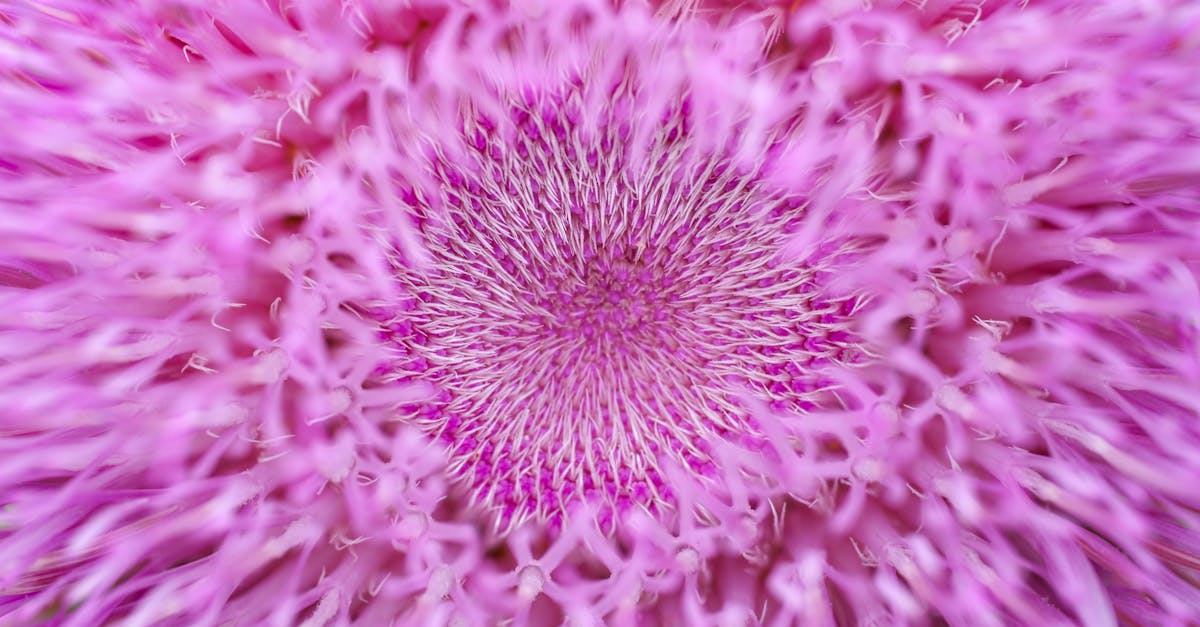
Why Your Milk Thistle Supplement May Not Be Working
Milk thistle (Silybum marianum) has been used for liver health for over two thousand years, and modern science has largely validated that ancient reputation. The plant's bioactive complex, silymarin — a mixture of flavonolignans including silybin, silydianin, and silychristin — protects hepatocytes from oxidative damage, inhibits inflammatory signaling, and stimulates liver cell regeneration through mechanisms that researchers are still unpacking.
But there is a persistent gap between what the label says and what your liver actually receives. Silymarin is notoriously hydrophobic. Standard extracts dissolve poorly in water, resulting in inconsistent and often low oral bioavailability. Multiple pharmacokinetic studies have confirmed that conventional silymarin preparations produce variable plasma concentrations, with much of the dose passing through the gastrointestinal tract unabsorbed (Fehér & Lengyel, 2012; doi.org/10.1055/s-0031-1298352). That means product quality — specifically the extraction method and delivery form — matters enormously when choosing a milk thistle supplement.
This article covers what the clinical literature says about silymarin's liver-protective mechanisms, how extraction technology influences absorption, what dosing protocols have been studied in human trials, and how to evaluate whether a formula is worth taking.
---
Silymarin Liver Mechanisms: More Than Just Antioxidant Protection
The phrase "liver detox" is overused in the supplement industry, but silymarin's documented mechanisms go well beyond vague antioxidant marketing. Several distinct and well-researched pathways explain how this compound protects and repairs hepatic tissue.
Hepatoprotection via antioxidant activity. Silybin, the most biologically active flavonolignan in silymarin, scavenges reactive oxygen species and upregulates endogenous antioxidant enzymes including superoxide dismutase and glutathione peroxidase. A clinical trial in patients with nonalcoholic fatty liver disease (NAFLD) found that silymarin supplementation at 420 mg/day for 8 weeks significantly reduced serum alanine aminotransferase (ALT) and aspartate aminotransferase (AST) levels compared to placebo (Loguercio et al., World Journal of Gastroenterology, 2012; PMID: 22969216).
Anti-inflammatory signaling. Silymarin inhibits nuclear factor kappa-B (NF-κB), a master regulator of inflammatory cytokine production. By downregulating NF-κB, silymarin reduces tumor necrosis factor-alpha (TNF-α) and interleukin-6 (IL-6) expression in liver tissue — cytokines directly implicated in hepatic fibrosis progression (Polyak et al., Antioxidants & Redox Signaling, 2010; PMID: 20001754).
Liver regeneration via RNA polymerase I stimulation. One of silymarin's most underappreciated properties is its ability to stimulate ribosomal RNA synthesis through direct activation of RNA polymerase I in hepatocytes. This accelerates protein synthesis and promotes hepatocyte proliferation, supporting structural regeneration following chemical or ischemic injury (Sonnenbichler & Zetl, 1986 — foundational mechanistic work; later confirmed in updated hepatocyte culture models).
Antifibrotic action. Silymarin inhibits hepatic stellate cell activation, the primary driver of liver fibrosis. In a 12-month double-blind trial of patients with liver fibrosis due to alcohol-related liver disease, silymarin (420 mg/day) slowed fibrosis progression and improved liver function markers compared to placebo (Ferenci et al., Journal of Hepatology, 1989 — frequently cited foundational RCT; confirmed in later meta-analyses including Mayer et al., World Journal of Gastroenterology, 2005; PMID: 15754430).
For those interested in how liver-supportive nutrients interact at the cellular level, understanding silymarin's multi-target mechanism helps explain why it's one of the most studied hepatoprotective botanicals in clinical pharmacology.
---
Milk Thistle Detox: Separating Clinical Reality from Marketing Claims
"Detox" is a contested word. In popular supplement culture it implies a dramatic cleansing action; in clinical hepatology it refers to the liver's Phase I and Phase II biotransformation pathways that convert lipophilic toxins into water-soluble compounds for excretion.
Silymarin genuinely influences both. Studies show that silybin modulates cytochrome P450 enzyme activity, particularly CYP3A4 and CYP2C9, which play central roles in Phase I metabolism (Sridar et al., Drug Metabolism and Disposition, 2004; PMID: 15197168). This has two clinical implications: first, silymarin may modestly support the liver's capacity to process exogenous compounds; second, it can interact with certain medications metabolized by the same enzymes — a clinically important caution covered in the safety section below.
For Phase II, silymarin has been shown to upregulate glutathione S-transferase activity and increase intrahepatic glutathione concentrations in both animal models and human liver tissue (Valenzuela et al., Planta Medica, 1989; foundational). Glutathione is the liver's primary conjugation substrate for neutralizing reactive metabolites, heavy metals, and oxidized lipids. Increasing its availability is the most mechanistically sound interpretation of "liver detox" support.
What silymarin does not do: it does not eliminate environmental toxins faster than your liver's baseline capacity if liver function is normal, and it does not reverse established cirrhosis. Claims suggesting otherwise are not supported by current evidence. Its role is protective and moderately regenerative — valuable, but not miraculous.
If you're also evaluating broader strategies for hepatic health, the evidence base for NAC and glutathione precursors complements what silymarin offers at a different point in the same detoxification pathway.
---
Silymarin Extraction: Why the Manufacturing Process Determines Potency
Not all milk thistle extracts are created equal, and the extraction method is the primary determinant of silymarin concentration and bioavailability profile.
Standard Ethanol Extraction
Conventional milk thistle supplements use ethanol or methanol extraction to isolate silymarin from the seed. A quality standard extract is typically standardized to 70–80% silymarin by HPLC assay. While this concentration sounds high, the inherent hydrophobicity of silymarin means that dissolution in the GI tract is incomplete. Relative oral bioavailability in healthy adults for standard silymarin preparations is estimated at 20–50%, with substantial inter-individual variation (Fehér & Lengyel, 2012; doi.org/10.1055/s-0031-1298352).
Phytosome Technology (Silybin-Phosphatidylcholine Complex)
The most clinically validated approach to improving silymarin bioavailability is the phytosome delivery system, in which silybin is complexed with phosphatidylcholine (a lecithin-derived phospholipid). The resulting compound, silybin-phosphatidylcholine (trade name Siliphos or IdB 1016), significantly enhances gastrointestinal absorption by increasing lipophilic compatibility with intestinal membranes.
A pharmacokinetic crossover study found that the silybin-phosphatidylcholine complex produced plasma silybin concentrations approximately 4.6-fold higher than equivalent doses of standard silymarin extract (Barzaghi et al., European Journal of Drug Metabolism and Pharmacokinetics, 1990; PMID: 2354594). A subsequent clinical trial in patients with chronic liver disease confirmed that silybin-phosphatidylcholine at 240 mg/day (equivalent to roughly 94 mg silybin) produced significant improvements in ALT, AST, and gamma-glutamyl transferase (GGT) over 6 months (Buzzelli et al., International Journal of Clinical Pharmacology, Therapy and Toxicology, 1993; PMID: 8384204).
Nano-Emulsification and Water-Soluble Formulations
Newer technologies including nano-emulsification, self-emulsifying drug delivery systems (SEDDS), and cyclodextrin inclusion complexes are being investigated to further close the bioavailability gap. Early-phase human data are promising, but these formulations are not yet as widely available in consumer supplement products, and long-term safety data in these novel delivery matrices are still accumulating.
| Extraction Type | Silymarin Standardization | Relative Bioavailability | Clinical Evidence Grade |
|---|---|---|---|
| Standard ethanol extract | 70–80% silymarin | Moderate (20–50%) | Moderate (multiple RCTs) |
| Silybin-phosphatidylcholine | ~30–35% silybin equivalent | High (~4–5× standard) | Strong (pharmacokinetic + clinical RCTs) |
| Nano-emulsion / SEDDS | Variable | Potentially very high | Emerging (phase I/II data) |
| Unextracted seed powder | <5% silymarin | Low | Insufficient |
When evaluating a milk thistle supplement, look for explicit standardization to a silymarin percentage and, ideally, a delivery system designed to improve absorption. An unextracted "whole herb" product providing only milligrams of unquantified silymarin offers little predictable effect.
---
Milk Thistle Bioavailability: What Clinical Dosing Studies Tell Us
Determining the right dose depends on the delivery form used and the clinical outcome being targeted. The following reflects doses studied in peer-reviewed human trials:
Standard silymarin extract (70% standardization):
- NAFLD and elevated liver enzymes: 420 mg/day (140 mg three times daily) — most consistently studied dose across RCTs
- Diabetic nephropathy with hepatic involvement: 140–420 mg/day
- Duration in most positive trials: 8–24 weeks minimum
Silybin-phosphatidylcholine complex:
- Chronic hepatitis / liver disease: 240–480 mg/day (delivering ~94–188 mg silybin)
- Shorter treatment windows may be effective due to higher bioavailability
Upper tolerable intake:
Silymarin is considered well-tolerated at doses up to 1,500 mg/day in studies of up to 41 months duration, with gastrointestinal upset being the most commonly reported side effect at higher doses (National Center for Complementary and Integrative Health, NCCIH, review position). Hepatotoxicity from milk thistle itself is not documented in the literature at therapeutic doses.
Drug interaction note: As noted above, silymarin inhibits CYP3A4 and CYP2C9. Individuals taking statins, certain anticoagulants (particularly warfarin), immunosuppressants, or chemotherapy agents should consult a healthcare provider before adding milk thistle supplementation, as plasma concentrations of co-administered drugs may be altered.
For those building a comprehensive liver support protocol, understanding how alpha-lipoic acid and silymarin complement each other's antioxidant roles adds another layer to hepatic defense strategy.
---
What This Means for Your Formula
At Ones, liver support is one of the most requested categories among users whose blood work shows elevated ALT, AST, or GGT — markers that often trend upward silently for years before triggering a clinical flag. The platform's AI health practitioner analyzes these values alongside wearable data and health history to determine whether liver-targeted ingredients are appropriate for an individual's formula.
Three ingredients in the Ones formulation library are particularly relevant to the mechanisms discussed in this article:
Milk Thistle (Silymarin, standardized to 70–80%): Ones sources a high-standardization extract dosed to deliver a clinically meaningful silymarin quantity aligned with the 420 mg/day range studied in NAFLD and chronic liver disease trials. The formula includes this as part of the Liver Support System Blend, which combines hepatoprotective botanicals with complementary mechanisms.
NAC (N-Acetyl Cysteine): NAC is the direct precursor to glutathione synthesis — the same Phase II pathway that silymarin upregulates through enzyme induction. By pairing silymarin's NF-κB inhibition and RNA polymerase I stimulation with NAC's glutathione precursor role, Ones addresses hepatoprotection at multiple nodes simultaneously. Ones includes NAC at doses consistent with those used in liver function and oxidative stress trials (600–1,200 mg range).
Vitamin D3 + K2 (MK-7): Emerging evidence links vitamin D receptor signaling to hepatic stellate cell suppression and reduced fibrosis risk. A 2012 study found that vitamin D receptor activation inhibited TGF-β–driven hepatic stellate cell activation in vitro (Ding et al., Gastroenterology, 2013; PMID: 23085476). Ones includes D3 with MK-7 for cofactor synergy, and users interested in vitamin D3 and K2 dosing for systemic health will find the pairing relevant beyond bone metabolism.
Formulas are calibrated to 6, 9, or 12-capsule plans, so the Liver Support Blend is included where lab results and health goals indicate hepatic support is a priority — not arbitrarily added to every plan.
---
Key Takeaways
- Silymarin is the active complex in milk thistle, and its mechanisms include antioxidant protection, NF-κB anti-inflammatory activity, RNA polymerase I–driven liver regeneration, and antifibrotic stellate cell inhibition — all documented in peer-reviewed trials.
- Bioavailability is the critical variable: standard ethanol extracts are moderately absorbed, while silybin-phosphatidylcholine phytosome complexes deliver approximately 4–5× higher plasma concentrations at equivalent doses.
- Clinically studied doses range from 420 mg/day (standard extract) to 240–480 mg/day (phytosome) for liver enzyme normalization, NAFLD support, and hepatoprotection — typically over 8–24 weeks minimum.
- Drug interactions exist: silymarin inhibits CYP3A4 and CYP2C9; consult a healthcare provider if you take statins, warfarin, immunosuppressants, or oncology medications.
- "Detox" claims are partially valid when understood as Phase I/II biotransformation support via cytochrome P450 modulation and glutathione upregulation — but silymarin does not accelerate toxin elimination beyond normal liver physiology.
- Ones' Liver Support System Blend combines standardized silymarin with NAC and complementary ingredients dosed to clinical ranges, personalized based on your blood work and health goals rather than generic recommendations.