Supplements
Molybdenum Benefits: Evidence-Backed Benefits and Realistic Expectations
Molybdenum sits quietly in the shadow of more glamorous minerals, yet without it, key detoxification enzymes simply stop working. Most people consume enough through food — but certain genetic variants, gut conditions, and high-sulfite diets can create functional gaps that affect everything from sulfite sensitivity to uric acid metabolism. Here's what the science actually supports, and where realistic expectations should be set.
Molybdenum Benefits: Evidence-Backed Benefits and Realistic Expectations
Molybdenum is not a supplement you'll see advertised on billboards or pushed by fitness influencers. It's a trace mineral that operates quietly at the cellular level — a cofactor for four known human enzymes that collectively handle tasks ranging from breaking down sulfite to metabolizing certain amino acids and drugs. Yet when molybdenum status is insufficient, those enzymatic pathways can falter in ways that produce real, measurable symptoms.
This article covers what molybdenum actually does in the body, what the clinical evidence supports, what it does not support, and how modern personalized nutrition platforms like Ones approach trace mineral sufficiency as part of a broader metabolic picture.
---
What Molybdenum Does in the Human Body
Molybdenum functions exclusively as a cofactor — it doesn't act alone but must be incorporated into a molybdenum cofactor (MoCo) complex before enzymes can use it. The four molybdoenzymes confirmed in humans are:
- Sulfite oxidase — converts sulfite to sulfate, protecting cells from sulfite toxicity
- Xanthine oxidase/dehydrogenase — catalyzes the final steps of purine catabolism, producing uric acid
- Aldehyde oxidase — oxidizes aldehydes and contributes to drug and xenobiotic metabolism
- Mitochondrial amidoxime reducing component (mARC) — involved in reducing N-hydroxylated compounds
Of these, sulfite oxidase is considered the most biologically critical for human health. Severe genetic molybdenum cofactor deficiency (MoCD) — an extremely rare inborn error of metabolism — results in catastrophic neurological damage due to sulfite accumulation, underscoring how essential this cofactor is (Reiss & Johnson, Human Mutation 2003; PMID: 14517946).
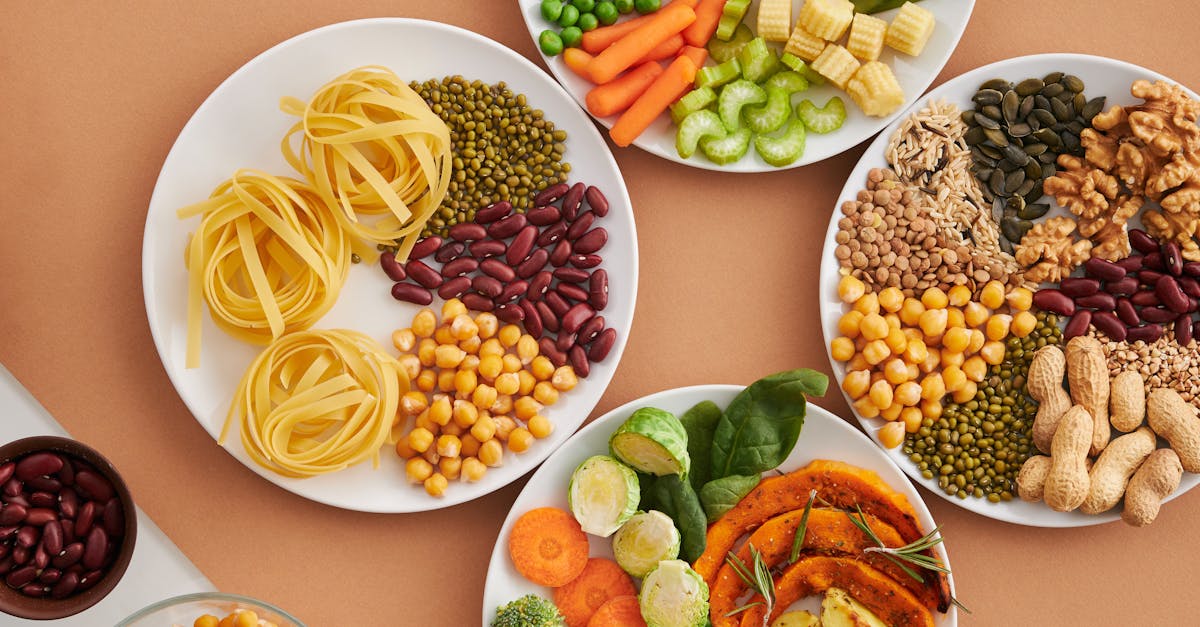
For the vast majority of people, however, overt molybdenum deficiency from diet alone is rare. The Recommended Dietary Allowance (RDA) for adults is 45 mcg/day, and the Tolerable Upper Intake Level (UL) is 2,000 mcg/day — a wide safety margin. Legumes, whole grains, nuts, and leafy vegetables are rich dietary sources (NIH Office of Dietary Supplements, Molybdenum Fact Sheet for Health Professionals).
---
The Primary Benefit: Sulfite Detoxification and Sensitivity
The most clinically grounded molybdenum benefit relates to sulfite oxidase activity. Sulfites are naturally occurring and also widely used as preservatives in wine, dried fruits, deli meats, and processed foods. In individuals with reduced sulfite oxidase function — whether due to low molybdenum status, genetic polymorphisms, or both — unmetabolized sulfites can trigger symptoms including headaches, flushing, respiratory reactions, and GI distress.
While large-scale RCTs specifically on molybdenum supplementation for sulfite sensitivity are limited, the biochemical pathway is well-characterized. A molybdenum-deficient animal model consistently demonstrates impaired sulfite oxidase activity and sulfite accumulation (Bittner & Mendel, Trends in Plant Science 2010; doi.org/10.1016/j.tplants.2010.01.001). Human clinical relevance is further supported by studies on individuals with low molybdenum intake showing measurable reductions in sulfite oxidase activity that normalize with supplementation (NIH ODS, Molybdenum Fact Sheet).
For people who react to wine, preserved meats, or dried fruits but have never identified why, molybdenum status is a clinically reasonable thing to consider — particularly when combined with data from lab work or a comprehensive functional panel.
---
Molybdenum and Purine Metabolism: The Uric Acid Connection
Xanthine oxidase — one of the four molybdoenzymes — catalyzes the conversion of hypoxanthine to xanthine and xanthine to uric acid. This positions molybdenum at the center of purine catabolism.
Interestingly, xanthine oxidase inhibition (not activation) is the mechanism of gout drugs like allopurinol. This creates a nuanced picture: molybdenum is required for xanthine oxidase to function, meaning adequate molybdenum is necessary for normal purine processing, but excessive xanthine oxidase activity can contribute to elevated uric acid and oxidative stress via reactive oxygen species generation.
This does not mean molybdenum supplementation raises uric acid to harmful levels in healthy individuals — at physiological intake ranges, the enzyme operates within normal homeostatic bounds. However, individuals with existing hyperuricemia should discuss molybdenum supplementation with a healthcare provider before adding it to a formula.
---
What Molybdenum Does NOT Do (Setting Realistic Expectations)
The internet is not short of overblown molybdenum claims. Let's be direct about what the evidence does not support:
- Molybdenum is not a heavy metal detoxifier in any clinically proven, direct sense. Claims that it chelates mercury or lead are not supported by human clinical data.
- It is not a standalone energy booster. Fatigue attributed to molybdenum deficiency is extremely rare and should not be assumed without ruling out far more common causes like iron, B12, or vitamin D insufficiency.
- It does not directly support joint health in the way that collagen precursors or anti-inflammatory nutrients do.
- It is not a hormone regulator on its own.
Understanding the realistic scope of molybdenum's action helps you prioritize it appropriately in a supplement stack — as a trace mineral ensuring specific enzymatic function, not as a broad-spectrum wellness compound.
---
MSM (Methylsulfonylmethane) Benefits: A Complementary Sulfur Compound
Any honest discussion of sulfur metabolism — which is precisely where molybdenum's primary enzymatic role operates — should acknowledge MSM, or methylsulfonylmethane. MSM is an organosulfur compound that serves as a bioavailable source of sulfur and has demonstrated anti-inflammatory and antioxidant properties in human trials.
A randomized, double-blind trial of 52 men with knee osteoarthritis found that 3g of MSM twice daily for 12 weeks significantly reduced WOMAC pain and physical function scores compared to placebo (Kim et al., Osteoarthritis and Cartilage 2006; PMID: 16309928). Additional research has explored MSM's role in reducing exercise-induced muscle damage and oxidative stress — a 2017 randomized study in healthy adults found that 3g/day for 28 days reduced markers of muscle damage and oxidative stress following downhill running (Nakhostin-Roohi et al., Journal of the International Society of Sports Nutrition 2011; PMID: 21970266).
The connection to molybdenum: both compounds intersect with sulfur biochemistry. MSM provides sulfur for methylation and connective tissue synthesis; molybdenum ensures that sulfite byproducts of sulfur metabolism are safely converted to sulfate. If you're interested in the clinical evidence for sulfur-based compounds in joint health, understanding both their mechanisms and their limits is essential.
---
5-HTP Benefits: A Different Pathway Worth Understanding
One supplement frequently combined with trace minerals in comprehensive formulas is 5-HTP (5-hydroxytryptophan), the direct precursor to serotonin. While 5-HTP operates in an entirely different biochemical lane from molybdenum, it's worth addressing here because both are ingredients that carry realistic expectations — and both are frequently overhyped.
5-HTP is synthesized from tryptophan via tryptophan hydroxylase and crosses the blood-brain barrier to increase central serotonin production. A Cochrane-adjacent systematic review found preliminary evidence that 5-HTP may be more effective than placebo for depression, though the authors noted methodological limitations in existing trials (Shaw et al., Cochrane Database of Systematic Reviews 2002; PMID: 12076464). Dosing in clinical trials typically ranges from 150–300 mg/day.
For sleep, a small but notable study found that a combination of 5-HTP and GABA reduced sleep latency and improved sleep quality in adults with insomnia (Shell et al., American Journal of Therapeutics 2010; PMID: 19417589). The realistic expectation: 5-HTP is not a replacement for antidepressants or sleep medication, and anyone on SSRIs or MAOIs should not combine 5-HTP without explicit medical supervision due to serotonin syndrome risk.
Platforms like Ones evaluate the full picture — including medications, lab values, and health goals — before including ingredients like 5-HTP in a personalized formula, precisely because contextual safety matters as much as efficacy.
---
Lycopene Benefits: The Antioxidant Case
Lycopene, the carotenoid that gives tomatoes and watermelon their red color, appears in discussions of trace mineral health because antioxidant status broadly influences how efficiently enzymatic cofactors like molybdenum function. Oxidative stress can impair enzyme activity across multiple systems.
Lycopene has a well-documented antioxidant profile. A meta-analysis of 21 studies found that lycopene supplementation significantly reduced serum LDL cholesterol and blood pressure (Cheng et al., PLOS ONE 2019; doi.org/10.1371/journal.pone.0223165). For prostate health specifically, observational data consistently links higher lycopene intake with reduced prostate cancer risk, though RCT evidence for supplementation is more mixed (Clinton, Experimental Biology and Medicine 1998; PMID: 9442169).
Typical clinical doses range from 7–15 mg/day. Food-based lycopene from cooked tomatoes (which increases bioavailability) can meaningfully contribute to intake. Lycopene is not a trace mineral cofactor, but its inclusion in a broader antioxidant strategy supports the cellular environment in which molybdoenzymes and other micronutrients operate.
---
Cordyceps Mushroom Benefits: Metabolic and Mitochondrial Support
Cordyceps sinensis and Cordyceps militaris are adaptogenic fungi that have attracted serious clinical interest for their effects on ATP production, oxygen utilization, and exercise performance. Their mechanism is thought to involve adenosine analogs and beta-glucans that enhance mitochondrial efficiency.
A randomized controlled trial of 28 healthy older adults found that supplementation with a proprietary Cordyceps militaris extract (CS-4) at 1g/day for 12 weeks significantly improved VO2 max compared to placebo (Chen et al., Journal of Alternative and Complementary Medicine 2010; PMID: 20804368). A separate study of 30 healthy adults found that Cordyceps supplementation improved time-to-exhaustion and ventilatory threshold during cycling (Hirsch et al., Journal of Dietary Supplements 2017; PMID: 28071962).
For people tracking performance through wearable data — which Ones integrates alongside lab values — ingredients like Cordyceps that measurably influence VO2 max and recovery represent a meaningful lever. Understanding the evidence behind adaptogenic mushrooms for energy helps contextualize where they fit relative to direct metabolic cofactors like molybdenum.
---
Molybdenum Dosing: What Clinical and Regulatory Guidelines Say
| Population | RDA (mcg/day) | UL (mcg/day) |
|---|---|---|
| Adult men | 45 | 2,000 |
| Adult women | 45 | 2,000 |
| Pregnant women | 50 | 2,000 |
| Breastfeeding women | 50 | 2,000 |
| Children (9–13 yrs) | 34 | 1,100 |
Source: NIH Office of Dietary Supplements, Molybdenum Fact Sheet
Supplemental molybdenum is typically offered as sodium molybdate or ammonium molybdate, often in the range of 75–250 mcg per dose in commercial supplements. This range comfortably exceeds the RDA without approaching the UL. At doses below 2,000 mcg/day, molybdenum is considered safe for most adults.
There is no established therapeutic dose for specific clinical outcomes beyond cofactor sufficiency. Anyone with a known purine metabolism disorder or gout should consult a physician before supplementing.
---
What This Means for Your Formula
At Ones, trace mineral status is evaluated within the context of your full health picture — blood work markers, dietary patterns captured through health history, and wearable data that reveals physiological patterns like HRV, sleep quality, and recovery trends. Molybdenum itself is one component of a broader enzymatic sufficiency evaluation.
Here are three Ones ingredients most relevant to the sulfur metabolism and detoxification pathways where molybdenum operates:
1. Molybdenum (as sodium molybdate, 150 mcg)
Dosed above the RDA but well within safe limits, Ones includes molybdenum in formulas where sulfite sensitivity signals, dietary analysis, or functional detoxification concerns suggest a need. This dose supports sulfite oxidase and xanthine oxidase cofactor saturation without approaching the UL.
2. Liver Support Blend (Ones proprietary System Blend)
Ones' Liver Support includes ingredients that work alongside molybdenum in the broader detoxification ecosystem. Hepatic phase I and phase II enzyme activity depends on a constellation of cofactors, not molybdenum alone. This blend addresses that larger enzymatic context — relevant for anyone whose lab data or health history suggests suboptimal detoxification capacity.
3. Magnesium Glycinate (from Ones' Magnesium Complex)
Magnesium is a cofactor for over 300 enzymes, including several involved in sulfur amino acid metabolism. Many individuals with sulfite sensitivity or impaired methylation also present with low-normal magnesium. Ones' magnesium glycinate formula provides a highly bioavailable form at clinically meaningful doses, supporting the broader enzymatic environment in which molybdenum functions.
Because Ones formulas are built to a 6, 9, or 12-capsule budget based on your data, trace minerals like molybdenum are only included when your specific profile — not a generic template — suggests genuine value. That's the fundamental difference between precision supplementation and guesswork.
---
Key Takeaways
- Molybdenum's primary validated role is as a cofactor for four human enzymes: sulfite oxidase, xanthine oxidase, aldehyde oxidase, and mARC — with sulfite oxidase being the most clinically significant for everyday health.
- Sulfite sensitivity symptoms — headaches, flushing, GI distress after wine or preserved foods — may reflect suboptimal sulfite oxidase activity, making molybdenum status a relevant clinical question in those cases.
- The RDA is 45 mcg/day for adults; supplemental doses of 75–250 mcg/day are common and safe, well below the 2,000 mcg/day UL.
- Realistic expectations matter: molybdenum is not a detox agent, energy booster, or hormone regulator — it's a trace mineral ensuring specific enzymatic function.
- Complementary ingredients like MSM (sulfur metabolism), Liver Support blends, and magnesium work synergistically with molybdenum in detoxification and metabolic pathways.
- Personalized supplementation platforms like Ones use lab data and health history to determine whether molybdenum actually belongs in your formula — because supplementing without data-driven rationale adds cost without adding value.
This article is for informational purposes only and does not constitute medical advice. Consult a qualified healthcare provider before making changes to your supplement regimen, especially if you have a diagnosed medical condition or take prescription medications.