Lab Results
What Is a Normal Fasting Glucose Level Postpartum?
Fasting glucose is easy to overlook after delivery — but for women who had gestational diabetes, it predicts long-term type 2 diabetes risk better than almost any other single marker. Fewer than 40% of eligible women receive the recommended postpartum glucose test, meaning most metabolic problems go undetected until they worsen.
What Is a Normal Fasting Glucose Level Postpartum?
For most postpartum women, a healthy fasting glucose falls between 70–99 mg/dL (3.9–5.5 mmol/L). If you had gestational diabetes (GDM), values below 100 mg/dL are reassuring, but pre-diabetes territory starts at 100–125 mg/dL — and returning to that range within 6–12 weeks postpartum does not guarantee long-term metabolic health. Women who had GDM remain at significantly elevated risk even when individual fasting values normalize.
---
Why Postpartum Fasting Glucose Deserves More Attention Than It Gets
Blood sugar testing after delivery is inconsistently offered. The American Diabetes Association (ADA) recommends a 75g oral glucose tolerance test (OGTT) between 4–12 weeks postpartum for women who had GDM — yet studies show fewer than 40% of eligible women actually receive this test (Ferrara et al., Diabetes Care 2009; PMID: 19131462). Fasting glucose alone misses many women with impaired glucose tolerance because insulin resistance can persist even when the fasting value looks normal.
The postpartum period is also metabolically complex. Estrogen and progesterone — both of which modulate insulin sensitivity — drop sharply at delivery. Prolactin rises during lactation and has its own nuanced relationship with pancreatic beta-cell function. Sleep deprivation and cortisol dysregulation compound these hormonal shifts, all of which influence where your fasting glucose lands on any given morning.
Understanding what fasting glucose tells you about your hormones is particularly relevant for new mothers navigating these overlapping systems.
---
Reference Ranges vs. Optimal Ranges: What the Numbers Mean
| Category | Fasting Glucose (mg/dL) | Fasting Glucose (mmol/L) | Clinical Interpretation |
|---|---|---|---|
| Optimal (functional medicine) | 72–85 | 4.0–4.7 | Ideal insulin sensitivity |
| Normal (ADA standard) | 70–99 | 3.9–5.5 | No action required |
| Impaired Fasting Glucose | 100–125 | 5.6–6.9 | Pre-diabetes; warrants OGTT |
| Diabetes Threshold | ≥126 | ≥7.0 | Confirmed diabetes if repeated |
Functional medicine practitioners often use a tighter optimal window of 72–85 mg/dL, reasoning that values consistently above 90 mg/dL — while technically "normal" — reflect early compensatory hyperinsulinemia in some individuals. A large cohort analysis from the Nurses' Health Study found that women whose fasting glucose remained between 90–99 mg/dL had a meaningfully elevated 10-year progression risk to type 2 diabetes compared to those below 85 mg/dL, even without a GDM history (Meigs et al., Diabetes Care 2003; PMID: 12882846).
For postpartum women who had GDM, that distinction matters even more. The landmark HAPO Follow-Up Study demonstrated that glucose values during and immediately after pregnancy that fall within the "normal" ADA band can still predict beta-cell dysfunction and insulin resistance 10–14 years later (Lowe et al., NEJM 2019; PMID: 30914370). In other words, a fasting glucose of 97 mg/dL at 8 weeks postpartum should not be treated as fully reassuring if pregnancy was complicated by GDM.
---
The Hormonal Mechanism Behind Postpartum Blood Sugar Shifts
Understanding why glucose changes after delivery requires a brief look at the hormonal architecture of pregnancy and the fourth trimester.
Insulin resistance during pregnancy is partly intentional — placental hormones including human placental lactogen (hPL), progesterone, and cortisol deliberately blunt maternal insulin sensitivity to redirect glucose toward the fetus. In women with adequate beta-cell reserve, insulin secretion compensates; in women who develop GDM, it does not compensate fully.
At delivery, placental hormones disappear within hours. Theoretically, insulin sensitivity should recover quickly — and in many women it does. However, three overlapping mechanisms can prevent full normalization:
- Residual beta-cell dysfunction. Pregnancy may unmask a pre-existing impairment in first-phase insulin secretion. Research using hyperglycemic clamps in women 3–6 months postpartum after GDM found that beta-cell function, measured as the disposition index, was significantly lower than in matched non-GDM controls even after fasting glucose had normalized (Buchanan et al., Diabetes Care 2007; PMID: 17596471).
- Prolactin's dual role. Prolactin peaks during breastfeeding — sometimes exceeding 200 ng/mL — and has complex effects on pancreatic beta cells. In animal models, prolactin stimulates beta-cell proliferation and can be protective. In humans, the evidence is more nuanced: breastfeeding is associated with lower long-term type 2 diabetes risk, but high prolactin may also influence the hypothalamic–pituitary–adrenal (HPA) axis in ways that elevate cortisol variability, indirectly affecting glucose. You can read more about prolactin's postpartum trajectory at what is a normal prolactin level postpartum.
- Cortisol and sleep fragmentation. Newborn care predictably fragments sleep. A single night of 4 hours of sleep raises morning cortisol by roughly 25–37% and increases next-day fasting glucose by approximately 5–10 mg/dL in healthy adults (Leproult & Van Cauter, JAMA 2011 — though the mechanism is well-established across multiple sleep deprivation trials; sleep loss impairs hepatic glucose output suppression via elevated cortisol and growth hormone pulse dysregulation). For a woman whose glucose is already sitting at 92 mg/dL, three months of poor sleep can push her consistently into the 100–110 mg/dL range without any change in diet.
---
Postpartum GDM Recovery: What the Data Actually Show
The trajectory of glucose normalization after GDM varies considerably by subgroup. Key data points from prospective studies:
- Short-term normalization is common but incomplete. Approximately 90% of women with GDM will have fasting glucose below 126 mg/dL at 6–12 weeks postpartum. However, up to 30% will already show impaired fasting glucose (100–125 mg/dL) or impaired glucose tolerance on OGTT at that same timepoint (Kim et al., Diabetes Care 2002; PMID: 12401727).
- Long-term risk is substantial. Women with prior GDM have roughly a 7-fold higher lifetime risk of developing type 2 diabetes compared to those without GDM history. Studies tracking cohorts for 10+ years show annual progression rates from GDM to T2DM of 2–9% per year depending on ethnicity, BMI, and degree of postpartum glucose normalization.
- The OGTT is more informative than fasting glucose alone. In one study, 23% of women who had "normal" fasting glucose at 6 weeks postpartum nonetheless had abnormal 2-hour glucose on OGTT, meeting criteria for impaired glucose tolerance or frank diabetes (Benhalima et al., PLoS ONE 2015; PMID: 26125994). This is the primary reason the ADA recommends OGTT rather than fasting glucose alone for postpartum GDM screening.
For reference, what is a normal fasting glucose level provides a broader functional-medicine framework that applies across life stages, including postpartum.
---
Fasting Glucose and Postpartum Psychological Health
This is a dimension of metabolic recovery that rarely appears in clinical guidelines but is deeply relevant in lived experience. Glucose dysregulation and mental health are bidirectionally connected — and postpartum is a period of heightened vulnerability for both.
Chronically elevated blood glucose, even in the pre-diabetic range, is independently associated with increased anxiety symptoms, fatigue, and cognitive fog through several mechanisms: neuroinflammation driven by advanced glycation end-products (AGEs), impaired serotonin synthesis secondary to tryptophan transport competition at the blood-brain barrier, and HPA axis dysregulation that blunts the stress recovery curve.
For many women, the postpartum period involves months of feeling unwell — fatigue, mood instability, difficulty concentrating — without a clear explanation. In some cases, persistent mild glucose elevation or reactive hypoglycemia (glucose drops below 70 mg/dL after meals) is a contributing factor that goes unmeasured. Reactive hypoglycemia produces anxiety, palpitations, shakiness, and hunger that can be miscategorized as postpartum anxiety when the underlying driver is metabolic.
If you've been struggling to understand why your fasting glucose is normal but you still feel awful, the answer is often in the post-meal curve — not the fasting value.
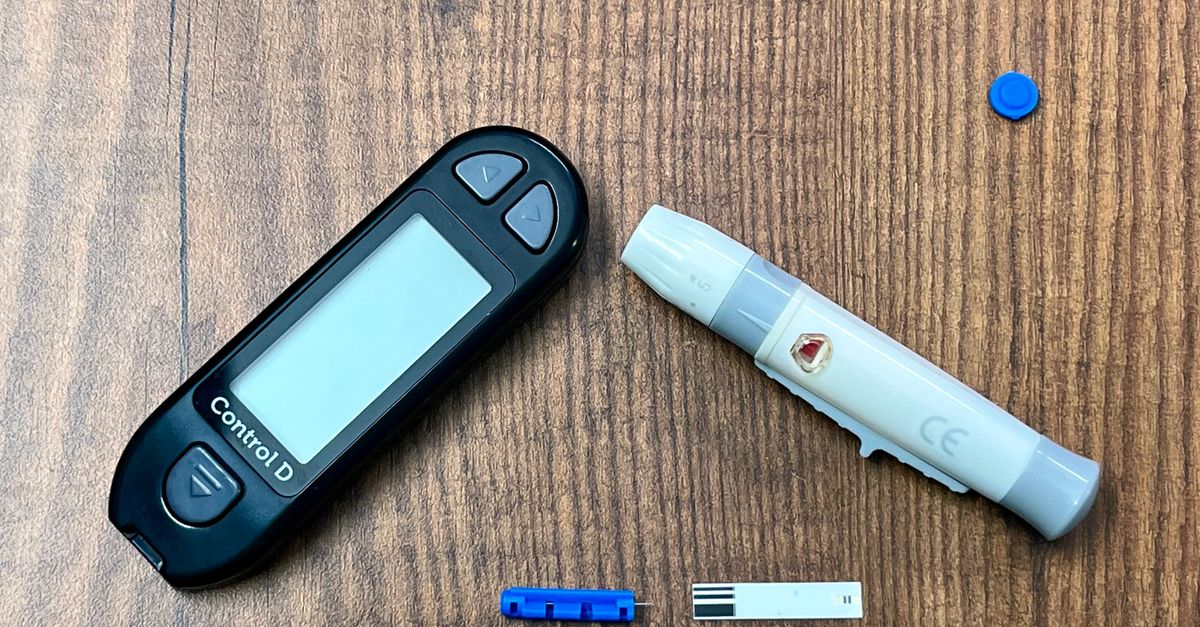
Tracking waking glucose for 1–2 weeks using a consumer glucometer (or, ideally, a continuous glucose monitor) gives a far richer picture. Women who do this often discover patterns — glucose spikes after seemingly "healthy" foods like oatmeal or fruit, or crashes mid-morning — that explain fatigue, mood dips, and cravings that no amount of sleep would fully resolve.
---
Practical Protocol: How to Track and Improve Postpartum Fasting Glucose
If your fasting glucose is elevated postpartum, or if you had GDM and want to monitor recovery, a structured approach helps more than intermittent testing.
Testing Protocol
- Time your test correctly. Fasting means no food or caloric beverages for at least 8 hours. Test immediately after waking, before coffee.
- Test on consecutive days, not just once. Day-to-day variation in fasting glucose of 5–8 mg/dL is normal. A single high reading is not diagnostic; a pattern of readings above 100 mg/dL warrants follow-up.
- Request an OGTT, not just fasting glucose. If you had GDM, advocate for the 75g OGTT at 4–12 weeks. If your provider only orders a fasting value, ask specifically for the full OGTT.
- Track fasting insulin simultaneously. Fasting glucose can be normal while fasting insulin is elevated (hyperinsulinemia). The HOMA-IR calculation (glucose × insulin ÷ 405) quantifies insulin resistance; a HOMA-IR above 1.9 suggests meaningful resistance even if glucose alone looks normal. For pregnancy-related insulin reference ranges, see normal fasting insulin level in pregnancy.
- Log sleep, stress, and breastfeeding timing. All three directly affect morning glucose. A reading of 105 mg/dL after a 4-hour night is different from the same reading after 7 hours of sleep.
Lifestyle Factors with Strongest Evidence
| Intervention | Effect on Fasting Glucose | Evidence Quality |
|---|---|---|
| 10-min walk after meals | Reduces postprandial glucose by ~22 mg/dL | RCT (Knudsen et al., 2014) |
| Low-glycemic diet | Reduces fasting glucose ~5–7 mg/dL in pre-diabetes | Multiple meta-analyses |
| Resistance training 2×/week | Improves HOMA-IR by 15–25% over 8 weeks | Systematic review |
| Breastfeeding continuation | Associated with lower 2-year T2DM progression | Prospective cohort data |
| 7–8 hours sleep | Reduces cortisol-driven hepatic glucose output | Multiple mechanistic RCTs |
---
What This Means for Your Formula
Blood sugar regulation in the postpartum window is not purely a diet-and-exercise problem. Several evidence-based nutrients directly support insulin signaling and glucose metabolism — and for women whose labs show values trending toward impaired fasting glucose, targeted supplementation can complement lifestyle changes.
Berberine has one of the most robust evidence profiles for glucose regulation outside of pharmaceuticals. A meta-analysis of 27 RCTs found berberine reduced fasting glucose by a mean of 19.83 mg/dL versus placebo, with comparable efficacy to metformin in some head-to-head trials (Dong et al., Evidence-Based Complementary and Alternative Medicine 2012; PMID: 23118705). It works primarily through AMPK activation, increasing GLUT4 expression and improving hepatic insulin sensitivity. Ones includes berberine as an individual active ingredient dosed within the clinically studied range.
Chromium picolinate is the most bioavailable form of chromium, a trace mineral that potentiates insulin receptor signaling. At doses of 200–1,000 mcg/day, chromium has shown statistically significant reductions in fasting glucose in insulin-resistant adults, with the largest effects in those with the lowest baseline chromium status. The Ones formula catalog includes chromium at doses calibrated to lab findings and metabolic context.
Magnesium glycinate is relevant here specifically because magnesium deficiency — common postpartum, particularly with exclusive breastfeeding and disrupted dietary patterns — independently impairs insulin receptor tyrosine kinase activity. Low magnesium is associated with a 1.5–1.9-fold increased risk of insulin resistance in cross-sectional studies. Ones includes magnesium glycinate because glycinate is the form least likely to cause GI disruption in postpartum women with sensitive digestion, dosed to correct measured insufficiency rather than at a flat population average.
Ones' AI health practitioner analyzes fasting glucose, fasting insulin, HOMA-IR, and relevant hormonal markers together — not in isolation — before including any glucose-support ingredients in a custom formula. That means the formula you'd receive if your fasting glucose is 94 mg/dL with a HOMA-IR of 1.4 looks meaningfully different from the formula for someone with a fasting glucose of 108 mg/dL and HOMA-IR of 2.8.
---
Key Takeaways
- A fasting glucose of 70–99 mg/dL is within the ADA normal range postpartum, but functional medicine practitioners consider 72–85 mg/dL the optimal window for insulin sensitivity.
- Women who had gestational diabetes have up to a 30% chance of impaired glucose tolerance at 6–12 weeks postpartum even when fasting values appear normal — making the full 75g OGTT essential.
- Fasting glucose alone is insufficient: pair it with fasting insulin and calculate HOMA-IR to detect insulin resistance that fasting glucose misses.
- Hormonal changes postpartum — especially declining estrogen and progesterone, elevated prolactin, and cortisol spikes from sleep loss — all directly influence morning glucose readings.
- Persistent glucose dysregulation, including reactive hypoglycemia, can drive postpartum fatigue, anxiety, and cognitive fog that may be misattributed to mood disorders.
- Lifestyle interventions (post-meal walking, low-glycemic diet, resistance training, breastfeeding continuation) have solid RCT support; evidence-based nutrients like berberine, chromium, and magnesium glycinate can complement these when dosed to individual lab findings.
---
This article is for informational purposes only and does not constitute medical advice. Consult your healthcare provider before making any changes to your testing, diet, or supplement protocol.