Supplements
Probiotics Too Much: Bioavailability, Stack Synergies, and Lab-Backed Dosing
More CFUs doesn't always mean better gut health — in fact, taking probiotics in excess can trigger bloating, histamine reactions, and microbial imbalance in susceptible individuals. Understanding bioavailability, strain-specific dosing windows, and how your broader supplement stack interacts with probiotic colonization is the difference between wasted capsules and measurable results. Here's what the clinical evidence actually says.
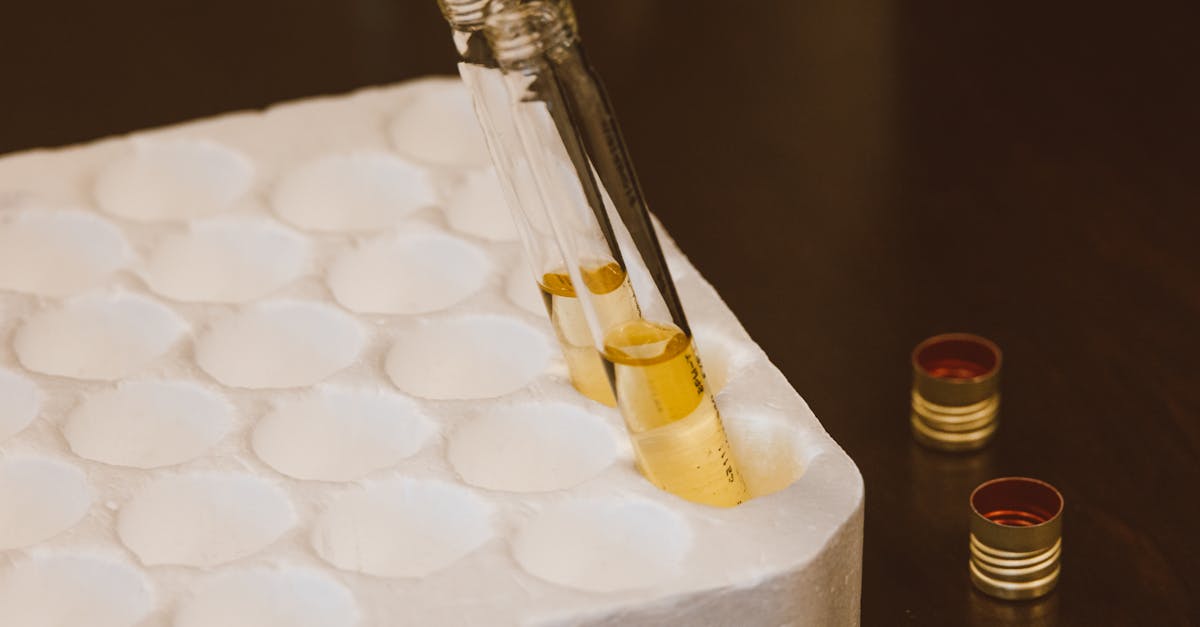
Probiotics Too Much: Bioavailability, Stack Synergies, and Lab-Backed Dosing
The probiotic market hit $69 billion globally in 2023, and a significant share of that spend goes toward ever-higher CFU counts — 50 billion, 100 billion, even 400 billion colony-forming units per capsule. The implicit promise is simple: more bacteria, better gut. But the science tells a more nuanced story. Taking probiotics too much, particularly without regard for strain identity, survivability, or your existing microbiome composition, can produce symptoms indistinguishable from the problems you were trying to fix.
This article cuts through CFU marketing to examine what clinical evidence says about probiotic thresholds, how common co-supplements like omega-3s, CoQ10, and L-theanine interact with microbial colonization, and how to build a stack that actually works — informed by lab data, not guesswork.
What "Too Much" Actually Means With Probiotics
Probiotics don't accumulate in the gut the way fat-soluble vitamins do — they are largely transient organisms that pass through and exert effects during transit. However, overconsumption is still clinically meaningful for several reasons.
Small Intestinal Bacterial Overgrowth (SIBO) risk. A 2018 case series published in Clinical and Translational Gastroenterology documented 30 patients presenting with brain fog, bloating, and discomfort after probiotic use; 77% tested positive for SIBO, and symptoms resolved within weeks of discontinuing supplementation (Rao et al., 2018; PMID: 30197293). The mechanism appears to involve Lactobacillus species proliferating in the small intestine, where they don't belong in high concentrations.
Histamine accumulation. Certain Lactobacillus strains — particularly L. buchneri, L. hilgardii, and to a lesser extent L. casei — produce histamine as a metabolic byproduct. In individuals with impaired diamine oxidase (DAO) activity, high-dose probiotics can overwhelm histamine clearance and trigger headaches, flushing, and nasal congestion that look nothing like gut symptoms (Schnedl & Enko, Nutrients 2021; PMID: 34206227).
Competitive displacement. A landmark 2018 Cell paper by Suez et al. demonstrated that standard multi-strain probiotic supplementation after antibiotics actually delayed native microbiome reconstitution compared to doing nothing — the introduced strains occupied mucosal niches and slowed the return of native species (Suez et al., Cell 2018; PMID: 30193108). This suggests that high-dose, non-targeted supplementation has real costs.
The practical threshold. Evidence-based dosing for most gut-health outcomes clusters in the 1–25 billion CFU range per day, with strain-specific exceptions. Doses above 50 billion CFU daily are rarely validated by randomized controlled trials and are more commonly driven by marketing than mechanism.
| CFU Range | Typical Use Case | Evidence Level |
|---|---|---|
| 1–5 billion | Maintenance, travel | Moderate RCT support |
| 10–25 billion | IBS, post-antibiotic | Strong RCT support |
| 50–100 billion | Severe dysbiosis (clinical) | Limited, strain-specific |
| >100 billion | No established general indication | Mostly manufacturer claims |
Bioavailability: Why Most Probiotics Don't Survive the Journey
CFU count on the label is measured before manufacturing, before shelf storage, and before gastric acid exposure. By the time a poorly encapsulated probiotic reaches the colon, viable cell counts can drop by 60–90%.
Three bioavailability factors matter most:
- Encapsulation technology. Enteric-coated or microencapsulated strains survive gastric transit significantly better than non-coated capsules. A 2011 review in Applied Microbiology and Biotechnology confirmed that microencapsulation improved survival of Bifidobacterium species by up to 10-fold through simulated gastric conditions (PMID: 21451948).
- Timing relative to food. Studies on Lactobacillus rhamnosus GG and Lactobacillus helveticus show higher survival when taken with or just before a meal containing fat — the fat content appears to buffer stomach acid and improve mucosal transit (Tompkins et al., Beneficial Microbes 2011; PMID: 21831780).
- Refrigeration requirements. Many Lactobacillus and Bifidobacterium strains lose 20–40% viability per month at room temperature. Shelf-stable claims are only valid for spore-forming organisms like Bacillus coagulans and Bacillus subtilis.
This is why knowing your probiotic's strain designation (not just genus and species, but strain code — e.g., Lactobacillus acidophilus NCFM) matters as much as CFU count. Strains without clinical trial data attached to a specific strain code are essentially unstudied for your intended outcome.
For a deeper dive into how supplement bioavailability interacts with your micronutrient stack, the clinical evidence for ashwagandha and cortisol reduction illustrates how delivery format and fat solubility shape absorption — principles that apply equally to microbial supplementation.
Too Much Omega-3: How Fish Oil Dosing Affects Gut Microbiome
Omega-3 fatty acids — EPA and DHA — are among the most frequently co-supplemented nutrients alongside probiotics, and the interaction is bidirectional and underappreciated.
Omega-3s support probiotic colonization through anti-inflammatory effects on the gut epithelium. EPA and DHA reduce intestinal NF-κB signaling and support tight junction integrity, creating a more hospitable mucosal environment for beneficial bacteria (Calder, Annals of Nutrition and Metabolism 2012; PMID: 22846056). This is a genuine synergy: omega-3 supplementation at 2–3g EPA+DHA/day has been shown to increase Bifidobacterium and Lactobacillus abundance in healthy adults (Watson et al., Gut Microbes 2018; PMID: 29708845).
However, too much omega-3 introduces its own concerns. At doses above 3g EPA+DHA daily, fish oil's antiplatelet effects become clinically significant — the FDA issued a guidance noting that intakes above 3g/day from supplements require medical supervision (NIH Office of Dietary Supplements, 2023). Additionally, very high doses of EPA-dominant formulas can paradoxically increase LDL-C in some individuals, as seen in the REDUCE-IT context when analyzing per-protocol oxidized controls.
The practical implication for stack design: 1–3g EPA+DHA daily is the validated sweet spot for both cardiovascular and microbiome benefits. Exceeding this without lab guidance — particularly bleeding time or lipid panel data — introduces risk without proportional reward. Ones' AI practitioner incorporates omega-3 EPA/DHA dosing calibrated to your lipid panel and inflammatory markers, ensuring the microbiome benefit doesn't come at the cost of hemostasis. For a full breakdown of optimal omega-3 ratios, see the omega-3 EPA DHA ratio guide.
Too Much L-Theanine: Understanding the Gut-Brain Connection
L-theanine — the amino acid found in green tea — is increasingly stacked with probiotics in "calm gut" and stress-support protocols, and for good reason. There is bidirectional communication between the gut microbiome and the HPA axis (the gut-brain axis), and L-theanine's anxiolytic mechanisms partially overlap with this system.
A 2019 randomized controlled trial in Nutrients found that 200mg L-theanine daily significantly reduced stress-related symptoms and salivary cortisol response in adults with high trait anxiety (Hidese et al., Nutrients 2019; PMID: 31720658). Separately, Lactobacillus strains that produce GABA — including L. rhamnosus JB-1 — have been shown in preclinical models to reduce anxiety-like behavior via the vagus nerve (Bravo et al., PNAS 2011; PMID: 21876150), suggesting genuine synergy when these two are stacked.
Is there such a thing as too much L-theanine? The evidence suggests a very wide safety margin — doses up to 900mg/day have been studied without adverse effects in healthy adults (EFSA NDA Panel, 2011). However, there are practical ceiling effects: L-theanine's calming benefit plateaus around 200–400mg, and higher doses don't produce linear improvements in cognitive metrics. Stacking excess L-theanine with high-CFU psychobiotic formulas may also produce additive sedation in some individuals, particularly when combined with magnesium glycinate — something worth monitoring when building a comprehensive stack.
The key takeaway is that 200mg L-theanine (the dose used in the Hidese et al. trial) is both clinically effective and well within the safety envelope. More is not meaningfully better, and the interaction with gut-targeted probiotics is best optimized at this validated dose rather than escalated arbitrarily.
CoQ10 Too Much: What Happens at High Doses and Why It Matters for Your Microbiome
CoQ10 (ubiquinone/ubiquinol) is a mitochondrial antioxidant that has gained attention not just for cardiovascular and energy support but increasingly for its role in gut mucosal health. CoQ10 is expressed in intestinal epithelial cells, where it supports mitochondrial function in the high-turnover cells that maintain the gut lining.
Standard clinical dosing for cardiovascular outcomes clusters between 100–200mg/day of ubiquinol. A 2014 meta-analysis in Journal of Human Hypertension found that CoQ10 supplementation produced a mean reduction in systolic blood pressure of 11 mmHg at doses of 100–225mg/day (Rosenfeldt et al.; PMID: 24637913). For individuals with statin-induced myopathy, supplementation at 200mg/day has been shown to reduce muscle pain scores compared to placebo (Banach et al., Medical Science Monitor 2013; PMID: 23449302).
Too much CoQ10 is rarely dangerous — it has an exceptionally high safety profile up to 1200mg/day in research settings. However, beyond 300mg/day of ubiquinol, absorption does not increase linearly; CoQ10 is highly lipophilic and subject to absorption saturation. A 2009 pharmacokinetic study found that plasma CoQ10 levels plateau despite dose escalation beyond 300mg, meaning that very high doses primarily increase cost without increasing tissue delivery (Bhagavan & Chopra, Mitochondrion 2006; PMID: 16574488).
Critically for probiotic stackers: CoQ10's antioxidant activity in the gut may affect the oxidative environment in which probiotic bacteria colonize. While the evidence here is largely mechanistic rather than clinical, it supports the argument for keeping CoQ10 in the validated 100–200mg range rather than pushing into gram-level doses when gut microbiome support is a co-objective.
Ones includes Ubiquinol at 200mg — matching the dose range validated in cardiovascular and mitochondrial trials — rather than inflating the number for marketing purposes. This precision matters when CoQ10 is one component of a calibrated multi-ingredient formula. You can read more about the specifics of CoQ10 and mitochondrial support dosing to understand how this fits within a personalized stack.
What This Means for Your Formula
A well-designed probiotic protocol is rarely about a single product. It's about creating conditions in which beneficial organisms survive transit, colonize effectively, and interact productively with your broader micronutrient environment. Here's how Ones approaches this:
Omega-3 EPA/DHA (calibrated to lipid panel). Ones' AI practitioner analyzes your triglyceride and inflammatory marker data to dose EPA+DHA in the 1–3g range — the validated window for supporting gut mucosal integrity and Bifidobacterium abundance without antiplatelet risk. This ensures the microbiome-supportive effect of omega-3 is captured without overstepping clinical safety thresholds.
Magnesium Glycinate (Magnesium Complex System Blend). Magnesium plays an underappreciated role in probiotic colonization: it supports the enzymatic activity of the gut epithelium and has been shown to favorably influence Bacteroidetes/Firmicutes ratios in preclinical models. Ones' Magnesium Complex delivers glycinate-bound magnesium for superior bioavailability compared to oxide forms, supporting both gut motility and the neurological calm that reduces stress-driven dysbiosis. For more on dosing, see the optimal magnesium glycinate dosage guide.
Histamine Support System Blend. For individuals with probiotic-triggered histamine symptoms — a real risk with high-dose multi-strain formulas — Ones' proprietary Histamine Support blend addresses DAO enzyme activity and histamine clearance, allowing continued probiotic use without the adverse reactions that derail so many gut health protocols. This is particularly relevant for users whose blood work or symptom history flags histamine sensitivity.
Ashwagandha KSM-66 (600mg). Chronic stress is one of the most potent drivers of gut dysbiosis via cortisol-mediated disruption of the intestinal barrier. KSM-66 at 600mg — the dose validated in cortisol reduction trials — addresses the upstream stress driver while probiotic and omega-3 support works on the downstream gut environment. This is the kind of systems-level thinking that separates a personalized formula from a single-ingredient supplement.
Key Takeaways
- More CFUs is not always better. The clinical evidence for probiotics clusters at 10–25 billion CFU for most gut outcomes; doses above 50 billion rarely have RCT support and carry SIBO and histamine risk in susceptible individuals.
- Bioavailability determines actual delivery. Encapsulation technology, meal timing, and strain-specific survivability data matter as much as label CFU count — look for named strain codes, not just genus/species.
- Omega-3 supports probiotic colonization at 1–3g EPA+DHA daily. Beyond 3g, antiplatelet effects and diminishing returns outweigh the microbiome benefit; let your lipid panel guide dosing.
- L-theanine at 200mg is clinically validated and synergistic with gut-brain axis probiotics. Doses above 400mg don't produce proportional benefits and may add sedative effects when stacked with magnesium.
- CoQ10 above 300mg/day hits absorption saturation. Ubiquinol at 100–200mg covers cardiovascular and mitochondrial needs without the cost or theoretical oxidative interference of mega-doses.
- A lab-informed stack outperforms any single-ingredient approach. Ones analyzes your blood work and wearable data to calibrate probiotic-adjacent nutrients — omega-3, magnesium, ashwagandha, and histamine support — into a coherent, personalized formula rather than a collection of arbitrary doses.
Always consult a licensed healthcare provider before making significant changes to your supplementation protocol, especially if you have a diagnosed gastrointestinal condition, take prescription medications, or are immunocompromised.