Supplements
Quercetin: Antihistamine, Anti-Inflammatory, and Senolytic Properties Explained
Quercetin is one of the most studied flavonoids in nature, yet most people taking it are leaving its benefits on the table — either through poor absorption, wrong dosing, or ignoring its emerging role as a senolytic agent that clears damaged cells. Whether you're managing seasonal allergies, chronic inflammation, or looking at longevity from a cellular angle, understanding how quercetin actually works can change the way you supplement.
Quercetin: Antihistamine, Anti-Inflammatory, and Senolytic Properties Explained
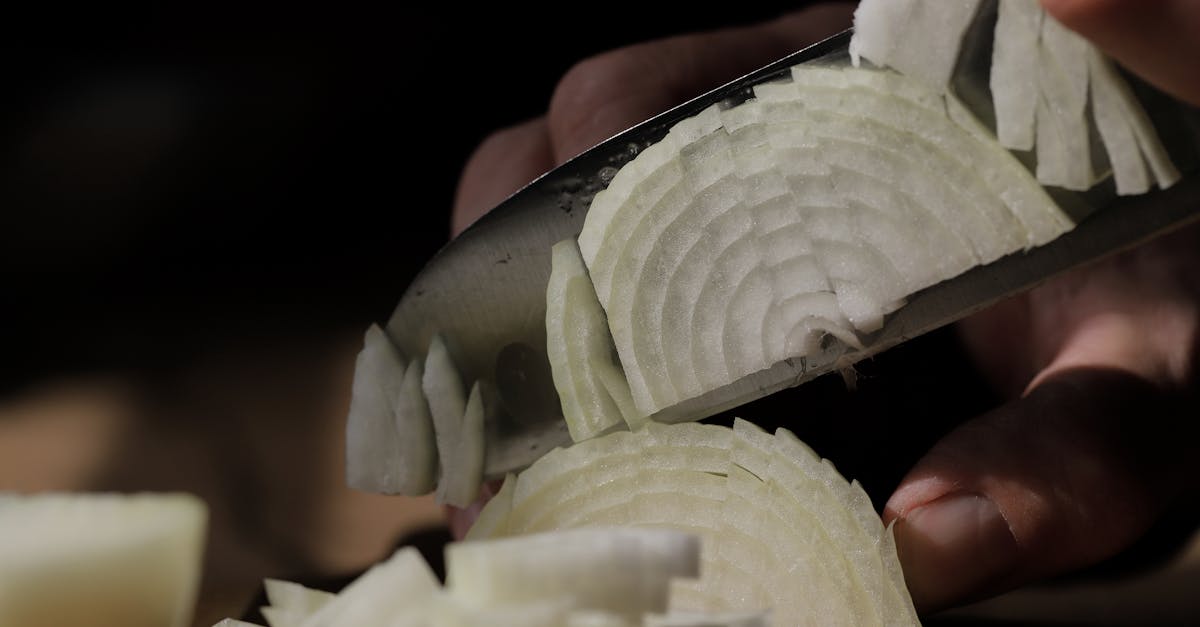
Quercetin is found in onions, capers, apples, and green tea, but the amounts you'd realistically eat each day fall far short of the doses linked to measurable clinical benefit. As a flavonoid polyphenol, quercetin occupies a unique position in the supplement landscape: it works through at least three distinct biological mechanisms — histamine inhibition, broad-spectrum inflammation reduction, and the selective removal of senescent cells — that rarely overlap in a single compound. That multi-pathway profile is exactly why researchers, clinicians, and longevity-focused practitioners have taken a serious interest in it over the last decade.
This article breaks down what the evidence actually says about each of those mechanisms, how bioavailability problems have historically blunted quercetin's effectiveness, what the emerging science on quercetin and zinc absorption means for immune function, and how to translate all of this into a practical supplementation strategy.
---
Quercetin as a Natural Antihistamine: What the Science Shows
Seasonal allergies, food sensitivities, and histamine intolerance all share a common mechanism: mast cells degranulate and release histamine, triggering the cascade of symptoms most people know well — sneezing, itching, nasal congestion, and in more sensitive individuals, systemic reactions. Quercetin interrupts this process at several points, which is why it's often described as a natural antihistamine.
The primary mechanism involves quercetin's ability to inhibit the release of histamine and other inflammatory mediators from mast cells and basophils. A study published in Phytotherapy Research demonstrated that quercetin inhibited antigen-stimulated histamine release from rat peritoneal mast cells and showed potency comparable to the antiallergic drug cromolyn (Middleton et al., Annual Review of Nutrition 2000; PMID: 10940330). More recently, in vitro research has confirmed that quercetin downregulates the expression of histidine decarboxylase — the enzyme that converts histidine into histamine — and suppresses the NF-κB signaling pathway that drives mast cell activation (Mlcek et al., Molecules 2016; PMID: 27187333).
For individuals managing histamine intolerance rather than classical IgE-mediated allergy, quercetin also appears to support diamine oxidase (DAO) enzyme activity, the primary enzyme responsible for breaking down ingested histamine in the gut. This makes it complementary to a low-histamine dietary approach rather than a replacement.
Clinically, quercetin has been studied in allergic rhinitis patients with favorable results. A Japanese randomized trial found that quercetin supplementation significantly reduced nasal symptom scores compared to placebo over an eight-week period, though the authors noted that higher bioavailability forms showed greater effect (Hirano et al., Journal of Alternative and Complementary Medicine 2009; PMID: 19438290).
If you're exploring natural approaches to histamine and immune support, quercetin is one of the most evidence-backed starting points — but its effectiveness depends heavily on the form you take, which brings us to the bioavailability question.
---
Quercetin Bioavailability: Why Form Matters More Than Dose
Raw quercetin aglycone has notoriously poor oral bioavailability. It is hydrophobic, poorly water-soluble, and subject to rapid first-pass metabolism in the gut and liver. Early human studies showed that peak plasma concentrations after standard quercetin powder supplementation were modest and inconsistent across individuals (Hollman et al., Journal of Nutrition 1995; PMID: 7722661).
Research over the last 15 years has produced several strategies to overcome this:
| Quercetin Form | Relative Bioavailability | Key Feature |
|---|---|---|
| Standard quercetin aglycone | Low (baseline) | Cheap, widely available |
| Quercetin glycosides (e.g., rutin, isoquercitrin) | Moderate (up to 4× aglycone) | Better intestinal absorption via sugar transporters |
| Quercetin phytosome (Quercefit™) | High (~20× aglycone) | Bound to sunflower lecithin phospholipids |
| Quercetin + bromelain | Moderate (synergistic) | Bromelain enhances mucosal permeability |
| Quercetin nanoparticle formulations | High (research-stage) | Mostly preclinical data |
The phytosome technology, in which quercetin is complexed with phospholipids from sunflower lecithin (branded as Quercefit™), has been validated in human pharmacokinetic studies showing a 20-fold improvement in plasma exposure compared to unformulated quercetin (Riva et al., Minerva Medica 2019; PMID: 30945484). This is now considered the clinical reference standard for oral quercetin supplementation.
Practical dosing ranges studied in clinical trials vary depending on the goal:
- Antihistamine / anti-allergic effects: 500–1000 mg/day of standard quercetin, or 250–500 mg/day of phytosome form
- Anti-inflammatory / antioxidant effects: 500–1000 mg/day
- Senolytic protocols: 1000 mg/day quercetin combined with dasatinib (pharmaceutical) or fisetin in clinical trials, though quercetin-only protocols use higher doses intermittently (see below)
Timing also matters: taking quercetin with a fat-containing meal improves absorption of the aglycone form, as its lipophilic nature means dietary fat acts as a carrier through intestinal enterocytes.
---
Quercetin and Zinc Absorption: A Synergistic Immune Pair
One of the more interesting pharmacological properties of quercetin is its role as a zinc ionophore — a compound that facilitates the transport of zinc ions across cell membranes into the intracellular space. This matters because zinc's antiviral and immune-regulating effects largely depend on intracellular zinc concentrations, and zinc ions on their own cross lipid bilayers poorly.
Research has shown that quercetin increases intracellular zinc levels in cell models, which then inhibits RNA-dependent RNA polymerase (RdRp), an enzyme critical for viral replication (Dabbagh-Bazarbachi et al., Journal of Agricultural and Food Chemistry 2014; doi.org/10.1021/jf5014633). This mechanism attracted significant attention during 2020–2021 and formed the rationale behind quercetin-zinc combination protocols being explored in clinical settings.
For general immune support, the quercetin-zinc pairing works synergistically: quercetin mast cell stabilization reduces the inflammatory burden on the immune system, while enhanced intracellular zinc supports T-cell proliferation, natural killer cell activity, and the production of antiviral interferon signals (Rink & Haase, Current Opinion in Clinical Nutrition and Metabolic Care 2007; PMID: 17563461).
This synergy has practical implications for supplement formulation. If you're reading about how zinc supports immune function and antiviral defense, it's worth understanding that quercetin in the same formula can meaningfully amplify zinc's intracellular effectiveness rather than simply adding two independent benefits side by side.
Ones includes zinc in its individualized formulas at clinically relevant doses calibrated from blood work, and when quercetin is part of a user's Histamine Support or Immune-C blend, the zinc-quercetin combination is a deliberate formulation choice grounded in this ionophore mechanism.
---
Quercetin as a Senolytic: Clearing Senescent Cells for Longevity
Perhaps the most exciting frontier in quercetin research is its classification as a senolytic agent — a compound that selectively induces apoptosis (programmed cell death) in senescent cells while leaving healthy cells intact.
Senescent cells are cells that have stopped dividing due to damage, stress, or telomere shortening, but have not been cleared by the immune system. They accumulate with age and secrete a harmful cocktail of pro-inflammatory cytokines, proteases, and growth factors collectively known as the senescence-associated secretory phenotype (SASP). SASP drives chronic low-grade inflammation — sometimes called "inflammaging" — that contributes to tissue dysfunction, metabolic disorders, cardiovascular disease, and neurodegeneration (Tchkonia et al., Journal of Clinical Investigation 2013; PMID: 23728174).
The landmark 2015 paper by Zhu et al. in Aging Cell identified quercetin alongside dasatinib as one of the first combination senolytics, demonstrating that the quercetin-dasatinib combination reduced senescent cell burden in aging mice, improved physical function, and extended healthspan (Zhu et al., Aging Cell 2015; PMID: 25754370). Crucially, quercetin alone — without the pharmaceutical dasatinib — showed meaningful senolytic activity in specific cell types, particularly endothelial cells and fat cell progenitors.
Subsequent human pilot data from the Mayo Clinic published in EBioMedicine found that a short-course (intermittent) protocol of dasatinib + quercetin in patients with idiopathic pulmonary fibrosis reduced circulating senescent cell markers and improved functional outcomes, supporting the translational relevance of this mechanism in humans (Justice et al., EBioMedicine 2019; PMID: 31076296).
For longevity-focused supplementation without pharmaceutical co-administration, researchers are currently exploring quercetin combined with fisetin (another flavonoid senolytic) on intermittent pulsed dosing schedules — typically higher doses taken 2–3 consecutive days per month rather than daily — to mimic the burst-clearance pattern observed in animal studies. This is an active area of research, and while the human data is still maturing, the mechanistic rationale is solid.
If you're already looking at NMN and NAD+ for cellular aging and longevity, adding quercetin to your protocol as a senolytic complement addresses the upstream problem of senescent cell accumulation that NAD+ restoration alone does not target.
---
Quercetin's Anti-Inflammatory Mechanisms Beyond Histamine
Beyond mast cell stabilization, quercetin exerts broad anti-inflammatory effects through multiple molecular pathways:
- NF-κB inhibition: Quercetin suppresses the nuclear transcription factor NF-κB, which orchestrates the expression of dozens of pro-inflammatory cytokines including TNF-α, IL-1β, and IL-6 (Li et al., Inflammation 2016; PMID: 27351440).
- COX-2 and LOX inhibition: Quercetin inhibits both cyclooxygenase-2 (COX-2) and 5-lipoxygenase (5-LOX), the enzymes that produce prostaglandins and leukotrienes respectively — a dual anti-inflammatory action that over-the-counter NSAIDs do not fully replicate.
- NLRP3 inflammasome suppression: Emerging research shows quercetin suppresses the NLRP3 inflammasome, a multiprotein complex central to the inflammatory response in conditions like metabolic syndrome and atherosclerosis (Jiang et al., Biochemical Pharmacology 2021; doi.org/10.1016/j.bcp.2021.114538).
- Antioxidant activity: As a potent free radical scavenger, quercetin reduces oxidative stress-driven inflammation, particularly relevant in cardiovascular and metabolic contexts.
For people with elevated inflammatory markers — CRP, IL-6, ferritin — identified through blood testing, quercetin represents a multi-mechanism intervention that goes well beyond the single-target approach of most anti-inflammatory supplements.
---
How Ones Addresses This: Quercetin in a Personalized Formula
Ones integrates quercetin as part of its Histamine Support System Blend and can include it as a standalone ingredient in custom capsule formulas, with dosing calibrated to a user's health profile, wearable data, and blood work results.
Here's how the relevant ingredients map to the mechanisms covered in this article:
| Ingredient | Clinical Dose Used | Mechanism Addressed |
|---|---|---|
| Quercetin (phytosome form) | 500 mg/day | Antihistamine, NF-κB inhibition, senolytic activity |
| Zinc (as zinc bisglycinate) | 15–30 mg/day (calibrated to blood levels) | Antiviral intracellular defense via quercetin ionophore mechanism |
| NAC (N-Acetyl Cysteine) | 600–1200 mg/day | Glutathione precursor; reduces SASP oxidative burden and supports mucosal histamine clearance |
Ones' AI health practitioner analyzes blood work for markers like histamine, DAO activity indicators, inflammatory cytokines, and zinc status, then selects ingredients and doses that match the clinical ranges used in published trials rather than generic label amounts. For users on 9- or 12-capsule plans, the quercetin-zinc-NAC combination can be included alongside system blends like Immune-C or Histamine Support without hitting capsule budget limits — because the formula is built around your specific data, not a one-size-fits-all product.
For those interested in the longevity angle, Ones also includes NMN at research-backed doses, which pairs synergistically with quercetin's senolytic activity by restoring NAD+ in cells that survive clearance. Learn more about combining NAD+ precursors with senolytic compounds for healthy aging.
---
Key Takeaways
- Quercetin is a natural antihistamine that stabilizes mast cells and inhibits histamine release, making it clinically relevant for allergies, histamine intolerance, and allergic rhinitis — but bioavailability form determines effectiveness.
- Phytosome quercetin (Quercefit™) offers up to 20× better absorption than standard quercetin powder, making it the preferred form for clinical applications.
- Quercetin acts as a zinc ionophore, driving intracellular zinc uptake that amplifies antiviral and immune-regulating effects — the quercetin-zinc pairing is a mechanistically grounded combination, not just additive.
- Quercetin is a validated senolytic flavonoid, selectively clearing senescent cells and reducing SASP-driven inflammaging, with human pilot data supporting this mechanism in clinical settings.
- Anti-inflammatory effects span multiple pathways: NF-κB, COX-2, 5-LOX, and NLRP3 inflammasome inhibition give quercetin a broad-spectrum anti-inflammatory profile not replicated by most single-mechanism supplements.
- Ones personalizes quercetin dosing within Histamine Support blends and custom formulas based on blood work and health goals, pairing it with zinc and NAC at clinically validated doses for a targeted multi-mechanism approach.
---
This article is for informational purposes only and does not constitute medical advice. Consult a qualified healthcare provider before beginning any new supplement protocol, particularly if you are taking medications or managing a diagnosed health condition.