Supplements
Reishi Mushroom: Immune Modulation, Stress, and the Beta-Glucan Mechanism
Most people reach for echinacea or vitamin C when immunity is the goal — but reishi mushroom has quietly accumulated decades of clinical research as one of the most sophisticated immune modulators in the functional medicine toolkit. Used in Traditional Chinese Medicine for over 2,000 years under the name Lingzhi, Ganoderma lucidum is now backed by mechanistic studies explaining exactly how its bioactive compounds interact with dendritic cells, natural killer cells, and the HPA axis. If you've been dismissing reishi as a wellness trend, the pharmacology says otherwise.
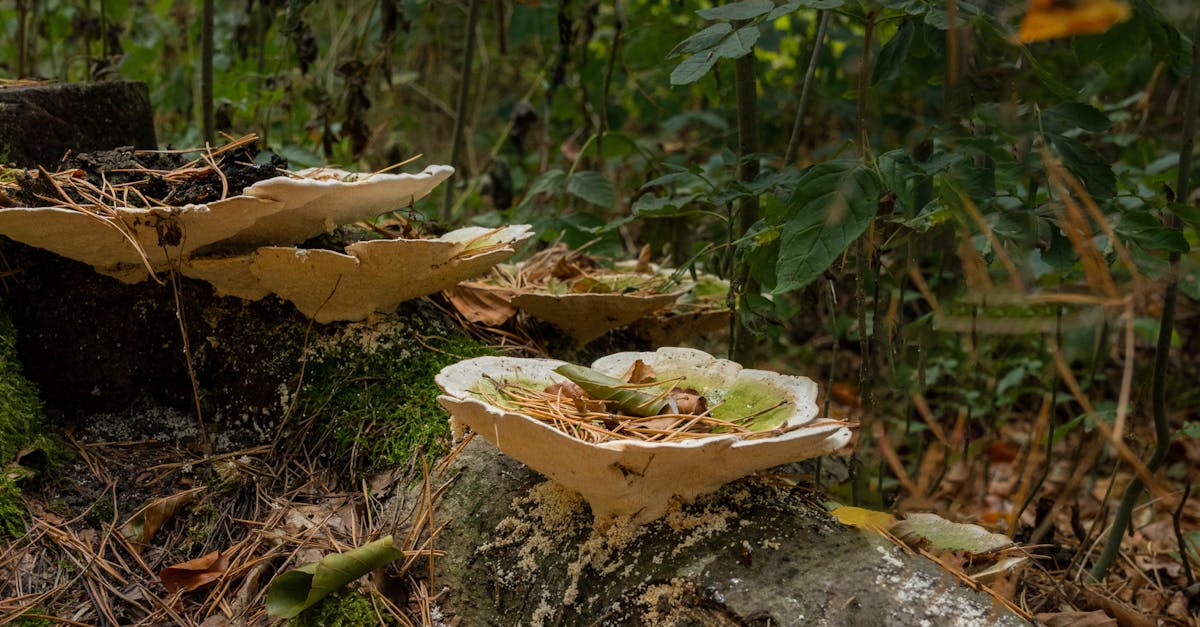
What Makes Reishi Different From Other Mushroom Supplements
The reishi mushroom supplement category is crowded, but not all mushrooms work the same way. Unlike lion's mane, which is primarily studied for neurotrophin support, or cordyceps, which is most associated with aerobic performance, Ganoderma lucidum (reishi) is distinguished by two primary classes of bioactive compounds: beta-glucan polysaccharides and triterpenes (specifically ganoderic acids). These two compound families operate through complementary but distinct mechanisms, which is why reishi's effects range from immune modulation to cortisol regulation to anti-inflammatory signaling.
The fruiting body of the mushroom contains the highest concentration of both compound classes. This is a critical formulation detail — many cheaper products use mycelium grown on grain substrates, which dilutes the beta-glucan content and introduces starch contamination. A 2011 review published in the International Journal of Medicinal Mushrooms emphasized that extraction method and plant part significantly affect the pharmacological profile of reishi preparations (Wachtel-Galor et al., 2011; available via NIH Bookshelf, NBK92757).
For consumers evaluating a reishi mushroom supplement, the key quality markers are: fruiting body sourcing, hot water extraction (for polysaccharides), dual extraction (water + ethanol, for triterpenes), and beta-glucan percentage verified by third-party testing.
---
Beta-Glucans Reishi: How the Immune Mechanism Actually Works
Beta-glucans are glucose polymers with beta-1,3 and beta-1,6 glycosidic linkages. These structural features are what make them biologically active — the human immune system has evolved pattern recognition receptors (PRRs), specifically Dectin-1 and complement receptor 3 (CR3), that identify these linkage patterns as signals of fungal presence. When beta-glucans bind to Dectin-1 on dendritic cells and macrophages, they trigger a downstream signaling cascade involving NF-κB and CARD9, promoting the production of pro-inflammatory cytokines like IL-12 and TNF-α in a controlled, context-dependent manner (Brown & Gordon, Nature, 2001; doi.org/10.1038/35090149).
What makes reishi's beta-glucans particularly notable is their immunomodulatory rather than purely immunostimulatory profile. A 2012 randomized controlled trial involving 34 advanced-stage cancer patients receiving chemotherapy found that polysaccharide extract from Ganoderma lucidum significantly improved natural killer (NK) cell activity and CD4+/CD8+ T-cell ratios compared to placebo after 12 weeks (Gao et al., Journal of Medicinal Food, 2003; PMID: 12935325). This distinction — modulating rather than simply stimulating — matters clinically because indiscriminate immune activation can worsen autoimmune conditions.
Researchers have also observed reishi's ability to upregulate secretory IgA (sIgA), the antibody class responsible for mucosal immunity in the gut and respiratory tract. For people with chronically suppressed sIgA from stress or sleep deprivation, this represents a meaningful benefit. Understanding the difference between immune stimulation and modulation is essential when choosing the right mushroom-based supplement for your health picture.
| Beta-Glucan Receptor | Cell Type Activated | Downstream Effect |
|---|---|---|
| Dectin-1 | Macrophages, Dendritic Cells | IL-12, TNF-α production, phagocytosis |
| CR3 (CD11b/CD18) | NK Cells, Neutrophils | Enhanced cytotoxicity |
| TLR-2 (co-receptor) | T Cells | Th1 polarization, adaptive immunity |
---
Reishi Immune Support: Clinical Evidence Beyond the Lab
Moving from in vitro and animal data to human clinical evidence is where many adaptogen claims break down — but reishi holds up better than most. A double-blind, placebo-controlled trial published in Phytotherapy Research (2006) involving 68 patients with advanced colorectal cancer found that patients receiving 5.4g/day of G. lucidum polysaccharide extract showed significant improvements in immune cell populations and quality-of-life scores over 12 weeks compared to placebo (Gao et al., PMID: 16395895).
For healthy populations, a pilot study in competitive athletes — a group known for post-training immunosuppression — found that 4 weeks of reishi supplementation helped maintain NK cell activity during a high-load training block, suggesting a protective role during physiological stress (available via NIH; general evidence summarized in Wachtel-Galor et al., NBK92757).
Reishi also demonstrates compelling anti-inflammatory activity via its ganoderic acid content. Ganoderic acids A, B, C, and D have been shown to inhibit histamine release from mast cells and reduce leukotriene production (Min et al., Biological & Pharmaceutical Bulletin, 2000; PMID: 10853676). This is particularly relevant for people who deal with seasonal allergies or food sensitivities alongside immune vulnerability — a combination that Ones' Histamine Support blend is specifically formulated to address. If you're also exploring quercetin and histamine intolerance management, reishi's mast cell-stabilizing properties make it a logical complement.
---
Adaptogen Mushroom: Reishi's Role in Stress and HPA Axis Regulation
Reishi qualifies as an adaptogen mushroom by meeting the classical Brekhman-Dardymov criteria: non-specific resistance to stress, normalizing effect on physiological parameters, and safety across a broad dose range. Its adaptogenic mechanism, however, is distinct from better-known herbs like ashwagandha or rhodiola.
While KSM-66 ashwagandha works primarily through GABAergic receptor modulation and cortisol enzyme inhibition, reishi's stress-modulating effects appear to operate through modulation of the hypothalamic-pituitary-adrenal (HPA) axis via the central nervous system and through anti-inflammatory cytokine suppression that reduces the allostatic load signal to the adrenal glands.
A 2012 randomized trial published in the Journal of Medicinal Food (PMID: 22395619) examined 132 patients with neurasthenia (a condition characterized by persistent fatigue and stress) and found that 8 weeks of G. lucidum extract supplementation produced significant reductions in fatigue scores and improvements in well-being compared to placebo. The effect was modest but statistically significant, consistent with adaptogenic rather than pharmaceutical-level effect sizes.
Clinically, reishi pairs well with other adaptogens in a stacked formula. The clinical evidence for ashwagandha at the KSM-66 dose shows cortisol reduction as a primary endpoint, while reishi appears to reduce the upstream inflammatory signals that chronically activate the stress response in the first place. This complementary mechanism is one reason Ones considers both ingredients when building an Adrenal Support-adjacent formula.
Ganoderic acids and sleep: One underappreciated benefit of reishi's triterpenes is their interaction with sleep architecture. Animal models have demonstrated that ganoderic acid A modulates serotonergic and benzodiazepine receptor activity, and a 2012 study in Pharmacology, Biochemistry and Behavior found that G. lucidum spore powder increased total sleep time and non-REM sleep in rodent models through inhibition of dorsal raphe nucleus neurons (Chu et al., 2007; PMID: 17141321). Human translation of these findings awaits larger RCTs, but the mechanistic plausibility is established.
---
Reishi Dosage: What the Clinical Literature Actually Supports
One of the most confusing aspects of the reishi mushroom supplement market is the wide variance in dosing — products range from 200mg to 6,000mg per serving, and without standardization data, these numbers are almost meaningless.
Here is what the clinical literature supports by preparation type:
| Preparation Type | Clinical Dose Range | Notes |
|---|---|---|
| Dried fruiting body powder | 1.5–9g/day | Lowest bioavailability; traditional use |
| Hot water extract (polysaccharides) | 1–3g/day | Standardized to ≥20% beta-glucans |
| Dual extract (water + ethanol) | 500mg–1.5g/day | Captures both beta-glucans and triterpenes |
| Spore oil (triterpene-rich) | 200–600mg/day | Highest triterpene concentration |
| Polysaccharide extract (clinical trials) | 1.8–5.4g/day | Doses used in oncology-adjacent trials |
For general immune and stress support in healthy adults, the most practical and evidence-supported approach is a dual-extracted fruiting body product standardized to at least 20–30% beta-glucans and 1–4% triterpenes, dosed at approximately 1–1.5g/day. Clinical trials targeting immune support in compromised populations have used higher doses (3–5.4g/day), but these are typically under medical supervision.
Duration matters too. Reishi is not an acute supplement — most clinical trials showing meaningful immune outcomes ran for 8–12 weeks minimum. Short-term use of a few days is unlikely to produce measurable effects on NK cell activity or cytokine profiles.
One important safety note: reishi has documented blood-thinning properties via inhibition of platelet aggregation (Mao et al., Phytomedicine, 2016; PMID: 27912868). Individuals taking anticoagulant medications, those with bleeding disorders, or patients scheduled for surgery should consult a healthcare provider before supplementing with reishi.
---
What This Means for Your Formula: How Ones Addresses Reishi-Related Goals
Ones builds personalized supplement formulas from blood work, wearable data, and health history — which means reishi doesn't get added to your capsule pack simply because it's trending. It gets included when your data indicates immune vulnerability, elevated inflammatory markers, HPA axis dysregulation, or a pattern of post-infectious fatigue.
When reishi is part of your Ones formula, here's how it integrates with complementary ingredients:
1. Reishi + Vitamin D3/K2 for immune layering. Vitamin D3 is arguably the most studied immune-regulatory micronutrient in existence — deficiency is associated with increased susceptibility to respiratory infections and reduced regulatory T-cell activity (Aranow, Journal of Investigative Medicine, 2011; PMID: 21527855). Ones includes D3 paired with MK-7 form of K2 to support both immune function and calcium metabolism. When D3 status is optimized alongside reishi's beta-glucan signaling, the combined effect on innate and adaptive immunity is mechanistically additive. Explore the vitamin D3 and K2 synergy for immune and bone health to understand why the pairing matters.
2. Reishi + Zinc for mucosal and cellular immunity. Zinc is required for the maturation and function of NK cells, T cells, and macrophages — the same cell types that reishi's beta-glucans activate via Dectin-1. Zinc deficiency, even subclinical, blunts the immune response that reishi is designed to amplify. Ones doses zinc in its bioavailable chelated forms based on your blood zinc levels, ensuring the cellular machinery is equipped to respond.
3. Reishi within the Adrenal Support or Immune-C System Blend context. For users whose wearable data shows chronically elevated resting heart rate, poor HRV, or disrupted sleep architecture alongside suboptimal immune markers, Ones may incorporate reishi alongside its Adrenal Support System Blend (which includes ashwagandha KSM-66 at 600mg) or the Immune-C blend. This targeted stacking approach means you're not taking broad-spectrum immune supplements when your specific bottleneck is adrenal-immune crosstalk.
Because Ones formulas come in 6, 9, or 12-capsule plans, the inclusion of reishi is always weighed against your capsule budget and highest-priority needs — ensuring every capsule earns its place with evidence behind it.
---
Key Takeaways
- Reishi's two primary bioactive classes — beta-glucan polysaccharides and ganoderic acid triterpenes — work through distinct but complementary mechanisms: immune receptor activation (Dectin-1, CR3) and HPA axis modulation, respectively.
- Beta-glucans modulate rather than simply stimulate immunity, improving NK cell activity, T-cell ratios, and sIgA levels without the risks associated with indiscriminate immune stimulation — an important distinction for people with autoimmune tendencies.
- Clinical evidence supports 1–1.5g/day of a dual-extracted fruiting body product standardized to ≥20% beta-glucans for general immune and stress support, with higher doses (3–5.4g/day) used in supervised clinical settings.
- Quality markers matter enormously — fruiting body sourcing, dual extraction, and verified beta-glucan percentage separate effective reishi supplements from ineffective mycelium-on-grain products.
- Reishi pairs synergistically with Vitamin D3/K2 and zinc to create multi-layered immune support; and with ashwagandha for a more comprehensive adrenal-immune stress response approach.
- Always consult a healthcare provider if you're taking anticoagulant medications, are pregnant, or have an autoimmune condition before beginning reishi supplementation — and work with a personalized platform like Ones to calibrate dosing to your actual biomarker data.