Comparisons
Sermorelin vs Natural Alternatives: Are They Interchangeable?
Sermorelin is a prescription peptide that stimulates growth hormone release, while natural alternatives work through overlapping but distinct pathways. Choosing between them isn't as simple as swapping one for another — mechanism, safety profile, and your individual lab data all matter.
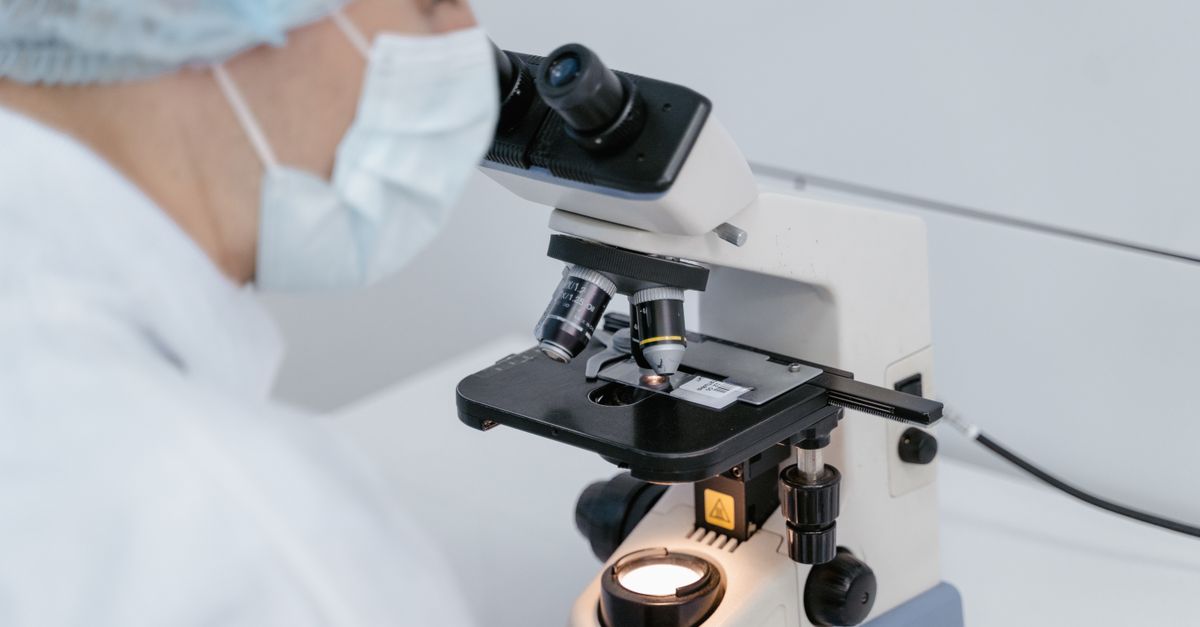
Sermorelin vs Natural Alternatives: Are They Interchangeable?
No — sermorelin and its natural alternatives are not interchangeable. Sermorelin is a prescription GHRH analog that directly stimulates pituitary GH release; natural compounds influence GH axis signaling indirectly through insulin sensitivity, cortisol reduction, or GH secretagogue receptor activity. For most healthy adults without a diagnosed GH deficiency, natural approaches are safer starting points, but they deliver meaningfully smaller and slower effects.
---
What Is Sermorelin and How Does It Work?
Sermorelin acetate is a synthetic 29-amino-acid analog of growth hormone–releasing hormone (GHRH). Administered subcutaneously, it binds to GHRH receptors on pituitary somatotroph cells and triggers pulsatile GH secretion — mimicking the body's own GHRH signal rather than introducing exogenous GH directly.
Because sermorelin preserves the natural feedback loop through somatostatin, IGF-1 self-regulation remains intact. That's a meaningful safety distinction from recombinant human growth hormone (rhGH). However, sermorelin is still a prescription-only compound in the United States, regulated by the FDA, and it is not available over the counter or as a dietary supplement.
In clinical use, sermorelin has been studied primarily for adult GH deficiency and age-related decline in GH secretion. A key placebo-controlled trial (Walker et al., Journal of the American Geriatrics Society 2006; PMID: 16914004) in older adults found that sermorelin therapy increased mean IGF-1 levels and improved body composition over 6 months, with adverse effects limited mainly to injection-site reactions.
---
Natural Alternatives to GLP-1 Agonists: Why the Comparison Gets Confusing
Here's where terminology creates real confusion online. Search queries about "natural alternatives to GLP-1" and "natural alternatives to GLP-1 agonists" often surface alongside sermorelin content — but GLP-1 (glucagon-like peptide-1) and GHRH are different hormonal axes entirely.
- GLP-1 agonists (e.g., semaglutide, liraglutide/Victoza, dulaglutide/Trulicity) act on gut-derived incretin signaling to reduce appetite, slow gastric emptying, and improve glucose metabolism.
- Sermorelin acts on the pituitary-GH axis to increase lean mass and reduce visceral fat through an entirely different mechanism.
They share some downstream effects — improved body composition, reduced visceral adiposity — which is why people conflate them. But if you're researching natural alternatives to Victoza or natural alternatives to dulaglutide for metabolic reasons, you're looking at a different target than sermorelin addresses.
Natural compounds that support GLP-1-like activity include berberine and certain dietary fibers. Berberine has demonstrated glucose-lowering effects comparable in magnitude (though not mechanism) to metformin in several trials, including a meta-analysis of 14 RCTs (Liang et al., Metabolism 2019; PMID: 30500474) showing a mean fasting glucose reduction of approximately 20 mg/dL. Berberine does not activate GLP-1 receptors directly but improves insulin sensitivity via AMPK activation and may modestly increase GLP-1 secretion from L-cells.
For a broader look at how natural compounds compare when targeting overlapping but non-identical mechanisms, the analysis of serrapeptase vs nattokinase illustrates how two compounds with surface-level similarity diverge sharply when you examine their mechanisms — a pattern that holds for GH-axis and GLP-1 axis supplements as well.
---
Natural Alternatives to Victoza and Dulaglutide: What the Evidence Shows
Liraglutide (Victoza) and dulaglutide (Trulicity) are long-acting GLP-1 receptor agonists approved for type 2 diabetes and, in higher doses, obesity. Their clinical effects are well-established: liraglutide at 1.8 mg/day reduces HbA1c by roughly 1.0–1.5% and body weight by 2–3 kg in 26-week trials (Garber et al., Lancet 2009; PMID: 19853098).
Natural compounds that partially mimic GLP-1 pathway benefits — without receptor agonism — include:
| Compound | Primary Mechanism | Evidence Level | Effect vs. GLP-1 Agonist |
|---|---|---|---|
| Berberine (500mg TID) | AMPK activation, modest GLP-1 secretion | Moderate (multiple RCTs) | ~40–50% of HbA1c reduction |
| Inositol (Myo-inositol) | Insulin signal transduction | Moderate (PCOS populations) | Indirect; not appetite suppression |
| Bitter melon extract | Insulin receptor sensitization | Low-Moderate | Modest glucose effects only |
| Quercetin | Anti-inflammatory, AMPK | Preliminary | No head-to-head data |
| High-dose omega-3 (EPA/DHA) | GLP-1 secretion enhancement | Moderate | Modest incremental effect |
Omega-3 fatty acids are worth highlighting here. A 2014 study (Mori et al., Journal of Nutrition 2014; PMID: 24500929) found that EPA and DHA supplementation increased postprandial GLP-1 secretion in adults with metabolic syndrome, suggesting a genuine (if modest) overlap with GLP-1 pathway support. This is meaningful because omega-3s carry an excellent safety profile, are well-tolerated, and offer cardiovascular benefits independent of any GLP-1 activity.
For context on how fish oil interacts with medications — relevant if you're considering omega-3s alongside a GLP-1 agonist — the research on fish oil interactions with medications is a useful starting point before combining approaches.
The honest conclusion: natural alternatives to Victoza or dulaglutide can support metabolic health meaningfully, but they do not replicate the 5–15% body weight reductions or the cardiovascular outcome data from large GLP-1 agonist trials. They're adjuncts, not substitutes, for people with clinical diagnoses.
---
Sermorelin vs. Natural GH Secretagogues: A Direct Comparison
For the GH axis specifically, several natural compounds act as GH secretagogues or GH-supportive agents through distinct mechanisms:
Amino Acid Secretagogues
L-arginine and L-glutamine given intravenously significantly stimulate GH secretion in pharmacological doses, but oral bioavailability is poor and real-world supplementation effects are modest at best. A blunted GH pulse response is seen with oral arginine alone at 6–9g.
GABA (gamma-aminobutyric acid) at 3g orally was shown to increase resting GH levels by over 400% versus placebo in a small but well-cited Japanese trial (Powers et al., Medicine & Science in Sports & Exercise 2008; PMID: 18091016), though the exercise-stimulated GH response was also amplified. The mechanism likely involves suppression of somatostatin tone rather than direct pituitary stimulation — different from sermorelin's GHRH-receptor action.
Adaptogenic Herbs and Cortisol Reduction
One underappreciated driver of blunted GH secretion is chronically elevated cortisol. Cortisol suppresses GHRH signaling and increases somatostatin, effectively blunting GH pulses. This is where adaptogens enter the picture as indirect GH-support compounds.
Ashwagandha (KSM-66) at 600mg/day has been shown to reduce serum cortisol by approximately 27.9% in a randomized double-blind trial (Chandrasekhar et al., Indian Journal of Psychological Medicine 2012; PMID: 23439798), with improvements in stress perception measured by validated scales. By lowering cortisol, ashwagandha may partially restore natural GH pulse amplitude — not by acting on GHRH receptors, but by reducing somatostatin-promoting cortisol load.
Head-to-Head Summary
| Compound | Mechanism | GH Effect | Prescription Required | Safety Signal |
|---|---|---|---|---|
| Sermorelin | GHRH receptor agonist | Strong (direct) | Yes (Rx only) | Good; injection site reactions |
| GABA (3g) | Somatostatin suppression | Moderate | No | Well-tolerated |
| KSM-66 Ashwagandha (600mg) | Cortisol reduction → GH pulse restoration | Indirect, mild-moderate | No | Excellent |
| L-arginine (6–9g) | Pituitary stimulation (weak oral) | Weak oral effect | No | GI side effects at high doses |
| Berberine (500mg TID) | AMPK / GLP-1 adjacent | Metabolic, not GH-direct | No | Monitor with medications |
| Omega-3 EPA/DHA | GLP-1 secretion support | Metabolic / incretin | No | Excellent |
---
Who Should Consider Natural Alternatives First?
If you do not have a documented GH deficiency or a diagnosis that warrants prescription peptide therapy, natural alternatives are appropriate first-line options — especially when targeted to your actual biomarker patterns rather than taken generically.
People with elevated cortisol (confirmed on lab work), poor sleep quality, or suboptimal insulin sensitivity are the most likely to see meaningful benefit from natural GH-supportive and metabolic compounds. People with confirmed IGF-1 deficiency or pituitary dysfunction should work with an endocrinologist; natural supplements will not compensate for structural or severe hormonal deficits.
Personalization matters here. Quercetin, for example, may be relevant if inflammatory markers are elevated alongside metabolic dysfunction — you can read more about optimal quercetin timing and absorption since its bioavailability is sensitive to when and how it's taken.
---
What This Means for Your Formula
Ones doesn't include prescription peptides like sermorelin — nor should any supplement platform. But the underlying biology that sermorelin targets (GH pulse amplitude, cortisol-to-GH ratio, metabolic efficiency) can be meaningfully addressed through evidence-based nutraceuticals when the approach is built from your actual lab data.
For users whose bloodwork shows elevated cortisol, Ones includes KSM-66 Ashwagandha at 600mg — the dose matching the Chandrasekhar 2012 RCT that demonstrated significant cortisol reduction. For users with suboptimal metabolic markers, Ones incorporates Omega-3 EPA/DHA at clinical doses, relevant both for cardiovascular support and the emerging GLP-1 secretion data. For users whose inflammatory load may be blunting metabolic efficiency, Quercetin is available as an individual active in the Ones catalog.
The AI practitioner behind Ones reads your inputs — lab results, wearable data, health history — and selects which of these compounds belong in your capsule formula and at what dose. That's meaningfully different from a generic GH-support stack or a one-size-fits-all GLP-1 alternative approach.
If you're also considering liver support compounds (relevant given that the liver is the primary site of IGF-1 production), the comparison of milk thistle vs TUDCA offers a clear breakdown of which hepatoprotective approach fits which clinical pattern.
---
Key Takeaways
- Sermorelin and natural alternatives are not interchangeable — they operate on different receptor targets and produce effects of different magnitudes and timelines.
- GLP-1 agonists (Victoza, dulaglutide) and sermorelin are distinct axes — conflating them in your research will send you toward the wrong compounds.
- Natural GLP-1 adjacent compounds (berberine, omega-3, dietary fiber) offer real but partial metabolic benefits — not replacements for prescription GLP-1 therapy in clinical disease.
- Natural GH-supportive compounds (KSM-66, GABA, arginine) work indirectly and suit people with suboptimal-but-not-deficient GH secretion, especially when root causes like high cortisol or poor sleep are addressed.
- Personalization is essential — without knowing your cortisol, IGF-1, fasting glucose, and inflammatory markers, any stack is a guess.
- Always consult a licensed healthcare provider before discontinuing any prescription GLP-1 or GH therapy in favor of supplements, particularly if you have a diagnosed metabolic or endocrine condition.