Comparisons
Turmeric vs Black Seed Oil: A Side-by-Side Look at the Clinical Evidence
Turmeric and black seed oil both carry centuries of traditional use and a growing stack of modern clinical trials — but they work through entirely different mechanisms. Before you add either to your daily routine, the evidence reveals some surprising gaps between the hype and the human data.
Turmeric vs Black Seed Oil: A Side-by-Side Look at the Clinical Evidence
Both turmeric and black seed oil sit near the top of the 'natural anti-inflammatory' conversation, and for good reason. Each has genuine peer-reviewed support — but they target different biological pathways, suit different health goals, and carry different dosing considerations. If you're choosing between them (or wondering whether you need both), here's what the clinical record actually shows.
What Turmeric and Black Seed Oil Actually Do
Turmeric (Curcuma longa) derives its activity from curcuminoids, primarily curcumin, which inhibits NF-κB signaling — a master switch for inflammatory gene expression — and reduces circulating levels of interleukin-6 (IL-6), TNF-α, and C-reactive protein (CRP) (Aggarwal et al., Advanced Experimental Medicine and Biology 2007; PMID: 17569207). Curcumin is notoriously poorly absorbed on its own, which is why virtually every high-quality clinical trial uses either a phospholipid complex (Meriva), piperine co-administration, or nanoparticle formulations to achieve meaningful plasma concentrations.
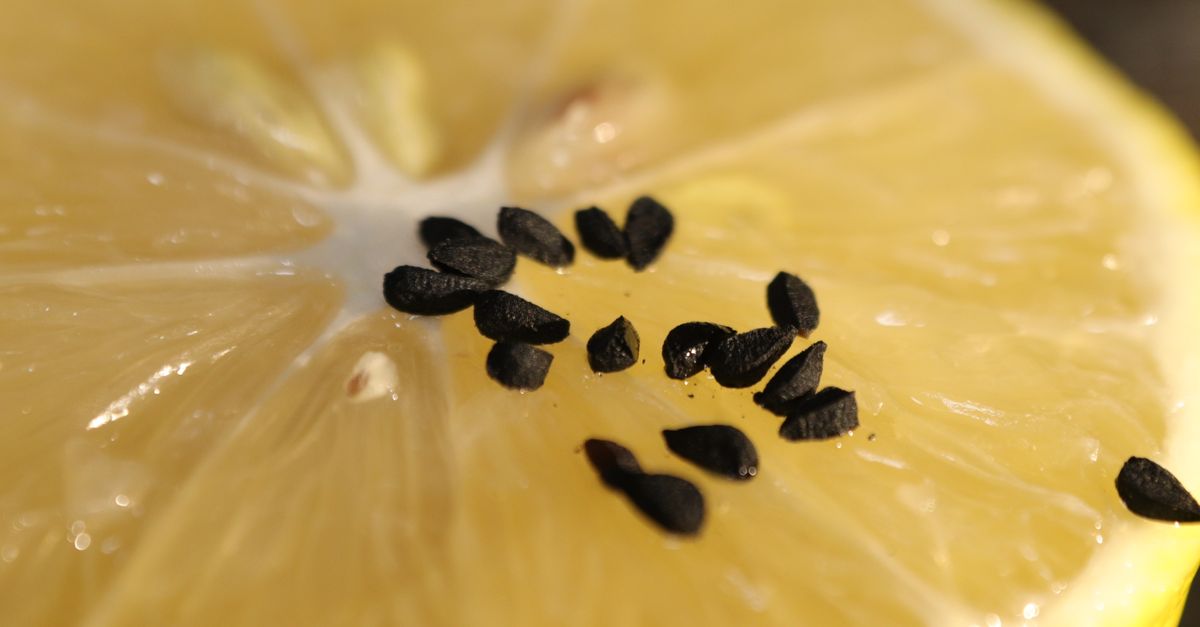
Black seed oil comes from Nigella sativa seeds and is concentrated in thymoquinone (TQ), the compound responsible for most of its studied effects. TQ acts as an antioxidant, a mild immunomodulator, and a 5-LOX inhibitor, giving it a somewhat different anti-inflammatory fingerprint than curcumin. It also appears to have meaningful effects on blood glucose regulation and lipid metabolism — benefits that are less central to the curcumin literature (Sahebkar et al., Journal of Functional Foods 2015; doi.org/10.1016/j.jff.2015.05.034).
In short: turmeric is the stronger evidence-based choice for musculoskeletal inflammation and gut health; black seed oil has a broader cardiometabolic profile and meaningful data for immune regulation.
Head-to-Head: Inflammation and Pain
For joint pain and exercise-induced inflammation, curcumin has the deeper clinical portfolio. A 2010 randomized controlled trial in patients with active rheumatoid arthritis found that curcumin (500 mg twice daily of a phospholipid-bioavailable form) produced statistically significant reductions in tender and swollen joint counts compared to placebo, with a favorable safety profile (Chandran & Goel, Phytotherapy Research 2012; PMID: 22407780). A Cochrane-adjacent systematic review has also documented curcumin's ability to reduce serum CRP across multiple populations.
Black seed oil holds its own in inflammatory conditions, though the trials are smaller and more heterogeneous. A 2013 randomized trial in patients with knee osteoarthritis found that topical Nigella sativa oil reduced pain scores more effectively than acetaminophen gel in older adults, attributed in part to TQ's local COX-2 inhibition (Kooshki et al., Electronic Physician 2016; PMID: 27382464). However, head-to-head trials comparing the two ingredients directly are still rare, so most comparisons rely on effect sizes across separate studies — an inherently imperfect methodology.
Quick comparison table:
| Feature | Turmeric (Curcumin) | Black Seed Oil (Thymoquinone) |
|---|---|---|
| Primary mechanism | NF-κB inhibition, COX-2 | 5-LOX inhibition, antioxidant |
| Strongest evidence area | Joint inflammation, gut health | Lipids, blood sugar, immunity |
| Bioavailability challenge | High (needs enhancer) | Moderate |
| Typical clinical dose | 500–1500 mg curcumin/day | 1–3 g oil/day or 400–500 mg TQ extract |
| Best studied population | Adults with OA, IBD, metabolic syndrome | Adults with T2D, dyslipidemia, asthma |
| Safety signal | Very good; watch with blood thinners | Good; emmenagogue effect at high doses |
Black Seed Oil for Women: What the Evidence Shows
One area where black seed oil has attracted specific research attention is women's health — particularly hormonal balance, PCOS, and menopausal symptoms. A 2018 randomized, double-blind trial in women with polycystic ovary syndrome found that Nigella sativa supplementation (1.5 g/day for 3 months) significantly reduced fasting insulin, LH:FSH ratio, and free testosterone compared to placebo, suggesting a meaningful effect on androgenic hormonal imbalance (Hadi et al., Phytotherapy Research 2020; PMID: 32458443).
For women navigating perimenopause, early pilot data shows Nigella sativa may support mood stability and reduce hot flash frequency, though these trials are small and more replication is needed before firm clinical guidance can be offered. The TQ compound appears to modulate estrogenic receptor signaling at a cellular level, but the clinical translation of this mechanism remains under active investigation.
For inflammatory conditions that disproportionately affect women — such as Hashimoto's thyroiditis and fibromyalgia — curcumin has more robust data. A review of curcumin's effects on autoimmune thyroid disease noted reductions in thyroid antibody titers, though sample sizes in these trials remain modest.
Women considering either supplement should consult a healthcare provider, particularly those who are pregnant (both compounds have uterine-stimulating properties at higher doses) or managing hormonal conditions on prescription medications.
Cardiometabolic Effects: Where Black Seed Oil Pulls Ahead
If cardiovascular risk markers are a priority, the black seed oil evidence is notably compelling. A meta-analysis of 17 randomized controlled trials found that Nigella sativa supplementation produced significant reductions in total cholesterol (mean −15.65 mg/dL), LDL (mean −14.43 mg/dL), triglycerides, and fasting blood glucose, with modest improvements in HDL (Sahebkar et al., Journal of Functional Foods 2015; doi.org/10.1016/j.jff.2015.05.034). These are clinically meaningful effect sizes, especially for a non-pharmacological intervention.
Curcumin also improves lipid markers, but its cardiometabolic effects are typically secondary findings in trials designed for other endpoints. Where curcumin clearly wins in the cardiovascular space is endothelial function — multiple trials show it improves flow-mediated dilation and reduces oxidized LDL, likely through its antioxidant and NF-κB effects.
For supporting healthy cholesterol levels naturally, the combination of both compounds could be synergistic given their non-overlapping mechanisms, though formal combination trials are still lacking.
Gut Health and the Microbiome
Curcumin's effects on gut health are well-documented. In patients with mild-to-moderate ulcerative colitis, curcumin supplementation (1 g twice daily with mesalamine) achieved significantly higher remission rates than mesalamine alone in a randomized controlled trial (Hanai et al., Clinical Gastroenterology and Hepatology 2006; PMID: 16234032). Curcumin also modulates the gut microbiome composition, increasing butyrate-producing bacteria and reducing inflammatory taxa.
Black seed oil has demonstrated gastroprotective effects in animal models — largely through TQ-mediated cytoprotection of the gastric mucosa — but large-scale human gut trials are sparse. For individuals dealing with leaky gut and inflammation, curcumin currently has the stronger clinical justification.
Bioavailability: The Practical Deciding Factor
Standard curcumin extract has oral bioavailability below 1% due to rapid hepatic metabolism and poor intestinal absorption. This is not a minor footnote — it's the reason undifferentiated 'turmeric capsules' at standard doses often fail to replicate clinical trial results. Look specifically for curcumin with piperine (BioPerine, which increases absorption ~20-fold), phospholipid complexes (Meriva), or BCM-95 formulations.
Black seed oil is more straightforwardly bioavailable when taken as a cold-pressed oil. TQ has reasonable oral absorption, and the fat-soluble matrix of the oil itself aids uptake. This is a practical advantage for people who want a simpler supplement routine without bioenhancer logistics.
How Ones Addresses This
Ones uses an AI-driven review of your bloodwork and health data to determine whether an anti-inflammatory strategy should center on curcumin, a broader antioxidant approach, or cardiometabolic support — rather than applying the same ingredients to everyone.
For users whose data points toward joint inflammation or elevated CRP, Ones includes Curcumin (BCM-95 or piperine-enhanced formulations) at clinically supported doses that mirror those used in the rheumatoid arthritis trials referenced above. This isn't a turmeric-dusting situation — it's dosed to match the human evidence.
For cardiometabolic concerns — elevated triglycerides, fasting glucose trends, or LDL patterns flagged in bloodwork — Ones may incorporate its Omega-3 (EPA/DHA) formula as a validated lipid-modulating ingredient with a very large clinical trial base (AHA position statement on omega-3 and triglyceride reduction). While Ones does not currently stock Nigella sativa as a standalone active, users with the cardiometabolic profile that would benefit from black seed oil's mechanisms are well-served by the omega-3 and heart support ingredients within the Ones catalog.
For users managing inflammatory immune conditions or hormonal patterns relevant to the PCOS and adrenal data, the Adrenal Support and Endocrine Support System Blends within the Ones platform address the upstream hormonal environment that can amplify or dampen inflammatory responses — something neither turmeric nor black seed oil addresses on its own.
If you want a formula built around your actual lab markers rather than general wellness trends, personalized supplement formulas from Ones offer a structured way to make these decisions with data behind them.
Key Takeaways
- Turmeric (curcumin) has the stronger evidence base for joint inflammation, gut health, and autoimmune inflammatory conditions — but only in bioavailable formulations (piperine-enhanced, BCM-95, or phospholipid complex).
- Black seed oil leads on cardiometabolic outcomes: multiple meta-analyses confirm meaningful reductions in LDL, triglycerides, and fasting glucose at 1–3 g oil/day.
- For women specifically, black seed oil shows promising data in PCOS and androgen-excess conditions; curcumin has stronger support for autoimmune thyroid and gut-driven inflammation.
- Neither ingredient has strong head-to-head RCT data — choosing between them should be guided by your primary health concern, not general anti-inflammatory branding.
- Bioavailability matters enormously for curcumin — standard turmeric powder at low doses will not reproduce clinical trial results; look for enhanced-delivery forms.
- Always consult a healthcare provider before adding high-dose anti-inflammatory supplements, particularly if you take blood thinners, insulin sensitizers, or hormonal medications.