Supplements
Should I Worry About My Lp(a) Result?: A Clinical Guide to Dosage, Mechanism, and Outcomes
Lipoprotein(a) — or Lp(a) — is the cholesterol marker most doctors forget to order, yet it is present at elevated levels in roughly 1 in 5 people worldwide and is now recognized as an independent, genetically driven risk factor for heart attack and stroke. If your lab results just flagged a high Lp(a), you are probably wondering what it actually means — and whether anything can be done about it. This guide breaks down the science without the alarm, and outlines the evidence-backed nutritional strategies worth considering.
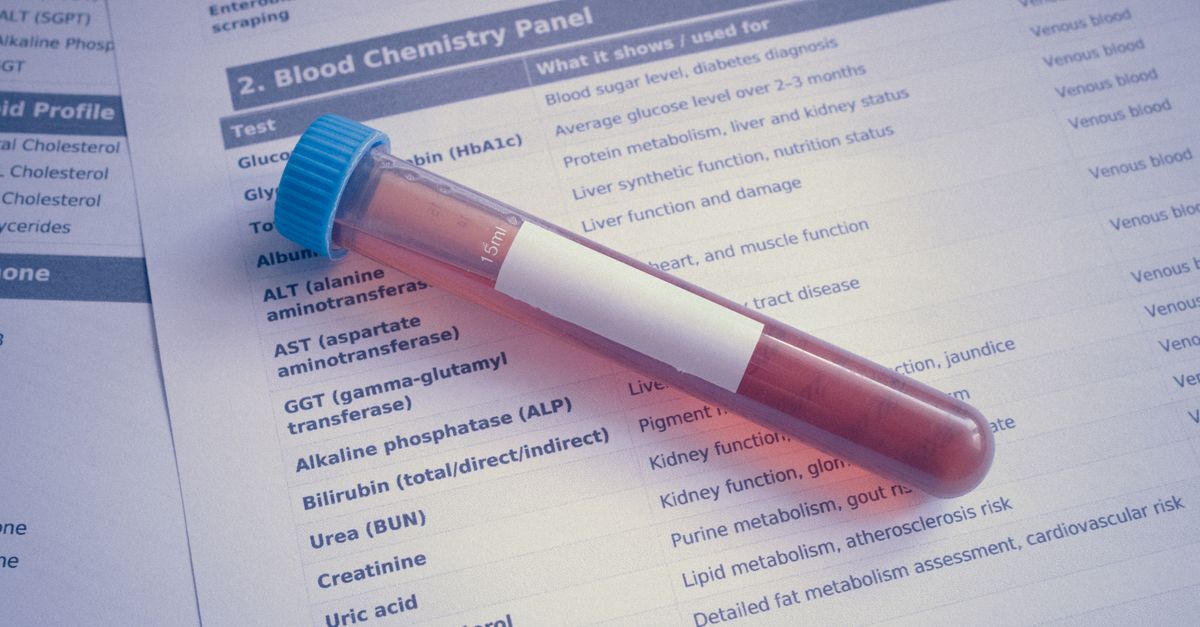
Should I Worry About My Lp(a) Result?
You ordered a cardiovascular panel, got your results back, and now you are staring at a number next to "Lp(a)" that is flagged in red. Before you spiral, here is the most important thing to understand: having a high Lp(a) is not a diagnosis — it is a signal. It tells you that your baseline cardiovascular risk is higher than someone with low Lp(a), and that the other variables you can control — diet, inflammation, blood pressure, and other lipid markers — matter more for you than they do for the average person.
Lipoprotein(a), or Lp(a), is a low-density lipoprotein (LDL) particle with an additional apolipoprotein(a) protein attached. That structural quirk makes it stickier to arterial walls and more prone to promoting clot formation compared to standard LDL (Nordestgaard et al., European Heart Journal 2010; PMID: 20573882). Because Lp(a) levels are largely determined by the LPA gene, lifestyle changes have very limited direct impact on the number itself — which is frustrating, but also liberating, because it means your result does not reflect poor choices.
What Does an Elevated Lp(a) Actually Mean?
The clinical threshold most used in research is 50 mg/dL (or roughly 125 nmol/L) as the upper limit of normal. Values above this level have been associated with a significantly elevated risk of atherosclerotic cardiovascular disease (ASCVD), aortic valve stenosis, and ischemic stroke in large Mendelian randomization studies (Clarke et al., New England Journal of Medicine 2009; PMID: 19299452). A 2022 European Atherosclerosis Society consensus statement recommends that all adults be tested for Lp(a) at least once in their lifetime, with those above 50 mg/dL categorized as higher risk and managed accordingly.
Here is a quick reference for interpreting your result:
| Lp(a) Level | Risk Classification |
|---|---|
| < 30 mg/dL | Desirable |
| 30–50 mg/dL | Borderline elevated |
| 50–125 mg/dL | High — proactive monitoring recommended |
| > 125 mg/dL | Very high — specialist cardiology input advised |
Importantly, Lp(a) does not act alone. Its clinical significance is amplified by other modifiable risk factors — which is where nutrition, supplementation, and lifestyle optimization become genuinely meaningful.
---
Should I Worry About My Homocysteine Result?
If your cardiovascular panel included Lp(a), it may also have flagged homocysteine — and the two markers are more connected than most people realize. Homocysteine is an amino acid produced during methionine metabolism. When it accumulates in the blood (typically above 15 µmol/L), it damages the endothelial lining of blood vessels, accelerates LDL oxidation, and directly potentiates the thrombogenic effects of Lp(a) (Hankey & Eikelboom, The Lancet 1999; PMID: 10376613).
In other words, if you have elevated Lp(a) and elevated homocysteine, the combination is significantly more dangerous than either marker in isolation. The good news: homocysteine is highly responsive to nutrition. B-vitamin status — particularly folate (B9), B6, and B12 — is the primary driver of homocysteine clearance via the one-carbon methylation cycle. Clinical trials have consistently shown that supplementing these B vitamins lowers homocysteine levels by 25–35% in deficient individuals (Homocysteine Lowering Trialists' Collaboration, British Medical Journal 1998; PMID: 9492324).
For individuals identified with both high Lp(a) and elevated homocysteine, addressing B-vitamin status is not optional — it is one of the few direct levers available. Ones analyzes B12 and folate status from bloodwork and can include active-form B vitamins (methylcobalamin, methylfolate) in a personalized formula when the data supports it.
---
Should I Worry About My HDL Result?
HDL cholesterol — often called "good cholesterol" — is frequently measured alongside Lp(a) in cardiovascular risk panels, and a low HDL result compounds Lp(a)-related risk in meaningful ways. HDL particles normally facilitate reverse cholesterol transport, ferrying excess cholesterol away from arterial plaques back to the liver. When HDL is low (below 40 mg/dL in men, below 50 mg/dL in women), that clearing function is impaired, and the pro-atherogenic effects of Lp(a) face less opposition.
Raising HDL through lifestyle is achievable but requires the right strategy:
- Omega-3 fatty acids (EPA/DHA): Meta-analyses confirm that high-dose omega-3 supplementation modestly increases HDL while significantly reducing triglycerides — a related risk marker (Harris et al., American Journal of Cardiology 2008; PMID: 18572034).
- Regular aerobic exercise: Consistent moderate-to-vigorous exercise raises HDL by 3–9% in most adults — one of its most reliable cardiovascular effects.
- Reducing refined carbohydrates and trans fats: Both are established suppressors of HDL concentration.
- Niacin (vitamin B3): At pharmacological doses (1,000–2,000 mg/day), niacin is the most potent available agent for raising HDL — though it requires medical supervision at those levels.
Personalized supplementation should account for your actual HDL reading, not population averages. That is exactly why Ones requires bloodwork input before building a formula — because recommending omega-3 without knowing baseline triglycerides or HDL levels is guesswork.
---
Should I Worry About My Triglycerides Result?
Triglycerides are the third commonly co-elevated marker in a cardiovascular risk context alongside Lp(a). Elevated triglycerides (above 150 mg/dL) reflect excess caloric load, poor insulin sensitivity, or both — and they contribute to a particularly dangerous lipid pattern called atherogenic dyslipidemia: high triglycerides + low HDL + small, dense LDL particles. This pattern significantly worsens the background risk associated with elevated Lp(a).
The target for most cardiovascular risk management protocols is triglycerides below 100 mg/dL, with the optimal range sitting between 50–75 mg/dL for higher-risk individuals. High-dose omega-3 supplementation (EPA + DHA combined at 2–4 g/day) is the best-studied non-prescription intervention, with reductions of 20–35% reported in hypertriglyceridemia trials (Miller et al., Journal of Clinical Lipidology 2011).
| Triglyceride Level | Classification |
|---|---|
| < 100 mg/dL | Optimal |
| 100–149 mg/dL | Near-optimal |
| 150–199 mg/dL | Borderline high |
| 200–499 mg/dL | High |
| ≥ 500 mg/dL | Very high — medical attention required |
Beyond omega-3s, reducing alcohol intake, improving sleep quality, and managing insulin resistance through diet (lower glycemic index, higher fiber) are the most evidence-supported strategies for bringing triglycerides down.
---
What Can Actually Lower Lp(a) Itself?
Here is where the answer gets complicated. Because Lp(a) is >90% heritable, no lifestyle intervention reliably reduces Lp(a) concentration by a clinically significant margin. That said, several emerging therapies and a few nutritional factors show partial or context-dependent effects:
- PCSK9 inhibitors (evolocumab, alirocumab): These injectable biologics lower Lp(a) by approximately 20–30% — a meaningful reduction, though primarily prescribed for LDL management (Raal et al., Journal of the American College of Cardiology 2016; PMID: 26965544).
- RNA-targeted therapies (pelacarsen, olpasiran): Phase 3 trials are currently underway targeting the LPA gene directly; early data shows reductions exceeding 80% — the most promising class yet for Lp(a)-specific treatment.
- Niacin: Has been shown to reduce Lp(a) by 20–30% at pharmacological doses, though large outcomes trials (AIM-HIGH, HPS2-THRIVE) did not demonstrate cardiovascular event reduction when added to statin therapy.
- Aspirin: Some evidence suggests low-dose aspirin may partially neutralize Lp(a)'s thrombogenic effects, particularly in high-risk patients, but this requires individualized medical assessment.
- Vitamin C: A longstanding hypothesis (based on Linus Pauling's work) suggests high-dose ascorbic acid may compete with Lp(a) for arterial binding sites. Human trial evidence remains limited, though antioxidant support of endothelial health is well-supported mechanistically.
For most people with elevated Lp(a), the clinical strategy is not to obsess over moving the Lp(a) number, but to aggressively manage every other modifiable risk factor: LDL-C, blood pressure, blood sugar, inflammation (CRP, homocysteine), physical activity, and smoking status.
---
What This Means for Your Formula
At Ones, cardiovascular risk markers including Lp(a), homocysteine, HDL, and triglycerides are reviewed as part of a connected picture — not as isolated numbers. When bloodwork reveals elevated Lp(a) alongside suboptimal co-markers, the AI practitioner can calibrate a formula to address the modifiable factors surrounding it.
For individuals in this category, the most relevant ingredients Ones may include are:
- Omega-3 (EPA/DHA): Included at clinically active doses targeting triglyceride reduction and anti-inflammatory support. High-dose EPA in particular has been shown to reduce ASCVD events in high-risk patients in the REDUCE-IT trial, even independent of triglyceride-lowering effects.
- Vitamin C (as ascorbic acid or buffered ascorbate): Ones' C Boost System Blend provides antioxidant support for endothelial integrity, relevant to limiting oxidative modification of LDL — a key step in Lp(a)-driven plaque formation.
- Active B vitamins (methylcobalamin, methylfolate): When homocysteine is elevated alongside Lp(a), these are included to support methylation and drive homocysteine clearance — one of the most actionable levers in cardiovascular risk reduction.
The formula is always calibrated to your specific lab results, wearable trends, and health history — not a generic cardiovascular template. This matters because someone with high Lp(a) and high homocysteine needs a different approach than someone with high Lp(a) and low HDL.
If you want a deeper look at how omega-3 dosing interacts with cardiovascular risk markers, see our guide on omega-3 EPA and DHA dosing for heart health. For a full overview of how blood lipids interact with inflammation markers, our article on understanding your cardiovascular blood panel is a useful companion read. You can also explore how B vitamins support methylation and homocysteine reduction for more on addressing that co-marker specifically.
---
Key Takeaways
- Elevated Lp(a) (above 50 mg/dL) is a genetically determined cardiovascular risk factor — it is not caused by lifestyle choices, but it does raise the stakes for managing everything else.
- Lp(a) does not act alone: co-elevated homocysteine, low HDL, and high triglycerides each amplify the risk signal — and all three are modifiable.
- No dietary supplement directly and reliably lowers Lp(a) at the population level; the most promising pharmacological options are PCSK9 inhibitors and emerging RNA-targeted therapies.
- Active B vitamins (methylcobalamin, methylfolate) are among the highest-value interventions when homocysteine is elevated alongside Lp(a), with reductions of 25–35% documented in clinical trials.
- High-dose omega-3 (EPA/DHA) targets triglyceride reduction and systemic inflammation — two modifiable factors that matter more when Lp(a) is already elevated.
- Always consult a cardiologist or lipid specialist if your Lp(a) exceeds 125 mg/dL or if you have additional cardiovascular risk factors — supplementation is a complement to, not a replacement for, medical evaluation.