Women's Health
Should Women Get Estradiol Tested?
Estradiol is the dominant estrogen in women of reproductive age, and its fluctuations drive everything from menstrual regularity to bone density to mood. Yet most routine panels skip it entirely. Understanding when and why to test estradiol — and what to do with the results — can be a turning point in women's health management.
Should Women Get Estradiol Tested?
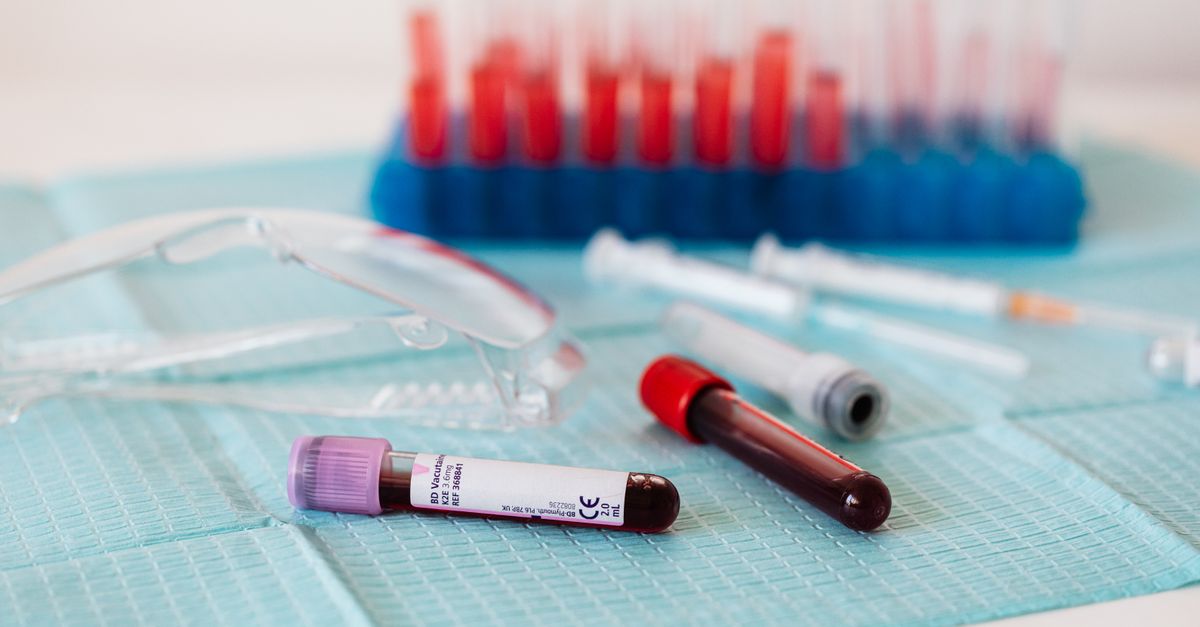
Yes, most women benefit from knowing their estradiol level at least once — and regularly if they have symptoms. Estradiol (E2) is the primary biologically active estrogen, governing bone protection, cardiovascular health, mood regulation, and reproductive cycles. The main caveat is that a single number is meaningless without cycle timing and clinical context. Women on hormonal contraception or post-menopause need different reference ranges entirely.
---
What Is Estradiol and Why Does It Matter?
Estradiol is one of three naturally occurring estrogens — alongside estrone (E1) and estriol (E3) — but it is by far the most potent. Produced primarily in the ovarian follicles during the reproductive years, estradiol acts on receptors distributed across virtually every organ system: the brain, heart, bone, skin, liver, and gut.
In a typical 28-day cycle, serum estradiol starts low (around 20–60 pg/mL in the early follicular phase), surges to a preovulatory peak of 150–400 pg/mL, and then falls again before rising modestly in the luteal phase. After menopause, levels typically drop below 30 pg/mL and often below 10 pg/mL, a shift that accelerates bone resorption and raises cardiovascular risk (Santen et al., Journal of Clinical Endocrinology & Metabolism 2010; PMID: 20829185).
Even in premenopausal women, estradiol levels can be chronically low — driven by undereating, over-training, hypothalamic dysfunction, or premature ovarian insufficiency — or chronically high, which is associated with estrogen dominance patterns linked to endometriosis and certain hormone-sensitive cancers (Bulun et al., Endocrine Reviews 2019; PMID: 30994890).
---
When Should Women Get Estradiol Tested?
Testing context matters enormously. A follicular-phase result does not equal a midcycle result, and comparing the two without noting cycle day can lead to misinterpretation.
Recommended testing scenarios include:
- Irregular or absent periods (oligomenorrhea/amenorrhea): A low estradiol alongside elevated FSH strongly suggests ovarian insufficiency. Testing both together is more informative than either alone — see the discussion of FSH testing in women for the complementary picture.
- Perimenopause evaluation: Fluctuating estradiol, combined with rising FSH and symptoms like hot flashes and sleep disruption, helps confirm the transition and guide decisions about hormone therapy.
- Bone density concern: Women with chronically low estradiol — whether from hypothalamic amenorrhea or early menopause — face accelerated bone loss. The North American Menopause Society notes that estrogen deficiency is the primary driver of postmenopausal osteoporosis.
- Mood and cognitive symptoms: Low estradiol correlates with reduced serotonin transporter activity and impaired working memory. Studies have shown that estradiol replacement in perimenopausal women improves depressive symptoms (Gordon et al., JAMA Psychiatry 2018; PMID: 29417145).
- Infertility workup: Estradiol on cycle day 3 provides a baseline for ovarian reserve assessment alongside anti-Müllerian hormone (AMH) and antral follicle count.
- Monitoring hormone therapy (HRT or HRT alternatives): Women on estrogen replacement benefit from periodic checks to ensure dosing stays within therapeutic and safe ranges.
Timing guide for premenopausal women:
| Purpose | Recommended Cycle Day | Target Range |
|---|---|---|
| Ovarian reserve / basal check | Day 2–4 | 25–75 pg/mL |
| Confirm ovulation | Day 12–14 | 150–400 pg/mL |
| Luteal adequacy | Day 21–23 | 50–150 pg/mL |
| Postmenopausal baseline | Any day | < 30 pg/mL |
---
What Do Abnormal Estradiol Levels Indicate?
Low estradiol (below 20 pg/mL in premenopausal women) may point to:
- Hypothalamic amenorrhea (often from low energy availability or high exercise volume)
- Premature ovarian insufficiency (POI)
- Hyperpituitarism or pituitary tumors affecting GnRH pulsatility
- Perimenopause or menopause
Elevated estradiol in premenopausal women may indicate:
- Polycystic ovarian syndrome (PCOS) with follicular arrest
- Estrogen-secreting tumors
- Significant obesity (adipose tissue converts androgens to estrogens via aromatase)
- Environmental exposure to xenoestrogens
- Liver impairment (reduced estrogen clearance)
Estradiol does not exist in isolation. Interpreting it alongside progesterone, LH, and FSH testing — and in some cases cortisol, which disrupts GnRH pulsatility when chronically elevated — gives a far more accurate hormonal picture.
---
How Estradiol Affects Mood, Cognition, and Sleep
The brain is exquisitely sensitive to estradiol fluctuations. Estrogen receptors (ERα and ERβ) are expressed throughout the limbic system, prefrontal cortex, and hippocampus. Estradiol modulates serotonin synthesis, dopamine receptor density, and GABA activity — which helps explain why mood, anxiety, and sleep quality so often track with hormonal shifts across the cycle and across the lifespan.
In the late luteal phase, when estradiol drops sharply, women with premenstrual dysphoric disorder (PMDD) show exaggerated sensitivity to normal hormonal changes rather than abnormal absolute levels (Rubinow & Schmidt, Dialogues in Clinical Neuroscience 2019; PMID: 31636496). This makes estradiol testing alone insufficient for PMDD diagnosis — the pattern of change and receptor sensitivity matter as much as the number.
Post-menopause, declining estradiol is associated with increased insomnia, hot flash–driven sleep fragmentation, and a higher prevalence of depression. The relationship is complex and bidirectional: poor sleep also suppresses estradiol through HPA axis activation and its downstream effects on hypothalamic GnRH release.
For women navigating these intersections of hormone status and mental well-being, lifestyle and targeted supplementation can play a meaningful supporting role — more on that below.
---
Estradiol and Cardiovascular and Bone Health
Estradiol's cardioprotective effects are well-documented during the reproductive years: it promotes vasodilation, supports favorable lipid profiles (raising HDL, lowering LDL), and reduces arterial inflammation. This largely explains why premenopausal women have significantly lower rates of cardiovascular disease compared to age-matched men — a gap that closes rapidly after menopause (Manson et al., New England Journal of Medicine 2013; PMID: 24224623).
Monitoring estradiol becomes especially important for women with a family history of cardiovascular disease or those whose LDL shifts unfavorably after menopause. Similarly, tracking homocysteine — which tends to rise as estradiol falls — adds important cardiovascular context alongside the estradiol result.
For bone health, estradiol inhibits osteoclast activity (the cells that break down bone) and supports calcium absorption. Women who experience early menopause or hypothalamic amenorrhea can lose 1–2% of bone mineral density per year. Pairing estradiol testing with calcium status and vitamin D assessment provides a more complete bone health profile.
---
Natural Support for Estrogen Balance: What the Evidence Says
Women seeking lifestyle and supplemental strategies to support hormonal balance often encounter three botanicals with a reasonable evidence base: phytoestrogen-containing herbs, adaptogens, and serotonin-supporting compounds. Three in particular have accumulated enough clinical data to discuss meaningfully.
Lemon Balm for Women
Lemon balm (Melissa officinalis) is a mild nervine with demonstrated benefits for anxiety, mood, and sleep — all of which are hormonally modulated systems. A randomized controlled trial found that lemon balm extract reduced anxiety and insomnia in menopausal women, consistent with its GABAergic and anticholinesterase mechanisms (Cases et al., Mediterranean Journal of Nutrition and Metabolism 2011; PMID: 25194452). Because poor sleep amplifies HPA activity and indirectly suppresses estradiol, improving sleep architecture through botanicals like lemon balm can be a relevant supporting strategy — not an estrogen replacement, but a real quality-of-life tool during hormonal transitions.
Magnolia Bark for Women
Magnolia bark (Magnolia officinalis) contains the bioactive compounds honokiol and magnolol, which bind to GABA-A receptors and have demonstrated anxiolytic and cortisol-modulating effects. A pilot study in perimenopausal women found that a combination formula containing magnolia bark significantly reduced hot flash frequency, mood disturbance, and night waking compared to placebo (Mucci et al., Minerva Ginecologica 2006; PMID: 16508621). Cortisol is an important variable here: chronically elevated cortisol suppresses GnRH pulsatility, which in turn reduces LH, FSH, and ultimately estradiol output. Ingredients that blunt cortisol excess — magnolia bark included — may help protect the hypothalamic-pituitary-gonadal (HPG) axis from chronic stress-driven suppression.
Saffron for Women
Saffron (Crocus sativus) has attracted growing clinical interest as a mood-supportive botanical, particularly for women. A meta-analysis of randomized trials found that saffron supplementation (typically 30 mg/day of standardized extract) significantly reduced depressive symptoms, with an effect size comparable to low-dose antidepressants in mild-to-moderate depression (Hausenblas et al., Journal of Integrative Medicine 2013; PMID: 23764390). In perimenopausal and menopausal women specifically, one RCT demonstrated that 30 mg/day of saffron reduced hot flash severity and improved mood over 12 weeks. Its primary mechanisms appear to involve serotonin reuptake inhibition and antioxidant activity in limbic regions — areas where estrogen withdrawal reduces serotonergic tone. Saffron does not raise estradiol directly, but it addresses the downstream neurochemical consequences of lower estrogen in a clinically meaningful way.
---
What This Means for Your Formula
Estradiol status intersects with several biological systems that targeted supplementation can support — even if no supplement replaces estrogen itself. When Ones analyzes lab data and health history, hormonal patterns including estradiol fluctuations, cortisol burden, and thyroid function inform which ingredients are prioritized.
For women dealing with the mood and sleep consequences of low or fluctuating estradiol, Ones may incorporate Rhodiola Rosea — an adaptogen with evidence for reducing cortisol-driven HPA overactivation that can suppress the HPG axis — alongside Ashwagandha (KSM-66, 600 mg), which has demonstrated reductions in serum cortisol by up to 27% in stressed adults (Chandrasekhar et al., Indian Journal of Psychological Medicine 2012; PMID: 23439798). For women whose cardiovascular markers shift unfavorably as estradiol declines — rising LDL, worsening lipid ratios — Ones may include Omega-3 (EPA/DHA), dosed to the clinically relevant range used in cardiovascular outcome trials.
These aren't generic recommendations. The formula is built from your specific data, including where estradiol fits in the broader hormonal and metabolic picture.
---
Key Takeaways
- Estradiol is the most biologically active estrogen and affects bone density, cardiovascular health, mood, cognition, and sleep — testing it gives actionable data, not just a number.
- Timing matters: results must be interpreted against cycle day, menopausal status, and symptoms — a single reading without context is easy to misread.
- Low estradiol in premenopausal women is a meaningful clinical signal, most commonly caused by hypothalamic amenorrhea, premature ovarian insufficiency, or perimenopause.
- Botanicals like saffron, magnolia bark, and lemon balm have genuine evidence for addressing the mood, sleep, and cortisol-related consequences of estrogen fluctuations — they complement, not replace, estradiol management.
- Estradiol doesn't travel alone — pairing it with FSH, cortisol, cholesterol, and homocysteine gives a far richer hormonal health picture.
- Personalized supplement formulas built from your lab data can target the downstream effects of estradiol imbalance — from HPA dysregulation to cardiovascular risk — with ingredients dosed to clinical ranges rather than one-size-fits-all amounts.