Women's Health
Should Women Get Hemoglobin Tested?
Many women attribute fatigue, brain fog, and shortness of breath to stress or poor sleep — but low hemoglobin could be the underlying cause. Hemoglobin testing is one of the most revealing blood markers for women's health, yet it's often dismissed until levels are severely low. Understanding what your numbers actually mean can change how you train, eat, and supplement.
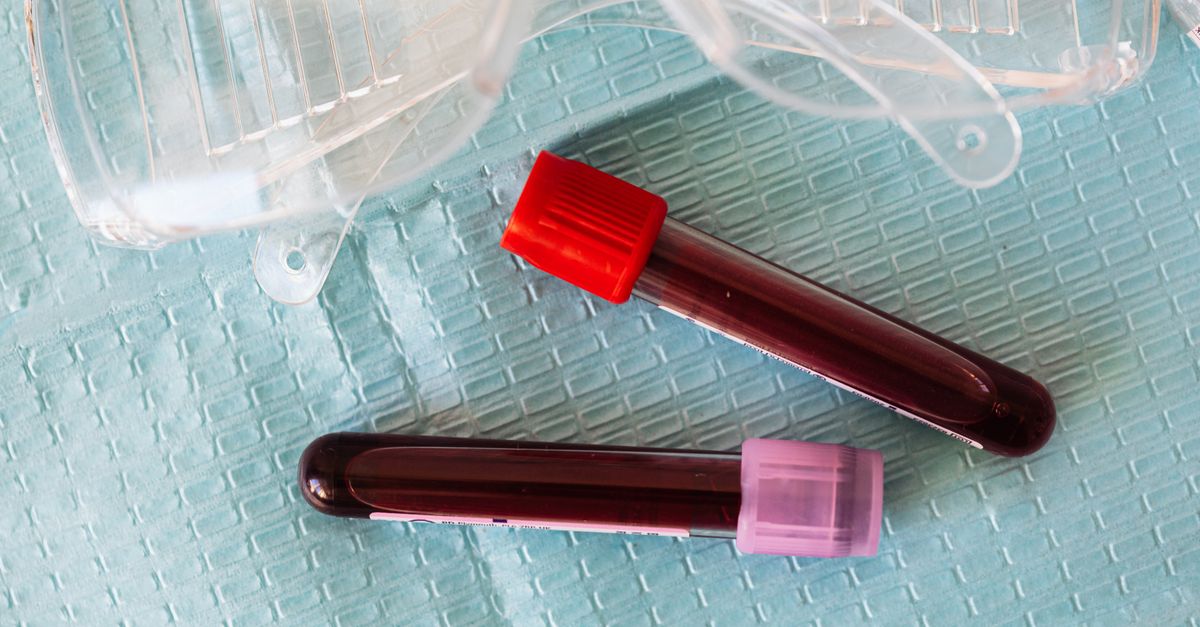
Should Women Get Hemoglobin Tested?
Yes — hemoglobin testing is worth doing for nearly every woman. Low hemoglobin (anemia) is the world's most common nutritional deficiency and disproportionately affects women due to menstruation, pregnancy, and typically lower dietary iron intake. The main caveat: a normal hemoglobin level doesn't rule out iron deficiency — you also need ferritin. The exception is women who eat a well-varied omnivorous diet, have no heavy periods, and feel genuinely energetic — though even they benefit from a baseline test.
---
What Is Hemoglobin and Why Does It Matter?
Hemoglobin is the iron-containing protein inside red blood cells that carries oxygen from your lungs to every tissue in your body. When hemoglobin falls, oxygen delivery drops — and you feel it: fatigue, reduced exercise capacity, difficulty concentrating, and even heart palpitations in more severe cases.
The World Health Organization defines anemia in non-pregnant women as hemoglobin below 12.0 g/dL and in pregnant women below 11.0 g/dL. However, many functional medicine practitioners consider the optimal range for women to be 13.0–15.5 g/dL, well above the anemia cutoff. A value technically "within range" at 12.2 g/dL can still be associated with reduced physical performance and cognitive fatigue.
Hemoglobin is typically measured as part of a Complete Blood Count (CBC), which your doctor can order at any routine physical. It's inexpensive, covered by most insurance plans, and provides a rapid snapshot of your oxygen-carrying capacity.
---
How Common Is Low Hemoglobin in Women?
Iron-deficiency anemia — the most common cause of low hemoglobin — affects approximately 1.2 billion people globally, with women of reproductive age representing the largest at-risk group (WHO Global Anaemia Estimates 2021). In the United States, roughly 12% of non-pregnant women aged 12–49 are iron deficient, and about 5–6% meet the clinical threshold for iron-deficiency anemia (Looker et al., JAMA 1997; PMID: 9032159).
The numbers climb sharply during pregnancy. A 2013 Cochrane review of iron supplementation in pregnancy found that inadequate hemoglobin is associated with increased risk of preterm birth and low birth weight, reinforcing why antenatal testing is standard practice (Pena-Rosas et al., Cochrane Database Syst Rev 2015; PMID: 26198451).
Vegetarian and vegan women face an additional layer of risk because plant-based (non-heme) iron is absorbed at roughly 2–10% efficiency compared with 15–35% for heme iron from meat (NIH Office of Dietary Supplements, Iron Fact Sheet 2023). This alone can make hemoglobin monitoring an ongoing necessity rather than a one-time check.
---
Symptoms That Signal You Should Get Tested
Hemoglobin doesn't have to drop dramatically to produce noticeable symptoms. Many women notice subtle changes long before they reach the clinical anemia threshold:
- Persistent fatigue unrelieved by sleep
- Shortness of breath during moderate activity (climbing stairs, light cardio)
- Brain fog and difficulty concentrating
- Cold hands and feet even in moderate temperatures
- Pale skin, gums, or inner eyelids
- Heart palpitations or a racing heartbeat
- Unusual cravings for ice, dirt, or starch (pica — a hallmark of iron-deficiency anemia)
- Restless legs syndrome at night
Because many of these symptoms overlap with thyroid dysfunction, chronic fatigue syndrome, and vitamin B12 deficiency, testing hemoglobin alongside ferritin and B12 provides a much clearer picture than any single marker alone.
---
Understanding Your Hemoglobin Results
Here's a practical reference for interpreting hemoglobin values in adult women:
| Hemoglobin Level (g/dL) | Interpretation | Typical Action |
|---|---|---|
| ≥ 13.5 | Optimal (functional medicine range) | Maintain with diet |
| 12.0–13.4 | Low-normal; monitor trends | Assess ferritin, diet |
| 11.0–11.9 | Mild anemia (non-pregnant) | Investigate cause; may need supplementation |
| 8.0–10.9 | Moderate anemia | Medical evaluation required |
| < 8.0 | Severe anemia | Urgent medical care |
Important note: hemoglobin alone doesn't tell you why it's low. The differential includes iron deficiency (most common), vitamin B12 deficiency, folate deficiency, chronic disease, hypothyroidism, and — rarely — genetic conditions like thalassemia or sickle cell trait. That's why a full CBC with iron panel and, ideally, ferritin and B12 levels are worth running together. If you're also curious about thyroid function as a driver, getting TSH tested at the same blood draw can be very informative.
---
Who Should Prioritize Hemoglobin Testing?
Certain groups have a meaningfully higher prior probability of low hemoglobin and should treat testing as routine rather than optional:
- Women with heavy menstrual periods — Monthly blood loss is the leading driver of iron-deficiency anemia in premenopausal women. Women losing more than 80 mL per cycle are at significant risk.
- Pregnant or recently postpartum women — Blood volume expands dramatically during pregnancy; hemoglobin naturally dilutes and iron demand surges.
- Vegetarians and vegans — Lower bioavailability of non-heme iron increases depletion risk, especially without intentional dietary pairing (vitamin C with iron-rich plant foods).
- Women who exercise heavily — Endurance athletes can experience "footstrike hemolysis" (mechanical destruction of red blood cells), elevated sweat iron losses, and inflammation-driven hepcidin increases that suppress iron absorption (Peeling et al., Sports Medicine 2008; PMID: 18416590).
- Women over 50 who are perimenopausal or postmenopausal — While menstrual loss stops, this group should still test because chronic disease anemia and B12 malabsorption become more prevalent with age.
- Women with gastrointestinal conditions — Celiac disease, Crohn's, or chronic NSAID use can impair iron absorption or cause occult GI blood loss.
If you fall into one or more of these categories and haven't had a CBC in the past year, scheduling one is a low-cost, high-value action.
---
What Causes Hemoglobin to Drop?
Low hemoglobin almost always traces back to one of four root causes:
1. Iron deficiency — The most common cause in women of reproductive age. Iron is needed to synthesize heme, the oxygen-binding component of hemoglobin. Deficiency typically develops in stages: first ferritin drops (storage iron depletes), then serum iron and transferrin saturation fall, and finally hemoglobin drops. This is why getting ferritin tested alongside hemoglobin is so important — ferritin gives you early warning before hemoglobin falls.
2. Vitamin B12 or folate deficiency — These vitamins are required for red blood cell synthesis. Without them, red blood cells grow abnormally large and dysfunctional (megaloblastic anemia). B12 deficiency is particularly common in women who follow plant-based diets or take metformin. For a closer look at testing, see should women get B12 tested.
3. Anemia of chronic disease (ACD) — Chronic inflammation from autoimmune disease, infections, or malignancy elevates hepcidin, a hormone that sequesters iron away from red blood cell production. This can produce low hemoglobin even when iron stores appear adequate.
4. Hemolytic or genetic causes — Thalassemia trait, sickle cell trait, and certain autoimmune conditions cause increased red blood cell destruction. These require specialist evaluation.
---
How Often Should Women Get Hemoglobin Tested?
For most healthy adult women, hemoglobin as part of an annual CBC is sufficient. However, the following situations call for more frequent monitoring:
- During pregnancy: hemoglobin is typically checked at the first prenatal visit, again around 28 weeks, and at delivery
- While on iron supplementation: re-test at 6–8 weeks to confirm response
- After a blood donation: levels typically recover within 4–8 weeks, but active donors benefit from monitoring
- If symptoms recur despite previously normal labs — trends over time matter more than any single data point
A 2019 study in the American Journal of Hematology emphasized that serial monitoring of hemoglobin in reproductive-age women provides better clinical decision-making than a single snapshot, particularly in women with menorrhagia (heavy periods) (Munro et al., BJOG 2018; PMID: 29152807).
---
What Happens After a Low Hemoglobin Result?
The approach depends entirely on the cause:
- Iron-deficiency anemia: Oral iron supplementation (typically 100–200 mg elemental iron daily in divided doses) combined with dietary changes. Vitamin C taken alongside iron significantly enhances absorption. Retest hemoglobin and ferritin in 6–8 weeks to assess response.
- B12 deficiency anemia: Oral B12 at 1,000 mcg/day or intramuscular injections in severe or absorption-related cases. Response is usually rapid.
- Anemia of chronic disease: Treating the underlying inflammatory condition is primary; iron supplementation is often not effective and can be counterproductive.
- Hemolytic or genetic causes: Referral to hematology for definitive diagnosis and management.
Never self-supplement with high-dose iron without confirmed deficiency — excess iron is oxidative and can be harmful. Work with your physician to identify the specific cause before starting treatment.
---
What This Means for Your Formula
Hemoglobin status sits at the intersection of iron, B12, folate, and inflammation — and where there's a documented shortfall, targeted supplementation at clinical doses can make a meaningful difference.
Ones' AI-driven health platform is built to connect your actual lab results — including hemoglobin, ferritin, and CBC data — to specific ingredient decisions in your daily formula. Rather than guessing, the system uses your numbers to determine what to include and at what dose.
For women with confirmed iron-deficiency anemia, the priority is addressing root-cause iron status first through medical guidance. Where hemoglobin sits in the low-normal range and inflammation or B12 insufficiency is a contributing factor, Ones can incorporate:
- Methylcobalamin (Vitamin B12) at clinically meaningful doses to support red blood cell maturation — particularly relevant for plant-based eaters or anyone on metformin whose B12 absorption is compromised
- Vitamin C as a dedicated active, which has been shown to increase non-heme iron absorption by up to 67% when taken alongside iron-rich meals (Hallberg et al., Scandinavian Journal of Gastroenterology 1987; PMID: 3629762) — Ones includes C Boost as a System Blend for this and broader immune-antioxidant purposes
- Ones' Adrenal Support blend, which addresses chronic stress-driven inflammation — a key driver of anemia of chronic disease via hepcidin upregulation — by modulating the HPA axis response
If your hemoglobin is low alongside markers of poor iron status, Ones can cross-reference all available inputs to build a formula that doesn't guess — it responds to what your biology is actually showing.
---
Key Takeaways
- Hemoglobin testing is worthwhile for nearly all women, especially those with heavy periods, plant-based diets, or unexplained fatigue — anemia is the world's most common nutritional deficiency and disproportionately affects women.
- A "normal" hemoglobin doesn't rule out iron deficiency — ferritin can be severely depleted while hemoglobin remains technically in range. Always test both.
- Symptoms like fatigue, brain fog, cold extremities, and heart palpitations can appear before hemoglobin falls below the anemia threshold.
- The cause matters as much as the number — iron deficiency, B12 deficiency, chronic inflammation, and genetic conditions all produce low hemoglobin but require completely different interventions.
- Testing frequency should match your risk profile: annually for most women, more often during pregnancy, supplementation, or active symptoms.
- Supplementing iron without confirmed deficiency is not risk-free — always work with a clinician to identify the cause before starting high-dose iron protocols.
---
The information in this article is for educational purposes only and does not constitute medical advice. Always consult a licensed healthcare provider before making changes to your supplement regimen or interpreting lab results.