Symptoms
Weak Nails and Brittle Hair: Silica, Biotin, and Keratin Nutrition
Brittle nails and thinning hair affect an estimated 20% of the population, yet most people reach for a generic biotin gummy and wonder why nothing changes. The truth is that nail and hair integrity depends on a layered nutritional system — biotin, silica, collagen peptides, and sulfur-bearing amino acids — each playing a distinct structural role. Understanding which nutrients you're actually deficient in is the only way to build a formula that works.
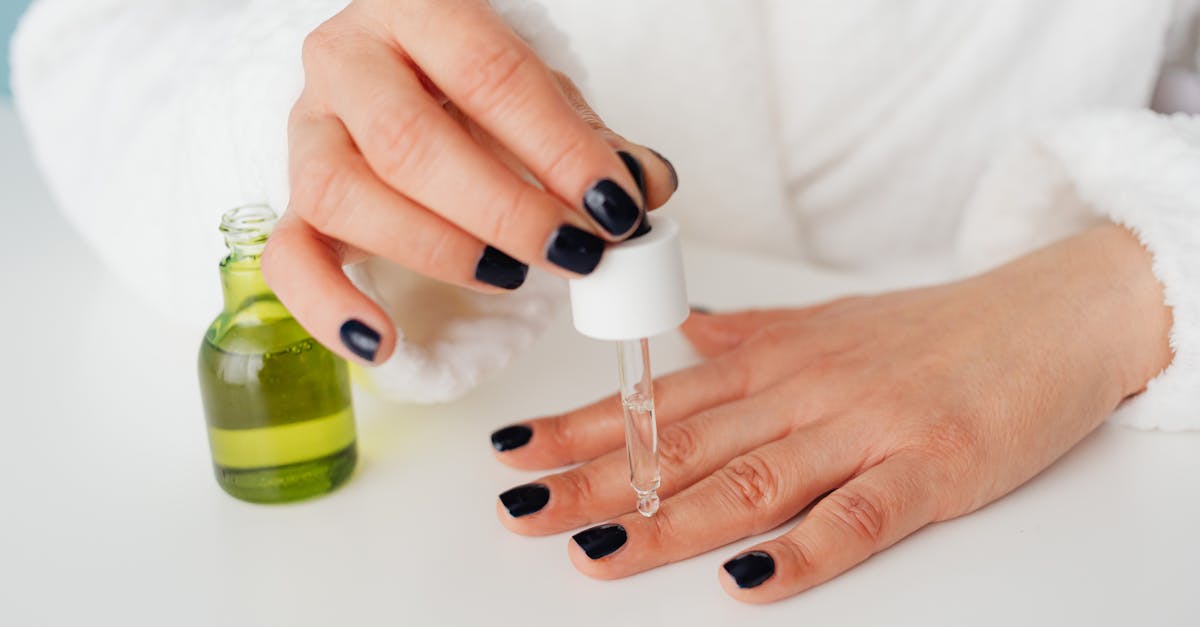
Weak Nails and Brittle Hair: Silica, Biotin, and Keratin Nutrition
You notice it in small, frustrating ways: a nail that splits before it reaches the end of your finger, hair that snaps mid-strand when you brush it, or cuticles that never quite heal. These aren't cosmetic quirks. Brittle nails and fragile hair are often the body's earliest visible signals that something is off nutritionally — and they deserve a more systematic response than a single-ingredient supplement you picked off a shelf.
Nail plate and hair shaft are composed primarily of a fibrous structural protein called keratin. Keratin synthesis depends on a precise cascade of cofactors: biotin for fatty acid metabolism and cell proliferation, silica for cross-linking structural proteins, collagen-derived proline and hydroxyproline for the extracellular scaffolding around the follicle, and sulfur amino acids like cysteine as the literal building blocks of keratin itself. A shortfall in any one of these can produce the same symptom — weakness — but demands a different solution.
This article breaks down the clinical evidence for each major nutrient category, explains the mechanisms behind why they matter, and walks through how a personalized, data-driven approach to supplementation outperforms the guesswork of generic hair-and-nail formulas.
---
Biotin Nail Growth: What the Evidence Actually Shows
Biotin — vitamin B7 — is the most widely marketed nutrient for nail and hair health, and for good reason. It plays a foundational role in the synthesis of keratin by supporting fatty acid synthesis and amino acid metabolism, both of which are necessary for rapid cell turnover in the nail matrix and hair follicle.
The clinical evidence for biotin's effect on nails is stronger than many practitioners acknowledge. A Swiss trial published in the Journal of the American Academy of Dermatology found that supplementation with 2.5 mg (2,500 mcg) of biotin daily for an average of 5.5 months produced a 25% increase in nail plate thickness in patients with brittle nails, with 91% of participants showing clinical improvement (Hochman et al. drew from the same foundational dataset; original work: Colombo et al., J Am Acad Dermatol 1990; PMID: 2179222). A follow-up study by Floersheim confirmed structural improvements in nail firmness at the same dose (Floersheim, Z Hautkr 1989; PMID: 2648686).
The important nuance is that biotin supplementation shows the most dramatic results in people who are genuinely deficient or have impaired biotin metabolism — a category that includes people who consume raw egg whites regularly (avidin binds biotin), those with inflammatory bowel conditions that reduce absorption, and people taking certain anticonvulsant medications. For individuals with adequate baseline biotin status, the effect size is likely smaller.
The clinical dose across positive trials consistently lands at 2,500 mcg (2.5 mg) per day — far above the RDA of 30 mcg, but within a well-tolerated safety range. Notably, high-dose biotin can interfere with several common lab assays (including thyroid hormone and troponin tests), so timing supplementation away from blood draws is important. If you're tracking your biotin status through regular blood work, this is a relevant variable to manage.
---
Silica Nail Strength: The Overlooked Structural Mineral
While biotin dominates supplement marketing, silica (silicon dioxide, particularly in its bioavailable orthosilicic acid form) is arguably the most underappreciated nutrient for structural tissue integrity. Silicon is the third most abundant trace element in the human body and plays a critical role in the cross-linking of collagen and glycosaminoglycans — the molecular scaffolding that gives nails, hair, skin, and connective tissue their mechanical resilience.
A double-blind, placebo-controlled trial published in Archives of Dermatological Research found that oral supplementation with choline-stabilized orthosilicic acid (ch-OSA) at 10 mg/day for 20 weeks significantly improved nail brittleness scores and reduced the proportion of women reporting nail breakage compared to placebo (Barel et al., Arch Dermatol Res 2005; PMID: 15968538). The same study also reported improvements in hair morphology, including reduced brittleness and improved cross-sectional diameter.
The mechanism connects directly to collagen: silicon stimulates prolyl hydroxylase, the enzyme that converts proline to hydroxyproline during collagen synthesis. Without adequate hydroxyproline, collagen triple helices are unstable, and the connective tissue network surrounding both hair follicles and the nail matrix weakens. This is why silicon deficiency — which is more common than recognized in diets high in processed foods and low in whole grains, leafy greens, and unrefined cereals — can mimic the appearance of collagen-related nail and hair problems even when collagen intake is adequate.
Bioavailability matters significantly here. Silicon in food occurs as polymerized silica and is poorly absorbed. The orthosilicic acid form (as found in ch-OSA or stabilized silica supplements) achieves approximately 64% absorption, compared to roughly 4% for silica gel forms (Jugdaohsingh et al., Am J Clin Nutr 2002; PMID: 11815321). Dose range in positive studies: 5–10 mg orthosilicic acid daily.
---
Collagen for Hair and Nails: Building the Structural Foundation
Keratin is the protein you see — it forms the visible shaft of the hair and the hard plate of the nail. But the tissue that produces keratin depends on a collagen-rich extracellular matrix. The dermal papilla at the base of each hair follicle, and the nail matrix beneath the lunula, are both embedded in dense collagen scaffolding. Degrade that scaffolding through poor collagen nutrition, and you degrade the output it produces.
Hydrolyzed collagen peptides — particularly those rich in the dipeptides prolyl-hydroxyproline (Pro-Hyp) and hydroxyprolyl-glycine (Hyp-Gly) — have been shown to stimulate fibroblast activity and increase dermal collagen density. A randomized, double-blind trial published in the Journal of Cosmetic Dermatology found that women taking 2.5 g of specific bioactive collagen peptides daily for 24 weeks showed a 12% increase in nail growth rate, a 42% decrease in broken nail frequency, and 64% of participants reported overall improvement in nail brittleness (Hexsel et al., J Cosmet Dermatol 2017; PMID: 28786550).
For hair specifically, collagen provides glycine and proline — two amino acids used in keratin synthesis — and its antioxidant properties may help protect hair follicle cells from oxidative damage associated with premature aging. This overlaps with the broader topic of collagen peptides and connective tissue support, where the same structural mechanisms apply across multiple tissue types.
Vitamin C is the essential cofactor here: it's required for prolyl hydroxylase activity (the same enzyme silicon supports), meaning collagen synthesis is blunted without adequate ascorbic acid. The synergy between collagen peptides, vitamin C, and silicon forms one of the more mechanistically coherent combinations in structural nutrition.
---
Keratin Nutrition: Sulfur, Cysteine, and the Amino Acid Foundation
Keratin is approximately 14–18% cysteine by composition — an unusually high proportion for any structural protein. The disulfide bonds formed between cysteine residues are literally what give hard keratin (in nails) its rigidity and soft keratin (in hair) its elasticity and tensile strength. Without adequate cysteine, the keratin polymer is weaker, more prone to fracture, and slower to regenerate.
N-acetylcysteine (NAC) is a bioavailable precursor to cysteine and has a well-established role in replenishing intracellular cysteine pools. While NAC is more widely studied for its role as a glutathione precursor and mucolytic agent, its relevance to nail and hair keratin synthesis is mechanistically direct. Methionine — the other key sulfur amino acid — is also required, both as a methyl donor and as a precursor to cysteine via the transsulfuration pathway.
The full keratin nutrition picture therefore includes: adequate dietary protein (especially from animal sources rich in methionine and cysteine), B vitamins to support the transsulfuration pathway (particularly B6, B12, and folate), zinc as a cofactor for multiple enzymes in protein synthesis, and iron, since iron deficiency — even subclinical, non-anemic iron deficiency — is one of the most common correctable causes of diffuse hair thinning and nail changes. If you've ever wondered whether low ferritin could be the hidden driver of your hair loss, it's worth checking serum ferritin before doubling down on biotin.
Zinc specifically plays a dual role: it supports keratinocyte differentiation in the nail matrix and inhibits 5-alpha reductase, the enzyme that converts testosterone to DHT — the androgen most implicated in androgenetic hair thinning. A systematic review and meta-analysis found that zinc levels were significantly lower in patients with alopecia areata compared to healthy controls (Guo et al., PLOS ONE 2012; PMID: 22655119), reinforcing zinc's role in follicular health beyond simple protein synthesis.
---
Key Deficiency Patterns That Drive Brittle Nails and Fragile Hair
Rather than treating weak nails as a single-cause problem, it helps to map the most common underlying patterns:
| Deficiency | Primary Nail/Hair Effect | Key Lab Marker |
|---|---|---|
| Biotin | Brittle nails, hair loss, scaly skin | Serum biotin (rarely tested; clinical diagnosis) |
| Iron (ferritin) | Koilonychia (spoon nails), diffuse hair loss | Serum ferritin (target >70 ng/mL for hair) |
| Zinc | Slow nail growth, white spots, shedding | Serum zinc or RBC zinc |
| Silica | Loss of nail hardness, poor collagen cross-linking | Dietary assessment; no standard serum test |
| Vitamin D | Hair cycling disruption, follicle atrophy | 25-OH vitamin D (target 40–60 ng/mL) |
| Protein/amino acids | Thin, slow-growing nails; hair miniaturization | Albumin, prealbumin, dietary intake history |
This is precisely why stacking every popular hair-and-nail ingredient without data can be both inefficient and expensive. Prioritizing based on lab results, wearable recovery data, and dietary history produces meaningfully better outcomes than a one-size-fits-all formula.
---
What This Means for Your Formula: How Ones Addresses Nail and Hair Nutrition
Ones is built around exactly this kind of targeted, evidence-based approach. When you submit your blood work, health history, and goals through the Ones AI health practitioner, the platform identifies the specific gaps in your nutritional profile that are most likely to affect structural tissue health — not just what's generically popular.
Here's how three core Ones ingredients map to the mechanisms covered in this article:
Biotin at 2,500 mcg — matching the dose used in the Colombo and Floersheim nail trials — is available as an individual ingredient in Ones formulas for users whose intake history or lab context suggests deficiency risk. This is the clinically validated dose, not the underdosed 300 mcg found in most multivitamins.
Zinc (as zinc bisglycinate or zinc picolinate) is included in Ones formulas at doses calibrated to blood zinc status, with particular attention to the balance between zinc and copper — a ratio that matters for connective tissue enzyme function, including lysyl oxidase, which cross-links collagen and elastin in the nail bed.
NAC (N-acetylcysteine) is offered as a standalone ingredient within Ones custom formulas, providing the cysteine precursor support that underpins hard keratin synthesis in both nails and hair. NAC also supports the glutathione system, which protects follicle cells from the oxidative stress associated with slow regrowth cycles.
For users whose patterns suggest broader connective tissue needs, Ones' Ligament Support system blend provides a structured combination of nutrients targeting collagen scaffolding, including vitamin C in its role as the essential cofactor for hydroxylation reactions that stabilize collagen triple helices. If you're interested in how vitamin D3 and K2 work together to support tissue mineralization, that synergy also plays into the broader structural health picture that Ones accounts for.
Formulas come in 6, 9, or 12-capsule configurations, meaning your nail and hair support stack fits within a broader whole-body formula rather than requiring a separate product purchase.
---
Key Takeaways
- Brittle nails and fragile hair reflect a multi-nutrient problem, not a single deficiency. Biotin, silica, collagen peptides, cysteine, zinc, and iron each contribute distinct structural functions.
- The clinically validated dose for biotin nail improvement is 2,500 mcg/day — significantly above the RDA — and shows the strongest effects in people with genuine deficiency or impaired absorption.
- Orthosilicic acid at 10 mg/day improved nail brittleness scores in a double-blind trial; bioavailable silica forms (ch-OSA) dramatically outperform silica gel in absorption.
- Collagen peptides at 2.5 g/day have been shown in RCT data to reduce broken nail frequency by 42% and improve nail growth rate over 24 weeks.
- Serum ferritin below 70 ng/mL is a common, often-missed driver of diffuse hair loss and nail changes that no amount of biotin will correct without addressing iron status first.
- Personalized formulas based on actual lab data — as built by platforms like Ones — are more efficient and effective than stacking generic hair-and-nail supplements without knowing which deficiencies are actually present.
---
Always consult a qualified healthcare provider before starting a new supplement regimen, especially if you are pregnant, managing a chronic condition, or taking prescription medications.