Symptoms
Hair Loss in Women: Ferritin, Thyroid, DHEA, and the Nutritional Solutions
Up to 50% of women will experience noticeable hair loss at some point in their lives, yet most supplements marketed for hair health address only surface-level nutrition while ignoring the root hormonal and biochemical drivers. Ferritin deficiency, subclinical hypothyroidism, and declining DHEA can all trigger significant shedding — often simultaneously — long before standard lab panels flag anything as abnormal. Understanding exactly which biomarkers are out of range is the difference between a formula that works and a cabinet full of expensive guesses.
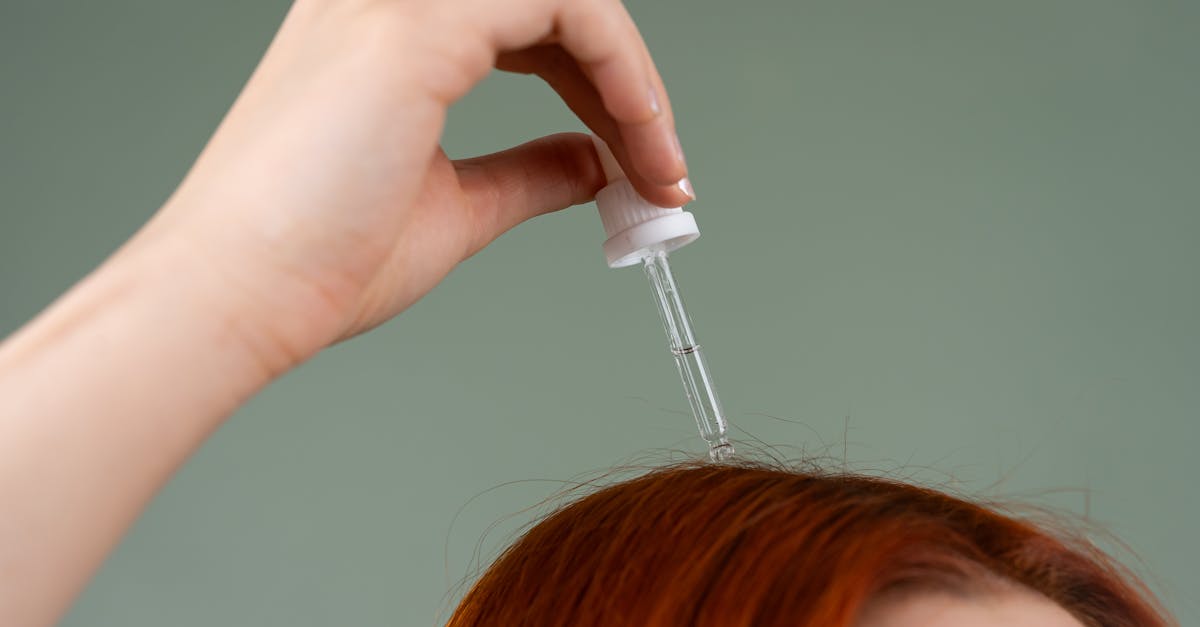
Hair Loss in Women: Ferritin, Thyroid, DHEA, and the Nutritional Solutions
Female hair loss is more common than most people realize. The American Academy of Dermatology estimates that roughly one in three women experiences significant hair thinning or shedding during her lifetime, and the psychological toll is substantial — hair loss in women is consistently linked to reduced quality of life and increased anxiety in clinical surveys (Williamson et al., Journal of Investigative Dermatology Symposium Proceedings, 2001; PMID: 11764292). Yet the supplement industry still leads with biotin as a near-universal fix, despite the fact that genuine biotin deficiency is rare in otherwise healthy adults (National Institutes of Health Office of Dietary Supplements, Biotin Fact Sheet, 2023).
The real story of female hair loss is biochemical and often systemic. It involves ferritin stores that have quietly dropped below the threshold hair follicles need to cycle normally, thyroid hormones that sit in the "normal" range on a standard TSH panel but are functionally suboptimal, and adrenal androgens like DHEA whose age-related decline disrupts the hormonal signaling that keeps hair in the anagen growth phase. Getting this right requires actual data — not a one-size-fits-all multivitamin. This is precisely where platforms like Ones analyze your bloodwork and wearable data to build a formula calibrated to your specific deficits.
This article walks through the four key drivers of hair loss in women — ferritin, thyroid function, DHEA, and targeted nutritional gaps — and maps each to an evidence-based supplementation strategy.
---
Ferritin Hair Loss: The Threshold Most Doctors Miss
Ferritin is the body's primary iron storage protein, and hair follicle cells are among the most metabolically active cells in the human body. They require a continuous supply of iron for DNA synthesis during the rapid proliferation of the anagen (growth) phase. When ferritin falls, follicles prune back their own growth cycles to redirect iron to more critical functions like red blood cell production.
The clinical threshold matters enormously here. Most laboratory reference ranges mark ferritin as "normal" at anything above 12–15 ng/mL. But the research on hair cycling tells a different story. A widely cited study by Rushton et al. found that women with chronic telogen effluvium — diffuse, sustained shedding — had significantly lower ferritin levels than controls, and that restoring serum ferritin above 70 ng/mL was associated with reduced shedding (Rushton, Clinical and Experimental Dermatology, 2002; PMID: 12000632). A systematic review published in Dermatology and Therapy (Almohanna et al., 2019; PMID: 30382548) similarly concluded that a ferritin level of at least 40 ng/mL appears to be the minimum threshold for normal hair cycling, with optimal levels likely in the 70–100 ng/mL range for women experiencing active shedding.
This gap — between "technically normal" ferritin at 18 ng/mL and genuinely optimal ferritin at 80 ng/mL — is one of the most commonly missed opportunities in women's health. If your hair is shedding and your ferritin hasn't been tested recently, that is the first lab value to request. And if it has been tested and came back "within range," ask your provider for the actual number.
Supplementation considerations for iron/ferritin:
- Iron supplementation should always follow confirmed deficiency testing — excess iron carries real risks
- Ferrous bisglycinate is generally better tolerated than ferrous sulfate with fewer gastrointestinal side effects (Szarfarc et al., Archivos Latinoamericanos de Nutrición, 2001; PMID: 11688081)
- Vitamin C co-administration significantly improves non-heme iron absorption (NIH Office of Dietary Supplements, Iron Fact Sheet, 2023)
- Calcium and tannins (tea, coffee) should be separated from iron supplementation by at least two hours
For women with low ferritin alongside hair loss, understanding the connection between iron, ferritin, and fatigue can clarify why both symptoms often appear together and respond to the same intervention.
---
Thyroid Hair Loss Female: Why TSH Alone Isn't Enough
The thyroid gland sits at the regulatory center of nearly every cellular metabolic process, including the hair growth cycle. Hair follicles express thyroid hormone receptors directly, and both hypothyroidism and hyperthyroidism can trigger diffuse shedding — though the mechanisms differ. In hypothyroidism, slowed cellular metabolism lengthens the telogen (resting/shedding) phase and shortens anagen. In hyperthyroidism, accelerated follicle turnover exhausts the growth cycle prematurely.
The diagnostic challenge is that standard thyroid screening relies almost exclusively on TSH (thyroid-stimulating hormone), which can remain within the reference range even when free T3 and free T4 — the active hormones that actually bind follicle receptors — are suboptimal. Subclinical hypothyroidism, defined as a TSH above 2.5–3.0 mIU/L with normal free thyroid hormones, is associated with symptoms including hair thinning in a meaningful subset of women, even when it would not meet the conventional treatment threshold (Biondi & Cooper, New England Journal of Medicine, 2008; PMID: 18322288).
Autoimmune thyroid disease (Hashimoto's thyroiditis) adds another layer. The immune-mediated destruction of thyroid tissue raises antibody titers (anti-TPO, anti-thyroglobulin) that correlate with inflammation affecting the follicular environment. Selenium has received the most clinical research attention here: a 2002 trial by Gärtner et al. in Journal of Clinical Endocrinology & Metabolism demonstrated that 200 mcg/day of selenomethionine over three months significantly reduced anti-TPO antibody titers in women with Hashimoto's (PMID: 11932302). This effect has been replicated in multiple subsequent trials and meta-analyses.
Nutrients critical for thyroid-related hair support:
| Nutrient | Role in Thyroid / Hair | Evidence-Based Dose |
|---|---|---|
| Selenium (selenomethionine) | Reduces anti-TPO antibodies; required for T4→T3 conversion | 100–200 mcg/day |
| Zinc | Cofactor for thyroid hormone synthesis; supports follicle cycling | 15–30 mg/day |
| Iron | Required for thyroid peroxidase activity | Per ferritin testing |
| Vitamin D3 | Vitamin D receptor expressed in follicles; low D linked to alopecia | 2,000–5,000 IU/day (test-guided) |
| Iodine | Required for T3/T4 synthesis — caution with excess | Dietary-first; supplement only if deficient |
Ones includes a dedicated Thyroid Support system blend alongside individual selenium at clinically validated doses — a meaningful distinction from broad-spectrum multivitamins that often under-dose this mineral. For a deeper look at the thyroid-hair connection, the relationship between thyroid function and hair follicle cycling is worth exploring before beginning any protocol.
---
DHEA Hair Loss: The Adrenal Androgen Nobody Talks About
Dehydroepiandrosterone (DHEA) is an adrenal steroid that serves as the upstream precursor to both estrogen and testosterone. At its physiological peak in the mid-20s, DHEA helps maintain hair follicle vitality in part through local conversion to estrogens that prolong the anagen phase. After age 30, DHEA levels decline at approximately 2–3% per year, and by the mid-40s many women have lost 50–60% of their peak circulating DHEA-S (the sulfated storage form measured on lab tests).
Low DHEA can contribute to female hair loss through two pathways. First, reduced estrogenic support at the follicle shortens the growth phase. Second, the shifting androgen ratio — less DHEA-derived estrogen relative to circulating testosterone — creates an environment more permissive to androgenetic alopecia (pattern hair thinning) in genetically susceptible women. This is why hair loss after menopause, post-partum, or during periods of high physiological stress (which suppress adrenal output) often follows a pattern that looks different from classic iron deficiency shedding.
DHEA supplementation is more nuanced than iron or selenium because it is a precursor hormone with downstream effects on estrogen and testosterone that vary by individual. For this reason, supplementing based on confirmed low DHEA-S levels — typically below 100 mcg/dL in women under 50, per the Endocrine Society's reference ranges — and under clinical guidance is strongly recommended. That said, several trials have demonstrated that low-dose DHEA (25–50 mg/day) can improve scalp hair density parameters in perimenopausal and postmenopausal women with confirmed deficiency (Labrie et al., Menopause, 2009; PMID: 19543074).
Ones' Adrenal Support blend addresses the broader adrenal-hair axis, and individual DHEA is available as a precisely dosed ingredient in personalized plans — included only when bloodwork or health history supports its use, not as a default add-on.
---
Biotin vs Iron Hair Loss: Which One Actually Moves the Needle?
Biotin dominates the hair supplement market despite limited clinical evidence for women with normal biotin status. Biotin (vitamin B7) is a cofactor for carboxylase enzymes involved in keratin infrastructure, and genuine biotin deficiency does cause hair loss — but true deficiency is uncommon in adults eating a varied diet. A 2017 review in Skin Appendage Disorders found that all published case reports of biotin supplementation improving hair or nail conditions involved a confirmed underlying deficiency or disorder affecting biotin metabolism (Patel et al., 2017; PMID: 28879195). In women without deficiency, the evidence for biotin supplementation improving hair outcomes is essentially absent.
Iron (and by proxy ferritin) has a substantially stronger evidence base for hair outcomes in women. The mechanisms are better characterized, the deficiency is far more prevalent in premenopausal women (the CDC estimates roughly 10% of American women aged 12–49 are iron-deficient), and the clinical trials showing improvement in shedding with ferritin restoration are more methodologically robust.
| Factor | Biotin | Iron / Ferritin |
|---|---|---|
| Prevalence of deficiency in women | Rare | Common (especially premenopausal) |
| Evidence for hair improvement if deficient | Strong (case series) | Strong (RCT and cohort data) |
| Evidence for hair improvement if NOT deficient | Minimal | N/A — test first |
| Risk of excess | Interferes with lab tests (thyroid, troponin) | GI distress; iron overload risk if excessive |
| Testing required? | Usually not | Yes — serum ferritin mandatory |
The biotin-interferes-with-lab-tests point deserves emphasis: doses above 5,000 mcg of biotin can interfere with immunoassay-based lab tests including thyroid panels and cardiac troponin, potentially producing falsely low or falsely high readings (Li et al., Clinical Chemistry, 2017; PMID: 28062617). If you are testing your thyroid or ferritin — which you absolutely should if you are experiencing hair loss — stop high-dose biotin at least 72 hours before blood draw.
---
What This Means for Your Formula
Female hair loss rarely has a single cause. In practice, the most common pattern seen in lab-based assessments is a cluster of subclinical deficits: ferritin below 70 ng/mL, free T3 or T4 in the lower quartile of the reference range, vitamin D below 40 ng/mL, and zinc levels that are technically within range but functionally insufficient under oxidative stress. Addressing these individually rather than relying on a broad hair-focused multi-ingredient capsule with underdosed actives is what separates effective supplementation from supplement theater.
Ones builds personalized formulas directly from blood work and health history, which means your capsule plan can reflect your actual ferritin, your actual thyroid panel, and your actual DHEA-S — not population averages. Specific ingredients relevant to female hair loss in the Ones formulary include:
- Zinc (as zinc bisglycinate, 15–30 mg): Supports thyroid hormone synthesis and is directly required for hair follicle cell proliferation. A 2013 study by Kil et al. in Annals of Dermatology found that serum zinc levels were significantly lower in patients with alopecia areata, telogen effluvium, and androgenetic alopecia compared to controls (PMID: 23717250).
- Vitamin D3 + K2 (MK-7): Vitamin D receptor activation in the follicle plays a role in initiating the anagen phase. Low vitamin D has been repeatedly associated with female pattern hair loss and alopecia areata in observational studies (Gerkowicz et al., Journal of Investigative Dermatology, 2017; PMID: 27871862). Ones pairs D3 with K2 (MK-7) to support proper calcium metabolism alongside D3 supplementation — the vitamin D3 and K2 synergy for absorption and safety matters particularly at higher D3 doses.
- Thyroid Support system blend + Selenium (selenomethionine, 200 mcg): For women with elevated thyroid antibodies or Hashimoto's, selenium at this dose matches the Gärtner 2002 trial protocol and is included in Ones' Thyroid Support blend, calibrated to your antibody levels and thyroid panel results rather than added by default.
For women dealing with the adrenal-hair axis, the role of ashwagandha in cortisol and DHEA balance is relevant — chronic high cortisol competes with DHEA synthesis in the adrenal cortex, and adaptogenic support can help restore that balance alongside direct adrenal nutrition.
---
Key Takeaways
- Ferritin is the most under-recognized driver of female hair loss. A "normal" ferritin on a standard lab report can still be functionally deficient for hair cycling — aim for 70–100 ng/mL, not just above the lower reference limit of 12–15 ng/mL.
- Thyroid screening should go beyond TSH. Free T3, free T4, and anti-TPO antibodies provide a more complete picture; selenium at 200 mcg/day has strong evidence for reducing anti-TPO titers in Hashimoto's thyroiditis.
- DHEA decline is a real but often overlooked contributor, particularly in women over 35 experiencing hair thinning alongside other symptoms of adrenal or hormonal change; supplementation should follow confirmed low DHEA-S levels and clinical guidance.
- Biotin is overhyped and potentially problematic — it offers minimal benefit without confirmed deficiency and can interfere with thyroid and cardiac lab tests at doses commonly found in hair supplement products.
- Vitamin D3, zinc, and selenium form the nutritional backbone of thyroid and follicle support, and each has direct mechanistic and clinical evidence linking deficiency to hair loss in women.
- Personalized, lab-guided formulation is more effective than broad-spectrum hair blends — Ones uses your actual biomarkers to dose each ingredient to clinical ranges, eliminating the guesswork that makes most off-the-shelf hair supplements fall short.
---
This article is for informational purposes only and does not constitute medical advice. Consult a qualified healthcare provider before beginning any new supplement protocol, particularly for hormonal interventions such as DHEA or thyroid-adjacent nutrients.