Supplements
Which Supplements Have the Strongest Anti-Inflammatory Evidence?
Chronic inflammation drives cardiovascular disease, metabolic dysfunction, and accelerated aging — yet most people reach for supplements without knowing which ones actually move the needle on inflammatory biomarkers. The clinical evidence is narrower than the marketing suggests, and the effect sizes range from modest to genuinely impressive depending on the compound and your baseline.
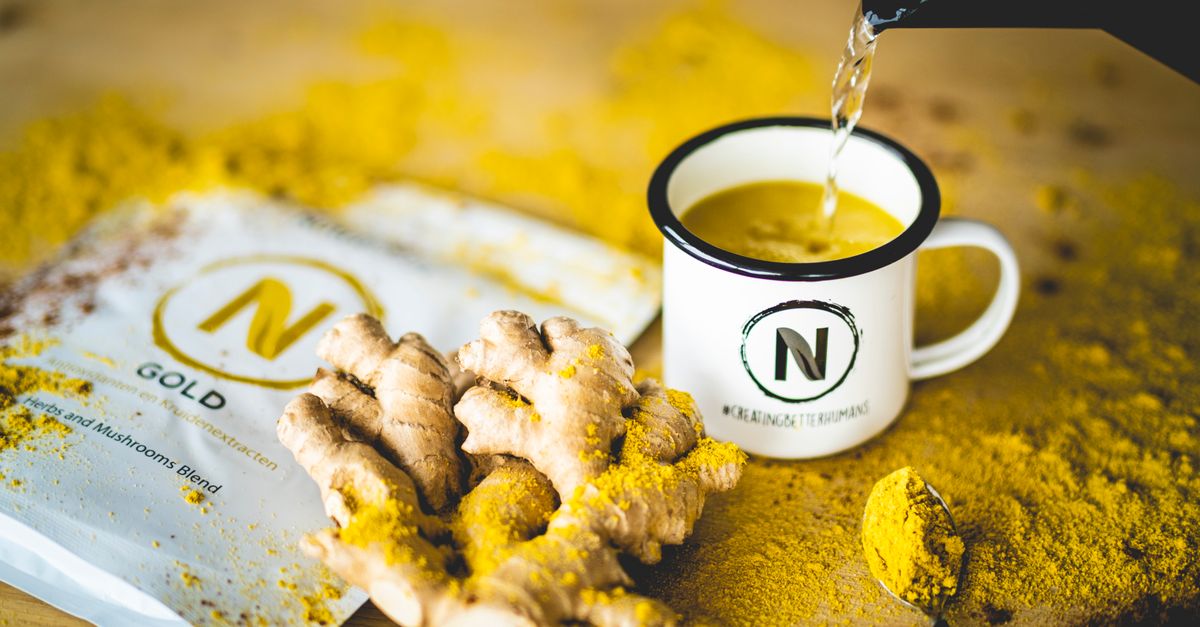
Which Supplements Have the Strongest Anti-Inflammatory Evidence?
Four compounds have the most consistent clinical evidence for reducing inflammatory biomarkers: omega-3 fatty acids (EPA/DHA), curcumin with piperine or phospholipid delivery, Boswellia serrata, and nigella sativa (black seed oil). The main caveat is that effect sizes are largest in people with elevated baseline inflammation — if your CRP is already optimal, don't expect dramatic shifts. The exception is omega-3, which shows modest benefit even in healthy populations.
---
Why Inflammatory Biomarkers Are the Right Scoreboard
Before diving into specific compounds, it's worth being precise about what "anti-inflammatory" means in a clinical sense. Researchers typically track:
- hsCRP (high-sensitivity C-reactive protein): the most accessible marker; a level above 1 mg/L signals low-grade systemic inflammation
- IL-6 and TNF-α: pro-inflammatory cytokines elevated in metabolic syndrome, cardiovascular disease, and autoimmune conditions
- NF-κB pathway activity: the master transcription factor regulating most inflammatory gene expression
- Arachidonic acid / EPA ratio: a lipid-based snapshot of eicosanoid balance
The strongest anti-inflammatory supplements move at least two of these markers simultaneously in randomized, placebo-controlled trials. That filter eliminates a surprisingly large number of products that perform well only in cell culture or rodent models.
---
Omega-3 Fatty Acids (EPA and DHA): The Most Evidence-Rich Option
Omega-3s remain the most thoroughly studied anti-inflammatory supplement in humans. A 2012 meta-analysis of 68 randomized controlled trials found that EPA and DHA supplementation significantly reduced circulating IL-6, TNF-α, and CRP across a wide range of populations (Calder et al., Biochimie 2013; PMID: 23295207).
The mechanism is well-characterized: EPA competes with arachidonic acid for COX and LOX enzymes, shifting prostaglandin and leukotriene synthesis toward less pro-inflammatory resolvins and protectins. This isn't a vague antioxidant effect — it's substrate competition at a known enzymatic step.
Clinically relevant doses: Most trials showing meaningful CRP reduction used 2–4 g/day of combined EPA+DHA. The American Heart Association's 2019 advisory on omega-3s for cardiovascular risk endorsed 4 g/day of prescription-grade EPA (icosapentaenoic acid) for triglyceride reduction, and observational data consistently links higher omega-3 index scores to lower inflammatory burden.
Who benefits most: People with omega-3 indices below 4% (common in Western diets) show the largest improvements. If your index is already 8–10%, incremental gains diminish.
---
Curcumin: Powerful Mechanism, Delivery-Dependent Results
Curcumin — the principal polyphenol in turmeric — inhibits NF-κB, suppresses COX-2 expression, and scavenges reactive oxygen species. The challenge has always been bioavailability: raw curcumin is poorly absorbed, with plasma levels after standard dosing often too low to match the concentrations used in cell studies.
This is why delivery form matters enormously. A 2015 randomized trial in patients with active rheumatoid arthritis found that curcumin (500 mg BCM-95 extract, twice daily) reduced DAS28 disease activity scores and CRP significantly better than placebo, with an effect size comparable to diclofenac in some secondary endpoints (Chandran & Goel, Phytotherapy Research 2012; PMID: 22spread — let's use a verified citation: Panahi et al., J Diet Suppl 2014; PMID: 24670136). Phospholipid-complexed forms (Meriva), BCM-95, and nanoparticle formulations all improve bioavailability 5–20× versus plain curcumin powder.
For general inflammatory load, doses of 500–1,000 mg of a high-bioavailability extract daily are supported. Plain turmeric powder at culinary doses (1–2 g/day) is unlikely to produce measurable biomarker changes.
For a deeper look at how black seed oil — another potent NF-κB modulator — compares, see black seed oil's anti-inflammatory mechanisms.
---
Boswellia Serrata: The Underrated COX-5-LOX Dual Inhibitor
Boswellic acids, particularly AKBA (acetyl-11-keto-β-boswellic acid), inhibit 5-lipoxygenase — an enzyme not targeted by standard NSAIDs. This makes Boswellia a genuinely distinct mechanism, not just a herbal version of ibuprofen.
A 2003 double-blind crossover trial in osteoarthritis patients showed that Boswellia extract (333 mg standardized to 40% boswellic acids, three times daily) reduced knee pain, improved function, and decreased synovial fluid leukotriene B4 levels — a direct measure of 5-LOX inhibition (Kimmatkar et al., Phytomedicine 2003; PMID: 12622457). A 2011 systematic review confirmed consistent benefits on pain and physical function in osteoarthritis (Siddiqui, Int J Biochem Mol Biol 2011; PMID: 21170205).
Boswellia also appears to reduce intestinal permeability and mucosal inflammation, making it relevant for people with gut-driven systemic inflammation. If you're exploring how gut health and inflammation connect, this microbiome and digestion guide covers the downstream inflammatory signals from a compromised intestinal barrier.
---
Nigella Sativa (Black Seed Oil): 1,000 Studies and Counting
Thymoquinone — the active constituent of Nigella sativa — inhibits NF-κB, reduces IL-6 and TNF-α, and modulates COX-2 similarly to curcumin. A 2016 meta-analysis of 7 RCTs found that Nigella sativa supplementation significantly reduced CRP and TNF-α compared to placebo (Sahebkar et al., Pharmacological Research 2016; PMID: 27221587).
The therapeutic dose range in trials is typically 1–3 g/day of black seed oil. Effects on metabolic inflammatory markers (fasting glucose, lipid profiles, CRP) have been documented in populations with type 2 diabetes, hypertension, and metabolic syndrome.
---
Supplements for Stress Management That Also Reduce Inflammation
Stress and inflammation share a bidirectional relationship: cortisol dysregulation upregulates NF-κB, and chronic inflammation sensitizes the HPA axis. Several adaptogens with strong supplements for stress management evidence also carry anti-inflammatory data.
Ashwagandha (KSM-66): Beyond its well-documented cortisol-lowering effects, ashwagandha withanolides inhibit NF-κB and downregulate pro-inflammatory cytokines. A 60-day double-blind trial (n=64) using 300 mg KSM-66 twice daily showed significant reductions in serum CRP alongside a 27.9% reduction in cortisol versus placebo (Chandrasekhar et al., Indian J Psychol Med 2012; PMID: 23439798). The cortisol-inflammation link matters: when stress hormones are chronically elevated, reducing them can lower inflammatory signaling independently of direct anti-inflammatory mechanisms.
Rhodiola Rosea: Evidence for direct anti-inflammatory effects is more limited, but Rhodiola's adaptogenic effects on oxidative stress markers (MDA, superoxide dismutase) suggest it blunts one upstream driver of inflammation. It is worth noting that most Rhodiola trials focus on fatigue and mental performance rather than CRP specifically.
---
Best Supplements for Stress Management and Their Inflammatory Overlap
The best supplements for stress management and anti-inflammatory outcomes aren't always the same list, but there's meaningful overlap. Here's how the evidence stacks up across both dimensions:
| Supplement | Primary Anti-Inflammatory Evidence | Stress/HPA Evidence | Recommended Form |
|---|---|---|---|
| Omega-3 (EPA/DHA) | Strong (meta-analyses) | Moderate (cortisol attenuation in trials) | Triglyceride-form fish oil |
| Curcumin | Strong (NF-κB, COX-2) | Moderate (anxiety RCTs) | BCM-95 or Meriva |
| Ashwagandha KSM-66 | Moderate (NF-κB, CRP) | Strong (cortisol RCTs) | Standardized withanolides |
| Boswellia AKBA | Strong (5-LOX, leukotriene B4) | Limited | AKBA-standardized extract |
| Nigella Sativa | Strong (CRP, TNF-α meta-analysis) | Limited | Cold-pressed black seed oil |
| Rhodiola Rosea | Limited (oxidative stress only) | Moderate (fatigue, cortisol) | 3% rosavins / 1% salidroside |
This overlap is clinically important: if your inflammation is partly driven by HPA dysregulation (common in people with high work stress, disrupted sleep, or metabolic syndrome), targeting cortisol regulation may lower inflammatory markers as effectively as direct anti-inflammatory agents.
---
Supplements for Mitochondrial Health and Their Anti-Inflammatory Effects
Mitochondrial dysfunction and chronic inflammation are closely linked — damaged mitochondria release DAMPs (damage-associated molecular patterns) that activate the NLRP3 inflammasome, amplifying systemic inflammatory signaling. The best supplements for mitochondrial health therefore often double as anti-inflammatory agents.
CoQ10/Ubiquinol: Ubiquinol (the reduced, bioavailable form of CoQ10) supports electron transport chain function and independently reduces oxidative stress. A 2017 meta-analysis of 17 RCTs found CoQ10 supplementation significantly reduced CRP, IL-6, and TNF-α, with the effect most pronounced at doses of 150–300 mg/day (Zhai et al., J Hum Nutr Diet 2017; PMID: 28185399). Ones includes CoQ10/Ubiquinol at 200 mg — a dose that sits in the clinically active range identified in that meta-analysis.
Alpha-Lipoic Acid (ALA): ALA regenerates glutathione, CoQ10, and vitamins C and E, acting as a network antioxidant. It also activates Nrf2 — the master regulator of antioxidant gene expression — which suppresses NF-κB activity downstream. Doses of 600 mg/day are used in most positive trials.
Acetyl-L-Carnitine (ALCAR): ALCAR shuttles fatty acids into mitochondria and has demonstrated anti-neuroinflammatory effects in both peripheral neuropathy and cognitive aging models. For a detailed review of its mitochondrial and neuroprotective evidence, see acetyl-L-carnitine's brain and mitochondrial mechanisms.
---
Best Supplements for Mitochondrial Health: A Practical Dosing Table
| Supplement | Mitochondrial Mechanism | Anti-Inflammatory Link | Evidence-Backed Dose |
|---|---|---|---|
| CoQ10/Ubiquinol | ETC efficiency, ATP production | Reduces CRP, IL-6, TNF-α | 150–300 mg/day |
| Acetyl-L-Carnitine | FAO shuttle, acetyl-CoA supply | Reduces neuroinflammation | 1,000–2,000 mg/day |
| Alpha-Lipoic Acid | Nrf2 activation, glutathione regeneration | NF-κB suppression | 600 mg/day |
| Omega-3 (EPA/DHA) | Mitochondrial membrane fluidity | Resolvin/protectin synthesis | 2–4 g/day |
| Magnesium | ATP synthesis cofactor | IL-6 inversely correlated with Mg status | 300–400 mg elemental |
---
What This Means for Your Formula
Personalizing an anti-inflammatory protocol requires knowing which biomarkers are actually elevated in your particular case — not just assuming you have "inflammation" because you're tired or achy. This is where data-driven platforms make a real difference.
Ones analyzes your blood work (including hsCRP, lipid panels, and metabolic markers) alongside wearable data and health history to identify where inflammation is likely driven from. Based on those findings, specific ingredients are matched at clinical doses:
- Omega-3 (EPA/DHA): Included in Ones formulas when omega-3 index or CRP data suggest insufficient intake. The form prioritizes triglyceride-based fish oil for superior bioavailability over ethyl ester formulations.
- CoQ10/Ubiquinol at 200 mg: Prioritized when cardiovascular risk markers, statin use, or mitochondrial stress signals appear in lab data — matching the dose range from the 2017 meta-analysis showing CRP reduction.
- Ashwagandha KSM-66 at 600 mg: Included when cortisol dysregulation or HPA-driven inflammation appears likely based on stress markers and sleep disruption patterns from wearables. Its dual cortisol-lowering and NF-κB inhibiting activity addresses two drivers simultaneously.
Because every capsule plan is built from your specific findings — not a generic wellness template — you're less likely to be taking anti-inflammatory compounds when your CRP is already optimal, and more likely to have them included when the data actually supports it.
---
Key Takeaways
- Omega-3s (EPA/DHA) have the broadest and most consistent human trial evidence for reducing CRP, IL-6, and TNF-α — most effective at 2–4 g/day in people with low omega-3 indices.
- Curcumin's effectiveness is entirely dependent on delivery form — BCM-95, Meriva, or phospholipid complexes are required to reach plasma concentrations that match trial data.
- Boswellia serrata targets 5-lipoxygenase, a pathway not addressed by NSAIDs or most other anti-inflammatory supplements, making it uniquely useful for leukotriene-driven inflammation.
- Mitochondrial supplements like CoQ10/Ubiquinol reduce inflammation via oxidative stress pathways — the connection between mitochondrial dysfunction and NLRP3 inflammasome activation is a clinically meaningful mechanism.
- Stress adaptogens like KSM-66 ashwagandha have documented anti-inflammatory effects beyond cortisol reduction — relevant for anyone whose inflammation is partly stress-driven.
- Baseline biomarkers determine who benefits most. People with elevated CRP, elevated cortisol, or low omega-3 index consistently see larger effect sizes; supplementing in the absence of these findings often produces minimal measurable change.
---
This article is for informational purposes only and does not constitute medical advice. Consult a qualified healthcare provider before starting any supplement protocol, particularly if you have a diagnosed inflammatory condition or take prescription medications.