Supplements
Tart Cherry Extract Supplement: Who Actually Benefits — and Who Should Skip It
Tart cherry extract has quietly become one of the most researched botanical supplements for recovery, sleep, and inflammation — but the clinical picture is more nuanced than the marketing suggests. Studies show meaningful benefits for specific populations, while others may see little return or even potential drawbacks. Here's what the evidence actually says, and how to know whether it belongs in your formula.
What Is Tart Cherry Extract, and Why Is It Getting Attention?
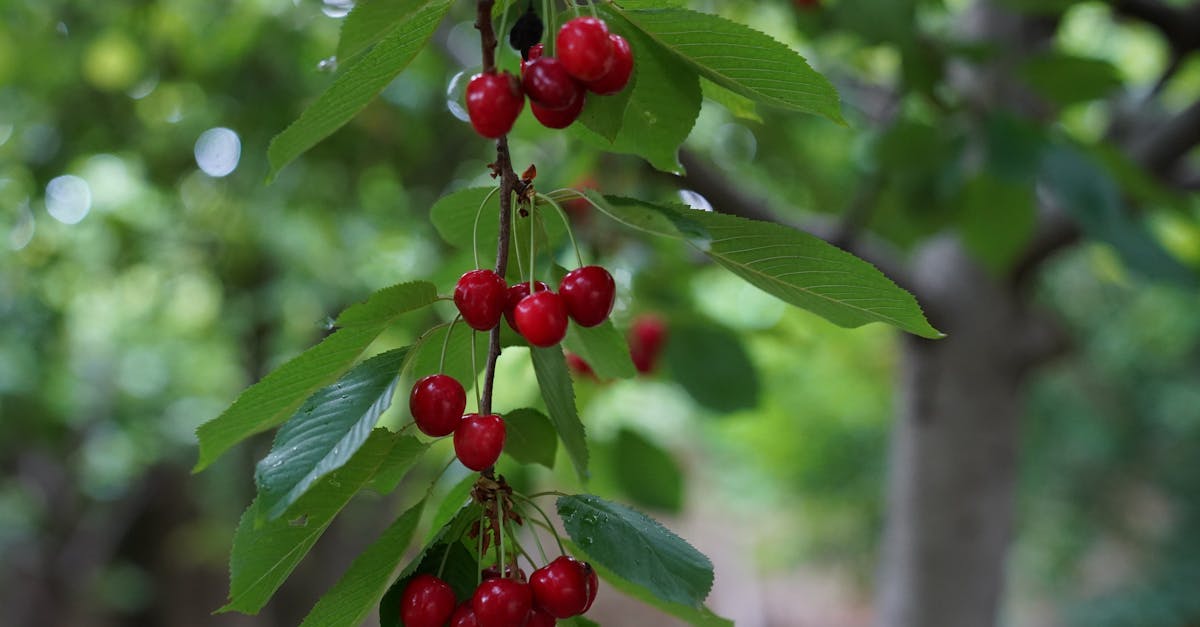
Tart cherry (Prunus cerasus), also called Montmorency cherry, is not the sweet cherry you'd find in a fruit bowl. The tart variety is unusually dense in anthocyanins — a class of polyphenolic pigments that act as antioxidants and modulate inflammatory signaling pathways. When concentrated into an extract or juice, these compounds reach doses that have genuine physiological effects, which is why tart cherry extract has attracted serious attention from sports medicine researchers and sleep scientists.
The primary bioactive compounds include anthocyanins (cyanidin-3-glucosylrutinoside and cyanidin-3-rutinoside), quercetin, and notably, naturally occurring melatonin — a rare quality among plant-based supplements. This unique phytochemical profile is what gives tart cherry extract its unusually wide range of studied applications: from post-exercise recovery to gout management to sleep quality.
But breadth of application doesn't automatically mean universal benefit. Understanding who genuinely responds to tart cherry extract — and who is unlikely to — requires a closer look at the mechanism, the populations studied, and the dose-response data available.
---
Tart Cherry Extract Benefits: What the Research Actually Shows
Exercise Recovery and Muscle Soreness
The most robust evidence for tart cherry extract centers on exercise-induced muscle damage (EIMD). A double-blind, placebo-controlled trial published in the Scandinavian Journal of Medicine & Science in Sports found that athletes who consumed Montmorency tart cherry juice experienced significantly less strength loss and reduced muscle soreness after a marathon compared to a placebo group (Howatson et al., 2010; PMID: 19883392). The study attributed this to the anti-inflammatory and antioxidant effects of the anthocyanins, which appear to attenuate the inflammatory cascade triggered by eccentric muscle contractions.
A subsequent systematic review in the Journal of the International Society of Sports Nutrition confirmed that Montmorency cherry supplementation consistently reduced markers of muscle damage — including creatine kinase and interleukin-6 — across multiple study designs (Bell et al., 2014; PMID: 25396404). Critically, the effect size was most pronounced in endurance athletes (marathoners, cyclists) and in protocols involving high-eccentric-load exercise, not general recreational gym use.
Who benefits most from this effect: Endurance athletes, competitive strength athletes in heavy training blocks, or anyone recovering from a high-volume event. If your training is moderate or you're not experiencing notable delayed-onset muscle soreness (DOMS), the recovery benefit may not be practically significant for you.
Uric Acid Reduction and Gout Support
Tart cherry has a well-characterized mechanism for lowering serum uric acid levels. A clinical study published in Arthritis & Rheumatism found that consuming Montmorency cherry juice significantly reduced plasma urate concentrations and increased urinary urate excretion within 24 hours of intake (Kelley et al., 2006; PMID: 16385512). More importantly, a large epidemiological study involving 633 gout patients found that cherry intake was associated with a 35% lower risk of gout attacks compared to no intake, and when combined with allopurinol, the risk reduction reached 75% (Zhang et al., Arthritis & Rheumatism, 2012; PMID: 22549682).
The mechanism appears to involve inhibition of xanthine oxidase (the same enzyme targeted by allopurinol) and enhanced renal urate clearance. This is one of the strongest documented clinical use cases for tart cherry extract, and the benefit is clinically meaningful for anyone with elevated uric acid or a history of gout flares.
Who benefits most from this effect: Individuals with hyperuricemia, gout history, or metabolic syndrome features that elevate uric acid (high fructose intake, alcohol use, kidney stress).
Sleep Quality and Melatonin Support
Tart cherry is one of the few foods with naturally measurable melatonin content, and several trials have tested its impact on sleep directly. A randomized crossover trial in the European Journal of Nutrition found that adults who consumed Montmorency tart cherry juice concentrate had higher urinary melatonin levels and significantly improved sleep time and sleep efficiency compared to placebo (Howatson et al., 2012; PMID: 22038497). The effect was most pronounced in older adults, who naturally produce less endogenous melatonin.
The sleep-supportive effect is likely multifactorial: the melatonin content, combined with tryptophan and anthocyanins that may modulate serotonin metabolism, creates a modest but real signal. It is not equivalent to a pharmacological melatonin dose (0.5–5mg), but for individuals whose sleep disruption is mild or inflammation-driven, tart cherry extract may offer a gentler, food-derived alternative.
If you're interested in how sleep, recovery, and supplement timing interact, the clinical evidence for ashwagandha is worth reviewing alongside tart cherry data — KSM-66 ashwagandha shows complementary cortisol-lowering effects that can compound sleep improvements.
Inflammatory Markers and Cardiovascular Signals
Several trials have observed reductions in CRP, IL-6, and TNF-α following tart cherry supplementation. A pilot study in older adults found that 12 weeks of tart cherry juice supplementation significantly reduced CRP and VLDL cholesterol (Traustadóttir et al., 2009; PMID: 19942640). These effects are modest and tend to be more consistent in individuals with elevated baseline inflammatory markers rather than healthy populations with already-low CRP.
---
Tart Cherry Extract Side Effects: Who Should Use Caution
For most healthy adults, tart cherry extract is well-tolerated. However, there are meaningful exceptions.
1. High sugar load from juice forms: Most clinical trials used tart cherry juice, not concentrated extract capsules. A typical dose of tart cherry juice (30–60ml concentrate) can contain 20–30g of naturally occurring sugars. For individuals managing blood glucose, insulin resistance, or following low-carbohydrate diets, the juice form may be contraindicated. Concentrated extract capsules avoid this issue entirely, which is one reason supplement form is preferable for many users.
2. Interactions with blood thinners: Tart cherry's quercetin content may theoretically potentiate the effects of warfarin or other anticoagulants via CYP2C9 enzyme inhibition. While clinical case reports are limited, individuals on anticoagulant therapy should consult a healthcare provider before adding tart cherry extract to their regimen.
3. Gastrointestinal sensitivity: High-dose anthocyanin intake can cause loose stools or mild GI upset in sensitive individuals, particularly at doses exceeding the equivalent of 480mg of extract. Starting at a lower dose and titrating upward is advisable.
4. Individuals already at optimal inflammatory and uric acid levels: If your uric acid is in a healthy range and you don't have notable post-exercise soreness or sleep disruption, the incremental benefit of tart cherry extract may not justify adding it to a formula. This is where personalized data — like blood work and wearable recovery scores — becomes useful in determining whether it's genuinely indicated for you.
5. Allergy to stone fruits: Individuals with known hypersensitivity to cherries, plums, or related Prunus species should avoid this supplement.
For a full picture of how individual responses vary and how inflammatory status can be tracked through lab markers, reviewing optimal magnesium glycinate dosage in the context of systemic inflammation management offers useful context.
---
What About Related Polyphenol Extracts? Pine Bark and the Antioxidant Comparison
Pine Bark Extract Supplement
Pine bark extract (Pycnogenol®) is another high-anthocyanidin botanical with overlapping mechanisms. Like tart cherry, it inhibits inflammatory pathways and demonstrates antioxidant activity. However, pine bark extract has a distinct evidence base that leans more toward cardiovascular function, endothelial nitric oxide production, and cognitive performance — rather than the muscle recovery and uric acid profile of tart cherry.
A randomized controlled trial published in the Journal of Cardiovascular Pharmacology and Therapeutics found that Pycnogenol supplementation significantly improved endothelial function and reduced oxidized LDL in hypertensive patients (Enseleit et al., 2012; PMID: 22205595). Its mechanism through increasing eNOS activity and reducing platelet aggregation makes it more relevant to cardiovascular and circulatory support than post-exercise recovery.
Practical distinction: Pine bark extract and tart cherry extract are not interchangeable. If your primary goals are joint inflammation, gout, or recovery — tart cherry is better supported. If you're targeting vascular function, blood pressure, or oxidative cardiovascular stress, pine bark has stronger evidence. Some individuals benefit from both for their complementary, non-redundant mechanisms — which is precisely the kind of nuance a data-driven formula builder is equipped to identify.
You can explore how omega-3 EPA DHA ratio interacts with anti-inflammatory botanical stacks for a more complete cardiovascular picture.
---
Clinical Dosing Reference Table
| Goal | Studied Form | Effective Dose | Duration of Evidence |
|---|---|---|---|
| Muscle recovery (DOMS) | Juice concentrate or capsule | 480mg extract or 30ml 2x/day concentrate | Acute (5–7 days peri-event) |
| Gout / uric acid reduction | Juice or extract | ~240ml juice 2x/day or 500–1000mg extract | 4–12 weeks |
| Sleep quality | Juice concentrate | 30ml 2x/day (AM + PM) | 7–14 days |
| Inflammatory marker reduction | Juice | 240ml 2x/day | 12 weeks |
---
What This Means for Your Formula
Tart cherry extract is a targeted supplement — genuinely useful for specific physiological needs, but not a universal add-in. Ones evaluates multiple data inputs before including it in a custom formula: blood uric acid levels, wearable recovery scores, sleep quality metrics, and stated training load all factor into whether tart cherry extract earns a capsule slot.
Three specific Ones ingredients that work synergistically with or alongside tart cherry extract's mechanisms:
1. Quercetin (clinical dose 500–1000mg/day): Quercetin is independently validated for uric acid reduction and anti-inflammatory effects. When blood work indicates elevated CRP alongside hyperuricemia, Ones may include standalone quercetin as a complement or alternative to tart cherry extract, depending on capsule budget and priority ranking. A meta-analysis in the Journal of Nutrition confirmed quercetin supplementation significantly reduced CRP and IL-6 (Serban et al., 2016; PMID: 26936951).
2. Magnesium Glycinate (Ones Magnesium Complex, 300–400mg elemental magnesium): Magnesium deficiency is strongly associated with elevated inflammatory markers and poor sleep architecture — two areas where tart cherry extract is also deployed. Ones often includes magnesium glycinate at clinically supported doses when wearable sleep data shows poor deep sleep or when serum magnesium is below 2.0 mg/dL, creating a non-redundant stack with tart cherry's melatonin-augmenting effects.
3. Omega-3 (EPA/DHA, 1000–2000mg combined): The anti-inflammatory signaling pathways downstream of EPA and DHA (specifically SPM — specialized pro-resolving mediators) are distinct from but additive to anthocyanin-driven COX inhibition. When recovery scores and inflammatory markers both flag in a Ones assessment, omega-3s and tart cherry extract may both appear in the same formula for their mechanistically complementary anti-inflammatory roles.
This is the practical difference between personalized supplementation and buying a single-ingredient bottle based on a headline: a system that evaluates your actual biomarkers decides whether tart cherry extract has a job to do in your protocol — and at what dose.
---
Key Takeaways
- Tart cherry extract has the strongest evidence for post-exercise muscle recovery, uric acid reduction, and mild sleep improvement — benefits are most pronounced in endurance athletes, individuals with elevated uric acid, and older adults with disrupted sleep.
- The juice form carries a significant sugar load that may be contraindicated for insulin-resistant individuals; standardized extract capsules are a better-tolerated alternative with no glycemic drawback.
- Side effects are generally mild but include GI upset at high doses, potential quercetin-mediated interactions with anticoagulants, and irrelevance for individuals already at healthy baseline markers.
- Pine bark extract is a related but distinct polyphenol supplement with stronger evidence for cardiovascular and endothelial support — not a substitute for tart cherry in recovery or gout contexts.
- Synergistic stacking with quercetin, magnesium glycinate, and omega-3s can amplify the anti-inflammatory and sleep-supportive effects when underlying deficiencies or imbalances are confirmed by lab data.
- Not everyone needs tart cherry extract. Personalized blood work and recovery data are the most reliable way to determine whether this ingredient deserves a place in your daily capsule formula — and Ones is built precisely to make that call based on your biology, not general population averages.
Always consult a qualified healthcare provider before starting or modifying a supplement regimen, particularly if you are managing a chronic condition or taking prescription medications.