Supplements
Side Effects From Tribulus? Your Body Might Be Missing This
Tribulus terrestris is widely used for testosterone support and athletic performance, yet a meaningful share of users report side effects ranging from stomach upset to mood changes — and most advice stops at 'lower the dose.' New research suggests these reactions may reflect underlying nutrient insufficiencies that make the herb harder for your body to metabolize and regulate. Understanding the mechanism, not just the symptom, is the key to using tribulus safely and effectively.
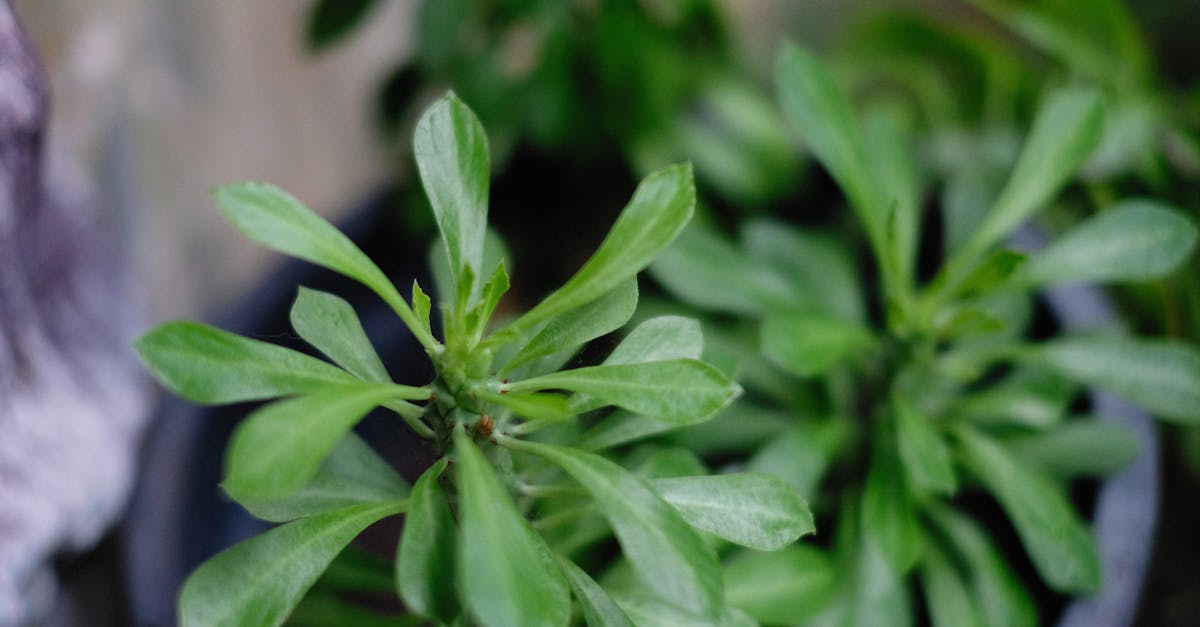
Why Tribulus Terrestris Side Effects Happen — and What Nutrient Gaps May Be Driving It
Tribulus terrestris has been a fixture in sports nutrition and traditional Ayurvedic medicine for decades, promoted primarily for its potential to support testosterone levels, libido, and physical performance. Yet walk through any supplement forum or read through clinical adverse-event reports, and a consistent pattern emerges: a notable proportion of users experience side effects that range from mild gastrointestinal discomfort to more concerning hormonal disruptions. The standard response — reduce the dose or stop taking it — misses a more important question: why is your body reacting in the first place?
The answer, increasingly supported by nutritional research, often points not to tribulus itself as the problem, but to the biochemical environment in which you're taking it. Nutrient gaps in zinc, magnesium, vitamin D, and liver-supporting cofactors can amplify every category of tribulus side effect. This article breaks down exactly what those side effects are, why they happen at a mechanistic level, and what a properly personalized formula — rather than a one-size-fits-all herb capsule — can do differently.
---
What Are the Reported Tribulus Terrestris Side Effects?
Before examining root causes, it's worth cataloguing the side effects that appear most consistently in both clinical literature and observational use:
| Side Effect Category | Specific Symptoms | Proposed Mechanism |
|---|---|---|
| Gastrointestinal | Nausea, cramping, diarrhea, reflux | Saponin-driven mucosal irritation |
| Hormonal disruption | Elevated dihydrotestosterone (DHT), androgenic effects | Steroidal saponin activity on LH pathways |
| Prostate stimulation | Urinary frequency, discomfort | Androgenic signaling in prostate tissue |
| Hepatotoxicity (rare) | Elevated liver enzymes | Oxidative metabolite accumulation |
| Mood / sleep changes | Irritability, restlessness | HPA axis modulation, cortisol interaction |
| Kidney stress (rare, high dose) | Elevated creatinine in animal models | Oxalate content at very high doses |
The active compounds responsible for most of tribulus's both benefits and side effects are steroidal saponins — primarily protodioscin and protogracillin — which appear to influence luteinizing hormone (LH) secretion and subsequent downstream androgen production (Gauthaman & Ganesan, Journal of Ethnopharmacology 2008; PMID: 18068986). The concentration of these saponins varies enormously between products; a 2017 analysis found that commercial tribulus supplements frequently deviated from labeled saponin content by more than 30%, which partly explains why individual responses are so inconsistent (NIH Office of Dietary Supplements, Botanical Supplement Fact Sheet).
---
Tribulus Terrestris Benefits: What the Evidence Actually Shows
To understand side effects in context, it helps to understand what tribulus is genuinely capable of — and where the evidence is stronger versus thinner.
The most replicated finding in human trials involves libido and sexual function rather than testosterone per se. A double-blind, placebo-controlled trial of 180 men with mild-to-moderate erectile dysfunction found that tribulus extract (standardized to 6% protodioscin, 750 mg/day for 3 months) produced significant improvements in the International Index of Erectile Function score compared to placebo (Roaiah et al., Journal of Sex & Marital Therapy 2016; PMID: 25803169). Importantly, the study found modest but statistically significant increases in testosterone — not the dramatic spikes sometimes claimed in marketing copy.
For athletic performance, the data is more mixed. A randomized controlled trial in elite rugby players showed no significant effect on body composition, strength, or testosterone after 5 weeks of supplementation (Antonio et al., Journal of Strength and Conditioning Research 2000; PMID: 10862540). More recent work suggests that tribulus may offer modest benefit for endurance and recovery via antioxidant pathways rather than direct anabolic signaling (Saudan et al., Steroids 2008; PMID: 18407300).
The takeaway: tribulus works best as a gentle modulatory herb, not a pharmacological testosterone booster. Users who approach it expecting dramatic anabolic effects tend to take higher doses — and higher doses are precisely where side effects concentrate.
If you're exploring herbal adaptogens more broadly, understanding the clinical evidence for ashwagandha provides useful contrast — ashwagandha (KSM-66) has a stronger and more consistent human RCT base for hormonal and cortisol outcomes than tribulus, with a better-characterized safety profile.
---
Why Nutrient Gaps Amplify Tribulus Side Effects
This is the core insight most tribulus articles overlook: your liver enzymes, hormonal regulatory capacity, and gut mucosal integrity — all systems that modulate whether tribulus causes side effects — are heavily dependent on micronutrient status.
Zinc and DHT Regulation
Tribulus's saponins appear to increase LH, which stimulates testosterone synthesis; testosterone is then partially converted to DHT via the enzyme 5-alpha reductase. Elevated DHT is associated with the androgenic side effects of tribulus, including potential prostate stimulation and scalp-related effects. Zinc is a known inhibitor of 5-alpha reductase activity (Leake et al., Hormone and Metabolic Research 1984; PMID: 6542685). Men with suboptimal zinc status may experience disproportionately elevated DHT conversion when taking tribulus, worsening androgenic side effects. Supplementing zinc to adequacy — not megadose — can help balance this pathway.
Magnesium and HPA Axis Stability
The mood changes and sleep disruption some users report with tribulus likely reflect HPA axis sensitivity. Tribulus saponins modulate androgen signaling, which cross-talks with cortisol regulation. Magnesium deficiency, which is estimated to affect approximately 45% of the U.S. population based on dietary intake surveys (Rosanoff et al., Nutrition Reviews 2012; PMID: 22364157), impairs GABA receptor function and increases cortisol reactivity. Users who are already magnesium-depleted may find that any hormonal perturbation — including tribulus-induced shifts — tips them into irritability or disrupted sleep. Ensuring adequate magnesium glycinate for sleep and recovery before or alongside tribulus use is a rational first step.
Vitamin D and Testosterone Synthesis
Vitamin D receptors are expressed on Leydig cells, the testicular cells responsible for testosterone production. A 12-month RCT found that men supplementing 3,332 IU/day of vitamin D had significantly higher testosterone levels at study end compared to placebo (Pilz et al., Hormone and Metabolic Research 2011; PMID: 21154195). Men who are vitamin D deficient may paradoxically experience less of tribulus's intended benefit and more hormonal volatility, because the foundational signaling environment for steroidogenesis is compromised. Understanding vitamin D3 and K2 synergy in this context isn't just about bone health — it's about creating the hormonal milieu in which adaptogens like tribulus can operate predictably.
Liver Support and Metabolite Clearance
The rare cases of tribulus-associated hepatotoxicity in the literature tend to involve very high doses and pre-existing liver stress. More commonly, even moderate tribulus use can mildly elevate liver enzyme markers in individuals whose hepatic clearance is already taxed. Nutrients like N-acetyl cysteine (NAC), milk thistle (silymarin), and alpha-lipoic acid support phase I and phase II liver detoxification pathways that clear steroidal metabolites. Without adequate antioxidant cofactors, oxidative byproducts of saponin metabolism can accumulate and generate the GI and liver-related side effects users sometimes attribute to tribulus directly.
---
Holy Basil (Tulsi) Side Effects and the HPA Connection
Holy basil (Ocimum tenuiflorum), known as tulsi in Ayurvedic tradition, is frequently combined with tribulus in hormone-support and adaptogen stacks. Understanding holy basil tulsi side effects in this context is relevant because both herbs act on the HPA axis simultaneously.
Holy basil's primary active compounds — eugenol, rosmarinic acid, and ursolic acid — exert cortisol-lowering and anti-inflammatory effects. A randomized trial found that 500 mg/day of holy basil extract over 60 days significantly reduced fasting blood glucose and urinary cortisol markers compared to placebo (Bhattacharya & Bhattacharya, Indian Journal of Experimental Biology 2000; as referenced in NIH National Center for Complementary and Integrative Health). However, holy basil carries a meaningful anticoagulant effect via platelet aggregation inhibition, and its blood glucose-lowering potential means it can interact with diabetes medications. When combined with tribulus, the dual hormonal load on the adrenal-gonadal axis can amplify mood effects — particularly in individuals whose adrenal function is already compromised. If you're using both herbs, monitoring adrenal biomarkers (morning cortisol, DHEA-S) gives you meaningful signal rather than guesswork.
---
Acetyl-L-Carnitine (ALCAR) Side Effects: A Contrast in Mechanism
It's worth briefly addressing acetyl l-carnitine ALCAR side effects because ALCAR is frequently stacked with tribulus in male performance and fertility formulas, and the side effects of each can be mistakenly attributed to the wrong compound.
ALCAR's side effects are distinct: the most commonly reported include fishy body odor (from choline metabolism byproduct TMAO), mild insomnia when taken late in the day, and occasional GI upset at doses above 2,000 mg. Crucially, ALCAR's mechanism — mitochondrial fatty acid transport and acetylcholine precursor support — is completely separate from tribulus's saponin-driven LH modulation. A systematic review confirmed ALCAR's safety profile at doses up to 3,000 mg/day in short-term trials (Montgomery et al., Cochrane Database 2003; PMID: 12917942), and it has demonstrated meaningful benefit for sperm motility in infertile men (Lenzi et al., Fertility and Sterility 2003; PMID: 12413997). If you're experiencing side effects from a tribulus + ALCAR stack, the approach should be to isolate variables — not simply abandon both compounds.
---
Lutein and Zeaxanthin: Why These Are Unlikely Culprits
Occasionally, lutein zeaxanthin side effects are raised in discussions about supplement stacking. To be direct: lutein and zeaxanthin are among the most consistently well-tolerated micronutrients in the supplement literature. At clinically studied doses (10 mg lutein / 2 mg zeaxanthin), adverse events in major RCTs including the Age-Related Eye Disease Study 2 (AREDS2) were not significantly different from placebo (AREDS2 Research Group, JAMA Ophthalmology 2013; PMID: 23645227). If a user taking a multi-ingredient stack reports eye strain or visual changes, lutein and zeaxanthin are unlikely to be the source — and this is worth noting clearly so that genuinely useful ingredients are not unnecessarily discarded.
---
What This Means for Your Formula
Personalized supplementation addresses the nutrient-gap problem at its root. Rather than starting with tribulus and hoping your body handles it, a precision approach first establishes whether your foundational micronutrient status can support hormonal modulation safely.
At Ones, the AI health practitioner analyzes your blood work — including testosterone, SHBG, vitamin D, zinc, and liver function markers — alongside wearable data on sleep and HRV to identify exactly where your system is stressed before building your formula. Specific ingredients relevant to the tribulus side-effect risk profile include:
- Zinc (individual active, dosed to clinical range): Ones sources zinc in its highly bioavailable form at doses calibrated to your bloodwork, supporting 5-alpha reductase regulation and DHT balance without the toxicity risk of megadosing.
- Magnesium Complex (System Blend): Ones' proprietary Magnesium Complex delivers magnesium in multiple forms including glycinate to support HPA axis stability, GABA receptor function, and the sleep quality that hormonal herbs can sometimes disrupt. Adequate magnesium status changes the risk profile of adaptogen use significantly.
- Adrenal Support (System Blend): For users showing signs of adrenal stress on wearable or lab data, Ones' Adrenal Support blend addresses the cortisol dysregulation that makes stacking tribulus with other HPA-active herbs riskier. Building in adrenal resilience first is the rational sequence.
- Vitamin D3 + K2 (MK-7): Ones includes D3 paired with K2 in the MK-7 form, addressing the Leydig cell signaling environment that underlies both tribulus efficacy and tolerability. Doses are calibrated based on your actual serum 25(OH)D level — not a generic 1,000 IU default.
By identifying what your body actually needs before adding any hormonal modulator, this approach avoids the trial-and-error that produces the side-effect experiences that flood supplement forums. You can also explore omega-3 EPA/DHA ratio guidance as part of broader anti-inflammatory support that reduces the background inflammatory load on liver and hormone-producing tissues.
---
Key Takeaways
- Tribulus side effects — GI upset, androgenic effects, and mood changes — are often amplified by underlying nutrient gaps in zinc, magnesium, and vitamin D, not solely caused by tribulus itself.
- Zinc deficiency impairs 5-alpha reductase regulation, leading to disproportionate DHT conversion when tribulus stimulates testosterone synthesis; correcting zinc status can meaningfully reduce androgenic side effects.
- Magnesium insufficiency (affecting ~45% of Americans) heightens cortisol reactivity, making HPA-active herbs like tribulus more likely to cause mood and sleep disruption.
- ALCAR side effects (fishy odor, insomnia) are mechanistically unrelated to tribulus and should not be conflated in multi-ingredient stacks; isolating variables is essential for root-cause troubleshooting.
- Lutein and zeaxanthin at standard clinical doses are among the safest micronutrients in the literature and are not a meaningful source of stack-related side effects.
- A data-driven approach — testing bloodwork, establishing nutrient sufficiency, then layering hormonal modulators — is the safest and most effective protocol for using tribulus; platforms like Ones operationalize this sequence through personalized formula building based on your actual lab results.
This article is for educational purposes only and does not constitute medical advice. Consult a licensed healthcare provider before starting any new supplement, particularly if you have a hormonal condition, liver disease, or are taking medications.