Vitamins
Vitamin E Side Effects: Causes, Lab Markers, and Evidence-Based Supplement Support
Most people think of vitamin E as a benign antioxidant, but at doses above the tolerable upper intake level, it can interfere with blood clotting, suppress thyroid function, and blunt the activity of other fat-soluble vitamins. Understanding when vitamin E helps versus harms — and which lab markers reveal the difference — is the key to using it safely and effectively.
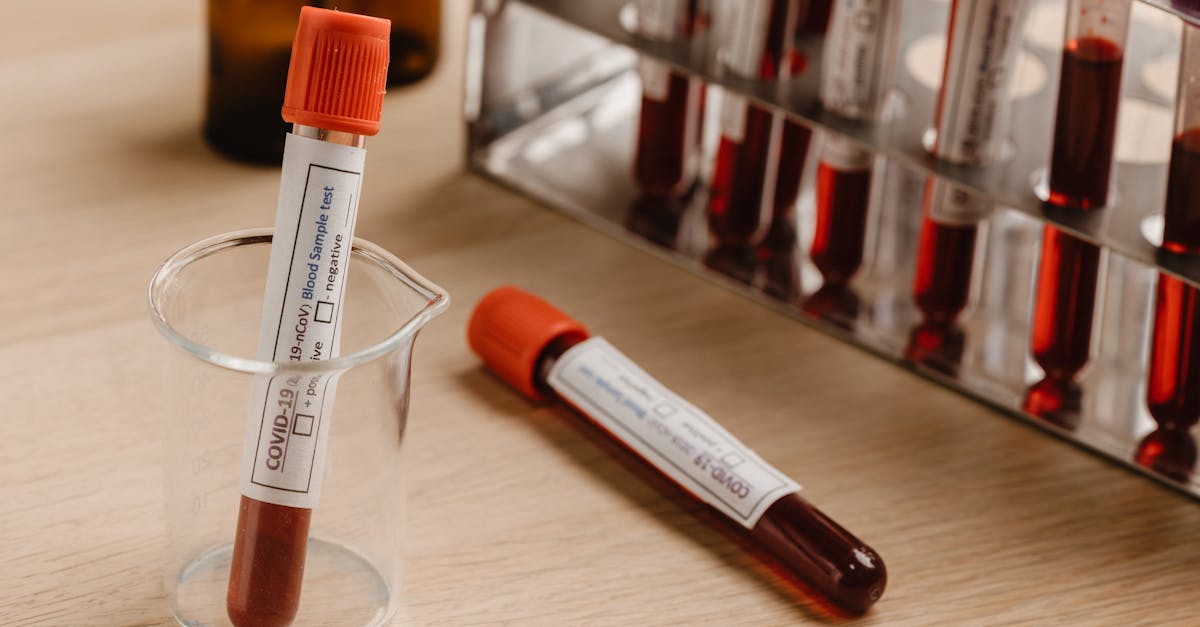
Vitamin E Side Effects: Causes, Lab Markers, and Evidence-Based Supplement Support
Vitamin E is one of the most widely purchased fat-soluble antioxidants on the market, yet it sits in a unique position among supplements: the same mechanisms that make it therapeutically valuable — lipid peroxidation inhibition, platelet aggregation modulation, immune regulation — are the same mechanisms that produce side effects when doses escalate beyond physiological need. A landmark meta-analysis of high-dose vitamin E supplementation (Miller et al., Annals of Internal Medicine 2005; PMID: 15537682) found that supplementation at or above 400 IU/day was associated with a statistically significant increase in all-cause mortality, rattling supplement orthodoxy at the time and prompting a much-needed reassessment of "more is better" thinking.
This article unpacks the evidence on vitamin E side effects, explores how they interact with other fat-soluble nutrients like vitamin D3, K2, and vitamin C, examines the lab markers clinicians use to detect toxicity or insufficiency, and explains how a personalized, data-driven approach can keep you in the therapeutic window.
---
How Vitamin E Works — and Where It Goes Wrong
Dietary vitamin E exists as eight naturally occurring compounds: four tocopherols (alpha, beta, gamma, delta) and four tocotrienols. Supplements, however, most commonly deliver only alpha-tocopherol — and this selectivity is part of the problem. When large doses of supplemental alpha-tocopherol are consumed, the liver preferentially secretes it via alpha-tocopherol transfer protein (alpha-TTP), simultaneously accelerating the catabolism and urinary excretion of gamma-tocopherol (Huang & Appel, Journal of Lipid Research 2003; PMID: 12562869). Gamma-tocopherol is the primary form found in the American diet, and it is more potent than alpha at scavenging reactive nitrogen species. Displacing it with synthetic alpha-tocopherol may paradoxically worsen oxidative stress in certain tissues.
The tolerable upper intake level (UL) for vitamin E set by the National Institutes of Health Office of Dietary Supplements is 1,000 mg/day (approximately 1,500 IU) for alpha-tocopherol in adults — but observable adverse effects in clinical trials begin appearing at far lower supplemental doses, particularly in people with cardiovascular disease, anticoagulant use, or thyroid conditions.
---
The Most Clinically Significant Vitamin E Side Effects
Understanding the side effect profile of vitamin E requires separating dose-dependent toxicity from nutrient–nutrient interactions. Both matter.
1. Anticoagulant and Bleeding Risk
Alpha-tocopherol inhibits platelet aggregation and antagonizes vitamin K-dependent coagulation factors (II, VII, IX, X). In patients on warfarin or other anticoagulants, even 400 IU/day can meaningfully raise INR. A controlled trial by Liede et al. (Thrombosis and Haemostasis 1998; PMID: 9798963) demonstrated that 50 mg/day of alpha-tocopherol increased bleeding tendency in smokers, suggesting sensitivity varies by population. Monitoring PT/INR and vitamin K status is essential for anyone supplementing above 200 IU while on blood thinners or aspirin.
2. Prostate Cancer Risk at High Doses
The SELECT trial (Vitamin E and Selenium Cancer Prevention Trial) enrolled 35,533 healthy men and found that supplementation with 400 IU/day of synthetic alpha-tocopherol alone (without selenium) was associated with a statistically significant 17% increased risk of prostate cancer over a median 5.5-year follow-up (Klein et al., JAMA 2011; PMID: 21990298). This was a landmark finding that reinforced the idea that isolated, high-dose alpha-tocopherol behaves differently than mixed tocopherols from food.
3. Impaired Thyroid and Hormonal Function
Fat-soluble vitamins share transport and receptor systems. There is emerging evidence that excessive vitamin E can interfere with thyroid hormone synthesis by competing with selenium-dependent antioxidant pathways critical to deiodinase enzyme activity (NIH ODS, Vitamin E Fact Sheet for Health Professionals, 2023). Since thyroid function also depends on adequate iodine, selenium, and vitamin D3 levels, stacking high-dose vitamin E without tracking thyroid panel markers is an underappreciated risk.
4. Hemorrhagic Stroke
The Physicians' Health Study II found no significant effect of vitamin E on total stroke, but a prior meta-analysis (Schürks et al., BMJ 2010; PMID: 20974704) found that vitamin E supplementation was associated with a significant increase in hemorrhagic stroke risk (RR 1.22, 95% CI 1.00–1.48), likely due to its anticoagulant mechanism. This is particularly relevant in hypertensive individuals.
5. Nausea, Fatigue, and GI Disturbance
At doses of 800–1,200 IU, many users report nausea, abdominal cramping, fatigue, and dizziness — effects consistent with fat-soluble vitamin accumulation in adipose tissue. Unlike water-soluble vitamins, there is no robust renal clearance mechanism for excess alpha-tocopherol.
---
Lab Markers to Monitor on Vitamin E Supplementation
If you are supplementing vitamin E above 200 IU/day, the following labs provide meaningful safety surveillance:
| Lab Marker | What It Signals | Target Range |
|---|---|---|
| Serum alpha-tocopherol | Direct vitamin E status | 12–46 µmol/L (5–20 mg/L) |
| Gamma-tocopherol | Displacement by alpha-tocopherol | Should not drop below 2 µmol/L |
| PT/INR | Anticoagulant activity | 0.8–1.2 (non-anticoagulated) |
| TSH + Free T3/T4 | Thyroid hormone disruption | TSH 0.5–2.5 mIU/L optimal |
| hs-CRP | Inflammatory status | <1.0 mg/L |
| Serum selenium | Competing antioxidant pathway | 70–150 µg/L |
| PSA (men) | Prostate health indicator | Age-adjusted norms |
Alpha-tocopherol is the standard clinical measure, but gamma-tocopherol testing, while less common, is increasingly available through functional medicine panels and integrative lab platforms.
---
Vitamin D3 Side Effects: The Fat-Soluble Vitamin Interaction You Need to Understand
Vitamin E does not operate in isolation — it shares absorption pathways and physiological targets with the other fat-soluble vitamins A, D, and K. When examining vitamin D3 side effects, the interaction with vitamin E is worth flagging explicitly.
Vitamin D3 toxicity (hypervitaminosis D) classically presents as hypercalcemia — elevated serum calcium with symptoms including kidney stones, polyuria, fatigue, and in severe cases, cardiac arrhythmia. The NIH sets the tolerable upper intake level for vitamin D3 at 4,000 IU/day for adults, though many practitioners use higher therapeutic doses (5,000–10,000 IU) under monitoring. The key risk multiplier: vitamin D3 at high doses increases intestinal calcium absorption, which requires adequate vitamin K2 (specifically MK-7) to direct that calcium into bone rather than arterial walls. Stacking high-dose D3 with high-dose vitamin E — both of which can suppress vitamin K-dependent proteins — amplifies the potential for arterial calcification risk.
Clinically, when labs show elevated 25-OH vitamin D (>100 ng/mL), concurrent serum calcium, PTH, and urinary calcium must be checked. A personalized optimal magnesium glycinate dosage also matters here because magnesium is a required cofactor for converting vitamin D3 into its active form, 1,25-dihydroxyvitamin D (calcitriol).
---
Vitamin K2 Side Effects: Rare but Relevant When Stacking
Vitamin K2 (menaquinone, particularly MK-7) has an exceptionally strong safety profile; no tolerable upper intake level has been established by the NIH because documented adverse effects from supplemental K2 are rare. However, there are relevant interactions.
The most important vitamin K2 side effect consideration is drug interaction with anticoagulants. Warfarin works precisely by blocking vitamin K recycling; supplementing MK-7 will antagonize its effect and lower INR. Crucially, this is the opposite of what high-dose vitamin E does — vitamin E raises anticoagulation tendency, while K2 lowers it. In patients on warfarin who are also taking both vitamin E and K2, the net effect on INR can be unpredictable and must be monitored closely.
For non-anticoagulated individuals, the main reason to care about K2 dosing relates to the D3 synergy: MK-7 at 90–360 mcg/day has been shown to activate matrix Gla protein (MGP), which inhibits vascular calcification (Knapen et al., Thrombosis and Haemostasis 2015; PMID: 25694037). This is the rationale for co-supplementing D3 with K2 rather than D3 alone — a principle that becomes even more important when fat-soluble vitamin load is high.
---
Vitamin C Side Effects: Water-Soluble but Not Consequence-Free at High Doses
Although vitamin C is water-soluble and thus clears more readily than fat-soluble counterparts, high-dose supplementation (>2,000 mg/day) carries its own side effect profile that intersects with vitamin E use. Vitamin C and vitamin E are synergistic antioxidants: vitamin C regenerates oxidized alpha-tocopherol back to its reduced, active form in the lipid-aqueous interface (Packer et al., Nature 1979; a foundational study widely cited in antioxidant biochemistry). This is clinically useful in controlled doses but means that excessive vitamin C may extend the half-life of circulating alpha-tocopherol, potentially raising effective vitamin E activity beyond intended levels.
The most commonly documented vitamin C side effects at high doses include: osmotic diarrhea and GI distress (at doses above the bowel tolerance threshold, typically 2,000–4,000 mg/day), increased risk of oxalate kidney stones in susceptible individuals, and pro-oxidant activity in iron-overloaded patients. Understanding clinical evidence for ashwagandha and other stress-modulating supplements in the context of antioxidant stacking helps avoid redundancy in a custom formula.
---
Thiamine (Vitamin B1) Side Effects: What Happens When the Foundation Is Missing
Thiamine vitamin B1 side effects are almost exclusively paradoxical deficiency effects or rare reactions to intravenous thiamine, not toxicity from oral supplementation. Thiamine is water-soluble with no established UL, and oral doses up to 100 mg/day are considered safe even in sensitive populations. However, thiamine is mechanistically upstream of many conditions that prompt people to supplement with fat-soluble vitamins in the first place.
Thiamine deficiency impairs mitochondrial pyruvate dehydrogenase, reducing acetyl-CoA availability and slowing oxidative phosphorylation. The resulting cellular energy deficit manifests as fatigue, cognitive slowing, peripheral neuropathy, and in severe cases (Wernicke's encephalopathy), dangerous neurological deterioration. Subclinical thiamine deficiency is more common than typically appreciated, particularly in individuals with high carbohydrate intake, alcohol consumption, or bariatric surgery history.
The clinical relevance to vitamin E: both nutrients share roles in neurological protection and mitochondrial membrane integrity. A formula that stacks antioxidant-heavy fat-soluble vitamins without addressing foundational B-vitamin status — particularly thiamine — may address oxidative end-products without correcting the metabolic dysfunction generating them. Testing whole-blood thiamine pyrophosphate (TPP) is the most sensitive biomarker for thiamine status, more reliable than serum thiamine alone.
---
What This Means for Your Formula
Personalizing fat-soluble vitamin supplementation is not optional — it is mechanistically necessary. The interactions between vitamins E, D3, K2, and even the upstream influence of water-soluble nutrients like vitamin C and thiamine mean that supplementing any one of these in isolation, at fixed population doses, is a fundamentally imprecise approach.
Ones addresses this with several specific ingredients calibrated to clinical evidence:
- Vitamin D3 + K2 (MK-7): Ones includes Vitamin D3 paired with K2 as MK-7 in its formulas, reflecting the established synergy between these nutrients. The Knapen 2015 trial (PMID: 25694037) used 180 mcg MK-7 to demonstrate meaningful MGP activation and arterial stiffness reduction over two years — a dose range that Ones can calibrate to based on your current 25-OH vitamin D blood levels and cardiovascular risk markers from wearable data.
- Magnesium Glycinate / Magnesium Complex: Magnesium is the rate-limiting cofactor for vitamin D3 activation. Ones' Magnesium Complex provides this in a highly bioavailable form, addressing the absorption bottleneck that makes high-dose D3 supplementation inefficient for roughly 50% of people with low serum magnesium (de Baaij et al., Physiological Reviews 2015; PMID: 25540137).
- CoQ10/Ubiquinol (200mg): CoQ10 is a fat-soluble antioxidant that works in concert with vitamin E in mitochondrial membranes. At 200 mg ubiquinol — the reduced, more bioavailable form — Ones meets the dosing used in multiple clinical trials on mitochondrial energy support. This reduces the need to over-rely on high-dose vitamin E for antioxidant coverage, keeping you in the therapeutic window rather than the risk zone.
The Ones AI practitioner analyzes your blood work, wearable data, and health history to calibrate exactly which fat-soluble vitamins you need — and at what doses — rather than defaulting to label averages. You can learn more about how omega-3 EPA DHA ratio is also factored into lipid-phase antioxidant support within custom formulas.
---
How Ones Compares to Other Supplement Platforms for Fat-Soluble Vitamin Personalization
| Feature | Ones | Ritual | Thorne | Viome | Function Health |
|---|---|---|---|---|---|
| Analyzes blood work to calibrate doses | ✓ | ✗ | ✗ | Partial (gut only) | Labs only, no formulas |
| Custom fat-soluble vitamin combos (D3+K2) | ✓ | Fixed formula | Fixed products | ✗ | ✗ |
| Adjusts for drug interactions (e.g., anticoagulants) | ✓ | ✗ | ✗ | ✗ | ✗ |
| Wearable data integration | ✓ | ✗ | ✗ | ✗ | ✗ |
| Mixed tocopherol options | ✓ | Limited | Limited | ✗ | ✗ |
---
Key Takeaways
- Vitamin E side effects are dose-dependent and form-specific: Isolated alpha-tocopherol above 400 IU/day has been linked to increased all-cause mortality, hemorrhagic stroke risk, and prostate cancer in large RCTs — risks that mixed tocopherol formulas at lower doses do not appear to share.
- Fat-soluble vitamins interact: High-dose vitamin E displaces gamma-tocopherol, antagonizes vitamin K activity, and can amplify anticoagulation risk — making co-supplementation with K2 (MK-7) and monitoring PT/INR essential for many users.
- Lab markers matter: Serum alpha-tocopherol, gamma-tocopherol, PT/INR, TSH, and serum selenium provide a meaningful safety picture that standard annual bloodwork does not include.
- Vitamin D3 and K2 side effects are manageable with co-supplementation: The primary risks of D3 (hypercalcemia, arterial calcification) are mitigated by adequate MK-7 and magnesium, reinforcing that fat-soluble vitamins should be dosed together and calibrated to labs.
- Water-soluble vitamins like C and thiamine affect fat-soluble vitamin function: Vitamin C regenerates alpha-tocopherol, extending its activity; thiamine deficiency creates the mitochondrial dysfunction that antioxidants are often incorrectly used to address.
- Personalized formulation eliminates guesswork: Platforms like Ones that calibrate vitamin E, D3, K2, and cofactors like magnesium and CoQ10 to your actual lab values reduce both undertreatment and the risk of fat-soluble vitamin accumulation toxicity.
---
This article is for informational purposes only. It does not constitute medical advice. Consult a licensed healthcare provider before making changes to your supplement regimen, especially if you are taking anticoagulants, thyroid medications, or managing a chronic health condition.