Skin & Beauty
What Causes Hair Thinning with Fibroids?
Hair thinning affects a significant number of women with uterine fibroids, yet the connection is rarely explained at the doctor's office. The mechanism runs deeper than stress — it involves hormonal imbalance, chronic blood loss, and nutrient depletion that directly disrupts the hair follicle cycle. Understanding the root causes is the first step toward an effective, evidence-based response.
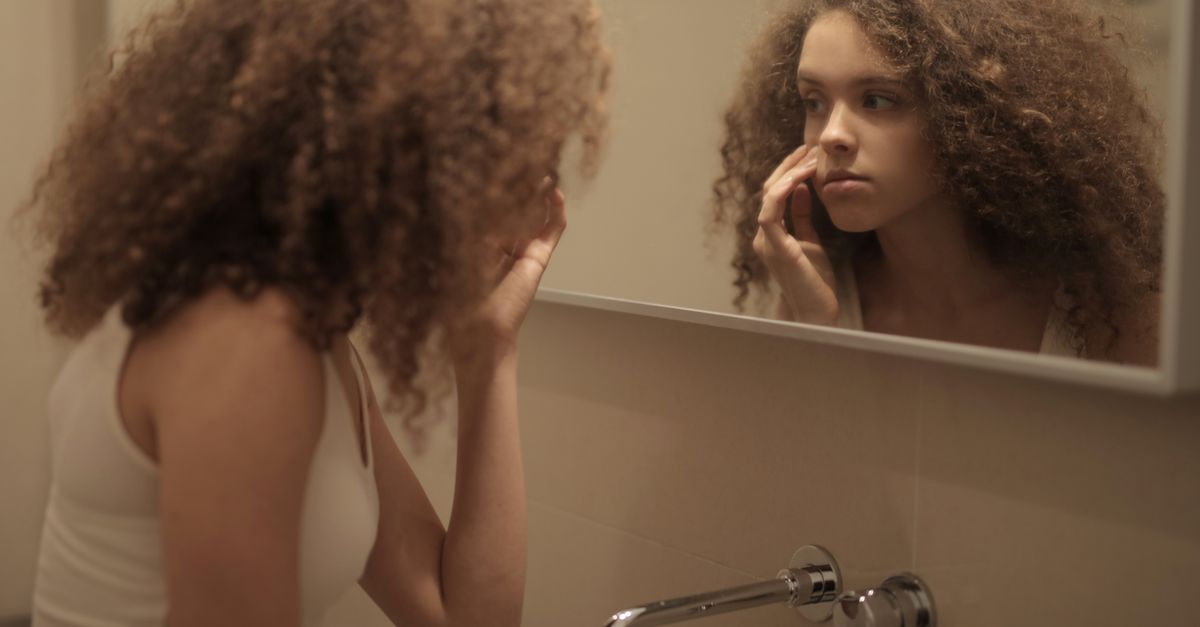
What Causes Hair Thinning with Fibroids?
Yes, fibroids can directly cause hair thinning. The primary drivers are estrogen dominance and iron-deficiency from chronic heavy bleeding — both of which disrupt the normal hair follicle cycle. The effect is real but reversible in most cases; women with fibroids and confirmed iron deficiency or elevated estrogen-to-progesterone ratios see the most dramatic hair changes.
---
How Fibroids Create the Conditions for Hair Loss
Uterine fibroids are benign smooth-muscle tumors that affect an estimated 70–80% of women by age 50, with a disproportionate burden among Black women (Baird et al., American Journal of Obstetrics & Gynecology 2003; PMID: 12592250). They are not cancer, but their downstream hormonal and hematological effects are significant — and hair is one of the first systems to show the strain.
The hair follicle operates on a tightly regulated cycle: anagen (growth), catagen (transition), and telogen (shedding). Disrupting the signaling molecules or nutrients that sustain anagen forces follicles into early telogen — the result is diffuse shedding called telogen effluvium. Fibroids interfere with this cycle through at least three converging pathways.
Pathway 1: Estrogen Dominance and Androgenic Signaling
Fibroids are estrogen-sensitive tumors. They grow in estrogen-rich environments and contribute to what clinicians call relative estrogen dominance — a state where estrogen is high relative to progesterone, regardless of absolute estrogen levels. This imbalance has downstream consequences for scalp hair.
High circulating estrogen upregulates the enzyme 5-alpha reductase in scalp follicles, increasing local conversion of testosterone to dihydrotestosterone (DHT). DHT miniaturizes hair follicles over time, producing the fine, short hairs characteristic of androgenic alopecia. Women with fibroids don't necessarily have elevated testosterone — the problem is the enzymatic amplification driven by estrogen excess.
Progesterone, which normally counterbalances estrogen, is also suppressed in fibroid-dominant cycles. Progesterone has a documented inhibitory effect on 5-alpha reductase (Rittmaster et al., Journal of Clinical Endocrinology & Metabolism 1995; PMID: 7714074), so when progesterone drops, that brake on DHT production is released.
This hormonal pattern — high estrogen, low progesterone, elevated local DHT — is similar to the hormonal picture seen in other gynecological conditions. If you're curious how this pattern overlaps with related diagnoses, the article on what causes hair thinning in endometriosis covers the shared hormonal terrain in more detail.
Pathway 2: Chronic Iron Deficiency from Heavy Bleeding
Fibroids, particularly submucosal types that distort the uterine cavity, are a leading cause of menorrhagia — menstrual blood loss exceeding 80 mL per cycle. Over months and years, this produces iron deficiency anemia, which has a well-characterized effect on the hair follicle.
Iron is an essential cofactor for ribonucleotide reductase, the enzyme that drives DNA synthesis in rapidly dividing hair matrix cells. When ferritin (the storage form of iron) drops below approximately 30 ng/mL, hair follicle cycling is compromised (Trost et al., Journal of the American Academy of Dermatology 2006; PMID: 16635664). Many women with fibroids have ferritin in the 6–15 ng/mL range — levels at which hair shedding accelerates significantly.
The frustrating aspect is that standard CBC panels may show hemoglobin still within the low-normal range while ferritin is critically depleted. A woman can be told her "blood work is fine" while her hair follicles are starved for iron. Requesting a standalone serum ferritin test — ideally alongside TIBC and transferrin saturation — gives a more accurate picture.
For a broader look at how heavy bleeding specifically drives hair changes, the piece on what causes hair thinning during a heavy period covers that mechanism in detail.
Pathway 3: Systemic Inflammation and Oxidative Stress
Fibroids are not metabolically inert. They secrete cytokines and inflammatory mediators, creating a low-grade inflammatory environment in the pelvic region that can become systemic. Elevated IL-6, TNF-alpha, and oxidative stress markers have been documented in women with fibroids compared to matched controls (Ding et al., Fertility and Sterility 2018; PMID: 29935655).
Inflammation shortens anagen by activating the NF-κB pathway in dermal papilla cells, essentially telling follicles to shut down early. Oxidative stress damages follicle stem cells in the bulge region — the reservoir that determines long-term follicle health. This is a slower mechanism than acute iron deficiency, but it explains why some women continue to experience hair thinning even after their iron levels are restored.
---
The Biomarker Panel Worth Requesting
If you have fibroids and are experiencing hair thinning, a targeted lab panel helps distinguish which pathway is dominant:
| Biomarker | Optimal Range for Hair Health | What It Signals |
|---|---|---|
| Serum ferritin | > 70 ng/mL | Iron storage for follicle cycling |
| Hemoglobin | > 12 g/dL | Oxygen delivery to follicles |
| TIBC | 240–360 mcg/dL | Iron transport capacity |
| Estradiol (E2) | Cycle-day specific | Estrogen load |
| Progesterone | Luteal phase > 5 ng/mL | Counterbalance to estrogen |
| Free testosterone | Within reference range | Androgen excess check |
| DHEA-S | Within reference range | Adrenal androgen contribution |
| TSH + Free T4 | TSH 0.5–2.5 mIU/L | Rule out thyroid co-driver |
| hsCRP | < 1.0 mg/L | Systemic inflammation load |
Thyroid dysfunction is worth ruling out specifically — hypothyroidism and fibroid burden often co-occur, and both independently cause hair thinning. The overlap is detailed in the article on hair thinning in perimenopause with hypothyroidism.
---
The Amino Acid Connection: Why Hair Needs More Than Iron
Once iron deficiency is addressed, many women find hair thinning persists — and this is where amino acid biochemistry becomes relevant. Hair is roughly 95% keratin, a protein built primarily from amino acids. When the body is under chronic physiological stress (as with fibroid-related inflammation and blood loss), amino acid partitioning shifts toward immune and repair functions, leaving less available for hair protein synthesis.
Four amino acids have received research attention specifically in the context of hair biology and follicle physiology:
Glycine for Hair Growth
Glycine is the most abundant amino acid in collagen, which forms the structural scaffold of the hair follicle dermal papilla and connective tissue sheath. Without adequate glycine, collagen synthesis is rate-limited — and follicle architecture becomes fragile.
Beyond structural support, glycine plays a role in glutathione synthesis. Glutathione is the body's primary intracellular antioxidant, and follicle stem cells in the bulge are particularly vulnerable to oxidative depletion. A 2018 randomized controlled trial found that glycine supplementation at 3 g/day significantly raised plasma glutathione levels in adults with metabolic stress (Lim et al., Antioxidants 2018; PMID: 30275417). In the context of fibroid-driven oxidative inflammation, this is mechanistically relevant — protecting follicle stem cells from premature damage.
Glycine is also a cofactor in heme synthesis, the process that builds hemoglobin — making it doubly important for women losing iron through heavy menstrual bleeding.
Beta-Alanine for Hair Growth
Beta-alanine is a non-essential amino acid best known in sports nutrition for buffering muscle acidosis, but its role in carnosine synthesis is relevant to hair biology. Carnosine — dipeptide of beta-alanine and histidine — is a potent antioxidant and anti-glycation agent found in hair follicle tissue.
Glycation (the cross-linking of proteins by sugar molecules) damages follicle proteins and is elevated in states of metabolic stress. Carnosine directly inhibits glycation and quenches reactive oxygen species in follicle microenvironments. While dedicated clinical trials on beta-alanine for hair growth are limited, the mechanistic pathway through carnosine and follicle protection is supported by in vitro and animal work showing that carnosine preserves dermal papilla cell viability under oxidative stress conditions (Boldyrev et al., Physiological Reviews 2013; PMID: 23303909).
Citrulline for Hair Growth
L-citrulline is a precursor to L-arginine through the urea cycle, and its primary relevance to hair biology runs through nitric oxide (NO) production. Nitric oxide is a vasodilator — it relaxes smooth muscle in blood vessel walls and increases microcirculation to peripheral tissues, including the scalp.
Scalp follicles depend on dense capillary networks for oxygen and nutrient delivery. When fibroid-related anemia reduces oxygen-carrying capacity, optimizing microvascular flow becomes especially important. Supplemental citrulline is more bioavailable than arginine for raising plasma arginine and subsequent NO production (Schwedhelm et al., British Journal of Clinical Pharmacology 2008; PMID: 17662090), which is why it has attracted interest for vascular endpoints.
In the context of hair, enhanced scalp microcirculation supports follicle oxygenation and nutrient uptake — a meaningful adjunct when iron deficiency has already compromised oxygen delivery systemically.
Arginine for Hair Growth
L-arginine is the direct substrate for nitric oxide synthase (NOS), the enzyme family that produces NO. Scalp application of arginine-based NO donors has been studied for androgenic alopecia, with evidence suggesting that NO-mediated vasodilation in the scalp extends the anagen phase and supports follicle miniaturization reversal (Zanzottera et al., Journal of Cosmetic Dermatology 2021; PMID: 33655650).
Arginine also plays a role in the synthesis of polyamines — molecules including spermidine and spermine that regulate cell proliferation in hair matrix cells. Polyamine synthesis in follicles is rate-limited by arginine availability, meaning adequate arginine intake supports the rapid cell division that anagen demands.
Women with fibroid-related chronic stress and systemic inflammation may have increased arginine catabolism via arginase enzymes, further reducing the pool available for hair follicle anabolic pathways.
---
What This Means for Your Formula
Addressing hair thinning with fibroids requires a layered protocol — hormonal, hematological, and nutritional. Ones takes this approach by analyzing your actual lab data and wearable patterns before building your daily formula, rather than applying a generic hair health stack.
For women whose labs show estrogen dominance, the Ones Endocrine Support blend is a relevant inclusion — it contains botanicals and cofactors that support healthy estrogen metabolism and progesterone signaling, addressing the upstream driver of DHT amplification.
For inflammation-driven hair loss, Ones includes Omega-3 (EPA/DHA) dosed in clinically relevant ranges (typically 1,000–2,000 mg combined EPA+DHA). A 2020 meta-analysis of omega-3 supplementation found significant reductions in IL-6 and TNF-alpha — the same cytokines elevated in fibroid environments (Calder, Journal of Nutrition 2020; PMID: 32167111). Reducing that inflammatory burden directly benefits the follicle microenvironment.
For women with confirmed low ferritin, iron repletion is the non-negotiable first step — and Ones can flag that as a priority finding from lab data, pairing it with Vitamin C to enhance non-heme iron absorption when dietary sources are insufficient.
Amino acid support (glycine, citrulline) can be incorporated into formulas where the findings support it — the AI determines inclusion based on your biomarker pattern, not as a blanket addition.
---
Key Takeaways
- Fibroids cause hair thinning through three main pathways: estrogen dominance (which amplifies DHT at the follicle), chronic iron deficiency from heavy bleeding, and systemic inflammation that shortens anagen.
- Ferritin is the critical biomarker to check — request it specifically, alongside hemoglobin and TIBC. A ferritin below 30 ng/mL directly impairs follicle cycling; optimal for hair health is above 70 ng/mL.
- Estrogen dominance suppresses progesterone, removing the natural brake on 5-alpha reductase and increasing local DHT production in scalp follicles — even when testosterone is within normal range.
- Amino acids including glycine, citrulline, and arginine support hair follicle health through collagen synthesis, antioxidant production, and scalp microcirculation — mechanisms that matter especially when chronic blood loss and inflammation have depleted systemic reserves.
- Thyroid function should be ruled out as a co-driver — hypothyroidism and fibroids frequently co-occur and both independently cause diffuse hair shedding.
- A personalized supplement protocol based on your actual labs — ferritin, hormones, inflammation markers — is more effective than a generic hair supplement, because it targets the specific pathway responsible for your hair changes.
---
This article is for informational purposes only and does not constitute medical advice. Consult your healthcare provider before starting any supplement protocol, particularly if you have fibroids or other gynecological conditions.