Women's Health
What Causes Hair Thinning with PCOS?
Hair thinning affects up to 70% of women with PCOS and is one of the most distressing — and misunderstood — symptoms of the condition. It isn't simply cosmetic: it signals specific hormonal and metabolic imbalances that can be identified through bloodwork and addressed with targeted nutrition. Understanding the root causes is the first step to reversing it.
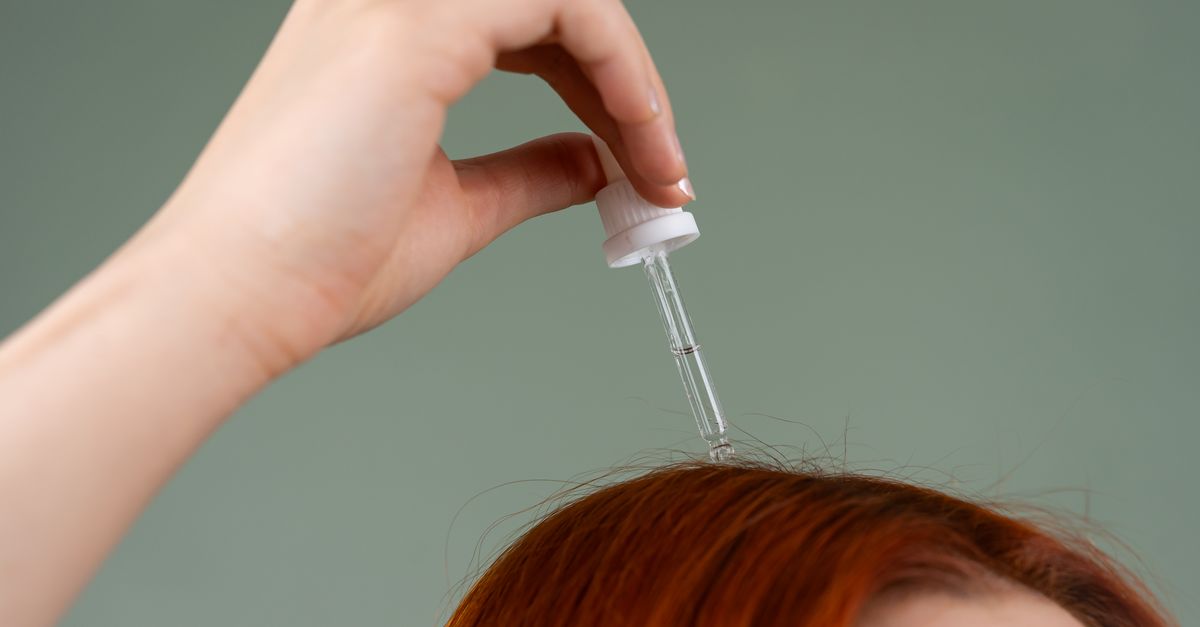
What Causes Hair Thinning with PCOS?
For most women with PCOS, hair thinning is driven by excess androgens — particularly DHT — acting on genetically sensitive hair follicles, combined with insulin resistance that amplifies androgen production. The main caveat is that severity varies widely: some women lose density across the scalp, others only at the temples. Women with normal androgen levels but significant insulin resistance can still experience thinning through indirect hormonal pathways.
---
Why PCOS Causes Hair Thinning: The Androgen-Insulin Axis
Polycystic ovary syndrome is fundamentally a condition of hormonal and metabolic dysregulation. Two interconnected mechanisms drive most PCOS-related hair thinning:
1. Elevated Androgens (Hyperandrogenism)
In PCOS, the ovaries overproduce testosterone and its more potent derivative, dihydrotestosterone (DHT). DHT binds to androgen receptors in hair follicles and progressively miniaturizes them — shortening the anagen (growth) phase and producing progressively finer, shorter strands until the follicle eventually becomes dormant. This pattern is called female androgenetic alopecia, and it differs from male pattern baldness in that it typically causes diffuse thinning at the crown and a widening part, rather than recession at the hairline (Carmina et al., Endocrine Reviews 2019; PMID: 30715195).
2. Insulin Resistance
Around 70% of women with PCOS have some degree of insulin resistance, even at a healthy body weight. Elevated insulin directly stimulates ovarian androgen production by upregulating LH sensitivity in theca cells. It also suppresses sex hormone-binding globulin (SHBG) in the liver — and lower SHBG means more free testosterone is biologically available to act on follicles (Legro et al., Journal of Clinical Endocrinology & Metabolism 2004; PMID: 15181022).
These two mechanisms create a self-reinforcing loop: high insulin → high androgens → low SHBG → more free DHT → follicle miniaturization.
3. Chronic Low-Grade Inflammation
Women with PCOS show significantly elevated markers of systemic inflammation — including C-reactive protein (CRP), IL-6, and TNF-α — compared to controls. Inflammation disrupts the hair cycle by pushing follicles prematurely into the catagen (regression) phase and by sensitizing follicles to androgen signals even at lower circulating DHT levels (González et al., Fertility and Sterility 2012; PMID: 22177464).
4. Nutrient Deficiencies as an Amplifier
Iron deficiency (even without frank anemia) and low zinc are disproportionately common in PCOS and independently cause telogen effluvium — a pattern of widespread shedding. These deficiencies don't cause androgenetic alopecia on their own, but they dramatically worsen it. If you're also dealing with heavy periods that compound nutrient loss, the combined effect can be significant.
---
The Biomarkers That Explain Your Hair Loss
If you have PCOS and hair thinning, these are the labs that actually reveal what's driving it:
| Biomarker | Optimal Range | What It Tells You |
|---|---|---|
| Free Testosterone | < 2.2 pg/mL | Direct androgen load on follicles |
| SHBG | > 60 nmol/L | Low = more free androgens available |
| DHEA-S | < 200 µg/dL | Adrenal androgen contribution |
| Fasting Insulin | < 7 µIU/mL | Insulin resistance driving androgen synthesis |
| Ferritin | > 40 ng/mL | Iron stores; below 30 worsens shedding |
| Zinc (serum) | 80–120 µg/dL | Zinc inhibits 5-alpha reductase (DHT conversion) |
| hs-CRP | < 1.0 mg/L | Systemic inflammation amplifying follicle sensitivity |
The pattern of low SHBG + elevated free testosterone + elevated fasting insulin is the classic PCOS hair-loss triad. Treating only one of the three without addressing the others produces incomplete results.
Women with PCOS also carry a higher burden of sleep disruption — if you're waking at 3am with cortisol spikes, that chronic cortisol elevation further suppresses SHBG and can accelerate follicle miniaturization.
---
Pterostilbene for Hair Growth
Pterostilbene is a methylated analog of resveratrol found in blueberries and grape leaves. It has significantly higher bioavailability than resveratrol (~80% vs ~20%) and has emerged as a promising candidate for hair-related conditions through three overlapping mechanisms relevant to PCOS-driven thinning:
- 5-alpha reductase inhibition: Pterostilbene has demonstrated in-vitro inhibition of Type II 5-alpha reductase — the enzyme that converts testosterone to DHT in scalp follicles. Reducing local DHT production is one of the primary pharmacological targets for androgenetic alopecia.
- AMPK activation: Pterostilbene activates AMP-activated protein kinase (AMPK), a cellular energy sensor that improves insulin sensitivity at the cellular level. Improved insulin signaling lowers the upstream androgen signal from the ovaries.
- Anti-inflammatory NF-κB suppression: Pterostilbene down-regulates NF-κB pathway signaling, reducing the inflammatory cytokines (IL-6, TNF-α) that sensitize follicles to androgens (Kosuru et al., Drug Metabolism Reviews 2018; PMID: 29363978).
While dedicated clinical trials specifically on pterostilbene and hair growth in PCOS populations are still limited, the mechanistic convergence — DHT inhibition + insulin sensitization + inflammation reduction — addresses all three drivers of PCOS hair thinning simultaneously. Typical research doses range from 50–150 mg/day.
---
Astaxanthin for Hair Growth
Astaxanthin is a carotenoid pigment produced by the microalgae Haematococcus pluvialis. It is among the most potent antioxidants measured in biological systems — roughly 550 times more effective than vitamin E at quenching singlet oxygen — and it has specific relevance to PCOS-related hair thinning.
DHT inhibition: A randomized controlled trial in men with androgenetic alopecia found that a combination of astaxanthin and saw palmetto significantly reduced DHT levels and improved hair count scores compared to placebo over 6 months (Giorgetti et al., Evidence-Based Complementary and Alternative Medicine 2010; PMID: 21234302). The proposed mechanism is dual 5-alpha reductase inhibition (Types I and II).
Oxidative stress at the follicle: PCOS is characterized by significantly elevated oxidative stress. Reactive oxygen species (ROS) directly damage follicle stem cells and shorten the anagen phase. Astaxanthin's lipid-phase antioxidant activity protects follicle mitochondria from ROS-mediated damage — an effect that distinguishes it from water-soluble antioxidants like vitamin C (Guerin et al., Trends in Biotechnology 2003; PMID: 12875907).
Cortisol and androgen amplification: Astaxanthin has been shown to reduce cortisol-mediated oxidative burden, relevant because chronic cortisol dysregulation — common in PCOS — further amplifies androgen receptor sensitivity in hair follicles.
Clinical doses used in studies range from 6–12 mg/day of natural astaxanthin from H. pluvialis.
---
Sulforaphane for Hair Growth
Sulforaphane is an isothiocyanate compound produced when glucoraphanin in cruciferous vegetables (primarily broccoli sprouts) is hydrolyzed by the enzyme myrosinase. It is one of the most studied phytochemicals in the context of hormonal balance — and its relevance to PCOS hair thinning is substantial.
Estrogen and androgen metabolism: Sulforaphane activates the Nrf2 pathway, which upregulates Phase II liver detoxification enzymes (particularly glutathione S-transferase and NQO1). This improves the liver's capacity to clear excess androgens and estrogen metabolites. Women with PCOS who have sluggish hepatic androgen clearance end up with higher circulating androgen levels even when ovarian production is only modestly elevated. Supporting liver detoxification pathways directly addresses this bottleneck.
Insulin sensitization: A randomized controlled trial in women with PCOS found that sulforaphane supplementation (derived from broccoli sprout extract) significantly reduced fasting insulin, testosterone, and DHEA-S over 8 weeks compared to placebo, with accompanying reductions in inflammation markers (Bahadori et al., Journal of Ovarian Research 2020; PMID: 32762733). Lower insulin means less ovarian androgen production and higher SHBG — both of which reduce free DHT reaching follicles.
Scalp follicle protection: Nrf2 activation also directly protects follicle keratinocytes from oxidative damage, with some in-vitro work showing that sulforaphane-treated follicle cells maintain longer anagen duration under oxidative stress conditions.
Typical doses in research studies: 10–30 mg/day of sulforaphane (equivalent to roughly 400–600 mg of high-potency broccoli sprout extract standardized to >10% glucoraphanin).
This mechanism overlaps with hair thinning driven by endocrine disruption in adenomyosis, where hepatic clearance of androgens and estrogens plays a similarly important role.
---
Urolithin A for Hair Growth
Urolithin A is a postbiotic metabolite produced by gut bacteria when they ferment ellagitannins found in pomegranate, walnuts, and raspberries. Roughly 30–40% of people produce urolithin A efficiently from diet; the rest require either direct supplementation or gut microbiome optimization.
Mitophagy and follicle stem cell renewal: Urolithin A is the most potent known natural activator of mitophagy — the selective clearance of dysfunctional mitochondria. Hair follicle stem cells in the bulge region depend on high mitochondrial efficiency to sustain anagen cycling. Aging, inflammation, and oxidative stress (all elevated in PCOS) accumulate damaged mitochondria in follicle stem cells, shortening the growth phase. A human clinical trial found that oral urolithin A (500–1000 mg/day) significantly improved mitochondrial gene expression and muscle cell mitophagy markers within 4 weeks — establishing in-vivo activity in humans (Andreux et al., Nature Metabolism 2019; PMID: 31172149).
Inflammation and NF-κB: Urolithin A independently inhibits NF-κB signaling and reduces IL-6 and TNF-α — the same inflammatory cytokines that sensitize PCOS follicles to androgen-mediated damage.
Gut-hormone axis: Women with PCOS have measurably disrupted gut microbiomes, with reduced production of short-chain fatty acids and postbiotics including urolithin A. Restoring urolithin A levels may help re-regulate the gut-hormone axis that modulates androgen clearance and SHBG production.
Urolithin A supplementation is generally studied at 500 mg/day. Mitopure (a purified form) was used in the Andreux 2019 trial.
Understanding how gut and hormonal disruptions compound hair loss is also relevant for women dealing with PMDD-related hair thinning, where cyclical inflammation and microbiome shifts play a parallel role.
---
What This Means for Your Formula
Because PCOS hair thinning has multiple simultaneous drivers — androgens, insulin resistance, inflammation, oxidative stress, and nutrient gaps — no single ingredient addresses it. The most evidence-supported protocol targets the full mechanistic stack.
Ones builds personalized formulas based on lab results and health history, so the specific combination varies by individual. For someone with the classic PCOS hair-loss triad (high free testosterone, low SHBG, elevated fasting insulin), a Ones formula might incorporate:
- Zinc (30 mg as zinc bisglycinate): Zinc is a natural 5-alpha reductase inhibitor and is frequently deficient in PCOS. A 2016 trial in women with PCOS found that zinc supplementation (50 mg/day for 8 weeks) significantly reduced hirsutism scores and improved SHBG — both directly relevant to follicle protection (Jamilian et al., Journal of Trace Elements in Medicine and Biology 2016; PMID: 27053004).
- Ones Endocrine Support blend: A proprietary system blend designed to support hormonal signaling balance, relevant where the androgen-insulin axis requires multi-pathway support rather than a single-ingredient approach.
- Omega-3 (EPA/DHA at clinical doses): Omega-3 fatty acids reduce ovarian androgen production and systemic inflammation in PCOS. A meta-analysis of 8 RCTs found that omega-3 supplementation significantly reduced free testosterone and increased SHBG in PCOS populations (Yang et al., Reproductive Biology and Endocrinology 2018; PMID: 29390996).
If bloodwork also reveals low ferritin or elevated inflammatory markers, Ones AI can incorporate iron-supportive or anti-inflammatory actives within the same capsule plan — calibrated to the user's findings rather than a generic formula.
---
Key Takeaways
- PCOS hair thinning is driven by a combination of excess DHT, insulin resistance amplifying androgen production, low SHBG, and chronic inflammation — not a single cause.
- The most informative biomarkers are free testosterone, SHBG, fasting insulin, ferritin, and hs-CRP — not just a total testosterone.
- Pterostilbene, astaxanthin, sulforaphane, and urolithin A each address different nodes in the PCOS hair-loss pathway: DHT inhibition, oxidative protection, liver androgen clearance, and follicle stem cell mitophagy respectively.
- Sulforaphane has direct clinical evidence in PCOS populations showing reduced insulin, testosterone, and DHEA-S in an 8-week RCT.
- Zinc at clinical doses inhibits 5-alpha reductase and has been shown to raise SHBG in PCOS — a mechanistically meaningful intervention for androgenetic alopecia.
- Addressing PCOS hair thinning effectively requires identifying which of the four drivers (androgen, insulin, inflammation, nutrient deficiency) is dominant for you — which is why lab-based personalization produces better outcomes than general supplementation.