Lab Results
What Causes High hs-CRP?
Elevated hs-CRP is one of the most actionable inflammatory biomarkers you can track — yet most people who receive an abnormal result are simply told to "monitor it." The root causes range from visceral fat and gut dysbiosis to chronic sleep deprivation and hormonal imbalance, and they almost always stack. Understanding which drivers are active in your biology is the difference between an intervention that works and one that doesn't.
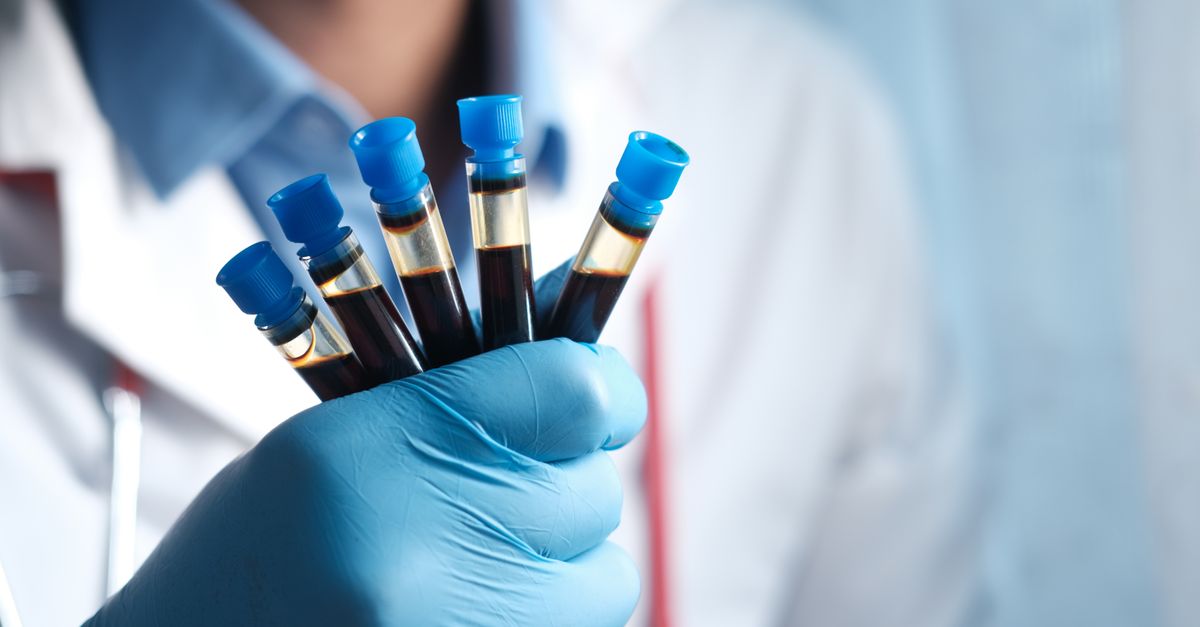
What Causes High hs-CRP?
High hs-CRP means your body is running an active inflammatory response — whether from an obvious trigger like an infection or a silent one like visceral fat, gut dysbiosis, or chronic sleep deprivation. For most people, multiple low-grade drivers stack on top of each other. The main caveat: a single elevated reading needs context, because illness and injury temporarily spike hs-CRP. The exception is anyone with a confirmed acute infection — retest after recovery before drawing conclusions.
---
What Is hs-CRP and What Are Optimal Ranges?
C-reactive protein (CRP) is an acute-phase protein produced by the liver in response to cytokines, primarily interleukin-6 (IL-6). The high-sensitivity version (hs-CRP) detects concentrations well below the threshold of standard CRP tests, making it far more useful for cardiovascular and metabolic risk stratification rather than just infection monitoring. The assay has a detection limit of approximately 0.04 mg/L, which is why it catches low-grade chronic inflammation that standard CRP tests simply miss.
The American Heart Association and the Centers for Disease Control and Prevention jointly classify hs-CRP cardiovascular risk as follows:
| hs-CRP Level (mg/L) | Cardiovascular Risk Category |
|---|---|
| < 1.0 | Low |
| 1.0 – 3.0 | Average |
| > 3.0 | High |
| > 10.0 | Possible acute illness — retest |
For metabolic and longevity purposes, many functional medicine practitioners use a more conservative target of < 0.5 mg/L as an optimal marker of low systemic inflammation. If your result sits consistently between 1–3 mg/L without an obvious acute trigger, that is a meaningful signal worth investigating — not something to simply watch and wait on.
One nuance worth knowing: hs-CRP is sensitive but not specific. It rises with any inflammatory stimulus and does not point to a cause on its own. That is why interpreting it alongside lipid panels, fasting insulin, HbA1c, and hormonal markers produces actionable conclusions where a standalone reading often does not. If you've also seen other inflammatory or hormonal markers come back abnormal alongside your CRP, it's worth reading what causes high CRP and how to read the number in full context.
---
The Most Common Root Causes of Elevated hs-CRP
1. Visceral Adiposity and Metabolic Syndrome
Adipose tissue — particularly visceral fat stored around abdominal organs — is not metabolically inert. It actively secretes pro-inflammatory cytokines including TNF-α, IL-6, and IL-1β. IL-6 directly stimulates hepatic CRP synthesis, creating a direct mechanistic link between excess body fat and elevated hs-CRP.
A large prospective analysis found that each 1-unit increase in BMI was associated with roughly a 6% increase in CRP concentration (Visser et al., JAMA 1999; PMID: 10546694). This relationship is stronger for visceral fat than subcutaneous fat, which is why waist circumference and waist-to-hip ratio are better predictors than weight alone. Critically, even modest intentional weight loss of 5–10% of body weight produces meaningful hs-CRP reductions proportional to the amount of visceral fat lost — the liver responds quickly once the cytokine stimulus decreases.
If your hs-CRP is elevated alongside elevated fasting insulin, that pattern deserves particular attention — high fasting insulin in women and elevated hs-CRP often share the same upstream drivers: visceral fat, refined carbohydrate load, and physical inactivity.
2. Poor Dietary Patterns
Ultra-processed foods, refined grains, added sugars, and trans fats all upregulate inflammatory pathways. A landmark dietary intervention — the PREDIMED trial — demonstrated that a Mediterranean diet rich in olive oil and nuts reduced hs-CRP significantly compared to a low-fat control diet, with the olive oil group showing the largest reduction in inflammatory biomarkers (Estruch et al., New England Journal of Medicine 2013; PMID: 23432189). The mechanism involves multiple overlapping pathways: polyphenols inhibit NF-κB activation, monounsaturated fats displace pro-inflammatory omega-6 substrates, and high fiber intake supports a microbiome composition associated with lower LPS translocation.
On the other side, omega-6-heavy seed oils consumed in excess relative to omega-3 intake shift the eicosanoid balance toward pro-inflammatory prostaglandins and leukotrienes. The modern Western diet delivers an omega-6:omega-3 ratio of approximately 15:1 to 20:1, compared to a historically evolved ratio closer to 4:1. Correcting this ratio — through increased fatty fish consumption or EPA/DHA supplementation — is one of the most mechanistically direct dietary interventions available for hs-CRP.
3. Chronic Infections and Gut Dysbiosis
Low-grade, chronic infections — periodontal disease, H. pylori, chronic sinusitis — are underappreciated drivers of persistently elevated hs-CRP. Periodontal pathogens such as Porphyromonas gingivalis trigger systemic immune activation that is measurable in serum CRP, and treating periodontal disease has been shown in RCTs to lower hs-CRP by approximately 0.5 mg/L over 6 months (Paraskevas et al., Journal of Clinical Periodontology 2008; PMID: 18248533).
The same mechanism applies to gut dysbiosis: a compromised intestinal barrier allows lipopolysaccharide (LPS) from gram-negative bacteria to translocate into circulation, triggering a hepatic acute-phase response and sustained CRP elevation. This is sometimes called "metabolic endotoxemia" and is particularly pronounced in diets high in saturated fat, which increases intestinal LPS absorption independent of barrier integrity.
4. Sleep Deprivation
Sleep under 6 hours per night is independently associated with elevated CRP. A meta-analysis of 72 studies found that short sleep duration was significantly associated with higher CRP and IL-6, with the effect size comparable to that of obesity (Irwin et al., Biological Psychiatry 2016; PMID: 26140821). Shift workers and those with obstructive sleep apnea show some of the highest hs-CRP levels in population studies.
The mechanism is partly HPA axis mediated: sleep fragmentation raises nocturnal cortisol, disrupts growth hormone secretion, and increases sympathetic nervous system activity — all of which feed back into inflammatory cytokine production. Even a single night of total sleep deprivation produces measurable increases in IL-6 and TNF-α within 24 hours, which is why acute illness (which disrupts sleep) and sleep deprivation compound each other so powerfully.
5. Psychological Stress and HPA Axis Dysregulation
Cortisol has a paradoxical relationship with inflammation. Acutely, it is anti-inflammatory; chronically elevated cortisol — as seen in sustained psychological stress — blunts glucocorticoid receptor (GR) sensitivity through GR downregulation and GRα/GRβ isoform shifts, allowing inflammatory signaling to proceed unchecked. In practical terms, this means that people under persistent occupational or relational stress can test with elevated hs-CRP even when their diet and sleep appear adequate. Perceived stress scores consistently correlate with higher hs-CRP in cross-sectional and longitudinal studies.
This HPA axis connection is why adrenal support is relevant in the broader conversation about systemic inflammation.
6. Hormonal Imbalances
Estrogen, testosterone, and thyroid hormone all modulate inflammatory tone. Low estrogen (as seen in perimenopause) is associated with upregulated inflammatory cytokine production — estradiol normally suppresses NF-κB activity, and its decline removes this brake. Similarly, thyroid dysfunction affects metabolic rate and hepatic protein synthesis — if your TSH is elevated, that context is directly relevant to interpreting an elevated hs-CRP alongside it, since hypothyroidism slows hepatic clearance of inflammatory mediators and independently raises cardiovascular risk.
High testosterone in women is sometimes accompanied by features of PCOS, which itself is characterized by chronic low-grade inflammation and elevated hs-CRP — you can explore that connection further at what causes high testosterone in women. Women with PCOS show hs-CRP values approximately 96% higher than age-matched controls in some analyses, partly driven by hyperinsulinemia and androgen excess acting on adipose tissue.
7. Physical Inactivity vs. Overtraining
Moderate aerobic exercise consistently lowers hs-CRP over time, with meta-analyses showing reductions of approximately 0.3–0.5 mg/L from structured exercise programs lasting 12 or more weeks (Kasapis & Thompson, Journal of the American College of Cardiology 2005; PMID: 15837258). The mechanism includes improved insulin sensitivity, reduced visceral adiposity, and direct anti-inflammatory signaling through myokines — particularly IL-6 released from contracting skeletal muscle, which in this context paradoxically suppresses TNF-α and promotes IL-10 production.
However, very high training loads without adequate recovery temporarily elevate CRP as a normal tissue-remodeling response — this is transient and resolves with rest. Elite endurance athletes who undertrain recovery often present with hs-CRP in the 2–5 mg/L range during high-volume training blocks, which normalizes within 7–14 days of taper. This is one of the clearest examples of why a single reading without clinical context can mislead.
8. Smoking and Environmental Toxins
Cigarette smoke activates NF-κB, a master transcription factor that drives CRP expression. Smokers have consistently higher hs-CRP than non-smokers, and the effect is dose-dependent — pack-years of smoking history correlate with baseline hs-CRP levels even after cessation begins. Smoking cessation reduces hs-CRP by approximately 0.5 mg/L over 12 months in prospective cohort data, though full normalization takes years depending on cumulative exposure.
Heavy metals (lead, cadmium, mercury) and air pollution particulates are independent inflammatory triggers that elevate CRP through oxidative stress and immune activation. PM2.5 exposure in urban environments has been shown in time-series studies to produce acute hs-CRP increases of approximately 4.5% per 10 μg/m³ increase in fine particulate concentration — a clinically meaningful signal for people in high-pollution environments.
---
How Doctors Evaluate a High hs-CRP Result
A single elevated reading is rarely acted on in isolation. Clinicians typically follow this sequence:
- Repeat the test after 2–3 weeks to rule out transient elevation from a recent infection, vaccine, or injury.
- Add context from the lipid panel — hs-CRP plus LDL is used to calculate the Reynolds Risk Score for cardiovascular events; the combination is more predictive than either marker alone.
- Look at metabolic markers — fasting glucose, fasting insulin, HbA1c, and triglycerides help determine whether insulin resistance is a driver.
- Assess autoimmune markers — if hs-CRP is >10 mg/L without obvious cause, an ANA panel, ESR, and ferritin level are often ordered to rule out rheumatologic disease.
- Consider imaging — coronary artery calcium (CAC) scoring combined with hs-CRP dramatically improves cardiovascular risk stratification beyond standard Framingham variables. The JUPITER trial specifically enrolled statin-naive adults with LDL < 130 mg/dL but hs-CRP ≥ 2.0 mg/L and demonstrated a 44% relative risk reduction in major cardiovascular events with rosuvastatin — establishing that hs-CRP is not just a risk marker but a potential treatment target (Ridker et al., New England Journal of Medicine 2008; PMID: 18997196).
For an in-depth look at the evidence on whether — and how aggressively — to treat an elevated number, see does high hs-CRP mean you should try to lower it.
---
Lifestyle and Nutritional Levers That Lower hs-CRP
The evidence base for lowering hs-CRP without pharmaceuticals is substantial. The interventions with the strongest effect sizes include:
| Intervention | Approximate hs-CRP Reduction | Evidence Level |
|---|---|---|
| Mediterranean diet | 0.4–1.0 mg/L | RCTs (PREDIMED) |
| Omega-3 supplementation (EPA+DHA ≥2g/day) | 0.3–0.5 mg/L | Multiple RCTs |
| Aerobic exercise (150 min/week) | 0.3–0.5 mg/L | Meta-analyses |
| Weight loss (5–10% body weight) | Proportional to fat lost | Prospective studies |
| Smoking cessation | ~0.5 mg/L | Cohort data |
| Sleep optimization (7–9 hrs) | Significant in sleep-deprived | Intervention trials |
| Curcumin supplementation | 0.3–0.4 mg/L | Multiple RCTs |
| Periodontal treatment | ~0.5 mg/L | RCTs |
Omega-3 fatty acids — specifically EPA and DHA — resolve inflammation partly through specialized pro-resolving mediators (SPMs) including resolvins and protectins. These lipid mediators actively terminate the inflammatory cascade rather than merely suppressing initiation, which is mechanistically distinct from anti-inflammatory drugs. A 2013 analysis of pooled RCT data found that omega-3 supplementation significantly reduced CRP, IL-6, and TNF-α across diverse populations (Calder, Prostaglandins, Leukotrienes and Essential Fatty Acids 2013; PMID: 23153650). Dose matters: trials using less than 1g/day EPA+DHA show inconsistent results, while those using 2g/day or more show consistent, statistically significant reductions.
Curcumin's anti-inflammatory mechanism runs primarily through NF-κB inhibition and Nrf2 pathway activation. The bioavailability problem with standard curcumin powder — its near-zero oral absorption — has been substantially addressed in newer preparations using phospholipid complexes, nanoparticle delivery, and piperine co-administration. A 2014 RCT in 117 adults with metabolic syndrome found that 1g/day of a bioavailable curcumin preparation reduced hs-CRP by a mean of 2.51 mg/L versus 0.16 mg/L in the placebo group over 8 weeks — one of the largest effect sizes in the botanical literature for this biomarker (Panahi et al., Phytotherapy Research 2014; PMID: 24402825).
For women specifically, tracking hs-CRP in the context of calcium and hormonal patterns adds diagnostic power — what causes high calcium in women covers how calcium metabolism and inflammatory signaling intersect, which is relevant when CRP is elevated alongside metabolic or endocrine findings.
---
What This Means for Your Formula
When Ones analyzes your lab results and health data, an elevated hs-CRP flags a pattern that the AI uses to select specific anti-inflammatory and system-support ingredients. Three particularly relevant actives in the Ones catalog:
Omega-3 (EPA/DHA): Ones sources a high-quality EPA/DHA combination dosed to clinically relevant levels — typically ≥1g EPA+DHA — matching the threshold where multiple RCTs demonstrate measurable hs-CRP reduction. Omega-3 is not appropriate for every formula, but if inflammation and cardiovascular markers are the primary findings, it is among the most evidence-supported interventions available.
Curcumin (with bioavailability enhancer): Standard curcumin has poor oral bioavailability, which is why Ones uses enhanced-absorption formulations. RCTs using highly bioavailable curcumin preparations have shown reductions in hs-CRP of 0.3–2.5 mg/L over 8–12 weeks in adults with metabolic syndrome, making it one of the more clinically validated botanical options for this biomarker. The dose and preparation matter as much as the ingredient itself.
Heart Support (Ones System Blend): For users whose elevated hs-CRP appears alongside lipid or blood pressure findings, the Heart Support blend combines ingredients targeting vascular endothelial function and oxidative stress — two mechanisms that sit upstream of both CRP production and cardiovascular risk.
The formula is built around your specific findings, calibrated to your capsule budget. If inflammation is your primary driver, the AI prioritizes anti-inflammatory actives; if it's one signal among several (thyroid, hormone, metabolic), ingredients are weighted accordingly across a 6- or 9-capsule daily plan.
---
Key Takeaways
- hs-CRP > 3.0 mg/L signals high cardiovascular risk; values between 1–3 mg/L are average risk but still warrant investigation into root causes — and the optimal target for longevity-focused medicine is below 0.5 mg/L.
- Visceral fat is the single most common driver of persistently elevated hs-CRP — it secretes IL-6, which directly stimulates hepatic CRP production, and even 5–10% weight loss produces measurable reductions.
- Diet, sleep, stress, and physical activity all independently modulate hs-CRP, and their effects stack — improving multiple variables simultaneously produces the largest reductions.
- Omega-3 fatty acids and curcumin have the strongest supplemental evidence for lowering hs-CRP, but dose and bioavailability are critical; underdosed or poorly absorbed preparations produce inconsistent results.
- Always retest after 2–3 weeks if the initial reading was taken during or after an illness, vaccine, or acute injury — transient spikes are normal and don't require treatment.
- Hormonal and metabolic context matters — thyroid dysfunction, insulin resistance, PCOS, and sex hormone imbalances all modulate inflammatory tone and should be evaluated alongside an elevated hs-CRP rather than in isolation.