Vitamins
What Causes High Folate Levels?
Most people are warned about low folate, but a result above the reference range deserves equal attention. Elevated serum folate is surprisingly common in fortified-food cultures, and the downstream risks — masked B12 deficiency, unmetabolized folic acid accumulation, and potential immune interference — are often overlooked in routine primary care.
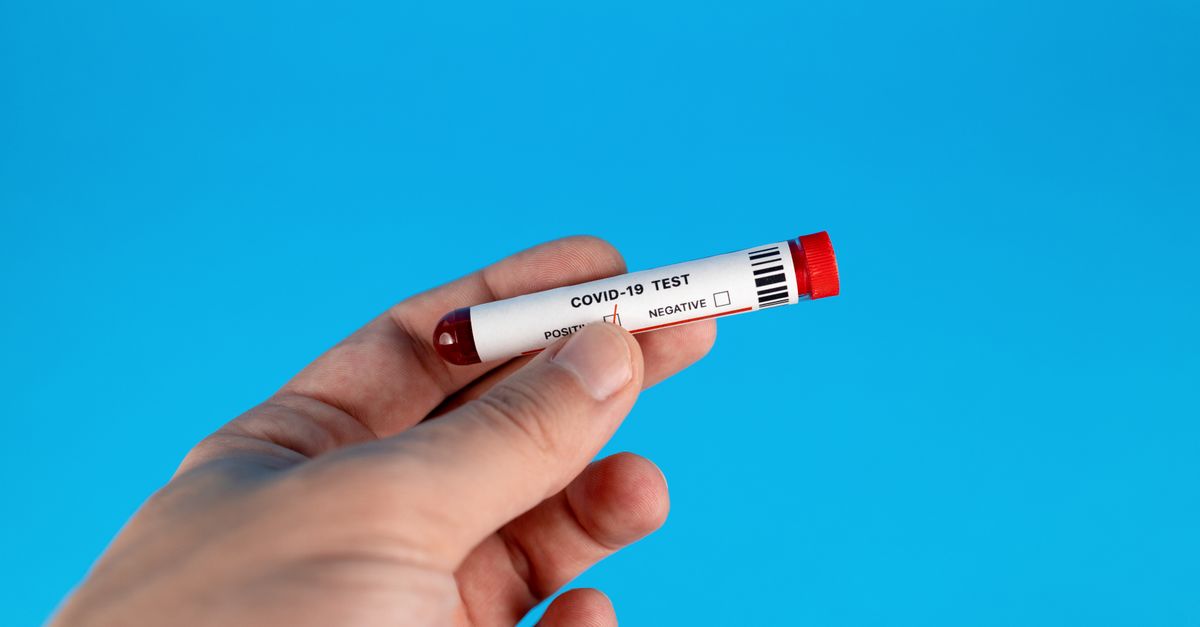
What Causes High Folate Levels?
High folate on a blood test most often reflects recent supplementation or a diet rich in fortified foods, and in those cases it's rarely dangerous. The main caveat is that elevated unmetabolized folic acid — not the same as functional folate — can mask B12 deficiency and may have immune implications. The exception: people with MTHFR gene variants, who can accumulate unmetabolized folic acid at surprisingly low supplement doses.
---
Understanding Folate Reference Ranges
Serum folate is measured in nanograms per milliliter (ng/mL) or nanomoles per liter (nmol/L). Most clinical labs flag values above 20 ng/mL (45.3 nmol/L) as elevated, though upper reference limits vary by lab.
| Folate Level | Serum (ng/mL) | Clinical Interpretation |
|---|---|---|
| Deficient | < 3.0 | High risk of megaloblastic anemia, neural tube defects |
| Insufficient | 3.0–5.9 | Suboptimal, common in poor-diet populations |
| Normal | 6.0–20.0 | Generally adequate for most adults |
| Elevated | > 20.0 | Often supplement-driven; warrants context |
| Very High | > 45.0 | Rule out folic acid loading, MTHFR conversion block |
Red blood cell (RBC) folate tells a different story — it reflects tissue stores over the prior 2–3 months rather than recent intake. An RBC folate above 1,500 nmol/L alongside a normal or low B12 is a classic flag that the folate–B12 pathway needs closer evaluation (National Institutes of Health Office of Dietary Supplements, 2023).
If you're trying to understand what it means to have a low folate level instead, learn what a low folate level means for your health. And if you need a refresher on how to get the right test ordered in the first place, this guide to testing your folate level covers serum vs. RBC methods and what timing matters.
---
The Most Common Causes of High Folate
1. Folic Acid Supplementation
The single most common driver of elevated serum folate is taking a supplement containing folic acid — the synthetic, oxidized form found in most multivitamins and B-complex products. Standard prenatal vitamins deliver 400–800 mcg of folic acid daily, and many fortified foods add another 100–200 mcg on top. When intake consistently exceeds metabolic processing capacity, unmetabolized folic acid (UMFA) accumulates in circulation.
A landmark study in American adults found that UMFA was detectable in the blood of 78% of adults post-fortification — a percentage that was essentially zero before mandatory grain fortification began in 1998 (Pfeiffer et al., American Journal of Clinical Nutrition 2015; PMID: 25733636).
The liver can only reduce folic acid to dihydrofolate and then tetrahydrofolate at a rate of approximately 200 mcg per meal. Doses above that threshold saturate the dihydrofolate reductase (DHFR) enzyme and push unreduced folic acid directly into circulation (Bailey & Ayling, Proceedings of the National Academy of Sciences 2009; PMID: 19706381). This is not an obscure edge case — it's the normal pharmacokinetic behavior of folic acid at supplement doses sold on every pharmacy shelf.
2. MTHFR Gene Variants and Conversion Block
The MTHFR enzyme converts dietary folate and supplemental folic acid into 5-methyltetrahydrofolate (5-MTHF) — the active form the body actually uses. People carrying the C677T or A1298C variants of the MTHFR gene have reduced enzyme activity (40–70% reduction in homozygous C677T carriers). They convert folic acid more slowly, so it pools in serum even at moderate supplemental doses (Frosst et al., Nature Genetics 1995; PMID: 7647779).
This is why serum folate can read elevated in someone who is functionally folate-insufficient at the cellular level. Their blood is full of the synthetic precursor but their methylation cycle is starved of 5-MTHF. If you have an MTHFR variant and you're seeing high total serum folate alongside symptoms like fatigue, low mood, or elevated homocysteine, the form of folate you're taking matters as much as the dose. Switching to methylfolate (5-MTHF) bypasses the blocked conversion step entirely.
To understand what a genuinely elevated result means in context, see what a high folate level means.
3. Kidney Dysfunction and Reduced Clearance
Folate is water-soluble and excreted renally. When glomerular filtration rate (eGFR) drops — as in chronic kidney disease stages 3–5 — folate clearance slows and serum levels can rise even without dietary changes. Clinicians interpreting folate results in patients with elevated creatinine should factor in renal clearance as a confounding variable. This is also relevant to lab panels that show high calcium in women alongside high folate, since both can share CKD as an upstream driver.
4. Dietary Folate Density
While supplements are the primary driver of very high serum folate (> 45 ng/mL), diet alone can push levels into the upper range of normal or mildly elevated. Cooked beef liver delivers roughly 215 mcg of folate per 3-ounce serving. Boiled lentils provide approximately 358 mcg per cup. Cooked spinach contains about 263 mcg per cup. For context, the adult RDA is 400 mcg/day — achievable in a single meal with these foods.
Natural food folate is predominantly in the polyglutamate form, which must be deconjugated to monoglutamate in the gut before absorption. This slows absorption relative to synthetic folic acid and reduces the risk of UMFA accumulation, even at high dietary intakes.
5. Recent B12 Therapy or Co-Supplementation
High-dose B12 supplementation indirectly raises serum folate by accelerating the methylation cycle, which pulls 5-MTHF off the folate pool more rapidly — wait, that would lower folate. The relationship runs the other way: in B12 deficiency, the "folate trap" hypothesis describes how folate accumulates in the serum because it cannot enter the methylation cycle without adequate B12 as a cofactor. When B12 is then restored, folate levels often normalize. Conversely, some clinicians observe transiently elevated folate readouts when patients recently started high-dose B12 injections due to redistribution effects. Always interpret folate and B12 together, not in isolation.
---
Why Unmetabolized Folic Acid Matters
UMFA is not merely an inert excess. Research from the Tufts University Human Nutrition Research Center on Aging found that postmenopausal women with detectable UMFA had significantly lower natural killer (NK) cell cytotoxicity — a measure of innate immune surveillance — compared to women with no detectable UMFA (Troen et al., Journal of Nutrition 2006; PMID: 16772440). The effect was dose-dependent and occurred at folic acid intakes within the range of standard multivitamin use.
A separate concern involves B12 masking. High serum folate can partially correct the macrocytic anemia caused by B12 deficiency without addressing the underlying neurological damage. This means a patient with low B12 and high folic acid supplementation may have a normal or near-normal complete blood count while suffering progressive subacute combined degeneration of the spinal cord. The NIH ODS explicitly flags this interaction as a clinical risk, particularly in older adults, where B12 absorption declines with age.
For clinicians and self-advocates: always order B12 alongside folate. If high MCV (mean corpuscular volume) appears on a CBC alongside high serum folate, that combination warrants B12 and methylmalonic acid (MMA) measurement to rule out masked cobalamin deficiency.
---
Foods High in Methylfolate
Methylfolate (5-MTHF) is the bioactive form of folate found naturally in whole foods. Unlike folic acid, it does not require MTHFR conversion and does not produce UMFA. The richest food sources include:
- Cooked spinach: ~263 mcg per cup (predominantly 5-MTHF in natural polyglutamate form)
- Asparagus: ~268 mcg per cup cooked
- Avocado: ~90 mcg per fruit
- Brussels sprouts: ~78 mcg per cup cooked
- Romaine lettuce: ~64 mcg per cup raw
Note that cooking destroys a significant proportion of food folate — boiling can reduce folate content by 50–80%. Steaming or eating raw preserves more. If your goal is raising folate through food rather than supplements, raw leafy greens and legumes are more efficient than cooked preparations.
---
Foods High in Methylcobalamin
Methylcobalamin is the active, coenzyme form of B12 — the partner nutrient that works in tandem with 5-MTHF in the one-carbon methylation cycle. Because folate and B12 are so tightly coupled, understanding dietary B12 sources is essential for anyone interpreting a high folate result.
Methylcobalamin specifically (as opposed to cyanocobalamin) is found in animal products:
- Clams: ~84 mcg per 3 oz cooked — far exceeding the RDA of 2.4 mcg
- Beef liver: ~70 mcg per 3 oz
- Sardines: ~8.9 mcg per 3.75 oz can
- Salmon: ~4.9 mcg per 3 oz cooked
- Eggs (yolk): ~0.6 mcg per large egg
Plant foods contain essentially no methylcobalamin. Vegans and vegetarians who supplement with cyanocobalamin rather than methylcobalamin may have adequate total B12 on serum tests but suboptimal methylcobalamin availability for nervous system function. This is a clinically meaningful distinction, especially when high folate is present and B12 masking is a concern.
---
Foods High in P5P (Pyridoxal-5-Phosphate)
Pyridoxal-5-phosphate (P5P) is the active coenzyme form of vitamin B6 and is a required cofactor for homocysteine remethylation and transsulfuration pathways — the same metabolic network that folate and B12 regulate. Elevated homocysteine, which often accompanies high UMFA or functional folate/B12 insufficiency, responds to combined B6 + B12 + folate intervention (Toole et al., JAMA 2004; PMID: 14747219).
Foods naturally rich in B6 that is efficiently converted to P5P include:
- Beef liver: ~0.9 mg per 3 oz (P5P bioavailability is high from animal sources)
- Tuna (yellowfin): ~0.9 mg per 3 oz
- Salmon: ~0.6 mg per 3 oz
- Chickpeas: ~1.1 mg per cup cooked (though plant-source B6 as pyridoxine glucoside has lower bioavailability)
- Potatoes (with skin): ~0.4 mg per medium potato
Supplement forms of P5P bypass hepatic conversion and are preferred for individuals with liver dysfunction or genetic variants affecting B6 metabolism. The upper tolerable intake level for total B6 is 100 mg/day; peripheral neuropathy risk increases with long-term high-dose pyridoxine (non-P5P form) use above that threshold.
---
Foods High in Biotin
Biotin (vitamin B7) is structurally distinct from folate but shares clinical relevance here for one important reason: high-dose biotin supplementation — often 5,000–10,000 mcg used for hair and nail support — causes well-documented interference in immunoassay-based lab tests. This includes competitive immunoassay formats used to measure folate, thyroid hormones, and other analytes. If you are taking high-dose biotin and your folate result is unexpectedly elevated, biotin interference should be ruled out before clinical decisions are made (FDA Safety Communication, 2017).
Dietary biotin sources are modest in dose (mcg range) and do not cause assay interference:
- Beef liver: ~30 mcg per 3 oz
- Cooked eggs (whole): ~10 mcg per large egg
- Salmon: ~5 mcg per 3 oz
- Sunflower seeds: ~2.6 mcg per ounce
- Sweet potato: ~2.4 mcg per ½ cup cooked
The RDA for biotin is 30 mcg/day — achievable through diet for most people. Supplemental doses of 5,000 mcg or more have no established clinical benefit beyond certain rare metabolic disorders, and the lab interference risk at those doses is real and underappreciated. If a thyroid panel came back unusual alongside a high folate reading and you're on high-dose biotin, causes of high Free T3 may be artificially skewed by the same assay interference mechanism.
---
What This Means for Your Formula
High serum folate is most actionable when you know which form is elevated and why. Ones addresses this by looking at folate results alongside B12, MCV, homocysteine, and any MTHFR data in your health history before making recommendations.
For individuals with elevated UMFA or confirmed MTHFR variants, Ones can include methylfolate (5-MTHF) in a custom formula rather than folic acid — bypassing the DHFR and MTHFR conversion steps entirely and delivering the bioactive form directly. When homocysteine is simultaneously elevated, the formula may incorporate methylcobalamin (B12) at clinical doses (500–1,000 mcg), which acts synergistically with 5-MTHF in the one-carbon cycle. For cases where B6-dependent transsulfuration is also impaired, P5P (active B6) provides the cofactor needed to convert homocysteine to cystathionine and ultimately glutathione — a pathway that folic acid supplementation alone cannot rescue.
This kind of multi-pathway precision — calibrated to your actual lab results rather than a generic multivitamin formula — is what distinguishes a personalized approach from blanket supplementation. Ones AI analyzes the full methylation picture, not just one out-of-range number in isolation.
---
Key Takeaways
- The most common cause of high serum folate is folic acid supplementation — particularly from multivitamins and fortified grain products that stack on top of each other.
- Unmetabolized folic acid (UMFA) accumulates when folic acid intake exceeds DHFR enzyme saturation (approximately 200 mcg per dose), which is routine at standard supplement doses.
- MTHFR C677T and A1298C variants slow folic acid conversion, raising serum folate while leaving cells functionally folate-insufficient — switching to methylfolate bypasses this block.
- High folate can mask B12 deficiency by partially correcting anemia without addressing neurological damage; always pair folate results with B12 and MMA testing.
- High-dose biotin (5,000+ mcg) interferes with immunoassay-based folate tests and can produce artificially elevated results — stop biotin 72 hours before lab draws.
- Food folate from whole sources (leafy greens, liver, legumes) is predominantly in natural polyglutamate forms that do not cause UMFA accumulation and are safer at high dietary intakes than synthetic folic acid.