Women's Health
What Causes Itchy Skin in PCOS?
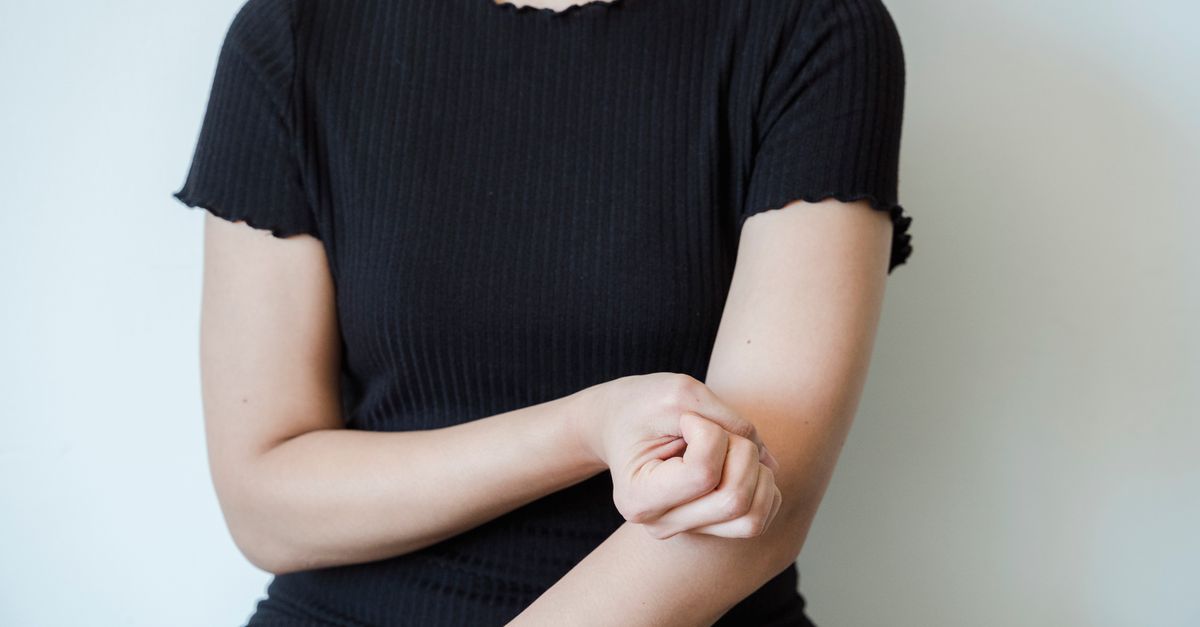
Itchy skin affects a significant portion of women with PCOS, yet it rarely gets the attention it deserves in clinical conversations. The itch can stem from elevated androgens, insulin-driven inflammation, histamine dysregulation, or liver stress — often several at once. Understanding which driver is dominant in your case is the first step toward real relief.
What Causes Itchy Skin in PCOS?
Itchy skin in PCOS is most commonly triggered by a combination of androgen excess, insulin resistance, and low-grade systemic inflammation — not dry skin alone. The main caveat is that the dominant driver varies widely between individuals, so a single solution rarely works for everyone. Women with elevated androgens and normal insulin may need a completely different approach from those whose itch is driven by histamine intolerance or impaired liver detoxification.
---
Why PCOS Creates the Perfect Storm for Skin Problems
Polycystic ovary syndrome is fundamentally a metabolic and hormonal disorder, and the skin is one of its most visible targets. Between 60–80% of women with PCOS have some degree of hyperandrogenism, and androgens — particularly dihydrotestosterone (DHT) — bind to receptors in the skin's sebaceous glands, hair follicles, and keratinocytes, triggering inflammation and altered barrier function (Azziz et al., Journal of Clinical Endocrinology & Metabolism 2004; PMID: 15181030).
At the same time, up to 70% of women with PCOS have insulin resistance, even those who are lean (Dunaif, Endocrine Reviews 1997; PMID: 9396009). Chronically high insulin stimulates keratinocyte proliferation and disrupts the tight junctions that keep the skin barrier intact — leaving it reactive, permeable, and prone to itch.
Add in the chronic low-grade inflammation that characterizes PCOS — elevated CRP, IL-6, and TNF-alpha — and you have a trifecta of androgen excess, metabolic dysregulation, and immune activation all converging on the skin.
---
The Four Main Drivers of Itchy Skin in PCOS
1. Androgen-Driven Skin Barrier Disruption
DHT increases sebum production and stimulates keratinocyte turnover faster than the skin can shed dead cells naturally. The result is a microenvironment where Malassezia yeast and bacteria thrive, inflammatory cytokines accumulate at the skin surface, and nerve endings become sensitized. Sensitized C-fibers in the dermis lower the itch threshold, meaning stimuli that wouldn't normally cause itching — slight temperature changes, sweat, clothing friction — suddenly do.
This explains why many women with PCOS notice itch that worsens during the luteal phase of their cycle, when androgens relative to estrogen spike further, or during periods of high stress when cortisol amplifies androgen signaling.
2. Insulin Resistance and Glycation
High circulating insulin doesn't just affect the ovaries. In the skin, insulin-like growth factor 1 (IGF-1) — which runs in parallel with insulin — promotes inflammatory cytokine release and increases skin cell turnover. Advanced glycation end-products (AGEs), which accumulate when blood sugar is chronically elevated, cross-link with collagen and elastin, stiffening the skin matrix and impairing its ability to retain water. Dry, poorly hydrated skin is itchy skin.
A 2013 study in Fertility and Sterility confirmed that PCOS patients had significantly higher skin AGE accumulation compared to healthy controls, independent of BMI (Diamanti-Kandarakis et al., Fertility and Sterility 2009; PMID: 18410943).
3. Histamine Intolerance and Mast Cell Activation
This driver is underappreciated. Women with PCOS have elevated estrogen relative to progesterone during certain cycle phases, and estrogen directly stimulates mast cells to release histamine. Histamine, in turn, stimulates more estrogen production — a feedback loop that can make itch episodic and seemingly random.
If your itch worsens after wine, fermented foods, aged cheeses, or during the late follicular phase, histamine overload is likely a contributing factor. Low diamine oxidase (DAO) enzyme activity — which is needed to break down dietary histamine — is increasingly documented in women with hormonal dysregulation. You can read more about how PCOS hormonal patterns affect seemingly unrelated symptoms like heart palpitations in PCOS and hot flashes in PCOS, which share some of the same inflammatory and histamine-driven pathways.
4. Liver Congestion and Impaired Hormone Clearance
The liver is responsible for conjugating and clearing estrogen metabolites, androgen metabolites, and histamine. When the liver is under metabolic stress — common in PCOS because of associated non-alcoholic fatty liver disease (NAFLD), which affects up to 35% of women with PCOS — its detoxification capacity is reduced. Estrogen metabolites recirculate, androgens build up, and histamine clearance slows. All three of these worsen skin itch through different receptor pathways.
Cholestasis-like presentations are rare but documented in PCOS, and even subclinical liver congestion can manifest as generalized pruritus (Buzzetti et al., Alimentary Pharmacology & Therapeutics 2016; PMID: 26852730).
---
What Causes Anxiety in PCOS — and How It Worsens Itch
The mind-skin connection is real. PCOS is associated with significantly elevated rates of anxiety disorders — some meta-analyses place the prevalence at 40–50%, roughly double that of age-matched controls (Blay et al., CNS Spectrums 2020). This matters for itchy skin because anxiety activates the HPA axis, raising cortisol, which in turn amplifies mast cell degranulation and histamine release.
Moreover, psychological stress increases skin nerve fiber density and upregulates neuropeptide release (substance P, CGRP), directly lowering the itch threshold. Women who notice their skin itching flares during high-stress periods aren't imagining it — the neuroinflammatory pathway is measurable.
Managing the anxiety-itch loop requires addressing cortisol dysregulation as much as the skin itself. For a deeper look at what causes anxiety in PCOS through a functional medicine lens, mechanisms like the nitric oxide pathway and adrenal hyperactivation are worth understanding in detail.
---
What Causes Migraines — and Why the Same Triggers Fuel Skin Itch
It may seem unrelated, but migraines and skin itch in PCOS frequently share a common trigger: histamine. The same mast cell–estrogen feedback loop that produces dermal itch can trigger neurogenic inflammation in the meninges, contributing to migraine. Women who notice both symptoms clustering around ovulation or the late follicular phase are often dealing with a histamine peak.
Estrogen fluctuation — specifically the rapid drop after a peak — is a recognized migraine trigger, and estrogen dominance from poor liver clearance is a recognized itch trigger. Addressing the root (impaired DAO activity, estrogen metabolism) often improves both. If you've been tracking what causes migraines when coming off the pill, note that the hormonal mechanisms overlap significantly with PCOS-related symptoms.
---
What Causes Depression in PCOS — and the Inflammatory Skin Connection
Depression in PCOS is driven in part by the same inflammatory cytokines — IL-6, TNF-alpha, CRP — that inflame the skin. This is not coincidental. The research field of psychodermatology has documented bidirectional relationships between inflammatory skin conditions and depressive disorders, and PCOS creates the inflammatory substrate for both simultaneously.
Low vitamin D, which is deficient in up to 67–85% of women with PCOS, is independently associated with both depressive symptoms and impaired skin barrier repair (Nair & Maseeh, Journal of Pharmacology & Pharmacotherapeutics 2012; PMID: 22629085). Vitamin D receptors are expressed throughout the skin's keratinocytes and are essential for antimicrobial peptide production. When vitamin D is low, skin defense weakens, itch thresholds drop, and mood dysregulation worsens through the same pathway.
---
Lab Markers Worth Tracking
If you're working with a practitioner to investigate itchy skin in PCOS, the following panel gives the most actionable picture:
| Marker | Target Range | Why It Matters for Itch |
|---|---|---|
| Free Testosterone / DHEA-S | Within sex-specific reference range | Direct androgen driver of skin inflammation |
| Fasting Insulin + HOMA-IR | Fasting insulin <10 μIU/mL; HOMA-IR <1.5 | Insulin-IGF-1 axis, glycation, barrier disruption |
| hs-CRP | <1.0 mg/L | Systemic inflammation amplifying skin nerve sensitization |
| 25-OH Vitamin D | 40–60 ng/mL | Skin barrier, immune regulation, mood |
| ALT / AST / GGT | Within range | Liver detoxification capacity |
| Histamine / DAO enzyme | Available through specialty labs | Histamine intolerance workup |
| Estradiol:Progesterone ratio | Context-dependent | Estrogen dominance → mast cell activation |
---
Evidence-Based Supplement Approaches
Several supplemental strategies have clinical evidence relevant to PCOS-related skin itch:
Inositol (Myo-inositol + D-chiro-inositol at 40:1 ratio): Consistently shown to reduce fasting insulin and free androgen index in PCOS, with 2–4g/day being the most studied dose. Lowering insulin and androgens addresses two of the four main itch drivers (Unfer et al., European Review for Medical and Pharmacological Sciences 2012; PMID: 23086819).
Zinc: Zinc inhibits 5-alpha-reductase — the enzyme that converts testosterone to the more potent DHT — and has direct anti-inflammatory effects on keratinocytes. Clinical doses of 25–45mg elemental zinc daily have been used in androgen-excess skin conditions. Ones includes zinc in its individual actives at clinically relevant doses calibrated to your blood levels, making it a precision choice rather than a blanket add-on.
Vitamin D3 + K2 (MK-7): Given the prevalence of vitamin D deficiency in PCOS and its role in skin barrier function, D3 at 2000–4000 IU combined with K2 for proper calcium routing is among the most evidence-supported interventions for the PCOS symptom cluster. Ones pairs D3 with MK-7 specifically because K2 directs calcium away from soft tissue — relevant for women with PCOS who already carry cardiovascular risk.
Liver Support (Ones proprietary blend): Because impaired liver detoxification amplifies both androgen and estrogen recirculation, supporting phase I and II liver detoxification is mechanistically sound for PCOS-related itch. Ones' Liver Support system blend includes ingredients targeting hepatic glutathione pathways and bile flow — addressing the upstream hormone clearance problem rather than just the skin symptom.
Histamine Support (Ones proprietary blend): For women whose itch pattern points to histamine intolerance — episodic, food-triggered, cycle-correlated — Ones includes a Histamine Support blend designed to support DAO enzyme activity and mast cell stability. This is a targeted approach that most generalist supplement stacks don't account for.
---
What This Means for Your Formula
Ones uses lab results, wearable data, and health history to distinguish which of the four itch drivers is dominant for each individual. A woman with high free testosterone and low HOMA-IR needs a different formula than one with normal androgens, elevated histamine markers, and a sluggish liver panel.
Rather than defaulting to a generic "hormone balance" stack, Ones' AI practitioner maps your biomarkers to specific mechanism-matched ingredients: zinc and inositol for androgen/insulin excess; D3+K2 for barrier repair and immune regulation; Liver Support for hormone clearance; Histamine Support for mast cell and DAO-related itch. This precision is built into either a 6- or 9-capsule daily plan, determined by the complexity of your findings — not by a quiz you fill out yourself.
If you're also experiencing fatigue alongside skin symptoms, the exhaustion in PCOS article outlines how overlapping drivers like cortisol dysregulation and thyroid underfunctioning are often part of the same metabolic picture.
---
Key Takeaways
- Itchy skin in PCOS has at least four distinct biological drivers: androgen excess, insulin resistance, histamine intolerance, and impaired liver detoxification — most women have overlap between two or more.
- Elevated androgens sensitize skin nerve endings and disrupt the barrier; high insulin accelerates glycation and keratinocyte inflammation.
- Histamine intolerance, driven by the estrogen–mast cell feedback loop, creates episodic itch that worsens around ovulation and after high-histamine foods.
- Vitamin D deficiency — present in up to 85% of women with PCOS — weakens the skin barrier and lowers itch threshold through keratinocyte receptor pathways.
- Depression and anxiety in PCOS share inflammatory drivers (IL-6, TNF-alpha, cortisol) with skin itch, meaning addressing systemic inflammation often improves multiple symptoms simultaneously.
- A targeted formula that accounts for your specific lab markers — androgens, insulin, vitamin D, liver enzymes, and ideally histamine markers — will outperform any generic women's wellness stack.