Skin & Beauty
What Causes Itchy Skin in Postpartum?
Postpartum itchy skin affects a surprising number of new mothers and is almost never just 'dry skin.' Rapid estrogen withdrawal, histamine dysregulation, and depleted micronutrients can all trigger relentless itching weeks after delivery. Understanding the root cause is the fastest path to lasting relief.
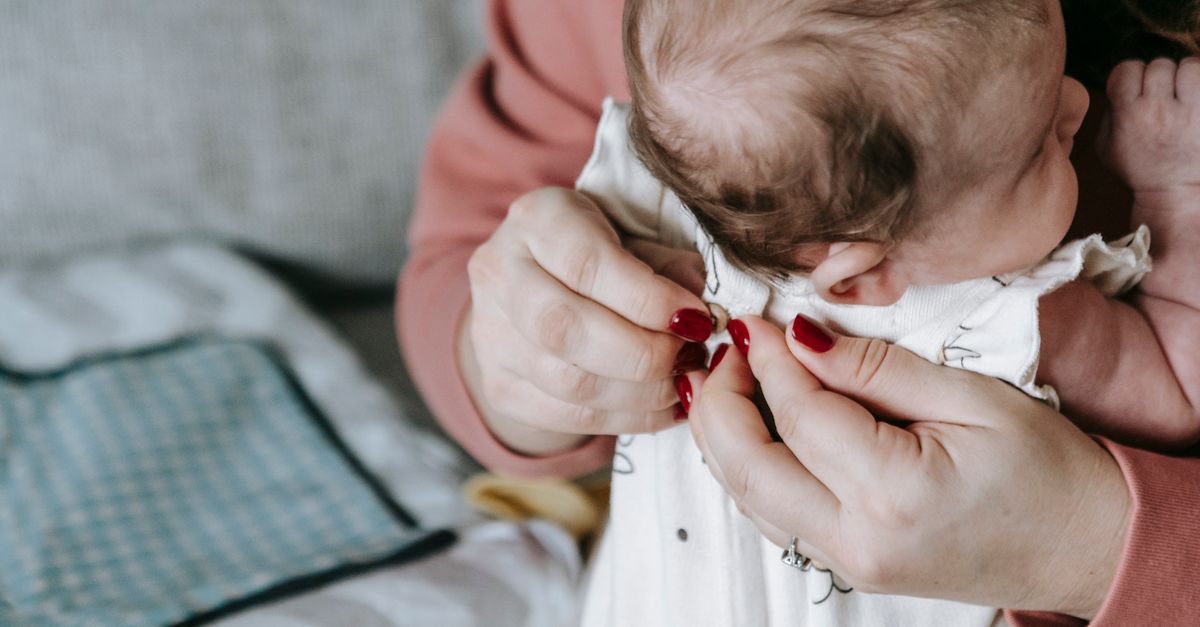
What Causes Itchy Skin in Postpartum?
Postpartum itchy skin is mostly caused by the dramatic drop in estrogen and progesterone after delivery, which disrupts skin barrier function and spikes histamine activity. The main caveat is that several mechanisms can overlap — hormonal, nutritional, and immune — making it feel impossible to pinpoint one cause. Women with a history of eczema, allergies, or autoimmune conditions are particularly prone to severe flares in the weeks following birth.
---
Why Postpartum Hormones Wreck Your Skin
During pregnancy, estrogen levels rise to roughly 100 times their pre-pregnancy baseline and then collapse within 24–72 hours of delivery. Estrogen plays a direct structural role in the skin: it promotes collagen synthesis, stimulates sebaceous gland activity, and regulates the production of ceramides — the lipid molecules that hold the skin barrier together (Verdier-Sévrain & Bonté, Journal of the European Academy of Dermatology and Venereology, 2007; PMID: 17979879).
When estrogen drops sharply, the skin loses moisture retention capacity almost overnight. Transepidermal water loss (TEWL) increases, keratinocyte turnover slows, and the impaired barrier becomes more permeable to irritants and allergens. The result is dryness, tightness, and the kind of deep, maddening itch that moisturizer alone rarely solves.
Progesterone withdrawal compounds the problem. Progesterone has mild anti-inflammatory properties during pregnancy; losing it removes a layer of immune modulation at exactly the time the postpartum immune system is recalibrating (Dosiou & Giudice, Endocrine Reviews, 2005; PMID: 15901666). This recalibration is one reason autoimmune-like skin flares — including postpartum thyroiditis rash and eczematous eruptions — peak between weeks four and twelve postpartum.
If you are also experiencing dry skin in postpartum alongside itching, the underlying mechanism is almost certainly the same estrogen-driven barrier disruption, and addressing one without the other typically fails.
---
The Histamine Connection: Why Itch Spikes After Birth
Histamine is the neurotransmitter most directly responsible for itch sensation. During pregnancy, the placenta produces large amounts of diamine oxidase (DAO) — the primary enzyme that breaks down histamine in the gut and bloodstream. After delivery, placental DAO disappears almost immediately, leaving histamine to accumulate if dietary intake is high or gut microbiome diversity is low (Maintz & Novak, American Journal of Clinical Nutrition, 2007; PMID: 17490952).
This histamine surplus stimulates H1 receptors in skin nerve fibers, triggering itching that is often described as "crawling" or "burning" rather than a surface-level scratch. It can also manifest as hives, flushing, or a rash that worsens after fermented foods, leftovers, wine, or aged cheeses — all high-histamine foods.
Women who breastfeed and are sleep-deprived (which is essentially all of them) face an additional histamine burden: cortisol spikes from sleep disruption up-regulate mast cell degranulation, flooding the skin with even more histamine. This is a meaningful feedback loop — poor sleep worsens histamine load, which worsens itch, which worsens sleep. If you are also dealing with insomnia in the postpartum period, the histamine-cortisol axis is worth investigating as a shared driver of both symptoms.
For a deeper breakdown of how itch and immune dysregulation interact across hormonal transitions, the article on what causes itchy skin in PMDD covers overlapping mechanisms that apply in postpartum too.
---
Nutritional Depletion After Delivery: The Biomarkers That Matter
Pregnancy is nutritionally expensive. The fetus preferentially draws iron, zinc, omega-3 fatty acids, and B vitamins from maternal stores, and delivery itself — especially with significant blood loss — can accelerate those depletions further. Each of these deficiencies has a direct effect on skin integrity:
| Nutrient | Role in Skin | Common Postpartum Range |
|---|---|---|
| Iron (ferritin) | Supports keratinocyte proliferation and collagen cross-linking | Often <30 ng/mL postpartum |
| Zinc | Regulates barrier protein synthesis; anti-inflammatory | Frequently sub-optimal due to fetal transfer |
| Omega-3 (EPA/DHA) | Modulates prostaglandin and leukotriene signaling in skin | Drops significantly if breastfeeding |
| Vitamin D | Regulates keratinocyte differentiation; immune modulation | Deficiency common year-round postpartum |
| B vitamins (B2, B3, B6) | Support skin barrier lipid metabolism | Depleted by lactation demands |
Low zinc in particular impairs the skin's ability to regulate inflammatory cytokines like IL-6 and TNF-α, making otherwise minor skin irritants trigger disproportionate itch responses (Lansdown et al., Wound Repair and Regeneration, 2007; PMID: 17650107). Iron deficiency anemia is itself associated with generalized pruritus — the mechanism involves iron-dependent mast cell stabilization and altered prostaglandin metabolism.
Checking a comprehensive panel — including ferritin (not just hemoglobin), serum zinc, 25-OH vitamin D, and omega-3 index — gives you the data needed to supplement precisely rather than guessing. Random multi-vitamin supplementation in postpartum often misses the actual gaps.
---
Stress, Cortisol, and Skin Flares
The postpartum period is objectively one of the highest-stress transitions a human body can experience. Cortisol — the primary stress hormone — has a complex relationship with skin: at acutely elevated levels, it suppresses the inflammatory response, but chronically high cortisol degrades skin barrier function by reducing hyaluronic acid synthesis and impairing ceramide production (Elias & Feingold, Journal of Investigative Dermatology, 2001).
Chronic stress also dysregulates the gut-skin axis. The microbiome shifts that accompany sleep deprivation, hormonal changes, and dietary disruption reduce populations of Lactobacillus and Bifidobacterium species that produce short-chain fatty acids — molecules that damp down systemic inflammation and indirectly support skin barrier integrity.
For many postpartum women, stress is not a lifestyle choice — it is a physiological state driven by sleep debt, physical recovery, and the demands of caring for a newborn. Adaptogenic herbs like Rhodiola rosea have modest evidence for attenuating cortisol-related fatigue without sedation (Olsson et al., Planta Medica, 2009; PMID: 19016404), making them a low-risk complement to postpartum recovery when used at clinical doses (typically 200–400 mg standardized extract).
Addressing stress biomarkers — morning cortisol, DHEA-S, and adrenal function markers — alongside skin-specific labs gives a much clearer picture of whether the itch is primarily stress-driven or has a distinct nutritional or hormonal root.
---
Can Saffron Help Postpartum Skin Itch?
Saffron (Crocus sativus) has attracted growing research interest for its anti-inflammatory and antihistamine properties. Its active compounds — crocin and safranal — inhibit mast cell degranulation and reduce levels of prostaglandin E2, a key mediator of inflammatory itch (Boskabady et al., Phytotherapy Research, 2011; PMID: 21305618).
While most saffron trials focus on mood and cognitive function, the anti-inflammatory pathway is directly relevant to postpartum skin. Mast cell stabilization means less histamine release in the skin, which translates to less itch signaling at H1 receptors. Small clinical doses (28–30 mg/day of saffron extract) have shown measurable effects on inflammatory markers within six weeks.
Saffron is not a first-line intervention for postpartum itch — restoring estrogen-depleted barrier function, correcting nutritional gaps, and stabilizing histamine load should come first. But as an adjunct for women whose itch appears driven by mast cell hyperreactivity and systemic inflammation, it is worth discussing with a healthcare provider, particularly because saffron is generally considered safe for breastfeeding at standard doses (though formal lactation safety data remain limited).
The overlap between histamine-driven skin symptoms and hormonal cycles is explored further in what causes itchy skin in menopause — a useful parallel since the estrogen-withdrawal mechanism is strikingly similar.
---
Diagnosing the Root Cause: A Postpartum Skin Biomarker Protocol
Because multiple mechanisms can drive postpartum itching simultaneously, a symptom-only approach almost always leads to partial relief at best. The following protocol maps symptom patterns to likely drivers and the labs that confirm them:
Step 1 — Symptom mapping
- Does itch worsen after high-histamine foods (wine, aged cheese, leftovers)? → Suspect DAO deficiency / histamine load
- Is skin visibly dry and tight rather than red or inflamed? → Suspect estrogen-driven barrier disruption
- Do you have hives, flushing, or welts? → Suspect mast cell activation or allergic mechanism
- Is itch worst at night or after poor sleep? → Suspect cortisol-histamine loop
- Do you have hair loss or fatigue alongside itch? → Suspect iron/zinc deficiency or thyroid dysfunction
Step 2 — Priority labs
- Ferritin (target >50 ng/mL for skin health, not just anemia threshold)
- Serum zinc (optimal 80–120 mcg/dL)
- 25-OH Vitamin D (optimal 40–60 ng/mL)
- Free T3, Free T4, TPO antibodies (postpartum thyroiditis affects ~10% of women)
- Morning cortisol and DHEA-S
- Total IgE and tryptase if mast cell involvement is suspected
Step 3 — Targeted intervention based on results
- Correct iron and zinc deficits before adding topical treatments
- Low-histamine dietary trial for 4 weeks if DAO deficiency is suspected
- Adrenal support if cortisol pattern is dysregulated
- Discuss topical estrogen or systemic hormonal support with OB if skin barrier disruption is severe
---
What This Means for Your Formula
At Ones, the approach to postpartum skin itch starts with data — blood work, wearable patterns, and health history — rather than guessing. The AI practitioner identifies which of the overlapping mechanisms (hormonal, histamine, nutritional, stress-driven) are most active for a specific woman and builds a personalized capsule formula accordingly.
For postpartum skin specifically, a few ingredients from the Ones catalog are particularly relevant:
- Zinc (as zinc bisglycinate, 15–30 mg range): directly restores the barrier protein synthesis and mast cell stabilization that zinc depletion undermines. Clinical trials in zinc-deficient adults show meaningful reduction in inflammatory skin markers within 8–12 weeks.
- Omega-3 (EPA/DHA): at clinical doses, EPA suppresses leukotriene B4 — a potent itch-promoting inflammatory mediator — in skin tissue. Postpartum omega-3 depletion from breastfeeding makes this one of the most commonly under-addressed drivers of skin symptoms.
- Ones Histamine Support (a proprietary blend): formulated to support DAO enzyme activity and modulate mast cell reactivity — directly relevant to the histamine surge that occurs after placental DAO disappears following delivery.
Because postpartum needs shift quickly — from the immediate recovery window through the months of breastfeeding — the Ones formula is designed to be recalibrated as labs and wearable data change, rather than staying static on a one-size supplement protocol.
---
Key Takeaways
- Postpartum itchy skin is primarily driven by estrogen withdrawal that impairs skin barrier ceramide and collagen production, not simply external dryness.
- The disappearance of placental diamine oxidase (DAO) after delivery leaves histamine unchecked, causing crawling or burning itch that worsens with high-histamine foods and poor sleep.
- Iron (ferritin), zinc, omega-3, and vitamin D are the four most commonly depleted nutrients postpartum — each directly impacts skin integrity and inflammatory threshold.
- Chronic cortisol elevation from sleep deprivation and stress compounds barrier dysfunction and amplifies mast cell activity; addressing the stress-cortisol axis is part of the skin solution, not separate from it.
- Saffron's crocin and safranal compounds show promising mast cell-stabilizing effects that may complement targeted nutritional correction for histamine-driven itch.
- Accurate biomarker testing (ferritin, zinc, vitamin D, thyroid panel, cortisol) is essential to distinguish the true driver — and to avoid wasting time on interventions aimed at the wrong mechanism.