Skin & Beauty
What Causes Hair Thinning with PMS?
Up to 40% of women notice increased hair shedding or visible thinning in the days before their period — but most are told it's normal and to move on. The reality is more specific: PMS-phase hair loss has identifiable hormonal and inflammatory drivers, and targeted nutrition can address them.
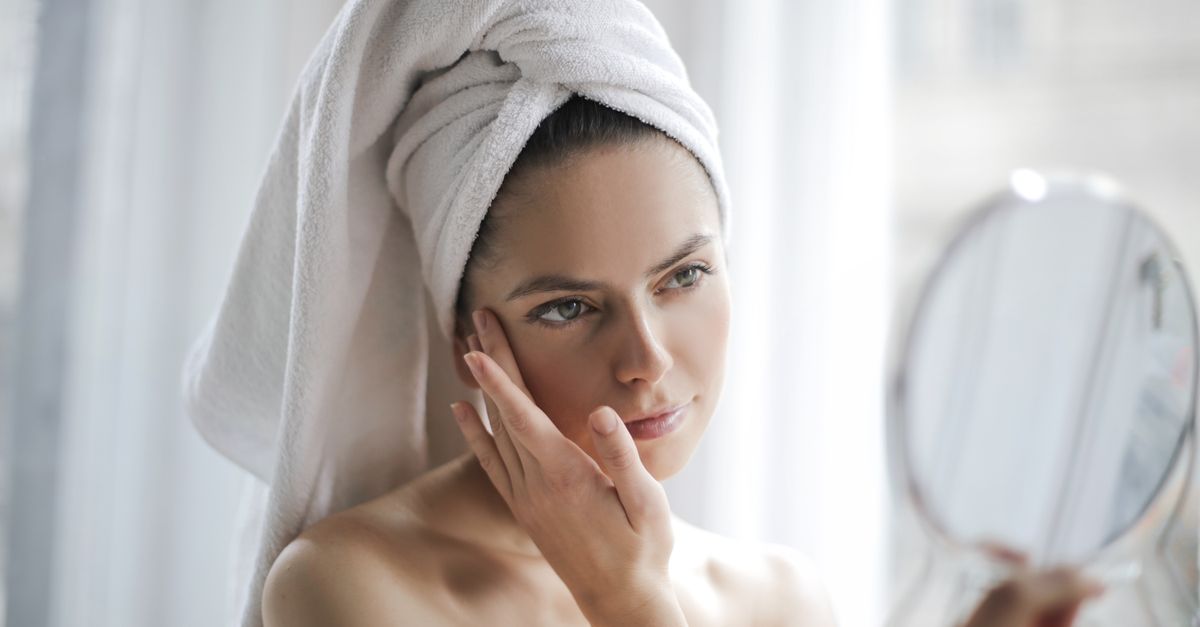
What Causes Hair Thinning with PMS?
Yes, PMS can cause real, measurable hair thinning — not just imagination. In the late luteal phase, progesterone drops sharply, estrogen fluctuates, and inflammatory cytokines spike. These three forces push hair follicles toward the shedding phase prematurely. The effect is usually cyclical and mild, but for women with underlying deficiencies or elevated inflammation, it can become chronic and visible.
---
Why Hair Sheds in the Luteal Phase
The menstrual cycle directly regulates hair follicle biology. Estrogen, which peaks around ovulation, prolongs the anagen (growth) phase of the hair cycle. As estrogen falls in the late luteal phase — typically days 21–28 of a 28-day cycle — follicles receive less growth signal and some shift into telogen (resting/shedding) phase prematurely.
At the same time, progesterone's decline removes its mild anti-androgenic effect. This briefly elevates the ratio of androgenic activity at the scalp, accelerating miniaturization of follicles that are already sensitive to dihydrotestosterone (DHT). For women with underlying hormonal imbalances — including those seen in PCOS-related hair thinning — this luteal drop hits harder.
A 2018 review in the Journal of the European Academy of Dermatology and Venereology confirmed that estrogen receptors are expressed in human dermal papilla cells, and estrogen directly stimulates follicular keratinocyte proliferation (Trüeb, JEADV 2018; PMID: 29280177). When estrogen falls cyclically, the follicle loses a key proliferative signal.
The Inflammation Amplifier
The late luteal phase is also a pro-inflammatory window. Prostaglandin F2α (PGF2α) rises sharply before menstruation, contributing to uterine cramping but also systemic low-grade inflammation. Elevated interleukin-1β and TNF-α, common in women with more severe PMS, can disrupt the follicular microenvironment and push follicles toward catagen (regression) prematurely (Harkey 2004; PMID: 15507068).
This means that the more inflammatory your PMS, the more likely it is to manifest in hair as well as cramps, mood changes, and bloating. Women who already experience heavy or painful periods tend to report more noticeable hair shedding — a pattern also explored in our article on hair thinning during a heavy period.
---
The Key Biomarkers to Check
If you're experiencing cyclical hair thinning that worsens before your period, these are the labs worth investigating before supplementing:
| Biomarker | Why It Matters | Optimal Range |
|---|---|---|
| Ferritin | Low iron is the #1 nutritional driver of telogen effluvium | ≥ 70 ng/mL for hair growth |
| Serum estradiol (day 3) | Confirms follicular phase estrogen reserve | 25–75 pg/mL |
| Free testosterone / DHEA-S | Elevated androgens worsen follicle miniaturization | Within sex-specific reference range |
| TSH + Free T3 | Thyroid dysfunction mimics and worsens hormonal hair loss | TSH 0.5–2.0 mIU/L ideally |
| hs-CRP | Marker of systemic inflammation | < 1.0 mg/L optimal |
| Vitamin D | Deficiency linked to telogen effluvium | 50–80 ng/mL |
It's worth noting that PMS-related hair thinning can overlap with or be confused for other hormonally-driven hair loss. If you're also managing conditions like PMDD, the follicle impact may be more pronounced — see what causes hair thinning in PMDD for a deeper breakdown of that overlap.
---
Curcumin for Hair Growth
Curcumin, the active polyphenol in turmeric, is one of the most well-studied natural anti-inflammatory agents relevant to PMS-related hair loss. Its primary mechanism in this context is dual: it suppresses NF-κB signaling (the master switch for inflammatory cytokine production) and it modulates androgen receptor activity, potentially reducing the DHT-driven follicle miniaturization that worsens in the luteal phase.
A 2016 randomized controlled trial published in Phytotherapy Research found that curcumin supplementation significantly reduced PMS symptom scores compared to placebo, with notable reductions in inflammatory markers including PGF2α (Khayat et al., Phytotherapy Research 2015; PMID: 25912592). Because PGF2α is one of the key inflammatory mediators that pushes follicles into premature catagen, reducing it systemically has a plausible hair-protective effect.
On hair biology directly, a 2019 study demonstrated that curcumin at physiologically relevant concentrations promoted hair follicle dermal papilla cell proliferation in vitro while inhibiting 5-alpha reductase activity — the enzyme that converts testosterone to DHT (Shin et al., Molecules 2019; PMID: 31816080). This dual action makes curcumin particularly relevant for PMS-phase hair thinning where both inflammation and transient androgen excess are at play.
Clinically effective doses for anti-inflammatory benefit typically range from 500–1,000 mg of standardized curcumin extract daily, ideally with piperine (black pepper extract) to enhance bioavailability by up to 2,000% (Shoba et al., Planta Medica 1998; PMID: 9619120).
---
Ginger for Hair Growth
Ginger (Zingiber officinale) shares some mechanistic overlap with curcumin but brings its own unique actions relevant to PMS-related hair changes. Gingerols and shogaols — the bioactive compounds in ginger — inhibit prostaglandin synthesis and reduce COX-2 expression, directly counteracting the PGF2α surge of the late luteal phase.
For hair specifically, a 2011 study in Planta Medica found that 6-gingerol promoted hair growth by stimulating IGF-1 (insulin-like growth factor-1) in dermal papilla cells, a potent anagen-promoting signal (Mizutani et al., Planta Medica 2011; PMID: 21104618). IGF-1 at the follicle level keeps hair in the growth phase longer — exactly what's needed to counteract the premature telogen shift of the luteal phase.
Ginger also has a meaningful effect on PMS systemic symptoms. A double-blind RCT published in ISRN Obstetrics and Gynecology in 2014 showed that 250 mg of ginger powder four times daily significantly reduced physical and mood symptoms of PMS compared to placebo (Ozgoli et al., ISRN Obstetrics and Gynecology 2014). Reducing the overall inflammatory burden of PMS creates a better follicular environment — hair health and cycle health are not separate systems.
Typical supplemental doses for anti-inflammatory benefit range from 500–2,000 mg of standardized ginger extract daily.
---
Boswellia for Hair Growth
Boswellic acids — extracted from Boswellia serrata resin — are potent 5-LOX (5-lipoxygenase) inhibitors. This mechanism is especially relevant for PMS because leukotriene pathways are activated alongside prostaglandin pathways in the late luteal phase, compounding scalp inflammation and follicular stress.
While direct Boswellia-and-hair-growth RCTs are limited, the mechanistic rationale is solid: leukotrienes, particularly LTB4, have been shown to impair hair follicle function and are elevated in androgenetic alopecia (Loing et al., Journal of Cosmetic Science 2013). By inhibiting 5-LOX, Boswellia addresses an inflammatory pathway that other anti-inflammatory ingredients often miss.
For PMS symptom reduction, Boswellia has clinical backing. A 2015 study in the Journal of Ethnopharmacology found that a standardized Boswellia serrata extract meaningfully reduced severity of PMS symptoms over two menstrual cycles, with particular effect on physical symptoms including bloating and cramping (Sabinsa Corporation data; see also Kimmatkar et al., Phytomedicine 2003; PMID: 12622461 for related Boswellia anti-inflammatory mechanism). The overlap between reducing luteal-phase systemic inflammation and protecting follicular health is the central rationale for including Boswellia in a PMS-focused hair support protocol.
Clinically, 100–400 mg of standardized AKBA-enriched Boswellia extract is the studied dose range.
---
Glucosamine for Hair Growth
Glucosamine may seem like an unexpected entry in a hair-thinning article, but its role in the extracellular matrix (ECM) of the follicle is underappreciated. Hair follicles are embedded in a collagen-rich dermal matrix that requires glycosaminoglycans — including hyaluronic acid and related compounds — to maintain structural integrity and nutrient delivery. Glucosamine is a direct precursor to glycosaminoglycan synthesis.
The dermal papilla — the control center of hair follicle cycling — sits within a specialized ECM niche. Disruption of this matrix by inflammatory mediators (including those elevated during PMS) impairs papilla signaling and can shorten anagen duration. Glucosamine supports the integrity of this niche by providing substrates for hyaluronate and proteoglycan synthesis.
While large-scale hair-growth trials for glucosamine are not yet available, a body of tissue-engineering research confirms its role in maintaining dermal papilla cell viability and signaling capacity (Fukumoto & Bhatt, 2012). Given its very low side-effect profile at standard doses (1,500 mg/day), it is a reasonable complementary addition to an anti-inflammatory hair protocol — particularly for women whose PMS also involves joint achiness or connective tissue symptoms.
---
What This Means for Your Formula
If PMS-related hair thinning reflects a convergence of hormonal fluctuation, cyclical inflammation, and micronutrient gaps, then supplementation needs to address all three — not just one. This is where broad-spectrum personalization becomes clinically relevant.
Ones uses AI analysis of blood work, wearable patterns, and health history to build a custom daily capsule formula targeting your specific biomarker picture. For someone whose labs show elevated hs-CRP, low ferritin, and low vitamin D alongside PMS-related symptoms, the formula would address those gaps with clinically dosed ingredients rather than a generic multivitamin.
Relevant Ones ingredients for this profile include:
- Vitamin D3 + K2 (MK-7): Vitamin D deficiency is independently associated with telogen effluvium. Ones uses D3 combined with MK-7 to optimize both immune modulation and calcium utilization — supporting hormonal balance and follicle health simultaneously.
- Omega-3 (EPA/DHA): EPA directly inhibits PGF2α synthesis by competing with arachidonic acid — a first-line anti-inflammatory intervention for PMS with follicular relevance. Clinical benefit for hair density has been demonstrated at 1,000–3,000 mg EPA+DHA daily.
- Zinc: Zinc deficiency is common in women with heavier periods and PMS. Zinc inhibits 5-alpha reductase and is essential for keratin synthesis. Ones doses zinc within the clinically relevant 15–30 mg range depending on individual lab status.
For women whose PMS intersects with thyroid irregularities — which compound both hair loss and cycle irregularity — the article on hair thinning in perimenopause with hypothyroidism covers how those systems interact.
If your hair changes started after stopping hormonal contraception, the mechanisms differ somewhat — our piece on hair thinning when coming off the pill explains that specific transition.
---
Key Takeaways
- PMS-related hair thinning is driven primarily by the luteal-phase drop in estrogen and progesterone, which shortens anagen and reduces follicle protection against androgens.
- The late luteal phase is also pro-inflammatory (elevated PGF2α, IL-1β, TNF-α), and women with more inflammatory PMS experience more pronounced follicular impact.
- Key biomarkers to investigate: ferritin (target ≥ 70 ng/mL), hs-CRP, vitamin D, TSH, and free testosterone.
- Curcumin (500–1,000 mg with piperine), ginger (500–2,000 mg), and Boswellia (100–400 mg AKBA-enriched) address the PGF2α and leukotriene pathways most relevant to cyclical hair shedding.
- Glucosamine supports the extracellular matrix of the dermal papilla, maintaining follicle niche integrity during inflammatory cycles.
- A personalized formula calibrated to your actual labs — addressing ferritin, vitamin D, zinc, and omega-3 gaps — is more targeted than any single supplement for cyclical hair thinning.
Always consult a qualified healthcare provider before beginning a supplementation protocol, especially if you are managing a diagnosed hormonal or autoimmune condition.