Vitamins
What Causes Low B12 in Women?
Vitamin B12 deficiency is more common in women than most clinicians expect — and standard blood tests routinely miss it. If your levels sit at the low end of 'normal' yet fatigue, brain fog, or nerve symptoms persist, the cause may be hiding in absorption, diet, or an overlooked cofactor interaction.
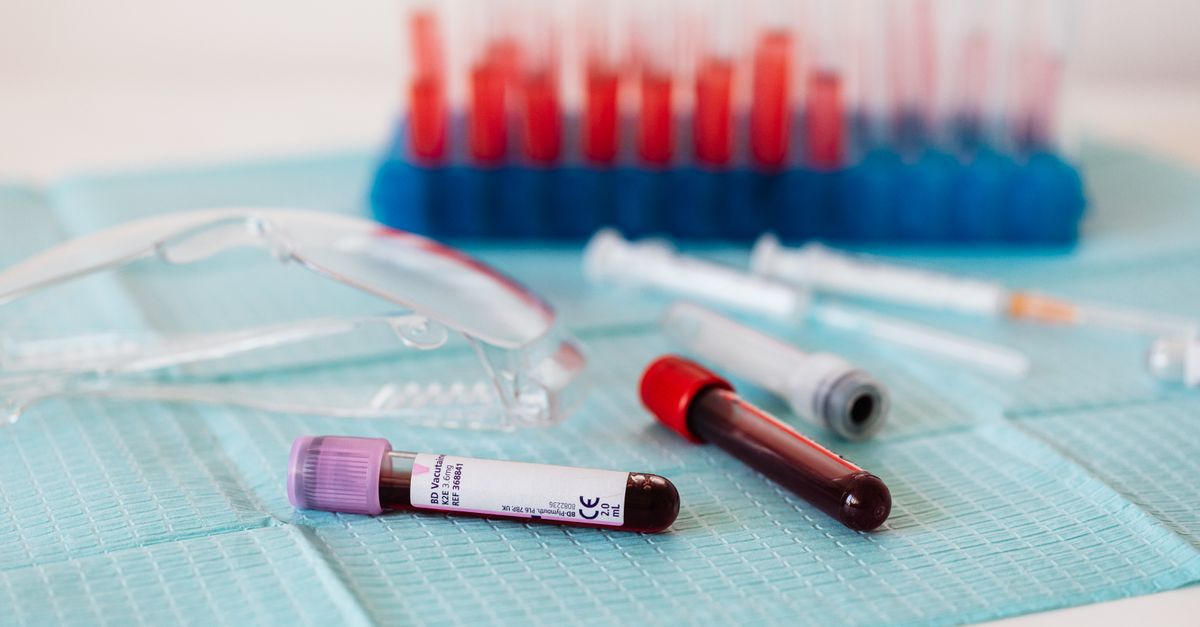
What Causes Low B12 in Women?
Low B12 in women most often stems from poor dietary intake, impaired gastric absorption, or an autoimmune attack on intrinsic factor — but genetic methylation variants (MTHFR) and commonly prescribed medications can amplify every one of those mechanisms. The caveat: a serum B12 in the lab's reference range does not rule out functional deficiency, which is why symptoms matter as much as numbers.
---
Why Women Are Disproportionately Affected
Vitamin B12 is absorbed through a tightly choreographed sequence: stomach acid frees the vitamin from food protein, intrinsic factor (produced by gastric parietal cells) binds it, and the ileum absorbs the complex. Women face several structural disadvantages along that chain.
Vegetarian and vegan diets. B12 exists almost exclusively in animal-sourced foods. Women in Western countries are about twice as likely as men to follow plant-based diets, placing them at higher baseline risk. A large cross-sectional study of 689 adults found that vegans had mean serum B12 concentrations nearly 50% lower than omnivores, with 52% meeting criteria for deficiency (Rizzo et al., Nutrients 2016; PMID: 27886135).
Autoimmune gastritis and pernicious anemia. Anti-parietal-cell antibodies and anti-intrinsic-factor antibodies are significantly more prevalent in women and rise with age. Pernicious anemia, the classic end-stage presentation, carries a female-to-male ratio of roughly 1.6:1 (Lahner & Annibale, World J Gastroenterol 2009; PMID: 19764089).
Oral contraceptives and metformin. Both are overwhelmingly used by women. The Nurses' Health Study II and subsequent meta-analyses confirm oral contraceptive users have meaningfully lower circulating B12, likely through altered binding-protein dynamics (Lussana et al., Contraception 2003; PMID: 14636934). Metformin — used heavily in PCOS management — blocks ileal absorption of the B12-intrinsic-factor complex in a dose-dependent fashion.
PCOS and thyroid disease. Women with PCOS face a specific B12 vulnerability worth understanding in detail, particularly when metformin is part of their treatment. Hypothyroidism, which affects women at 5–8 times the male rate, also slows gastric acid production, reducing B12 liberation from food.
Pregnancy and lactation. Fetal demands draw down maternal stores rapidly. Suboptimal B12 during pregnancy is linked to neural tube defects and adverse neurodevelopmental outcomes, making pre-conception optimization especially important.
---
Symptoms That Show Up Before the Number Crashes
Functional B12 deficiency — where cellular methylation and myelin synthesis are impaired despite a serum level still reading within range — produces a recognizable cluster:
- Fatigue and exercise intolerance out of proportion to hemoglobin
- Peripheral tingling or numbness (often hands and feet first)
- Cognitive slowing, word-retrieval difficulty, or brain fog
- Glossitis (a painful, smooth, bright-red tongue)
- Mood instability or low-grade depression
- Elevated homocysteine or methylmalonic acid on organic acid panels
If you recognize several of these alongside borderline labs, the broader picture of why normal-looking B12 can still leave you feeling awful is worth reviewing — functional markers like homocysteine and methylmalonic acid tell a different story than serum B12 alone.
---
I Started B12 Injections and Vitamin D — Why Do I Still Have Muscle Soreness and Cramps?
This is one of the most common experiences women report in the first weeks of B12 repletion: you begin hydroxocobalamin or cyanocobalamin injections, add oral vitamin D, and instead of feeling better you develop new muscle aches, cramping, and sometimes a wired-but-tired feeling. What is happening?
Cofactor redistribution. Rapid B12 repletion accelerates methylation and nucleotide synthesis, which sharply increases demand for cofactors that were already marginal:
| Cofactor | Why demand rises with B12 repletion | Common deficit sign |
|---|---|---|
| Folate (5-MTHF) | B12 and folate share the methylation cycle; B12 repletion unmasks latent folate insufficiency | Mouth sores, continued fatigue |
| Potassium | Cell replication ramps up; potassium floods into newly dividing cells | Cramps, palpitations, weakness |
| Magnesium | ATP synthesis and nerve-conduction support; also a cofactor in vitamin D activation | Muscle cramps, poor sleep, headache |
| Iron | Red cell production accelerates once B12 is available; iron is rapidly consumed | Fatigue that doesn't lift, pallor |
Vitamin D activation and magnesium depletion. Oral vitamin D3 is metabolized in the liver and kidney by magnesium-dependent hydroxylase enzymes. Starting D3 alongside B12 can therefore deplete magnesium faster than dietary intake replenishes it — a mechanism supported by Uwitonze & Razzaque (J Am Osteopath Assoc 2018; PMID: 29480918). The result is muscle cramps and soreness that feel paradoxically worse after supplementation begins.
What to do: Before assuming the injection is wrong, ensure adequate folate (as methylfolate, not folic acid if MTHFR variants are suspected), magnesium, potassium from food or supplementation, and iron. Most practitioners now recommend at least two weeks of a complete B-complex alongside B12 monotherapy to prevent this unmask effect. Confirm ferritin is above 30 ng/mL — low iron is its own contributor to chronic low energy and fatigue that B12 alone won't fix.
---
Digestive Symptoms That Keep Piling Up Despite Every Intervention
A subset of women report that no matter what they do — digestive enzymes, probiotics, low-acid protocols, fermented foods — gut symptoms keep accumulating. When this pattern coexists with low B12, the connection usually runs through gastric acid insufficiency rather than excess.
Hypochlorhydria (low stomach acid) is the underlying condition that simultaneously:
- Impairs B12 liberation from food protein
- Reduces ionized mineral absorption (zinc, iron, magnesium)
- Allows small intestinal bacterial overgrowth (SIBO), which itself consumes luminal B12
- Creates bloating, early satiety, and erratic stool patterns
Adding fermented foods or probiotics to a SIBO-positive gut often worsens symptoms transiently because it increases total microbial fermentation before the environment is corrected. The clinical sequence that tends to work is: identify and treat SIBO, support stomach acid (betaine HCl trial under guidance), then reintroduce fermented foods gradually. B12 will only absorb orally at pharmacological doses (1,000 mcg/day passively absorbed, bypassing intrinsic factor) or through injection until gastric function is restored.
Low zinc also disrupts gastric parietal cell function — understanding what drives low zinc in women can reveal an upstream driver of the whole cascade.
---
Molybdenum for Women: An Overlooked Cofactor in B12 Metabolism
Molybdenum rarely appears in mainstream supplement discussions, but it is directly relevant to women managing B12 deficiency, especially those with histamine intolerance or sulfur sensitivity.
Molybdenum is the cofactor for sulfite oxidase, the enzyme that converts sulfite (a sulfur metabolism byproduct) to sulfate. Inadequate molybdenum leads to sulfite accumulation, which:
- Directly degrades cobalamin (the B12 molecule) in tissues, reducing its bioavailability even after repletion
- Drives histamine-like symptoms: flushing, headaches, nasal congestion
- Worsens sensitivity to sulfur-rich foods (eggs, onions, garlic, cruciferous vegetables)
The Adequate Intake for molybdenum is 45 mcg/day; the Tolerable Upper Intake Level is 2,000 mcg/day, making it a wide therapeutic window (NIH Office of Dietary Supplements). Dietary sources are highly dependent on soil content — women eating predominantly processed or low-variety diets may not reach AI levels consistently.
For women doing B12 injections who notice worsening histamine-type symptoms, molybdenum supplementation (typically 150–500 mcg) is worth investigating with a practitioner, particularly if sulfur-rich foods reliably trigger symptoms.
---
Testing Beyond Serum B12
Serum cobalamin alone misclassifies a meaningful proportion of cases in both directions. A more complete panel includes:
- Methylmalonic acid (MMA): Rises specifically when B12-dependent enzymes stall; the most sensitive functional marker
- Homocysteine: Elevated when B12 and/or folate and/or B6 are insufficient — non-specific but highly actionable
- Holotranscobalamin (active B12): Measures the biologically available fraction; often falls before total serum B12 does
- MTHFR genotyping: C677T and A1298C variants reduce conversion of folate and interact with B12 methylation demand
- Ferritin and iron saturation: Concurrent iron deficiency contributes to many overlapping symptoms and must be excluded
A 2003 prospective study of 406 adults found that MMA and homocysteine identified functional B12 deficiency in individuals whose serum B12 was still within the conventional reference interval (Herrmann & Geisel, Clinica Chimica Acta 2002; PMID: 12034144).
---
What This Means for Your Formula
Ones uses an AI health practitioner to analyze uploaded blood work, wearable data, and health history before recommending a custom daily capsule formula. For women presenting with low or borderline B12, that analysis looks at the context around the number — MTHFR data, ferritin, homocysteine, folate status, and any medications reported.
Specific Ones ingredients directly relevant to this topic:
Methylcobalamin (active B12): Included as the coenzyme form that does not require conversion steps that MTHFR variants can impair. Doses are calibrated to the degree of deficit signaled by lab findings rather than a flat population average.
Methylfolate (5-MTHF): Ones includes methylfolate alongside cobalamin — specifically to prevent the cofactor redistribution issue described above, where rapid B12 repletion unmasks folate insufficiency. The methylfolate dose in a formula is set to complement, not merely accompany, the B12 dose.
Magnesium Glycinate: Because vitamin D co-supplementation (common in women with B12 deficiency) is magnesium-dependent, Ones formulas that pair D3+K2 with B12-supporting nutrients include Magnesium Glycinate at clinically relevant doses. Magnesium glycinate is selected specifically for its high bioavailability and low likelihood of GI side effects, which matter in a population already managing digestive sensitivity.
For women whose digestive symptoms suggest SIBO or hypochlorhydria, Ones can incorporate Liver Support or digestive-focused System Blends that address upstream absorption — because correcting B12 delivery matters as much as the dose itself.
---
Key Takeaways
- The most common causes of low B12 in women are plant-based diets, autoimmune gastritis/pernicious anemia, oral contraceptive use, metformin therapy (especially in PCOS), and hypothyroidism-related hypochlorhydria.
- Serum B12 alone is insufficient for ruling out deficiency — methylmalonic acid, homocysteine, and holotranscobalamin provide a fuller picture of functional status.
- Starting B12 injections without addressing cofactors — particularly folate, magnesium, potassium, and iron — can cause new muscle cramps, soreness, and paradoxical fatigue as cell replication ramps up.
- Vitamin D supplementation increases magnesium demand through magnesium-dependent activation enzymes; cramping after starting D3 alongside B12 is a recognizable pattern that warrants magnesium assessment.
- Molybdenum is an underappreciated cofactor for women with B12 deficiency and concurrent histamine symptoms or sulfur sensitivity, because sulfite oxidase depends on molybdenum to prevent cobalamin degradation.
- Persistent digestive symptoms alongside low B12 often trace back to hypochlorhydria or SIBO — adding more fermented foods or probiotics without addressing the root environment rarely resolves either problem.
---
The information in this article is educational and does not constitute medical advice. Consult a qualified healthcare provider before making changes to your supplement regimen or interpreting laboratory results.