Vitamins
What Happens to Vitamin B12 Levels When You Have PCOS?
Women with PCOS face a strikingly elevated risk of vitamin B12 deficiency — not just from metformin, but from the metabolic and gut disruptions that define the condition itself. Deficiency can amplify fatigue, worsen homocysteine levels, and impair ovulatory function. Understanding the full mechanism is the first step to correcting it.
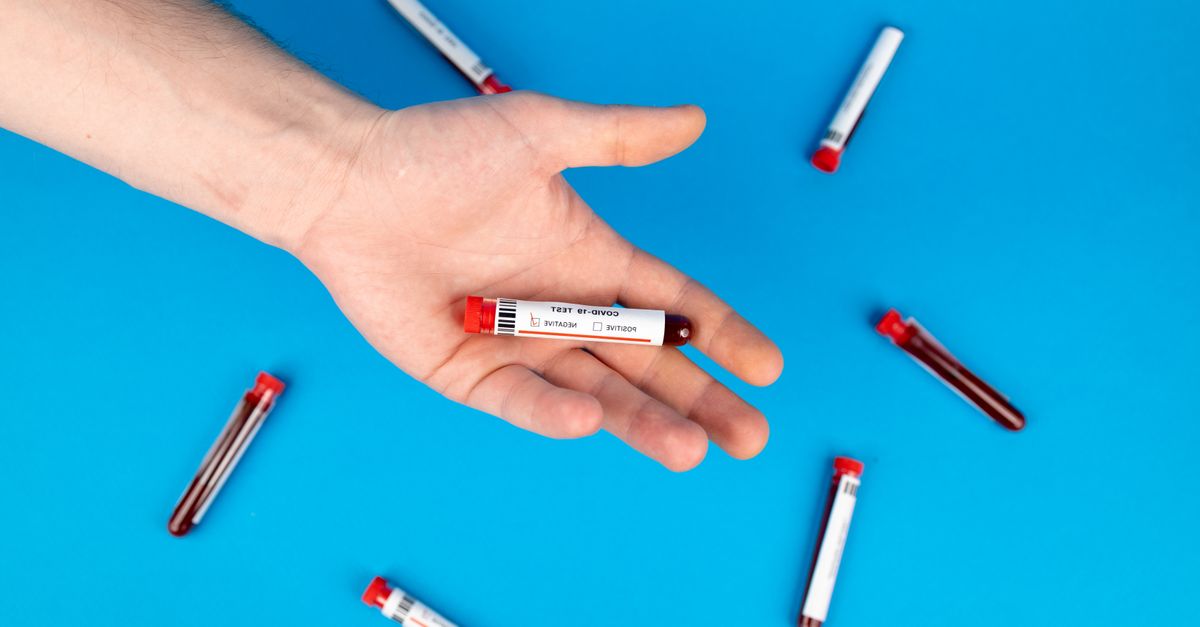
What Happens to Vitamin B12 Levels When You Have PCOS?
B12 levels are frequently lower in people with PCOS, and the cause is usually layered: metformin use blocks intestinal B12 absorption, insulin resistance alters cellular uptake, and higher rates of gut dysbiosis in PCOS further reduce intrinsic factor availability. The main caveat is that not everyone with PCOS will be deficient — women who aren't on metformin and have no gut issues may test normal. Testing serum B12 and methylmalonic acid (MMA) together is the only reliable way to know your actual status.
---
Why PCOS Creates the Perfect Storm for B12 Depletion
Polycystic ovary syndrome is primarily a hormonal and metabolic condition, but its downstream effects on the gut and cellular machinery make B12 deficiency significantly more likely than in the general population. Several mechanisms converge:
Metformin is the biggest driver. Metformin is the first-line medication prescribed for insulin resistance in PCOS, used by a large proportion of women with the condition. It depletes B12 by competing with the calcium-dependent ileal receptor that absorbs the vitamin B12–intrinsic factor complex. A landmark study in the Journal of Clinical Endocrinology & Metabolism found that metformin use was associated with a 19% reduction in serum B12 levels, with deficiency rates increasing significantly after 4 or more years of use (de Jager et al., 2010; PMID: 19903745). That same cohort showed metformin users had meaningfully elevated homocysteine — a downstream consequence of inadequate B12 methylation. A separate randomized controlled trial confirmed that supplementing 1,000 mcg/day of oral B12 in metformin-treated patients partially reversed this rise in homocysteine within 16 weeks (Wile & Toth, 2010; PMID: 20488910).
The dose-dependency matters clinically. Women on higher metformin doses (≥2,000 mg/day) show steeper B12 declines than those on 500–1,000 mg/day, meaning that if your prescriber has escalated your metformin over time, your depletion risk has likely grown in parallel — even if your last B12 test was normal two years ago.
Insulin resistance itself impairs B12 metabolism. Even without metformin, the insulin-resistant cellular environment characteristic of PCOS appears to disrupt how B12 is transported and utilized at the tissue level. Researchers have observed lower serum B12 concentrations in insulin-resistant women independent of medication use, possibly because hyperinsulinemia shifts the balance of transcobalamin II — the transport protein responsible for delivering B12 into cells after absorption (Krishnaveni et al., 2009; PMID: 19515597). Transcobalamin II is synthesized partly in response to insulin signaling; when that signaling is blunted, delivery of B12 to rapidly dividing cells (including ovarian granulosa cells) is compromised even when gut absorption is intact.
Gut dysbiosis reduces intrinsic factor output. PCOS is strongly associated with altered gut microbiome composition and higher rates of intestinal permeability. Because B12 absorption in the ileum depends entirely on intrinsic factor — a protein secreted by gastric parietal cells — anything that disrupts gastric or gut function can reduce how much B12 makes it past the gut wall. Metagenomic studies have shown that women with PCOS have significantly reduced populations of Lactobacillus and Bifidobacterium and elevated Escherichia and Shigella, microbial shifts that correlate with impaired gastric acid secretion and lower intrinsic factor production (Lindheim et al., 2017; PMID: 28282773). This doesn't show up in standard serum B12 tests until deficiency is already clinically significant.
Higher prevalence of low-grade inflammation. Chronic low-grade inflammation, another hallmark of PCOS, can suppress the production of intrinsic factor and increase B12 turnover, meaning your body burns through more B12 than a non-inflamed person would at baseline. Elevated CRP and interleukin-6 — both commonly elevated in PCOS — have been shown to downregulate gastric parietal cell function in animal models, and epidemiologically, women with higher inflammatory markers in PCOS score lower on functional B12 markers.
For context on how other hormonal markers shift in PCOS, understanding what happens to estradiol levels in PCOS helps illustrate how deeply interconnected these deficiencies are with the broader hormonal picture.
---
Vitamin B12 Benefits: Why This Deficiency Matters in PCOS
B12 is involved in two critical enzymatic reactions in the human body. First, it is a cofactor for methionine synthase, which converts homocysteine to methionine — a fundamental step in the methylation cycle that affects DNA repair, neurotransmitter synthesis, and gene expression. Second, it is a cofactor for methylmalonyl-CoA mutase, which processes odd-chain fatty acids and helps maintain the myelin sheaths around nerves.
When B12 falls short in PCOS, the consequences compound the condition itself:
- Elevated homocysteine — already a risk in PCOS due to insulin resistance — rises further, increasing cardiovascular and thrombotic risk (Wijnen et al., Atherosclerosis 2017; doi.org/10.1016/j.atherosclerosis.2017.01.013)
- Neurological symptoms including peripheral neuropathy, tingling, and fatigue become more prominent
- Mood dysregulation worsens, as B12 is required for serotonin and dopamine synthesis via the methylation pathway
- Ovulatory function may be further impaired — hyperhomocysteinemia is independently associated with poor oocyte quality and reduced fertilization rates in women undergoing IVF
- PCOS-related fatigue becomes harder to distinguish from thyroid or iron issues, delaying correct treatment
This is also why what happens to HbA1c when you have PCOS matters in parallel — elevated HbA1c often tracks with longer metformin exposure, which in turn predicts deeper B12 depletion over time.
---
How to Know If You're Actually Deficient: Testing Beyond Serum B12
Standard serum B12 is a blunt instrument. Labs typically flag deficiency below 200 pg/mL, but functional deficiency — where cells are starved of B12 even though serum levels look acceptable — can occur at levels as high as 400 pg/mL. Two additional markers close this gap:
| Marker | What It Reveals | Optimal Range |
|---|---|---|
| Serum B12 | Total circulating B12 (bound + free) | >400 pg/mL functional target |
| Methylmalonic acid (MMA) | Elevated when B12-dependent enzymes are impaired | <0.27 μmol/L |
| Holotranscobalamin (holoTC) | Active, cell-deliverable fraction of B12 | >50 pmol/L |
| Homocysteine | Rises when methylation is B12-limited | <10 μmol/L |
Of these, holotranscobalamin is the earliest functional marker to drop when B12 status is declining, often weeks before MMA rises or serum B12 falls below the reference range. If your lab doesn't offer holoTC, pairing MMA with homocysteine gives you a functional picture that serum B12 alone cannot.
For women on metformin, current evidence supports checking serum B12 (and ideally MMA) every 12 months, and more frequently — every 6 months — if you've been on metformin for more than 3 years or are on doses above 1,500 mg/day.
---
Vitamin B12 Dosage: Oral vs. Injection and the Cofactor Question
One of the most common points of confusion for women newly starting B12 supplementation or injections is why they feel sore, crampy, or worse in the days after starting — and what cofactors they need to make B12 actually work.
Form and dose matter. For most people with PCOS-related B12 insufficiency (serum B12 between 200 and 400 pg/mL), oral methylcobalamin at 1,000 mcg/day is sufficient to restore functional status within 8–12 weeks, provided gut absorption is intact. The methylcobalamin form is preferred over cyanocobalamin because it is already in the active, tissue-usable form and bypasses the hepatic conversion step that cyanocobalamin requires — a conversion that can be impaired in people with MTHFR polymorphisms, which are more prevalent in women with PCOS.
For women with documented malabsorption, atrophic gastritis, or very low serum B12 (<200 pg/mL), intramuscular injections of hydroxocobalamin or methylcobalamin at 1,000 mcg — typically given daily for 7 days as a loading course, then monthly — bypass the gut entirely and replicate serum concentrations that oral supplements cannot achieve as quickly.
The cofactor issue: why you feel sore after starting B12 injections. When B12 is reintroduced rapidly — especially via injection — it accelerates the methylation cycle and drives a surge in cellular activity. This creates sudden, heightened demand for cofactors that were already borderline-depleted:
- Folate (5-MTHF): Methionine synthase requires both B12 and methylfolate simultaneously. If folate is low, B12 supplementation can cause a functional folate trap — folate gets stuck in an unusable form, paradoxically worsening methylation.
- Magnesium: Required for over 300 enzymatic reactions, including ATP synthesis and the methylation reactions that B12 enables. Magnesium depletion is extremely common in PCOS due to insulin-driven urinary losses, and ramping up B12 without replenishing magnesium can leave you crampy and fatigued.
- Potassium: Large, rapid B12 loading doses (particularly IM injections) can shift potassium intracellularly as cell proliferation accelerates — a phenomenon sometimes called "hypokalemia of repletion" — producing muscle cramping, weakness, and palpitations in the first 1–2 weeks.
- Vitamin B6 (P5P form): Works downstream in the methylation cycle to convert homocysteine to cystathionine via the transsulfuration pathway. Without adequate B6, homocysteine may spike transiently even as B12 levels rise.
The practical protocol: if you've started B12 injections and are experiencing body soreness, cramps, or fatigue, do not stop the B12. Instead, add methylfolate (400–800 mcg/day), magnesium glycinate (300–400 mg at night), and ensure adequate dietary potassium. Most cofactor-related symptoms resolve within 2–3 weeks once the system reaches equilibrium.
For a deeper look at how B12 behaves when the gut is compromised, the clinical guide to B12 on an empty stomach covers absorption mechanics and timing in detail.
---
Does Stress Make B12 Depletion Worse in PCOS?
Many women with PCOS report that stress is a significant trigger for flare-ups — heavier or missed periods, worsening acne, energy crashes. There is a direct biochemical link between stress and B12 status that is underappreciated.
Chronic psychological stress activates the HPA axis and drives sustained cortisol elevation. Cortisol accelerates whole-body methylation demand because the synthesis of cortisol itself, as well as the downstream production of epinephrine from norepinephrine, is methylation-dependent. More methylation activity means faster B12 and folate consumption. In women already at the edge of B12 sufficiency due to PCOS-related mechanisms, a period of high stress can push them into frank functional deficiency within weeks.
Additionally, stress-related gut changes — reduced gastric acid secretion, increased gut permeability, altered motility — directly compromise intrinsic factor output and therefore B12 absorption. This is why stress management is not just psychological self-care in PCOS; it is a metabolic intervention that preserves B12 and methylation capacity.
Women who are managing PCOS and notice symptom clustering around high-stress periods should treat those windows as a signal to audit their B12 and folate status, not just their cortisol. And because the thyroid-adrenal axis is also implicated, reviewing what happens to TSH levels in PCOS gives additional context on why energy and mood deteriorate so rapidly under stress in this population.
Hormone-related context also extends to androgen shifts: for example, what happens to DHEA-S levels in PCOS can help explain why adrenal stress response compounds B12 demand differently in PCOS versus other hormonal conditions.
---
What This Means for Your Formula
Ones analyzes lab markers — including B12, homocysteine, MMA where available — alongside wearable data and health history to identify where your methylation cycle is breaking down. Rather than defaulting to a generic B12 supplement, the AI looks at the full upstream picture.
For women in the PCOS and metformin context, Ones formulas may include:
- Methylcobalamin (active B12): Dosed at clinically relevant levels matching the 1,000 mcg/day range used in metformin-depletion trials, in the methylcobalamin form that bypasses conversion steps impaired by common MTHFR variants.
- Magnesium Glycinate (via Ones' Magnesium Complex): At 300–400 mg elemental magnesium, addressing the cofactor depletion that causes the cramping and soreness many women experience when B12 supplementation is introduced without supporting minerals. Magnesium is a direct cofactor for the methyltransferase enzymes that B12 activates.
- Endocrine Support blend: For women whose B12 depletion is compounded by stress-driven HPA activation, Ones' Endocrine Support addresses the cortisol-driven methylation demand that accelerates B12 turnover — targeting the mechanism, not just the downstream deficiency.
Formulas are delivered as 6 or 9-capsule daily plans, and the plan structure is determined by what the AI identifies from your data — you don't choose your capsule count, the clinical picture does.
---
Key Takeaways
- B12 deficiency in PCOS is driven by at least four converging mechanisms: metformin-induced absorption block, insulin resistance impairing transcobalamin delivery, gut dysbiosis reducing intrinsic factor output, and inflammation increasing B12 turnover.
- Serum B12 alone is an unreliable measure — pair it with methylmalonic acid (MMA) and homocysteine for functional status; holotranscobalamin is the earliest marker to drop.
- Women on metformin for more than 3 years or at doses above 1,500 mg/day should test B12 every 6 months, not annually.
- Soreness, cramps, and fatigue after starting B12 injections are usually a cofactor issue — folate, magnesium, potassium, and B6 all need to keep pace with accelerated methylation.
- Chronic stress directly depletes B12 by increasing methylation demand and impairing gastric acid and intrinsic factor secretion — stress management has direct metabolic consequences in PCOS.
- Active forms (methylcobalamin, methylfolate) are preferred over cyanocobalamin and folic acid in women with PCOS, particularly those with MTHFR polymorphisms, which are overrepresented in this population.