Women's Health
What Causes Low Fasting Glucose in Women?
Low fasting glucose is more common in women than most people realize, and it can cause fatigue, brain fog, and anxiety that look identical to a dozen other conditions. Understanding the root cause — not just the number — is what determines the right fix.
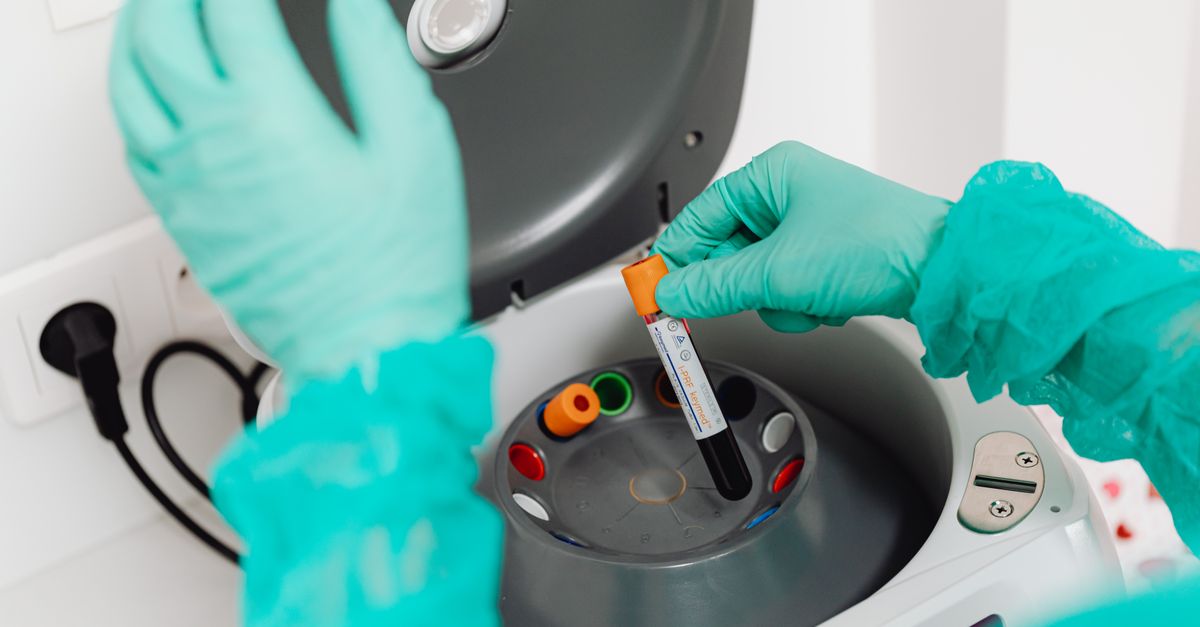
What Causes Low Fasting Glucose in Women?
Low fasting glucose (typically below 70 mg/dL, though symptoms often begin under 80 mg/dL) is usually caused by over-restriction of carbohydrates, prolonged fasting, reactive hypoglycemia, or inadequate cortisol response — not insulin resistance in reverse. The main caveat: a glucose reading in the 60s without symptoms in a lean, healthy woman is a different clinical picture than the same number with morning shakiness, anxiety, or brain fog. Exceptions include women with certain hormonal conditions or adrenal insufficiency, who need medical evaluation.
---
Why Fasting Glucose Matters More Than People Think
Most health content focuses on high blood sugar. But low fasting glucose — a reading under 70 mg/dL, or even a "low normal" reading under 80 mg/dL accompanied by symptoms — creates its own cascade of problems. For women especially, the hormonal interplay between cortisol, estrogen, progesterone, and insulin makes glucose regulation particularly nuanced.
Fasting glucose is measured after at least 8 hours without caloric intake. It reflects how well your liver, pancreas, and stress hormone system maintained blood sugar overnight. When that system falters — for any of several reasons — the result can be morning fatigue, heart palpitations, difficulty concentrating, irritability, and anxiety that feel impossible to trace back to a blood sugar issue.
According to data from the National Health and Nutrition Examination Survey (NHANES), hypoglycemic episodes are underreported in non-diabetic women, partly because the symptoms overlap so heavily with anxiety, thyroid dysfunction, and hormonal imbalance (Centers for Disease Control and Prevention, NHANES 2017–2018 data release).
---
The Most Common Causes of Low Fasting Glucose in Women
1. Prolonged Overnight Fasting or Intermittent Fasting Without Adequate Glycogen Stores
Women who follow aggressive intermittent fasting protocols — 16:8 or longer — without sufficient carbohydrate intake at their last meal frequently deplete hepatic glycogen overnight. The liver normally releases glucose via glycogenolysis and gluconeogenesis during the fasted state. If glycogen stores are low to begin with, fasting glucose the next morning can drop below 70 mg/dL.
This is not inherently dangerous in every case, but research published in Cell Metabolism (Lowe et al., 2020; PMID: 32673591) found that women responded differently than men to time-restricted eating, with a subset showing greater glucose variability and morning hypoglycemia, particularly in the luteal phase of the menstrual cycle.
2. Reactive Hypoglycemia (Postprandial Hypoglycemia)
Reactive hypoglycemia occurs when a large insulin spike following a high-carbohydrate meal overshoots glucose clearance, leaving blood sugar abnormally low 2–4 hours later. If this happens late in the evening, fasting glucose the next morning can appear low as a residual effect.
Women with PCOS, insulin resistance, or early-stage metabolic dysfunction are particularly prone to this pattern. Interestingly, their fasting insulin may be elevated even when fasting glucose is low or normal — a situation worth exploring through a full metabolic panel. For more context on what low insulin levels actually mean, understanding low fasting insulin patterns in women can clarify when low glucose is paired with low versus high insulin.
3. Adrenal Insufficiency or Low Cortisol Response
Cortisol is a primary counterregulatory hormone — it stimulates gluconeogenesis in the liver to raise blood sugar during fasting. Women with subclinical adrenal dysfunction, burnout-related HPA axis suppression, or diagnosed adrenal insufficiency often have blunted morning cortisol responses, which directly impairs the liver's ability to maintain fasting glucose.
The connection between low cortisol and hypoglycemia is well established (Chrousos, 2009; PMID: 19845951). Even sub-clinical or functional HPA dysregulation — not full Addison's disease — can produce fasting glucose in the 65–75 mg/dL range with accompanying symptoms.
4. Hormonal Fluctuations Across the Menstrual Cycle
Estrogen enhances insulin sensitivity, particularly during the follicular phase. During the luteal phase, progesterone partially offsets this effect. Women who have low progesterone relative to estrogen can experience pronounced glucose dips, particularly overnight and in the early morning.
Low progesterone in women is worth investigating if low fasting glucose consistently correlates with the second half of the cycle. This hormonal driver is frequently missed because it doesn't fit the "diabetic" or "fasting" narrative that most clinicians apply to hypoglycemia.
5. Thyroid Dysfunction
Hypothyroidism slows gluconeogenesis and reduces glycogenolysis — both processes the body depends on to maintain fasting glucose. Women with hypothyroidism or Hashimoto's thyroiditis sometimes present with low or low-normal fasting glucose alongside classic thyroid symptoms like fatigue, cold intolerance, and weight gain.
Low thyroid function in women is one of the most underdiagnosed contributors to metabolic irregularities, including both low fasting glucose and impaired glucose clearance. TSH, free T3, and free T4 should be part of any workup for unexplained hypoglycemia.
6. Nutritional Deficiencies and Extreme Caloric Restriction
Women following very low-calorie diets or restrictive eating patterns can develop low fasting glucose simply through substrate depletion. Without adequate protein and carbohydrate intake, gluconeogenesis has little to work from. This is particularly common in women who combine caloric restriction with high-intensity exercise.
Vitamin D deficiency has also been linked to impaired beta-cell function and insulin dysregulation. Research from the Endocrine Society (Pittas et al., 2019; PMID: 30904412) demonstrated that vitamin D supplementation improved insulin secretion in those with deficiency, suggesting a bidirectional relationship between micronutrient status and glucose homeostasis.
7. Excessive Alcohol or Caffeine Use
Alcohol suppresses gluconeogenesis in the liver, and heavy drinking — even a single heavy episode the night before — can cause fasting glucose to be measurably low the next morning. Caffeine, conversely, can transiently raise glucose but also increases cortisol, which over time contributes to adrenal dysregulation and secondary glucose instability.
---
Symptoms That Accompany Low Fasting Glucose
Low fasting glucose does not always cause symptoms — but when it does, the presentation in women often includes:
- Morning anxiety, heart palpitations, or shakiness before eating
- Brain fog that clears after breakfast
- Waking between 2–4 AM (a known cortisol-driven attempt to raise blood sugar)
- Irritability or mood instability that improves after eating
- Fatigue disproportionate to sleep quality
- Headaches before the first meal
These symptoms frequently get attributed to anxiety, poor sleep, or "just stress" — which is why tracking fasting glucose in context with symptom logs is so valuable.
---
Diagnosing the Root Cause: What Labs to Run
A single fasting glucose number tells you something went wrong overnight. It doesn't tell you why. A complete diagnostic picture should include:
| Lab Test | Why It Matters |
|---|---|
| Fasting glucose | Baseline glycemic status |
| Fasting insulin | Distinguishes hyperinsulinemic from adrenal/nutritional hypoglycemia |
| HbA1c | Average glucose over 90 days |
| Morning cortisol (8 AM) | Evaluates adrenal counterregulatory function |
| Free T3, Free T4, TSH | Rules out thyroid-driven glucose dysregulation |
| Estradiol + Progesterone | Cycle-phase-specific hormonal drivers |
| Vitamin D (25-OH) | Insulin secretion and sensitivity co-factor |
| DHEA-S | Adrenal reserve marker |
For women whose workup reveals low DHEA-S alongside low fasting glucose, low DHEA-S in women explains the adrenal axis in more detail and what it means for overall hormone balance.
---
Lifestyle and Nutritional Protocols to Stabilize Fasting Glucose
Once the root cause is identified, management strategies typically include:
- Increase carbohydrate intake at the final meal of the day — a moderate serving of complex carbohydrates (sweet potato, oats, legumes) before bed helps sustain hepatic glycogen overnight.
- Avoid alcohol within 3 hours of sleep — to preserve gluconeogenesis overnight.
- Moderate fasting windows — women with low fasting glucose generally do better with a 12–13 hour fast rather than 16+ hours.
- Support adrenal function — through stress management, adequate sleep, and targeted supplementation if cortisol is confirmed low.
- Address hormonal imbalances — with guidance from a healthcare provider when estrogen/progesterone ratios are confirmed as the driver.
- Optimize vitamin D and magnesium — both are cofactors in insulin secretion and glucose metabolism.
For a step-by-step approach, how to raise low fasting glucose safely covers the full dietary and lifestyle protocol in detail.
---
What This Means for Your Formula
When low fasting glucose is driven by adrenal dysfunction or HPA axis dysregulation, targeted supplementation can play a meaningful supporting role alongside dietary changes. Ones analyzes blood work, wearable data, and symptom patterns together to identify whether low fasting glucose reflects an adrenal, thyroid, hormonal, or nutritional root cause — and builds a formula accordingly.
For women whose low glucose traces back to adrenal insufficiency or chronic stress, Ones includes Ashwagandha (KSM-66 at 600 mg) — the most clinically validated adaptogen for HPA axis modulation. A randomized controlled trial in Medicine (Pratte et al., 2014; PMID: 25405876) found KSM-66 significantly reduced serum cortisol and stress scores over 60 days, supporting a more regulated cortisol awakening response — which directly benefits overnight glucose maintenance.
For thyroid-driven glucose dysregulation, Ones includes its Thyroid Support blend, which provides cofactors like selenium, iodine, and zinc to support T3/T4 production and conversion. These nutrients are frequently depleted in women with Hashimoto's and subclinical hypothyroidism.
For vitamin D insufficiency — a consistent co-factor in insulin dysregulation — Ones includes Vitamin D3 + K2 (MK-7) dosed to clinical ranges based on each user's actual 25-OH vitamin D level, not a generic one-size-fits-all amount. This distinguishes Ones from off-the-shelf supplements that apply the same dose regardless of baseline status.
Formulas are built as 6 or 9-capsule daily plans, with the capsule budget determined by the AI based on what your data actually shows — not by which tier you select.
---
Key Takeaways
- Low fasting glucose in women (below 70–80 mg/dL with symptoms) is most commonly caused by overnight glycogen depletion, reactive hypoglycemia, adrenal insufficiency, or hormonal fluctuations — not simply "eating too little sugar."
- The luteal phase of the menstrual cycle increases susceptibility to low fasting glucose due to estrogen-progesterone shifts in insulin sensitivity.
- Low morning cortisol is a frequently missed driver: cortisol is essential for hepatic gluconeogenesis overnight.
- Thyroid dysfunction, particularly hypothyroidism and Hashimoto's, slows both glycogenolysis and gluconeogenesis, contributing to low fasting readings.
- A complete workup should include fasting insulin, morning cortisol, thyroid panel, vitamin D, and sex hormone levels — not just glucose alone.
- Dietary interventions (evening complex carbs, shorter fasting windows) combined with targeted supplementation addressing the root cause are more effective than treating the glucose number in isolation.
---
This article is for informational purposes only and does not constitute medical advice. Consult a qualified healthcare provider for diagnosis and treatment of hypoglycemia or any related condition.