Women's Health
What Causes Night Sweats in PCOS?
Night sweats are surprisingly common in women with PCOS, yet they're rarely discussed at appointments. The underlying drivers go beyond hormones alone — insulin resistance, cortisol dysregulation, and thyroid dysfunction all raise core body temperature and destabilize the thermoregulatory system. Getting the right lab markers checked is the fastest way to find your specific cause.
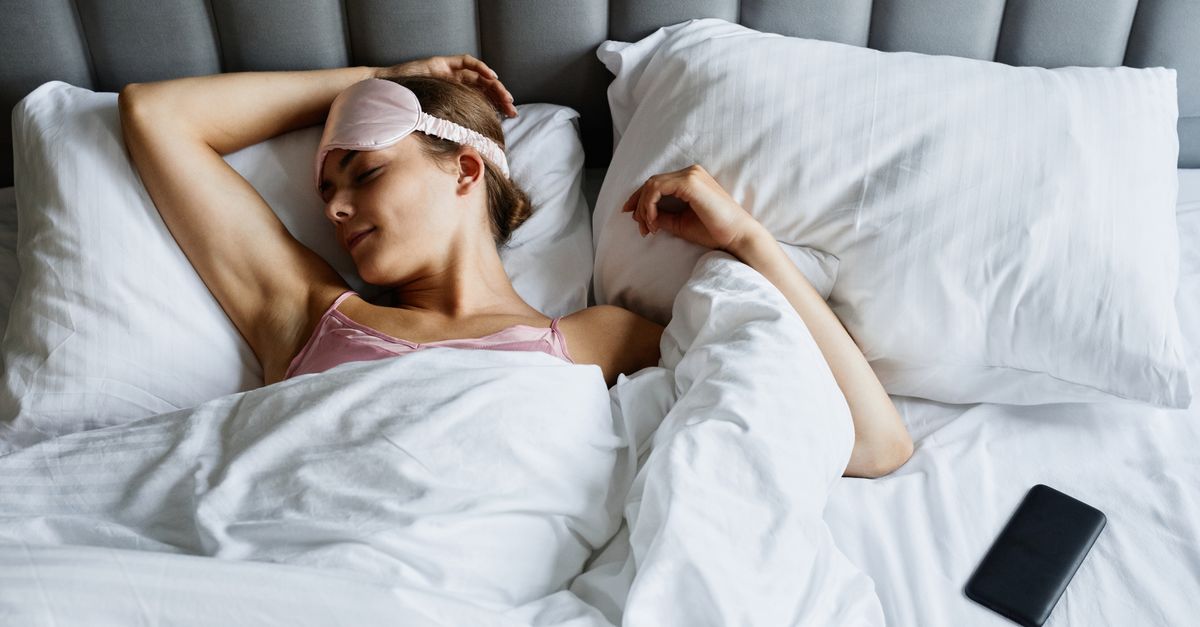
What Causes Night Sweats in PCOS?
Yes, PCOS can directly cause night sweats — and for most women with the condition, the trigger is insulin resistance or androgen-driven disruption of the hypothalamic thermostat rather than early menopause. The key caveat: night sweats in PCOS can also signal overlapping thyroid disease or cortisol dysfunction, both of which require different interventions. Women who are approaching perimenopause and also have PCOS face the most complex picture.
---
Why PCOS Creates the Conditions for Night Sweats
Polycystic ovary syndrome is fundamentally a metabolic and endocrine disorder, not just a reproductive one. The hormonal chaos it creates — elevated androgens, suppressed or erratic progesterone, and near-universal insulin resistance — disrupts the hypothalamus, the brain region that acts as the body's thermostat.
The hypothalamus sets a "thermoneutral zone" within which core temperature is held stable. Estrogen and progesterone both influence this zone. When progesterone drops (as it does during anovulatory cycles common in PCOS), the zone narrows. A narrower thermoneutral zone means smaller temperature fluctuations can trigger a sweating response — the same mechanism that explains what causes hot flashes in PCOS. Night sweats are effectively nocturnal hot flashes, triggered when the hypothalamus reads a false alarm and floods the skin with blood to cool down.
Research has confirmed that women with PCOS report vasomotor symptoms — including night sweats and hot flashes — at significantly higher rates than age-matched controls, even in their 20s and 30s (Deeks et al., Human Reproduction 2011; PMID: 21252145).
---
PCOS Root Causes That Drive Night Sweats
Understanding the root causes of PCOS itself helps explain why night sweats develop — and which biomarkers to prioritize.
1. Insulin Resistance and Hyperinsulinemia
Insulin resistance is present in 65–80% of women with PCOS regardless of body weight (Stepto et al., Human Reproduction 2013; PMID: 23322731). Chronically elevated insulin amplifies LH secretion and drives the ovaries to overproduce androgens. High androgens then interfere with hypothalamic signaling, destabilizing the thermoregulatory set point.
Insulin resistance also elevates inflammatory cytokines — TNF-α and IL-6 in particular — which independently raise core body temperature and activate sweat-gland pathways. Women with uncontrolled insulin resistance are essentially running a low-grade systemic inflammatory state that the hypothalamus interprets as metabolic stress, not unlike a mild fever. If your fasting glucose is creeping upward, that inflammatory load compounds the sweating. Understanding what causes high fasting glucose is a practical first step for many women who suspect insulin resistance is their primary driver.
2. Cortisol and HPA Axis Dysregulation
Women with PCOS show measurable HPA axis hyperactivity — higher baseline cortisol, exaggerated ACTH responses, and blunted overnight cortisol decline (Papadimitriou & Papageorgiou, Hormones 2010). Cortisol is a thermogenic hormone. When it fails to drop in the early morning hours (roughly 2–4 AM), core temperature stays elevated, crossing the threshold that triggers the sweating response. This is why many women with PCOS describe waking drenched between 2 and 4 AM specifically.
Chronic stress compounds this: high cortisol suppresses progesterone synthesis (the two share a common pregnenolone precursor), widening the estrogen-to-progesterone imbalance that narrows the thermoneutral zone. This is one reason that what causes exhaustion in PCOS and night sweats so frequently appear together — they share the same HPA root.
3. Androgen Excess
Elevated free testosterone and DHEA-S don't cause night sweats directly, but they do so indirectly by suppressing sex-hormone-binding globulin (SHBG), driving anovulation, and keeping progesterone perpetually low. Without adequate luteal-phase progesterone, the hypothalamus lacks the stabilizing signal it needs to maintain a comfortable thermoneutral zone overnight.
4. Body Composition and Adipose-Driven Estrogen
In women with higher body fat percentages, peripheral adipose tissue converts androgens into estrone — a weaker, more erratic form of estrogen. Estrone doesn't bind estrogen receptors as consistently as estradiol, so the hypothalamus receives inconsistent estrogenic signaling. The result is a thermoregulatory system that is essentially "flickering" — unpredictable sweating episodes, often worse in the second half of the night.
---
What Causes Hypothyroidism to Overlap With PCOS Night Sweats
Thyroid dysfunction and PCOS share overlapping epidemiology, and this overlap is clinically significant for night sweats. Hypothyroidism is present in roughly 22–26% of women with PCOS, compared to around 8% in the general female population (Janssen et al., European Journal of Endocrinology 2004; PMID: 15476449).
On the surface, hypothyroidism causes cold intolerance — not heat — which makes it seem like an unlikely cause of sweating. But subclinical hypothyroidism disrupts normal sleep architecture, raises sympathetic nervous system tone overnight, and impairs the liver's ability to metabolize estrogens efficiently. Poor estrogen clearance raises circulating estrogen metabolites, which paradoxically destabilize the thermostat rather than protect it.
More practically: when TSH is creeping above 2.5 mIU/L and Free T4 is at the low end of normal, many women experience disrupted, sweat-interrupted sleep even without obvious "thyroid symptoms" like fatigue or weight gain.
Key thyroid labs to request:
- TSH (optimal: 1.0–2.5 mIU/L)
- Free T4 and Free T3
- Reverse T3 (if fatigue is prominent)
- Thyroid peroxidase antibodies (TPOAb)
---
What Causes Hashimoto's to Worsen Night Sweats in PCOS
Hashimoto's thyroiditis — the autoimmune form of hypothyroidism — is the most common autoimmune condition in women with PCOS. The shared driver is likely chronic low-grade inflammation and immune dysregulation. In Hashimoto's, the immune system attacks thyroid tissue, causing fluctuating thyroid hormone output. These fluctuations — periods of transient hyperthyroid activity as damaged cells release stored T4, followed by dips — can cause episodic heat intolerance, racing heart, and drenching night sweats that look identical to perimenopausal hot flashes.
A woman with PCOS and undiagnosed Hashimoto's may attribute her night sweats entirely to PCOS when in fact thyroid antibody activity is the primary driver on any given night. Testing TPO antibodies (TPOAb) and thyroglobulin antibodies (TgAb) alongside a standard thyroid panel is essential if night sweats are severe or worsening.
Selenium plays a documented role here: a 12-month randomized trial found that 200 mcg/day of selenomethionine significantly reduced TPO antibody titers in women with Hashimoto's (Gärtner et al., Journal of Clinical Endocrinology & Metabolism 2002; PMID: 11932302). Selenium supports the conversion of T4 to active T3 via selenoprotein deiodinase enzymes, and it reduces the oxidative stress that drives ongoing antibody production.
---
What Causes Prediabetes to Amplify PCOS Night Sweats
Prediabetes — defined as fasting glucose 100–125 mg/dL or HbA1c 5.7–6.4% — is the metabolic endpoint of longstanding insulin resistance in PCOS. At this stage, blood glucose oscillates more dramatically overnight, particularly if the last meal was carbohydrate-heavy. Nocturnal glucose dips (reactive hypoglycemia) trigger adrenaline release, which raises heart rate, core temperature, and sweating in a pattern that closely mimics night sweats from hormonal causes.
This is clinically important because the intervention differs: managing nocturnal glucose stability through dietary timing, fiber intake, and targeted supplementation can resolve night sweats that have nothing to do with estrogen or progesterone.
Women in the prediabetic range should also review how metabolic dysregulation connects to other symptoms — what causes heart palpitations in PCOS follows a nearly identical adrenaline-driven pathway, and often appears in the same women who report overnight sweating.
---
Biomarkers Worth Checking If You Have PCOS and Night Sweats
| Biomarker | Optimal Range | Why It Matters for Night Sweats |
|---|---|---|
| Fasting insulin | < 8 µIU/mL | Elevated insulin drives androgen excess and inflammation |
| HbA1c | < 5.5% | Identifies glucose instability causing nocturnal adrenaline |
| TSH | 1.0–2.5 mIU/L | Subclinical hypo/hyperthyroid disrupts thermoregulation |
| Free T3 | Mid-upper range | Active thyroid hormone; low T3 impairs estrogen metabolism |
| TPO antibodies | < 35 IU/mL | Hashimoto's autoimmunity — episodic T4 release causes sweats |
| Progesterone (day 21) | > 10 ng/mL | Low progesterone narrows thermoneutral zone |
| Free testosterone | Lower quartile of normal | Androgen excess suppresses SHBG, drives anovulation |
| Cortisol (AM) | 10–20 µg/dL | HPA hyperactivity keeps temperature elevated overnight |
| Magnesium (RBC) | > 5.5 mg/dL | Deficiency worsens insulin resistance and raises cortisol |
For a broader look at how hormonal shifts across the reproductive lifespan create sweating, the overview at Night Sweats: Hormonal Causes, Lab Markers, and Natural Interventions is a useful companion read.
---
What This Means for Your Formula
Addressing night sweats in PCOS requires targeting the specific root cause identified by lab work — not a one-size-fits-all approach. Ones analyzes blood work, wearable data, and health history together, then builds a personalized capsule formula calibrated to the individual's findings. For PCOS-related night sweats, the most clinically relevant ingredients the Ones catalog draws from include:
Ashwagandha (KSM-66, 600 mg): A double-blind RCT in chronically stressed adults found KSM-66 at 600 mg/day significantly reduced serum cortisol by 27.9% versus placebo over 60 days (Chandrasekhar et al., Indian Journal of Psychological Medicine 2012; PMID: 23439798). For PCOS women with HPA axis dysregulation driving nocturnal cortisol elevation, this is a direct mechanism target — not a generic stress supplement.
Selenium (Selenomethionine, 200 mcg): For women whose night sweats are driven by Hashimoto's antibody activity, selenomethionine at 200 mcg matches the dose used in the Gärtner 2002 trial that demonstrated meaningful TPOAb reduction. Ones includes this as part of formulas where thyroid autoimmunity markers are elevated.
Magnesium Glycinate (as part of Magnesium Complex): Magnesium deficiency worsens insulin sensitivity and elevates cortisol — both direct contributors to night sweats in PCOS. Glycinate is the preferred form for tolerability and sleep quality, and Ones uses it within its Magnesium Complex blend when RBC magnesium is suboptimal or insulin resistance is a primary finding.
The Ones AI selects which of these — and at what capsule budget — based on the user's actual data, ensuring the formula addresses the driver rather than the symptom.
---
Key Takeaways
- Night sweats in PCOS are most commonly driven by insulin resistance, HPA axis dysregulation, low progesterone from anovulation, or overlapping thyroid disease — not estrogen deficiency alone.
- Hashimoto's thyroiditis is 3x more prevalent in PCOS than in the general population; episodic thyroid hormone release from autoimmune activity can cause severe, acute night sweats.
- Prediabetes and nocturnal glucose instability trigger adrenaline-mediated sweating that mimics hormonal night sweats — ruling this out requires HbA1c and fasting insulin, not just fasting glucose.
- Key labs to request: fasting insulin, HbA1c, TSH, Free T3, TPO antibodies, day-21 progesterone, free testosterone, and RBC magnesium.
- Selenomethionine at 200 mcg/day has trial-level evidence for reducing thyroid antibody burden in Hashimoto's; ashwagandha (KSM-66, 600 mg) has evidence for meaningful cortisol reduction.
- A personalized approach — matching the intervention to the specific biomarker pattern — is more effective than treating PCOS night sweats as a single-cause symptom.