Women's Health
What Causes Night Sweats in Menopause?
Night sweats affect up to 80% of women during the menopause transition, yet the underlying drivers vary significantly between individuals. Understanding whether your sweats stem from hormonal shifts, thyroid dysfunction, cortisol dysregulation, or surgical menopause determines which interventions actually work.
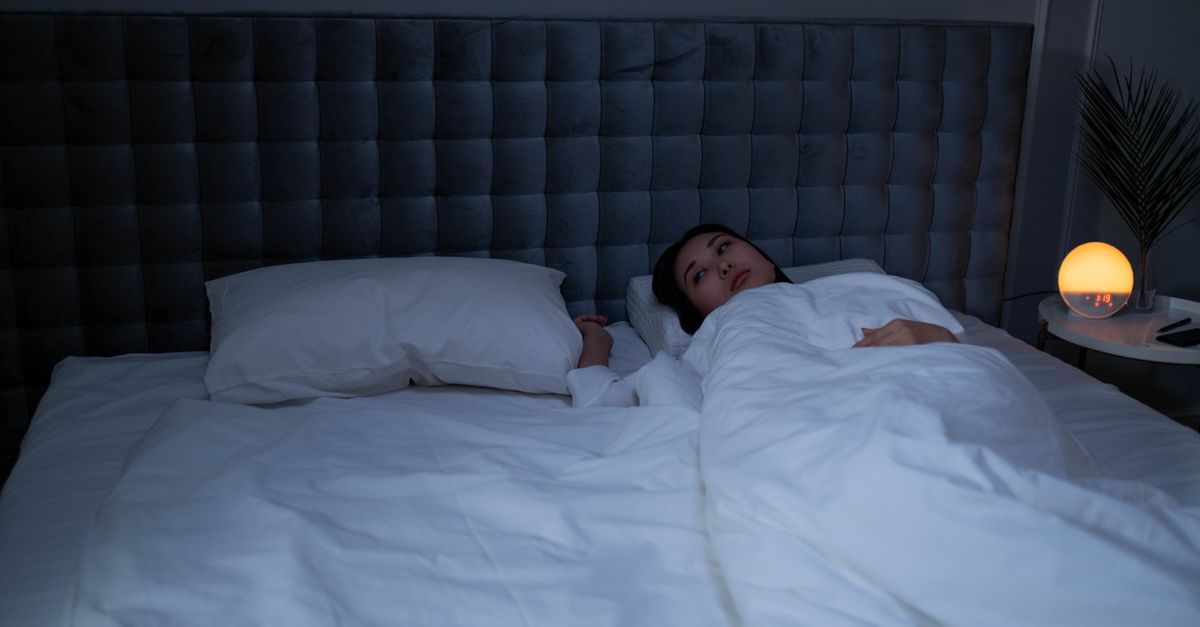
What Causes Night Sweats in Menopause?
Yes, declining estrogen is the primary driver — but it's rarely the whole story. Falling estrogen narrows the thermoregulatory zone in the hypothalamus, triggering heat-dissipation responses (flushing, sweating) at temperatures that wouldn't normally cross that threshold. The main caveat: thyroid dysfunction, elevated cortisol, blood sugar instability, and certain medications can amplify or mimic the same sweats, which is why blanket hormone therapy doesn't resolve every case.
Why Estrogen Decline Disrupts Your Body's Thermostat
The hypothalamus regulates core body temperature within a narrow "thermoneutral zone." Estrogen, through its influence on serotonin and norepinephrine signaling, keeps that zone wide. As ovarian estrogen output falls during the menopause transition, this zone narrows significantly — sometimes to near-zero — so even minor fluctuations in ambient temperature or internal heat production trigger a cascade: blood vessels dilate, sweat glands activate, and you wake drenched.
A landmark study published in the Journal of Clinical Endocrinology & Metabolism confirmed that women with the most frequent vasomotor symptoms had the steepest rate of estradiol decline, not necessarily the lowest absolute estradiol level (Randolph et al., 2005; PMID: 15956078). This explains why some women with measurable estrogen still experience severe night sweats: it's the rate of change that destabilizes the thermoregulatory system, not just the final value.
Kisspeptin neurons in the hypothalamic KNDy (kisspeptin/neurokinin B/dynorphin) pathway are now recognized as the direct mediators of hot flashes. Estrogen normally suppresses neurokinin B activity; when estrogen falls, neurokinin B becomes overactive and triggers the flush. This mechanistic understanding has led to a new class of NK3-receptor antagonists now in clinical trials, suggesting the field is moving beyond blanket HRT as the only answer.
What Causes Night Sweats in Perimenopause?
Perimenopause — typically beginning in the mid-to-late 40s and lasting four to eight years — is characterized by erratic estrogen fluctuations rather than a smooth decline. Estrogen can spike and crash within the same week, and these rapid oscillations are particularly disruptive to the thermoneutral zone.
Luteinizing hormone (LH) surges, which become exaggerated as ovarian follicle reserves dwindle, co-occur with vasomotor episodes. Research from the SWAN (Study of Women's Health Across the Nation) cohort found that vasomotor symptoms peak during late perimenopause and the first two years of postmenopause, with 35–50% of women experiencing them during the perimenopausal phase itself (Gold et al., 2006; PMID: 16868239).
Progesterone decline often precedes the estrogen decline in perimenopause. Progesterone has thermogenic properties and promotes GABA-ergic calming — when it drops first, sleep architecture deteriorates and the threshold for nighttime sweating falls even before estrogen becomes significantly deficient. If you're in your mid-40s with disrupted sleep and night sweats but your estrogen still reads "normal" on a standard panel, a low progesterone level may be the initiating factor worth investigating with your provider.
For a broader map of how hormones interact with sleep disruption, the article on night sweats: hormonal causes, lab markers, and natural remedies covers the full biomarker picture including TSH, cortisol, and fasting glucose alongside estrogen and progesterone.
What Causes Night Sweats in Early Menopause?
Early menopause — defined as cessation of periods before age 45 — tends to produce more severe vasomotor symptoms than natural menopause at the expected age. The hypothesis is that the brain's thermoregulatory centers have had less time to adapt to declining estrogen, producing steeper and more frequent oscillations in core temperature.
Women who experience early menopause also carry a higher baseline inflammatory burden: CRP and IL-6 are frequently elevated, and systemic inflammation itself independently lowers the vasomotor threshold. One prospective cohort found that women with CRP above 3 mg/L reported nearly twice the frequency of moderate-to-severe hot flashes compared to those with low-normal CRP (Crandall et al., 2017; PMID: 28368386). Addressing inflammation — through omega-3 fatty acids, dietary change, and stress reduction — can meaningfully reduce symptom frequency even without hormonal intervention.
Additionally, insulin resistance is disproportionately common in early menopause due to estrogen's role in maintaining insulin sensitivity. Elevated fasting insulin amplifies adrenergic tone and contributes to nighttime sympathetic surges. If night sweats are accompanied by fatigue, central weight gain, or cravings, checking fasting insulin and glucose is warranted. You can explore how out-of-range fasting insulin connects to these systemic symptoms in the guide on what causes fasting insulin to be out of range.
What Causes Night Sweats in Surgical Menopause?
Surgical menopause — resulting from bilateral oophorectomy (removal of both ovaries) — produces the most abrupt and severe hormonal shift of any menopause type. Unlike natural menopause, where estrogen declines over months to years, surgical removal causes a near-immediate 90%+ drop in circulating estradiol, often within 24–48 hours of the procedure.
The hypothalamus has essentially no adaptation time. As a result, vasomotor symptoms — hot flashes and night sweats — typically emerge within days of surgery and are frequently rated as more severe than those in naturally menopausal women. A systematic review in Menopause found that women who underwent bilateral oophorectomy before age 45 had significantly higher vasomotor symptom scores than women of matched age undergoing natural menopause (Bhupathiraju et al., 2017).
The adrenal glands normally compensate partially for declining ovarian estrogen by producing adrenal androgens (DHEA, androstenedione) that peripheral tissues convert to estrone. However, surgical menopause is often accompanied by significant physical and emotional stress — surgery itself activates the HPA axis and suppresses adrenal DHEA output through cortisol dominance. This means adrenal compensation is often impaired at exactly the moment it's most needed.
For women who cannot use systemic HRT after surgical menopause — such as those with estrogen-receptor-positive breast cancer — the evidence base for non-hormonal interventions is particularly relevant:
| Intervention | Mechanism | Evidence Level | Typical Effect Size |
|---|---|---|---|
| Cognitive behavioral therapy (CBT) | Reduces sweating via ANS downregulation | RCT (Ayers et al., 2012; PMID: 22682982) | ~50% reduction in problem rating |
| Venlafaxine (SNRI) | Norepinephrine reuptake inhibition | Multiple RCTs | 40–60% reduction in flash frequency |
| Stellate ganglion block | Sympathetic nerve blockade | Small RCTs | 50–90% reduction in some studies |
| Omega-3 EPA/DHA | Anti-inflammatory, serotonergic modulation | RCT (Lucas et al., 2009; PMID: 19789214) | ~55% reduction vs. placebo in one trial |
| Magnesium glycinate | GABAergic calming, temperature regulation | Observational + pilot data | Modest; most useful for sleep quality |
What Causes Night Sweats After a Hysterectomy?
A hysterectomy alone — removal of the uterus while preserving the ovaries — does not directly cause surgical menopause. However, it often accelerates ovarian failure by up to two years, likely because the uterine blood supply supports ovarian circulation. Women who undergo hysterectomy with ovarian preservation frequently enter menopause earlier than predicted by family history.
Night sweats after a hysterectomy with intact ovaries are therefore most commonly a sign of accelerated perimenopause. Because the uterus is absent, there is no menstrual cycle to signal the transition — many women are caught off guard when vasomotor symptoms appear without the expected cycle irregularity.
If inflammatory markers are elevated post-surgery, this can compound the problem. Surgical trauma elevates CRP and IL-6, and persistent low-grade systemic inflammation after surgery may sustain vasomotor episodes longer than in women who enter menopause without a surgical history. Monitoring CRP, homocysteine, and fasting glucose in the post-hysterectomy window provides a clearer picture of which physiological systems need support. For context on how inflammatory markers connect to broader cardiovascular and metabolic risk, see the articles on what causes high CRP and what causes homocysteine to be out of range.
Non-Hormonal Amplifiers That Make Night Sweats Worse
Estrogen decline sets the stage, but several co-factors determine how severe your night sweats become:
- Cortisol dysregulation: High evening cortisol — from chronic stress, poor sleep, or HPA axis dysregulation — raises core temperature and sympathetic tone at exactly the wrong time. Cortisol peaks that should occur at dawn instead persist into the evening, fragmenting sleep and lowering the sweat threshold.
- Thyroid dysfunction: Both hyperthyroidism and subclinical hyperthyroidism independently raise basal metabolic rate and body temperature. Ensuring TSH sits between 1.0 and 2.0 mIU/L (optimal, not merely "in range") is important before attributing all sweats to estrogen.
- Alcohol: Even one to two drinks elevate skin temperature and peripheral vasodilation, reliably triggering vasomotor episodes within 30–60 minutes of consumption.
- Blood sugar instability: Nocturnal hypoglycemia activates counter-regulatory epinephrine release, a potent trigger for sweating. This is particularly common in women with insulin resistance who eat a high-carbohydrate dinner. The connection between glucose control and nighttime symptoms is worth reviewing in what causes high fasting glucose.
- Spicy food, caffeine, hot beverages: These raise skin and core temperature directly, compounding the narrowed thermoneutral zone.
What This Means for Your Formula
Night sweats in menopause rarely have a single cause, which is why a one-size-fits-all supplement protocol rarely works. Ones analyzes your blood work, wearable temperature data, and health history to identify which specific drivers are active for you — whether that's elevated cortisol blunting melatonin production, low omega-3 status sustaining inflammation, or suboptimal magnesium impairing GABA tone and sleep architecture.
Three ingredients Ones commonly includes for women with hormonally-driven night sweats, based on clinical evidence:
Omega-3 (EPA/DHA): A 2009 RCT by Lucas et al. found that omega-3 supplementation reduced hot flash frequency by 55% over eight weeks versus placebo in postmenopausal women (PMID: 19789214). The proposed mechanism involves serotonergic modulation — EPA, in particular, supports serotonin synthesis and receptor sensitivity, which stabilizes the thermoregulatory cascade downstream of estrogen withdrawal. Ones includes EPA/DHA dosed to clinical ranges based on your omega-3 index if testing data is available.
Ashwagandha (KSM-66, 600 mg): Chronic stress and elevated evening cortisol meaningfully lower the vasomotor threshold. A double-blind RCT in 64 adults found KSM-66 at 600 mg/day reduced serum cortisol by 27.9% over 60 days (Chandrasekhar et al., 2012; PMID: 23439798). For women whose night sweats cluster around stress periods or whose wearable data shows elevated resting heart rate in the evening, adrenal support is often the highest-leverage intervention. Ones includes KSM-66 at the full 600 mg clinical dose.
Magnesium Complex (including Magnesium Glycinate): Magnesium supports GABAergic neurotransmission, reduces norepinephrine-driven sympathetic tone, and improves sleep architecture — all three mechanisms relevant to nighttime vasomotor episodes. Ones' proprietary Magnesium Complex delivers magnesium glycinate alongside complementary forms to maximize bioavailability, calibrated to your intake gaps from dietary and blood data.
Because Ones formulas are built from your specific data, the capsule plan you receive — whether a 6- or 9-capsule daily formula — prioritizes the ingredients most likely to address your individual pattern of drivers, not a generic women's health stack.
Key Takeaways
- Declining estrogen narrows the hypothalamic thermoneutral zone, triggering sweat and flush responses at normal temperatures — this is the central mechanism of menopausal night sweats.
- Perimenopause produces erratic estrogen fluctuations (not just decline), and a falling progesterone level often precedes estrogen deficiency and disrupts sleep architecture first.
- Surgical menopause causes the most abrupt and severe vasomotor symptoms because the drop in estradiol is immediate rather than gradual.
- Hysterectomy with ovarian preservation can accelerate ovarian failure by up to two years, producing night sweats without the usual menstrual irregularity warning signs.
- Cortisol dysregulation, thyroid dysfunction, insulin resistance, alcohol, and blood sugar instability all independently lower the sweating threshold and can make hormonally-driven night sweats significantly worse.
- Evidence-based non-hormonal support — including omega-3 EPA/DHA, KSM-66 ashwagandha, and magnesium glycinate — targets the downstream pathways (serotonergic, adrenergic, GABAergic) most disrupted during the estrogen transition.