Lab Results
What Causes Homocysteine to Be Out of Range?: Optimal Ranges, Warning Signs, and Targeted Support
Homocysteine is one of the most underappreciated biomarkers in a standard blood panel — and one of the most actionable. Elevated levels have been independently linked to cardiovascular disease, cognitive decline, and all-cause mortality, yet most people never receive guidance on what's driving the number up or how to bring it down. Understanding what causes homocysteine to be out of range is the first step toward meaningful prevention.
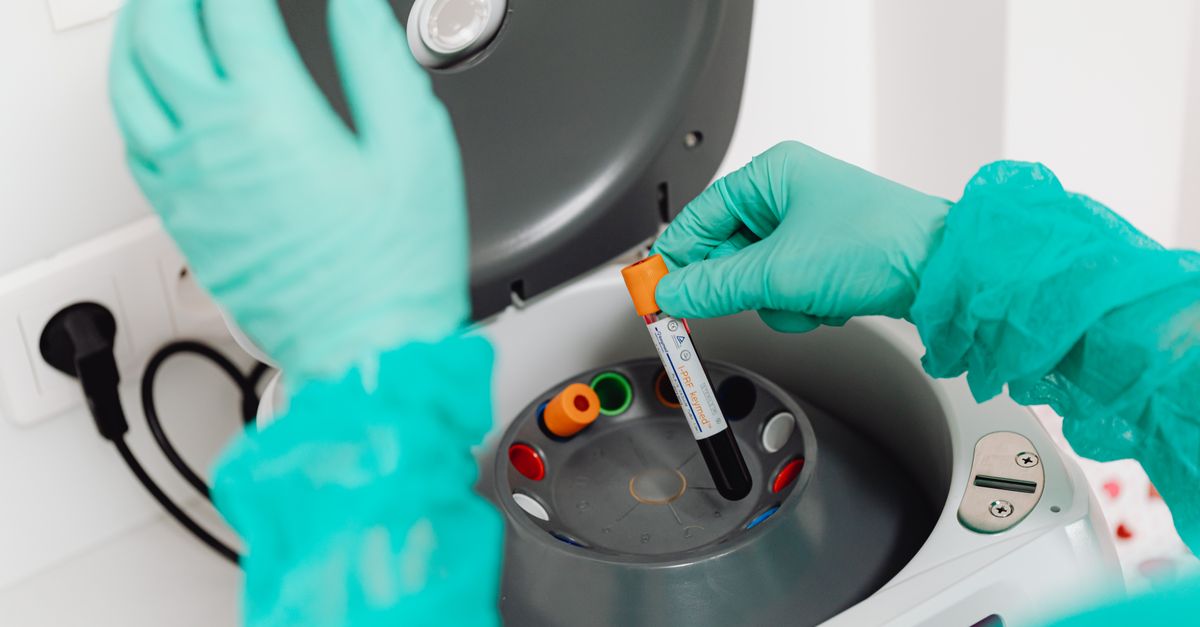
What Causes Homocysteine to Be Out of Range?: Optimal Ranges, Warning Signs, and Targeted Support
Homocysteine sits at a biochemical crossroads. It's an amino acid your body produces naturally when it breaks down methionine — a process that happens every time you eat protein. Under normal circumstances, your cells rapidly recycle homocysteine back into useful compounds through two vitamin-dependent pathways. When those pathways are compromised — by nutrient deficiencies, genetics, medications, or lifestyle factors — homocysteine accumulates in the blood, and the consequences ripple outward to your heart, brain, kidneys, and bones.
Yet homocysteine testing is still far from routine. Many clinicians only order it when a patient already has cardiovascular disease or a clotting disorder. That means millions of people are walking around with silently elevated levels, unaware that the fix can be as targeted as correcting a specific nutrient gap.
This article breaks down the optimal reference ranges, the most common drivers of elevated homocysteine, the warning signs you shouldn't ignore, and how a personalized supplement approach can support healthy methylation.
---
What Is Homocysteine and Why Does It Matter?
Homocysteine is a sulfur-containing amino acid that does not come from food — your body synthesizes it exclusively from methionine. Once formed, it must be cleared through one of two enzymatic routes:
- Remethylation — Homocysteine is converted back to methionine using folate (5-MTHF), vitamin B12, and the enzyme MTHFR.
- Transsulfuration — Homocysteine is converted to cysteine using vitamin B6 (pyridoxal-5-phosphate) and the enzyme CBS.
When either pathway stalls — most commonly due to deficiencies in folate, B12, or B6 — homocysteine builds up in the plasma. The downstream effects are well documented:
- Endothelial damage: Elevated homocysteine directly injures the cells lining your arteries, promoting oxidative stress and inflammation (Esse et al., Nutrients 2019; PMID: 30934908).
- Thrombosis risk: High homocysteine promotes platelet aggregation and increases clotting factor activity, raising the risk of deep vein thrombosis and pulmonary embolism.
- Cognitive decline: Plasma homocysteine above 14 µmol/L has been associated with accelerated brain atrophy and a significantly elevated risk of Alzheimer's disease (Smith et al., PLOS ONE 2010; PMID: 20885403).
- Bone remodeling disruption: Homocysteine interferes with collagen cross-linking in bone matrix, independently predicting fracture risk.
---
Optimal vs. Reference Ranges: Why "Normal" Isn't Always Enough
| Range | Total Homocysteine (µmol/L) | Clinical Interpretation |
|---|---|---|
| Optimal | 5–9 | Low cardiovascular and neurological risk |
| Borderline | 10–12 | Warrants investigation; lifestyle and nutritional review |
| Mildly Elevated | 13–30 | Hyperhomocysteinemia; increased CVD, dementia risk |
| Moderately Elevated | 31–100 | Strong intervention needed; rule out MTHFR, B12 deficiency |
| Severely Elevated | >100 | Rare; associated with homocystinuria (genetic disorder) |
Most laboratory reference ranges call anything under 15 µmol/L "normal," but prospective research suggests risk begins to climb well below that threshold. A 2012 meta-analysis in the European Heart Journal found that each 5 µmol/L increase in homocysteine was associated with a 20% increase in coronary artery disease risk, independent of other risk factors. For practical purposes, many functional medicine practitioners target levels below 9 µmol/L — and Ones' AI health practitioner flags values above 10 µmol/L when analyzing member bloodwork.
---
What Causes Homocysteine to Be Out of Range?
The causes of elevated homocysteine broadly fall into five categories:
1. Nutritional Deficiencies (Most Common)
- Folate (B9) deficiency is the single most common driver. Without adequate 5-MTHF, the remethylation pathway stalls. People with the MTHFR C677T polymorphism have reduced ability to convert synthetic folic acid to its active form, making methylfolate supplementation particularly important for this population.
- Vitamin B12 deficiency is the second most common cause — especially in vegans, vegetarians, older adults (who have reduced intrinsic factor), and people taking metformin or proton pump inhibitors long-term.
- Vitamin B6 deficiency impairs the transsulfuration pathway. B6 status is often underappreciated; poor status is common in women taking oral contraceptives and in older adults.
2. Genetic Polymorphisms
The MTHFR gene encodes an enzyme critical to the remethylation of homocysteine. The C677T variant — carried by roughly 10–15% of the population in homozygous form — reduces MTHFR enzyme activity by up to 70%, substantially raising homocysteine levels even when dietary folate intake appears adequate (Frosst et al., Nature Genetics 1995; PMID: 7647779). Genetic testing can identify this variant and guide supplementation strategy toward methylated B vitamins rather than synthetic folic acid.
3. Medications
Several commonly prescribed drugs interfere with B-vitamin metabolism:
- Metformin depletes B12 by impairing its absorption in the ileum
- Proton pump inhibitors (PPIs) reduce stomach acid needed for B12 liberation from food
- Methotrexate is a folate antagonist
- Anticonvulsants (phenytoin, carbamazepine) deplete folate and B6
- Oral contraceptives have been associated with lower B6 and folate status
4. Lifestyle and Dietary Factors
- High red meat and protein intake increases methionine load and therefore homocysteine production
- Smoking raises homocysteine by depleting B12 and B6
- Excessive alcohol impairs folate absorption and increases urinary B6 excretion
- Physical inactivity is independently associated with higher homocysteine; aerobic exercise appears to modestly lower it
- Hypothyroidism reduces renal clearance of homocysteine (see below)
5. Chronic Disease and Organ Dysfunction
- Chronic kidney disease (CKD): The kidneys are a major site of homocysteine clearance. As GFR declines, homocysteine accumulates — values above 20 µmol/L are common in CKD.
- Hypothyroidism: Reduced thyroid function impairs B12 absorption and slows homocysteine clearance, frequently causing mild elevations.
- Inflammatory bowel disease: Malabsorption of folate and B12 is common.
---
What Causes Fibrinogen to Be Out of Range?
Fibrinogen and homocysteine are frequently elevated together in the same clinical picture — both are cardiovascular risk markers driven by inflammation and metabolic dysfunction. Fibrinogen is a clotting protein produced by the liver; when it's chronically elevated (above 400 mg/dL), it promotes thrombus formation and arterial inflammation through many of the same endothelial pathways that homocysteine damages.
Common causes of elevated fibrinogen include:
- Chronic systemic inflammation (obesity, infection, autoimmunity)
- Smoking (a potent fibrinogen-elevating stimulus)
- Diabetes and insulin resistance
- Pregnancy and estrogen therapy
- Hypothyroidism — notably a driver of both elevated homocysteine and elevated fibrinogen
A 2014 Cochrane systematic review confirmed that elevated fibrinogen is an independent predictor of coronary heart disease and stroke (Danesh et al.), reinforcing why these two markers are often reviewed together in a comprehensive cardiovascular panel. When Ones' AI identifies both fibrinogen and homocysteine outside of optimal range in a member's bloodwork, the formula is calibrated to address the underlying methylation and inflammatory drivers simultaneously.
---
Warning Signs of Chronically Elevated Homocysteine
Elevated homocysteine is largely asymptomatic until it has caused significant tissue damage — which is exactly why lab testing matters. That said, indirect signs of the underlying nutrient deficiencies include:
- Persistent fatigue and weakness (B12 deficiency)
- Tingling, numbness, or burning in the hands and feet (peripheral neuropathy from B12/B6 deficiency)
- Brain fog, poor memory, difficulty concentrating
- Depression or mood instability (folate is required for serotonin synthesis)
- Premature gray hair or hair loss
- Recurrent miscarriage (a recognized clinical consequence of hyperhomocysteinemia in women)
- Unexplained blood clotting events
If you recognize several of these alongside a family history of early heart disease or stroke, requesting a homocysteine test alongside a standard lipid panel is a reasonable and low-cost step.
---
Evidence-Based Interventions to Lower Homocysteine
The good news: homocysteine is among the most modifiable biomarkers in a blood panel. Clinical trials have consistently demonstrated that targeted B-vitamin supplementation lowers plasma homocysteine, and several large-scale trials have connected this reduction to measurable improvements in brain atrophy rates and cognitive outcomes.
| Intervention | Evidence | Typical Effect on Homocysteine |
|---|---|---|
| Methylfolate (5-MTHF) 400–800 mcg/day | Strong RCT data | −2 to −4 µmol/L |
| Methylcobalamin (B12) 500–1000 mcg/day | Strong RCT data | −1 to −2 µmol/L |
| Pyridoxal-5-phosphate (B6) 10–25 mg/day | Moderate evidence | −1 to −2 µmol/L (combined with folate/B12) |
| Combined B-vitamin complex | Strongest effect; synergistic | −3 to −6 µmol/L |
| Betaine (trimethylglycine) 1.5–6 g/day | Useful when MTHFR variant present | −2 to −3 µmol/L |
| Omega-3 fatty acids (EPA+DHA) | Modest; anti-inflammatory | −1 µmol/L |
The VITACOG trial — a double-blind RCT in 168 adults with mild cognitive impairment — found that combined B6, B12, and folate supplementation over two years reduced brain atrophy rates by 30% in participants with elevated baseline homocysteine, compared to placebo (Smith et al., PLOS ONE 2010; PMID: 20885403). This remains one of the most clinically significant findings in the nutritional neuroscience literature.
A separate meta-analysis of 12 RCTs confirmed that B-vitamin supplementation significantly reduces homocysteine levels and that the effect is amplified in individuals with the MTHFR C677T polymorphism who use methylated forms rather than folic acid (Wald et al., BMJ 2006; PMID: 16531546).
For individuals who need additional support beyond B vitamins — particularly those with elevated fibrinogen, insulin resistance, or concurrent kidney stress — omega-3 supplementation for cardiovascular health provides complementary anti-inflammatory benefit.
---
What This Means for Your Formula
When Ones analyzes a member's lab results and identifies homocysteine above the 10 µmol/L threshold, the AI considers the full clinical picture — including concurrent biomarkers like B12, MCV, folate, and kidney function — before calibrating a formula response. This is very different from a generic B-complex approach.
Specific ingredients that may be included in a Ones formula targeting homocysteine and methylation support:
- Methylcobalamin (B12) at clinically meaningful doses — the methylated form bypasses the conversion step impaired in MTHFR variants and is better retained in neurological tissue than cyanocobalamin.
- Active Folate (5-MTHF) — Ones uses the bioavailable methylated form rather than synthetic folic acid, a distinction that matters enormously for individuals carrying the MTHFR C677T polymorphism, who cannot adequately convert folic acid to its active form.
- Omega-3 (EPA/DHA) — Included in many Ones cardiovascular-flagged formulas. Beyond its direct effects, Omega-3 reduces inflammatory fibrinogen and complements the vascular-protective effects of homocysteine lowering. The dose used in Ones formulas aligns with AHA guidelines for cardiovascular support.
For members with concurrent thyroid dysfunction driving secondary homocysteine elevation, Ones' Thyroid Support blend may be incorporated as part of the broader formula strategy. You can learn more about interpreting your thyroid lab values alongside homocysteine in a comprehensive panel review.
If you're concerned about how your methylation status interacts with your broader cardiovascular risk, understanding your full lipid panel alongside homocysteine gives the most complete picture.
---
Key Takeaways
- Optimal homocysteine is below 9 µmol/L — standard lab "normal" ranges extend to 15 µmol/L or higher, but cardiovascular and cognitive risk begins to climb at lower levels.
- The three most common causes of elevated homocysteine are deficiencies in folate, vitamin B12, and vitamin B6 — all of which are addressable with the right form and dose of each nutrient.
- MTHFR polymorphisms reduce the body's ability to process synthetic folic acid; individuals with this variant need methylfolate (5-MTHF) and methylcobalamin for effective homocysteine reduction.
- Medications including metformin, PPIs, and oral contraceptives can silently deplete the B vitamins required for homocysteine clearance — a critical consideration often missed in routine care.
- Elevated fibrinogen frequently co-occurs with elevated homocysteine and amplifies cardiovascular clotting risk; both markers benefit from addressing underlying inflammation and methylation dysfunction.
- Targeted B-vitamin supplementation — particularly methylated forms in combination — is the most evidence-supported intervention, with RCTs demonstrating reductions of 3–6 µmol/L and measurable improvements in brain health outcomes.
---
This article is for informational purposes only and does not constitute medical advice. Always consult a qualified healthcare provider before making changes to your supplement regimen or interpreting lab results.