Lab Results
What Causes Prolactin to Be Out of Range?
Prolactin is far more than a breastfeeding hormone — chronically elevated levels suppress testosterone and estrogen, impair ovulation, and are linked to bone loss, fatigue, and low libido in both men and women. Knowing what pushes prolactin out of range is the first step toward restoring hormonal balance.
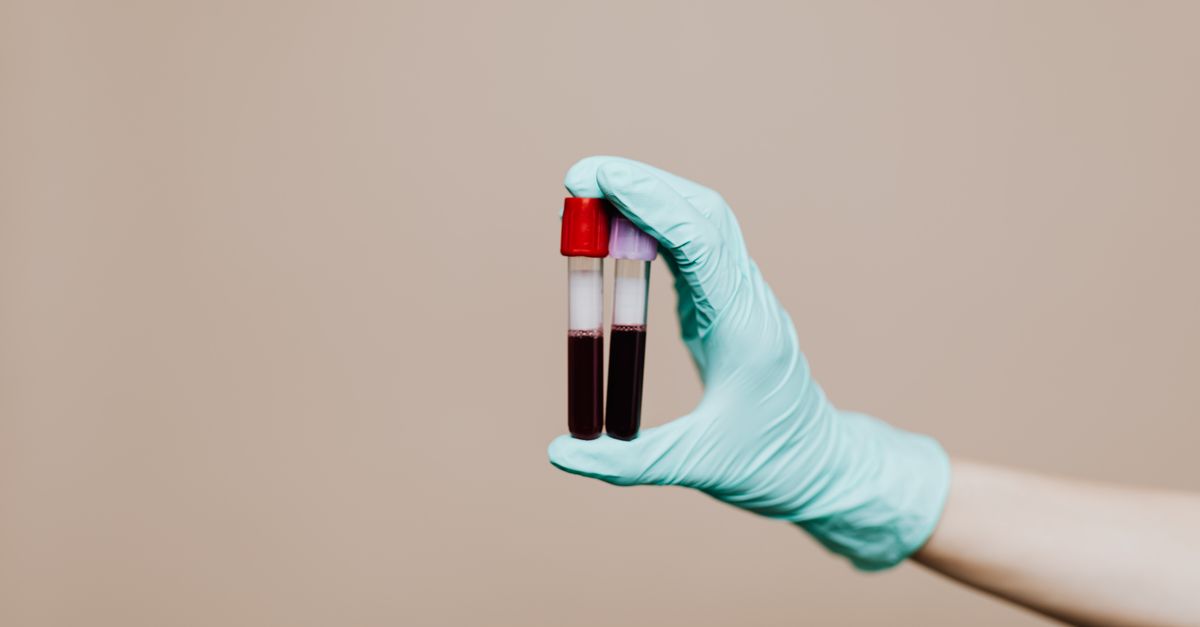
What Causes Prolactin to Be Out of Range?
Prolactin is elevated in true hyperprolactinemia (a pituitary adenoma, medication side effect, or chronic stress response), and it is low in rare cases of pituitary insufficiency. For most people with mildly high results, the culprit is lifestyle, medication, or subclinical thyroid dysfunction — not a tumor — and the finding is often actionable without surgery. Men and women who are not pregnant or breastfeeding should treat any value above 25 ng/mL as worth investigating.
---
What Is Prolactin and What Does It Actually Do?
Prolactin is a peptide hormone secreted by lactotroph cells in the anterior pituitary gland. Its most recognized role is stimulating milk production after childbirth, but that description undersells its systemic reach. Prolactin receptors are expressed in the brain, immune cells, liver, kidneys, adrenal cortex, reproductive organs, and adipose tissue (Bole-Feysot et al., Endocrine Reviews 1998; PMID: 9672148). In men, prolactin modulates testosterone biosynthesis in Leydig cells. In non-pregnant women, it regulates the luteinizing hormone (LH) surge that triggers ovulation. In both sexes it influences dopamine signaling, immune function, and body composition.
Because prolactin is under tonic inhibition by dopamine from the hypothalamus, anything that lowers dopamine — medications, stress, nutrient depletion — can raise prolactin. This makes prolactin a sensitive downstream marker of neuroendocrine stress.
---
Optimal Prolactin Range: What the Labs Don't Always Tell You
Standard laboratory reference ranges for prolactin vary somewhat by assay and by sex:
| Population | Conventional Reference Range | Functional Optimal Range |
|---|---|---|
| Non-pregnant women | 2–29 ng/mL | 5–15 ng/mL |
| Men | 2–18 ng/mL | 4–12 ng/mL |
| Pregnant women | Up to 400 ng/mL | N/A — physiologically elevated |
| Postmenopausal women | 2–20 ng/mL | 4–12 ng/mL |
The gap between "in range" and "optimal" matters here. A man at 17.5 ng/mL technically falls within the reference range, yet several studies show that prolactin in the upper quartile of the male reference range is associated with lower free testosterone, reduced sperm motility, and increased visceral fat compared to men in the lower half of the range (Pasquali et al., Journal of Clinical Endocrinology & Metabolism 2006; PMID: 16684825). The functional sweet spot for men is roughly 4–12 ng/mL; for non-pregnant women, 5–15 ng/mL.
Prolactin also follows a diurnal rhythm — it peaks during deep sleep and in the early morning, so a single fasting blood draw may not capture the full picture. Ideally, blood should be drawn 2–3 hours after waking, in a resting state, to minimize the acute stress spike that a venipuncture itself can cause.
---
What Causes Prolactin to Be Out of Range? The Core Drivers
High Prolactin (Hyperprolactinemia)
1. Pituitary adenomas (prolactinomas)
Prolactinomas are the most common functioning pituitary tumor, accounting for roughly 40% of all pituitary adenomas. Microadenomas (<10 mm) produce mildly to moderately elevated prolactin (25–200 ng/mL); macroadenomas (>10 mm) can drive levels above 1,000 ng/mL. MRI is required to rule this out when prolactin consistently exceeds 100 ng/mL.
2. Medications
Dopamine-blocking and dopamine-depleting drugs are the second most common cause. This includes antipsychotics (haloperidol, risperidone), antiemetics (metoclopramide, domperidone), some antidepressants (SSRIs at high doses), H2 blockers (ranitidine), and antihypertensives (methyldopa, verapamil). If you are on any of these and your prolactin is elevated, medication-induced hyperprolactinemia should be the first diagnosis considered — not a tumor.
3. Hypothyroidism
Thyroid-releasing hormone (TRH) is a potent stimulator of prolactin secretion. When the thyroid is underactive, TRH rises compensatorily — and so does prolactin. This is a frequently overlooked connection. Normalizing thyroid function often resolves mild hyperprolactinemia without any other intervention. If you are tracking thyroid antibodies alongside prolactin, the article on what causes thyroid antibodies to be out of range outlines the cascade in detail.
4. Chronic physiological stress
Stress activates the HPA axis and alters hypothalamic dopamine tone. Even in the absence of pathology, recurrent psychological stress can raise prolactin into the upper quartile of the reference range. A 2013 study of medical students found prolactin levels were significantly higher during exam periods compared to baseline (Lennartsson et al., Psychoneuroendocrinology 2013; PMID: 23148988).
5. Estrogen excess
Estrogen is a potent stimulator of lactotroph cell proliferation and prolactin secretion. High endogenous estrogen or exogenous estrogen therapy (oral contraceptives, HRT) can elevate prolactin. This is relevant for women with estrogen dominance or for men with elevated estradiol — a scenario worth cross-referencing if LH is out of range on the same panel.
6. Renal and hepatic dysfunction
The kidneys clear prolactin, and the liver metabolizes estrogen. Chronic kidney disease reduces prolactin clearance; liver impairment increases estrogen load, which secondarily raises prolactin. Both warrant investigation if no other cause is apparent.
7. Nipple stimulation and chest wall trauma
Afferent sensory signals from the chest wall — from trauma, surgery, herpes zoster, or even frequent self-examination — can reflexively trigger prolactin secretion via the same neural arc used in breastfeeding.
Low Prolactin (Hypoprolactinemia)
Low prolactin below 2 ng/mL is less common but clinically significant. It is most often caused by pituitary insufficiency (hypopituitarism) resulting from head trauma, pituitary surgery, radiation, or Sheehan's syndrome (postpartum pituitary infarction). Dopamine agonist medications (cabergoline, bromocriptine used therapeutically for high prolactin) can suppress levels too aggressively. Some research associates very low prolactin with impaired immune response and reduced NK cell activity (Gercel-Taylor et al., 1996), though this area is less studied than hyperprolactinemia.
---
Symptoms of Elevated Prolactin
The clinical picture of hyperprolactinemia is driven largely by prolactin's suppression of GnRH, which secondarily reduces LH and FSH — the hormones that drive testosterone and estrogen production.
In women:
- Irregular or absent menstrual cycles (oligomenorrhea/amenorrhea)
- Galactorrhea (spontaneous milk production outside of pregnancy)
- Infertility due to anovulation
- Decreased libido
- Bone loss from sustained hypoestrogenism
- Headaches or visual changes (if macroadenoma compresses the optic chiasm)
In men:
- Low testosterone → fatigue, reduced muscle mass, low libido, erectile dysfunction
- Gynecomastia (from suppressed testosterone:estradiol ratio)
- Infertility (impaired spermatogenesis)
- Reduced bone mineral density
FSH suppression is a key link in this chain — if FSH is simultaneously low, understanding what causes FSH to be out of range can help clarify whether the driver is pituitary or gonadal.
---
How High Prolactin Affects Downstream Lab Values
Prolactin does not operate in isolation. When it rises, it creates a cascade of hormonal changes that show up elsewhere on a blood panel:
| Lab Marker | Expected Change with High Prolactin | Why |
|---|---|---|
| LH | Decreased | GnRH suppression |
| FSH | Decreased | GnRH suppression |
| Total testosterone (men) | Decreased | Reduced Leydig cell stimulation |
| Estradiol (women) | Decreased | Anovulation and reduced ovarian steroidogenesis |
| IGF-1 | Variable | Pituitary co-morbidity possible |
| TSH | Elevated | If hypothyroidism is the root cause |
If you are seeing low testosterone alongside elevated prolactin, the IGF-1 axis may also be affected — the explainer on what causes IGF-1 to be out of range covers how pituitary dysfunction disrupts the GH/IGF-1 axis in parallel.
---
Diagnosing the Root Cause: What Your Clinician Should Order
A single elevated prolactin result should not trigger alarm — repeat the test under controlled conditions (fasting, non-stressed, 2–3 hours after waking). If it remains elevated:
- Rule out medication causes — review the full drug and supplement list
- Check TSH and free T4 — hypothyroidism is easily missed and easily treated
- Check LH, FSH, and sex hormones — to quantify downstream suppression
- Consider macroprolactin testing — macroprolactin (biologically inactive prolactin bound to IgG antibodies) can cause falsely elevated results in up to 25% of labs flagged as hyperprolactinemic
- MRI of the pituitary — indicated when prolactin is consistently above 100 ng/mL or when visual symptoms are present
- Renal function panel — if kidney disease is a risk factor
---
What This Means for Your Formula
Prolactin dysregulation is typically hormonal and neurochemical in origin, and while no supplement replaces medical management of a prolactinoma or resolves a drug side effect, several evidence-backed ingredients address the stress signaling, dopamine support, and hormonal downstream effects that come with borderline or stress-related hyperprolactinemia.
Ashwagandha (KSM-66, 600 mg): KSM-66 ashwagandha has been shown in a randomized controlled trial to significantly reduce serum cortisol (by ~28%) and self-reported stress scores compared to placebo over 60 days (Chandrasekhar et al., Indian Journal of Psychological Medicine 2012; PMID: 23439798). Because chronic HPA axis activation sustains elevated prolactin via altered dopamine tone, reducing cortisol load is a rational upstream intervention. Ones includes KSM-66 at the full 600 mg clinical dose used in the trial.
Vitamin D3 + K2 (MK-7): Vitamin D deficiency has been associated with hyperprolactinemia in observational studies, and vitamin D receptors are expressed in pituitary lactotroph cells. Supplementation at 2,000–4,000 IU/day is a low-risk first step in anyone with both low D and elevated prolactin. Ones pairs D3 with MK-7 to ensure calcium metabolism stays in balance alongside hormonal support.
Zinc: Zinc is required for dopaminergic signaling — it modulates the activity of dopamine-synthesizing enzymes and is a cofactor in gonadotropin-releasing hormone (GnRH) function. A 2009 trial demonstrated that zinc supplementation improved testosterone and gonadotropin levels in men with marginal zinc deficiency (Jalali et al., Nutrition Research 2009). Because dopamine is the primary inhibitor of prolactin, adequate zinc status supports the tonic brake on prolactin secretion. Ones includes zinc in bioavailable form calibrated to your blood zinc levels where available.
If your prolactin is elevated alongside triglycerides or cholesterol abnormalities — a pattern sometimes seen in metabolic syndrome — reviewing what causes triglycerides to be out of range may reveal a shared inflammatory driver worth addressing simultaneously.
---
Key Takeaways
- Prolactin above 25 ng/mL in a non-pregnant adult warrants investigation, even if it falls within the conventional reference range — the functional optimal is 4–15 ng/mL depending on sex.
- The most common causes of elevated prolactin are medications, hypothyroidism, and chronic stress — not pituitary tumors, which should be ruled out only after the simpler causes are excluded.
- High prolactin suppresses GnRH → LH → FSH → sex hormones, creating a hormonal cascade visible across multiple lab markers simultaneously.
- Macroprolactin (biologically inactive) can cause false positives in up to 25% of flagged labs — always confirm with a precipitation test before escalating workup.
- Stress reduction, thyroid optimization, and adequate dopamine cofactors (zinc, vitamin D) are the foundational nutritional levers for borderline, stress-related hyperprolactinemia.
- A single elevated result is not diagnostic — repeat testing under controlled conditions (resting state, 2–3 hours post-waking, fasted) before initiating treatment.
---
This article is for educational purposes only and does not constitute medical advice. Consult a licensed healthcare provider before making changes to your supplement or medication regimen.