Lab Results
What Causes IGF-1 to Be Out of Range?
IGF-1 is one of the most actionable biomarkers on a comprehensive lab panel — yet most standard reports flag it as 'normal' across a range so wide it misses meaningful dysfunction. Whether your number sits too high or too low, the root causes are specific and often addressable through lifestyle, nutrition, and targeted supplementation.
What Causes IGF-1 to Be Out of Range?
IGF-1 (insulin-like growth factor 1) goes out of range for two very different reasons: too much growth hormone signaling — from a pituitary adenoma, exogenous GH use, or obesity-driven hyperinsulinemia — or too little, caused by malnutrition, chronic illness, hypothyroidism, or poor sleep quality. Most adults with a mildly low reading fall into the latter camp, and lifestyle factors are usually the first lever to pull. People with acromegaly or suspected GH excess are the clear exception and need endocrinology referral, not a supplement stack.
---
What Is IGF-1 and Why Does It Matter?
Insulin-like growth factor 1 is a 70-amino-acid peptide produced primarily in the liver in response to growth hormone (GH) pulses from the pituitary gland. Because GH itself is episodic and difficult to measure reliably, IGF-1 serves as the stable, integrated signal of GH axis activity — levels remain relatively constant throughout the day, making it a practical clinical marker.
IGF-1 is not just about height in children. In adults it governs:
- Lean muscle maintenance — IGF-1 activates the PI3K/Akt/mTOR pathway to stimulate protein synthesis and inhibit muscle proteolysis (Clemmons, New England Journal of Medicine 2007; PMID: 17467257)
- Bone mineral density — IGF-1 promotes osteoblast proliferation; chronically low levels correlate with increased fracture risk
- Metabolic regulation — IGF-1 shares structural homology with insulin and exerts insulin-sensitizing effects at the receptor level
- Cognitive function — Brain IGF-1 signaling influences neurogenesis in the hippocampus and has been linked to memory consolidation
- Cardiovascular remodeling — Both very high and very low IGF-1 are independently associated with adverse cardiac outcomes in population studies (Laughlin et al., Journal of Clinical Endocrinology & Metabolism 2004; PMID: 15356022)
Because it sits at the intersection of so many physiological systems, IGF-1 is one of the few single biomarkers where both extremes carry meaningful clinical risk.
---
Optimal IGF-1 Range: What the Numbers Actually Mean
Reference ranges for IGF-1 are age- and sex-adjusted, and different labs use different assays, so you must compare your result to the range printed on your own report. That said, functional medicine practitioners generally look beyond the binary in-range/out-of-range read.
| Age Group | Typical Lab Reference Range (ng/mL) | Functional Optimal Zone (ng/mL) |
|---|---|---|
| 20–30 years | 115–355 | 200–300 |
| 31–40 years | 95–310 | 175–275 |
| 41–50 years | 80–265 | 150–240 |
| 51–60 years | 70–225 | 130–210 |
| 61–70 years | 55–185 | 110–180 |
| 70+ years | 40–160 | 90–160 |
Note: These functional zones represent consensus targets used in longevity-focused practice; they are not FDA-established thresholds. Individual interpretation requires clinical context.
Levels in the lower quartile of a lab's reference range — technically "normal" — are frequently associated with reduced muscle mass, low energy, and impaired recovery, even when no pathology is formally diagnosed. This is the same nuance that applies to other functional biomarkers; for a deeper look at how "in-range" can still mean suboptimal, see the discussion on what causes ESR to be out of range.
How IGF-1 Is Measured
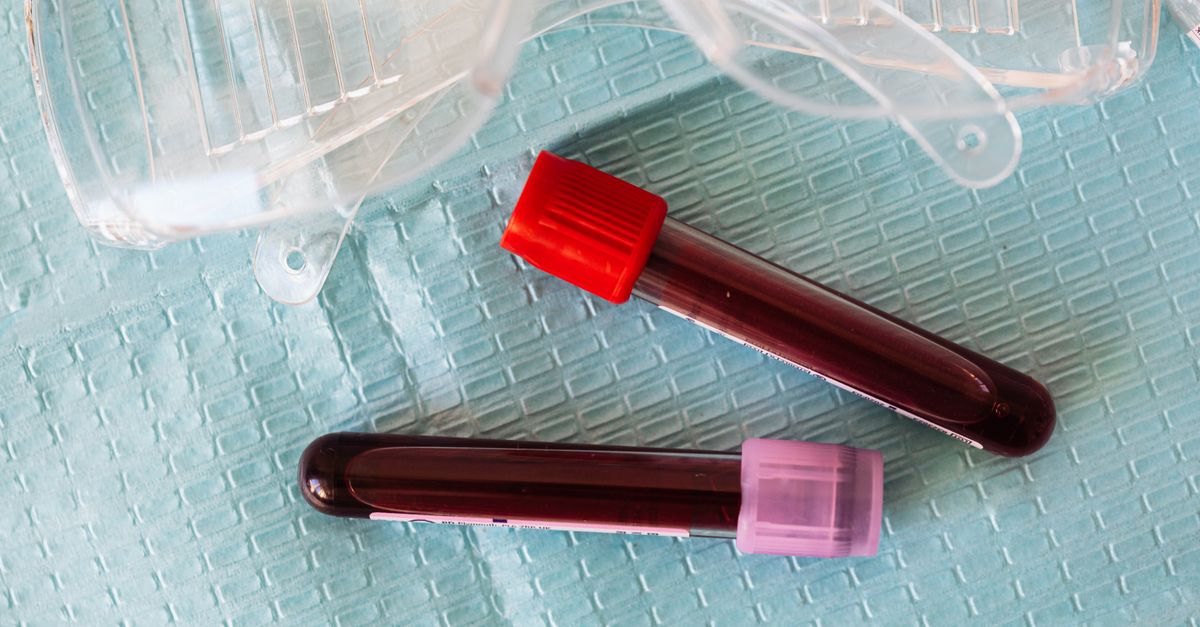
IGF-1 is measured from a standard venous blood draw. No fasting is required, though most labs recommend a morning collection for consistency. The assay measures total serum IGF-1, most of which is bound to IGF-binding proteins (IGBPs), particularly IGFBP-3. Some functional panels include IGFBP-3, which provides additional context about GH sensitivity.
---
What Causes Low IGF-1?
Low IGF-1 is far more common than high IGF-1 in the general adult population. The major causes:
1. Growth Hormone Deficiency (GHD)
Adult-onset GHD — from pituitary tumors, cranial irradiation, traumatic brain injury, or idiopathic causes — is the textbook driver of low IGF-1. Diagnosis requires dynamic stimulation testing (insulin tolerance test or glucagon stimulation), not IGF-1 alone.
2. Chronic Caloric or Protein Restriction
The liver requires adequate amino acid substrate to synthesize IGF-1. Protein intakes below 0.8 g/kg/day have been shown to suppress IGF-1 independently of GH status. A controlled study found that shifting from a low-protein to a high-protein diet raised IGF-1 by approximately 25–30% in healthy adults over 4 weeks (Thissen et al., Endocrine Reviews 1994; PMID: 7988479). This remains one of the most reproducible dietary levers available.
3. Hypothyroidism
Thyroid hormones potentiate GH signaling at the hepatic level. Subclinical and overt hypothyroidism both suppress IGF-1 production, often without obvious GH axis pathology. If your IGF-1 is low, a full thyroid panel — including TSH, free T3, free T4, and thyroid antibodies — is warranted. You can explore the connection further in our guide to what causes thyroid antibodies to be out of range.
4. Insulin Resistance and Type 2 Diabetes
This one is counterintuitive: hepatic IGF-1 production requires insulin signaling for GH receptor expression. In severe insulin resistance, post-receptor signaling is impaired and the liver becomes resistant to GH stimulation, reducing IGF-1 output even while GH levels may actually be elevated. Paradoxically, peripheral tissues may still see excess IGF-1 activity. Understanding what causes fasting insulin to be out of range is therefore directly relevant to interpreting a low-normal IGF-1 in someone who carries excess body fat.
5. Liver Disease
Because the liver is the primary IGF-1 production site, any significant hepatic dysfunction — fatty liver disease, cirrhosis, hepatitis — reduces synthesis. IGF-1 has even been proposed as a surrogate marker for hepatic synthetic function. If liver involvement is suspected, checking ALT is a logical first step; see our explainer on what causes ALT to be out of range.
6. Chronic Inflammation and Illness
Cytokines including IL-1β and TNF-α directly downregulate IGF-1 gene expression in the liver. This is why IGF-1 drops during acute illness and remains suppressed in autoimmune conditions, inflammatory bowel disease, and cancer.
7. Zinc Deficiency
Zinc is required for GH receptor expression and downstream IGF-1 signaling. Marginal zinc deficiency — extremely common in older adults and endurance athletes — has been shown to blunt IGF-1 production even when GH secretion is intact (Roth & Heap, Journal of Pediatrics 1987; PMID: 3560822). Correcting zinc status is often an underappreciated first step.
---
Signs of High IGF-1: When More Isn't Better
Mildly elevated IGF-1 in the upper-normal range, particularly in someone eating high protein and exercising regularly, is generally not cause for concern. Pathologically high IGF-1 is a different matter.
Clinical signs that suggest IGF-1 may be elevated:
- Enlarged hands, feet, or jaw (acral changes) — hallmarks of acromegaly
- Excessive sweating and oily skin
- Joint pain and carpal tunnel syndrome without clear injury cause
- Headaches and visual field changes (suggesting pituitary mass)
- Unexplained hypertension or new-onset type 2 diabetes in a lean individual
- Colon polyps on colonoscopy at a relatively young age
Acromegaly — caused by a GH-secreting pituitary adenoma — results in markedly elevated IGF-1 (often >2× the upper limit of normal) and requires neurosurgical or radiation management. This is the most important differential when IGF-1 is clearly elevated on a lab report.
Functional or lifestyle-related high-normal IGF-1 is seen with:
- Very high protein intakes (>2.5 g/kg/day)
- Exogenous GH or IGF-1 administration (doping)
- Obesity with hyperinsulinemia in younger individuals (insulin drives hepatic IGF-1)
- Poorly controlled type 1 diabetes managed with high insulin doses
Epidemiological data from large cohorts suggest that IGF-1 in the top quartile of the normal range is associated with modestly increased risk for prostate, breast, and colorectal cancers, though the absolute risk increase is small and the relationship is not straightforward (Renehan et al., Lancet 2004; PMID: 15016485). This has led some longevity researchers to target the middle-to-upper-middle of the reference range rather than the absolute peak.
---
Foods That Boost IGF-1
For most adults with low-normal IGF-1, dietary strategy is the most accessible and evidence-backed intervention. The key lever is dietary protein quantity and quality.
Protein-Rich Foods
Animal proteins — particularly dairy, eggs, meat, and fish — are the most studied IGF-1-elevating foods. Dairy has received particular attention: casein and whey both stimulate IGF-1, and observational data show that milk consumption correlates with serum IGF-1 levels in both children and adults (Hoppe et al., European Journal of Clinical Nutrition 2004; PMID: 15389257).
Amino Acid Composition Matters
- Leucine is the key mTOR-activating amino acid and appears to be specifically important for hepatic IGF-1 signaling
- Arginine and lysine are classical GH secretagogues used in clinical GH stimulation tests at pharmacological doses; food-level intakes have a modest effect
- Glutamine supports liver function and may indirectly sustain IGF-1 synthesis under catabolic conditions
Foods to Moderate for High IGF-1
If you're working to lower an elevated IGF-1 (under physician guidance), data suggest that shifting toward plant-dominant protein sources and reducing total dairy intake may modestly reduce levels over months. Caloric restriction without protein restriction is a complex case — short-term restriction lowers IGF-1 even at adequate protein, but longer-term adaptation varies.
Micronutrients That Support the GH/IGF-1 Axis
| Nutrient | Mechanism | Evidence Level |
|---|---|---|
| Zinc | GH receptor expression, IGF-1 signaling | Moderate |
| Vitamin D | GH axis sensitization, hepatic production | Moderate |
| Magnesium | GH secretion, sleep quality | Moderate |
| Selenium | Thyroid function → GH axis | Low-Moderate |
| Vitamin A | IGF-1 receptor regulation | Low |
---
IGF-1 and Sleep: The Overnight Connection
This relationship is one of the most clinically significant — and most overlooked — drivers of low IGF-1 in otherwise healthy adults.
Approximately 70% of daily GH secretion occurs during slow-wave (deep) sleep, primarily in the first two sleep cycles of the night. IGF-1 integrates this overnight GH signal. Chronically poor or shortened sleep therefore acts as a direct suppressor of IGF-1 production through reduced GH pulsatility.
A seminal study from the University of Chicago found that restricting sleep to 4 hours per night for 6 nights significantly blunted GH pulse amplitude and the associated IGF-1 response in young men (Van Cauter et al., Sleep 2000; PMID: 10966074). Recovery to 12 hours per night normalized GH secretion within days.
Practical implications:
- Prioritize 7–9 hours of sleep in a dark, cool environment
- Avoid late-evening alcohol — alcohol suppresses GH secretion during sleep even at moderate doses
- Avoid eating within 2–3 hours of sleep — elevated insulin at bedtime blunts GH pulses
- Resistance training later in the day (but not immediately before bed) amplifies overnight GH/IGF-1 output
- Magnesium adequacy matters: magnesium deficiency is associated with reduced slow-wave sleep depth, which directly limits GH secretion
For individuals with sleep apnea, treating OSA with CPAP therapy has been shown to restore normal GH pulsatility and improve IGF-1 levels, sometimes substantially, confirming that sleep architecture — not just duration — is the critical variable.
---
What This Means for Your Formula
IGF-1 optimization sits at the intersection of the GH axis, liver function, thyroid health, sleep architecture, and micronutrient status. Ones' AI practitioner evaluates the full picture — lab values including IGF-1, thyroid panel, fasting insulin, and wearable-derived sleep data — to identify which specific inputs are most likely suppressing your number.
Three ingredients in the Ones catalog are directly relevant to the IGF-1 axis:
Zinc (as zinc bisglycinate, 15–30 mg): Ones includes zinc at clinically relevant doses to restore GH receptor sensitivity in individuals with confirmed or suspected deficiency. The dose is calibrated to your labs — not a one-size-fits-all 50 mg megadose that risks copper displacement.
Magnesium Complex (proprietary blend including magnesium glycinate): Adequate magnesium supports slow-wave sleep architecture, the primary driver of overnight GH pulsatility. Ones' Magnesium Complex is one of the 18 proprietary System Supports and is included when wearable sleep data or dietary analysis suggests magnesium insufficiency is limiting sleep quality.
Thyroid Support (proprietary System Blend): When a low IGF-1 tracks with thyroid markers trending toward hypothyroid territory, Ones may include its Thyroid Support blend to address the upstream driver — because correcting thyroid function often restores IGF-1 without directly targeting the GH axis at all.
If your IGF-1 is high-normal or elevated, Ones' approach shifts toward identifying whether insulin resistance or dietary protein excess is the primary driver — and formulating accordingly, potentially with ingredients that support insulin sensitivity rather than GH axis stimulation.
---
Key Takeaways
- IGF-1 goes out of range for opposite reasons: low output from malnutrition, poor sleep, hypothyroidism, liver disease, or zinc deficiency — and high output from pituitary adenomas, hyperinsulinemia, or exogenous GH use.
- "In range" is not the same as optimal: many adults in the lower quartile of the reference range experience reduced muscle mass, poor recovery, and low energy that standard lab flags won't capture.
- Sleep is the single most underrated lever: roughly 70% of GH — and therefore IGF-1 — is secreted during slow-wave sleep. Chronic sleep restriction measurably suppresses IGF-1.
- Dietary protein is the most accessible dietary driver: insufficient protein intake (below ~1.0 g/kg/day) independently suppresses IGF-1 regardless of GH status; animal proteins and dairy have the strongest evidence.
- Micronutrients matter upstream: zinc, magnesium, and thyroid-supporting nutrients (selenium, iodine) all feed into the GH/IGF-1 axis and are frequently overlooked when IGF-1 is borderline low.
- Pathologically high IGF-1 warrants endocrinology referral: if your IGF-1 is more than 50% above the upper limit of your age-adjusted range, pituitary pathology must be ruled out before any supplementation strategy is considered.
---
This article is for informational purposes only and does not constitute medical advice. Consult a qualified healthcare provider before making changes to your supplement regimen or interpreting lab results.