Supplements
What Do Triglycerides Actually Measure? A Look at the Clinical Evidence
Your doctor orders a lipid panel and flags your triglycerides, but most people leave the office with no clear idea what that number actually represents or why it matters. Triglycerides are more than just a 'fat measurement' — they are a dynamic window into your metabolic health, insulin sensitivity, and cardiovascular risk. Here's what the science says and what you can actually do about it.
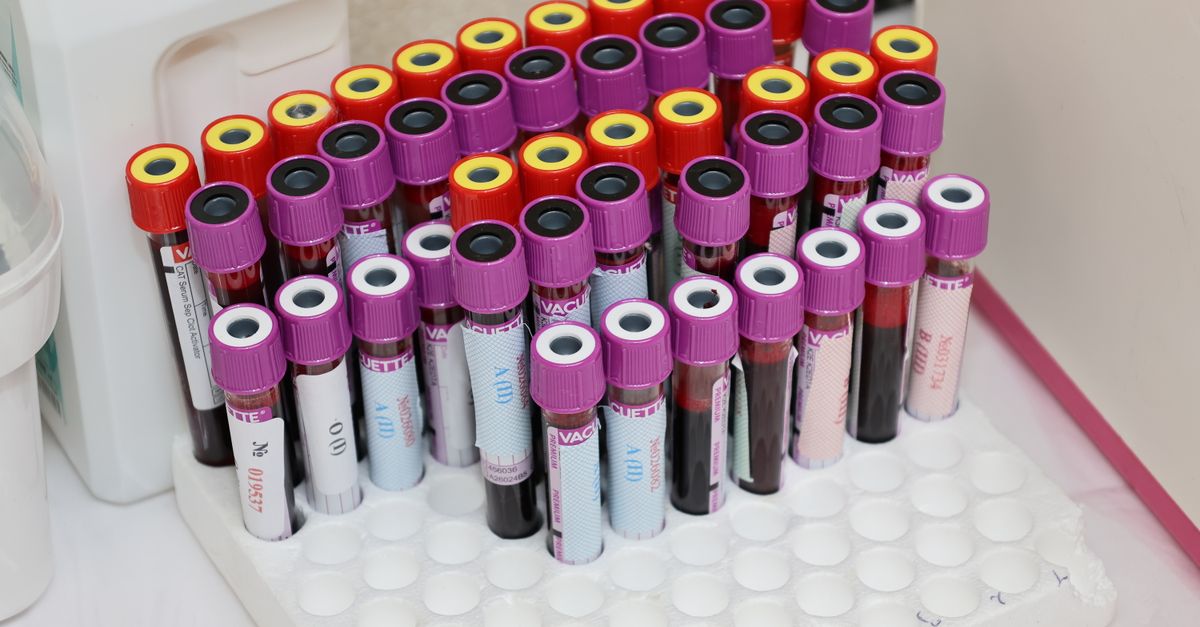
What Do Triglycerides Actually Measure? A Look at the Clinical Evidence
When your lipid panel comes back from the lab, triglycerides often sit quietly beneath the more dramatic LDL and HDL numbers. But research over the past two decades has increasingly repositioned triglycerides as one of the most actionable and clinically meaningful markers on the page. Understanding what triglycerides actually measure — not just what the reference range says — is the first step toward using that number to your advantage.
What Are Triglycerides and What Does the Lab Number Actually Mean?
Triglycerides are the primary form in which dietary fat and excess glucose are stored and transported in the body. After you eat, your digestive system breaks fats into fatty acids and glycerol, which are then reassembled into triglyceride molecules in the intestinal wall. These molecules travel through the bloodstream packaged inside lipoproteins — primarily VLDL (very-low-density lipoprotein) — and are either used for immediate energy or stored in adipose tissue for later.
The triglyceride number on your blood test measures the concentration of these fat-carrying molecules in a fasting blood sample (ideally after 9–12 hours without food). But here is the clinically important nuance: elevated fasting triglycerides are not simply a measure of how much fat you ate. They reflect how efficiently your body is clearing lipoproteins from circulation — a process tightly coupled to insulin signaling, liver function, and carbohydrate metabolism.
The American Heart Association classifies fasting triglycerides as follows:
| Category | Triglyceride Level (mg/dL) |
|---|---|
| Normal | < 150 |
| Borderline High | 150–199 |
| High | 200–499 |
| Very High | ≥ 500 |
A large-scale meta-analysis published in The Lancet (involving over 300,000 participants across 68 prospective studies) found that elevated triglycerides were independently associated with coronary artery disease risk, even after adjusting for HDL cholesterol — a finding that challenged the older view that triglycerides were merely a secondary marker (Sarwar et al., The Lancet 2007; PMID: 17398308).
What Does Cholesterol Ratio Actually Measure — And How Do Triglycerides Fit In?
Once you understand triglycerides, the next question is how they interact with the rest of your lipid panel. The cholesterol ratio — typically total cholesterol divided by HDL — is a composite cardiovascular risk score that captures the balance between atherogenic and protective lipoprotein particles. Some clinicians prefer the non-HDL cholesterol value, which includes VLDL (the primary triglyceride carrier).
This is where triglycerides become especially revealing. High triglycerides almost always travel with low HDL — a combination known as dyslipidemia or atherogenic dyslipidemia. More importantly, the triglyceride-to-HDL ratio has emerged as a powerful surrogate marker for insulin resistance and small, dense LDL particles, which are the most atherogenic form of LDL.
A study published in Circulation found that a triglyceride-to-HDL ratio above 3.5 was strongly predictive of small, dense LDL particle predominance — a far more dangerous cardiovascular phenotype than standard LDL elevation alone (McLaughlin et al., Circulation 2003; PMID: 12719280). This means your triglyceride number does not exist in isolation; it is a critical input for understanding your actual lipid quality and cardiovascular risk architecture.
If you are reviewing your labs and want to understand the broader lipid picture, our breakdown of understanding your lipid panel and cardiovascular risk markers covers HDL, non-HDL cholesterol, and LDL particle size in detail.
What Does HbA1c Actually Measure — And Why It Predicts Triglyceride Levels
HbA1c (glycated hemoglobin) measures the percentage of hemoglobin molecules in your blood that have glucose permanently attached to them. Because red blood cells live approximately 90–120 days, HbA1c provides a rolling 3-month average of blood glucose levels — making it the gold standard for diagnosing and monitoring type 2 diabetes and prediabetes.
The connection to triglycerides is mechanistic and bidirectional. When blood glucose is chronically elevated (as reflected by a rising HbA1c), the pancreas secretes more insulin to compensate. Chronically high insulin stimulates the liver to produce more VLDL particles, which are packed with triglycerides. Simultaneously, elevated insulin impairs the enzyme lipoprotein lipase, which is responsible for clearing triglycerides from the bloodstream. The result: higher HbA1c almost invariably produces higher fasting triglycerides.
A prospective study of over 9,000 adults found that for every 1% increase in HbA1c, fasting triglycerides increased by an average of 11 mg/dL, independent of BMI and other confounders (Liu et al., Diabetes Care 2010; PMID: 20351231). This is why optimizing blood sugar regulation — through diet, exercise, and targeted supplementation — often produces dramatic improvements in triglyceride levels within weeks.
For a deeper dive into how blood sugar regulation intersects with metabolic markers, see our article on blood sugar balance and metabolic health biomarkers.
What Does A1C Actually Measure Versus Fasting Glucose?
While HbA1c and A1C refer to the same test (A1C is simply the shorthand clinicians use colloquially), it is worth distinguishing this marker from fasting glucose, since both appear on comprehensive metabolic panels and both predict triglyceride elevation — but in different ways.
Fasting glucose captures your blood sugar at a single point in time, after an overnight fast. It is highly sensitive to acute factors like stress, poor sleep the night before, or an early-morning workout. A1C, by contrast, is resistant to short-term fluctuations and reflects chronic glycemic load. A person can have normal fasting glucose with a creeping A1C — a pattern called isolated postprandial hyperglycemia — which still drives triglyceride elevation through the same VLDL-overproduction mechanism.
This distinction matters clinically. If your triglycerides are persistently elevated but your fasting glucose looks normal, requesting an A1C (or a 2-hour postprandial glucose test) may reveal the hidden glycemic driver. The American Diabetes Association currently uses an A1C of 5.7–6.4% to define prediabetes and ≥ 6.5% to confirm diabetes — ranges that correlate with progressive triglyceride accumulation in population data.
What Does Homocysteine Actually Measure — And Is It Connected to Triglycerides?
Homocysteine is an amino acid produced during the metabolism of methionine, an essential amino acid found in protein-rich foods. Unlike triglycerides, homocysteine is not part of the standard lipid panel — it requires a separate test — but elevated homocysteine and elevated triglycerides frequently co-occur in patients with poor metabolic health, making it a valuable co-marker to assess.
Homocysteine measures the efficiency of the methylation cycle, specifically whether the body has adequate B vitamins (B6, B12, folate) to convert homocysteine back to methionine or cysteine. When methylation is impaired — due to nutrient deficiency, MTHFR gene variants, or poor diet — homocysteine accumulates and directly damages arterial endothelium, amplifying the cardiovascular risk already posed by elevated triglycerides.
A landmark meta-analysis in JAMA found that for every 5 µmol/L increase in plasma homocysteine, cardiovascular disease risk increased by approximately 20% (Wald et al., JAMA 2002; PMID: 11980527). The synergy between elevated homocysteine and dyslipidemia is not additive — it appears multiplicative in terms of endothelial damage and plaque formation.
Optimal homocysteine is generally considered to be below 10 µmol/L, with many functional medicine practitioners targeting below 8 µmol/L. If both your triglycerides and homocysteine are elevated, you are looking at a compounded risk profile that warrants both dietary intervention and targeted nutrient repletion.
Evidence-Based Strategies for Lowering Triglycerides
The clinical evidence for triglyceride reduction spans dietary, lifestyle, and supplement interventions. Here is what has the strongest research support:
Dietary Changes
- Reduce refined carbohydrates and added sugars — The dominant driver of elevated triglycerides in most adults is excess carbohydrate intake, particularly fructose, which the liver converts almost exclusively to VLDL-triglycerides.
- Eliminate trans fats — Partially hydrogenated oils raise triglycerides and lower HDL simultaneously.
- Increase omega-3 fatty acid intake — Fatty fish (salmon, mackerel, sardines) consumed 2–3 times per week produces measurable triglyceride reductions within 4–8 weeks.
- Moderate alcohol consumption — Even moderate alcohol meaningfully elevates triglycerides in sensitive individuals.
Lifestyle Factors
- Aerobic exercise (150 minutes per week) reduces triglycerides by 10–20% on average in clinical trials
- Weight loss of 5–10% body weight produces disproportionate improvements in triglycerides relative to other lipid markers
- Improving sleep quality (7–9 hours) reduces insulin resistance, which secondarily lowers triglycerides
Supplement Evidence
Omega-3 fatty acids (EPA and DHA) have the most robust evidence of any supplement for triglyceride reduction. A meta-analysis of 79 randomized controlled trials found that EPA + DHA at doses of 2–4 g/day reduced fasting triglycerides by an average of 25–30% (Bernstein et al., Mayo Clinic Proceedings 2012; PMID: 22677079). The effect is dose-dependent and appears within 4–6 weeks of consistent use.
What This Means for Your Formula
If your blood work shows elevated triglycerides — especially in combination with low HDL, a rising A1C, or elevated homocysteine — a personalized supplement protocol can address the root mechanisms rather than just the downstream numbers.
Ones analyzes your actual lab results and wearable data to build a custom capsule formula calibrated to your specific findings. For individuals with triglyceride-related patterns, the AI practitioner frequently identifies two specific interventions backed by clinical evidence:
Omega-3 (EPA/DHA): Ones sources a pharmaceutical-grade EPA/DHA combination dosed at clinically meaningful levels aligned with the 2–4 g/day range validated in meta-analyses. Unlike generic fish oil capsules, the formula accounts for your current triglyceride level and dietary intake to determine appropriate dosing.
Heart Support (System Blend): Ones' proprietary Heart Support blend combines ingredients that address the cardiovascular risk architecture around dyslipidemia — including endothelial function and lipid oxidation — rather than targeting a single marker in isolation.
B-vitamin cofactors for homocysteine: If your panel also shows elevated homocysteine, Ones' AI flags the methylation pathway and can incorporate the specific B12, B6, and folate forms that have clinical evidence for homocysteine reduction — addressing the co-risk that elevated triglycerides and impaired methylation create together.
This is the practical difference between a one-size-fits-all supplement and a formula built from your data: the intervention is matched to the mechanism driving your specific numbers.
For more on how Ones interprets cardiovascular biomarkers, see our overview of omega-3 fatty acids for heart health and lipid optimization.
Key Takeaways
- Triglycerides measure circulating fat-carrying lipoproteins (VLDL) in fasting blood — elevated levels reflect impaired lipoprotein clearance, not simply dietary fat intake.
- High triglycerides are tightly coupled to insulin resistance — rising HbA1c (A1C) and fasting glucose predict triglyceride elevation through a liver-driven VLDL overproduction mechanism.
- The triglyceride-to-HDL ratio is a validated surrogate for small, dense LDL particles and insulin resistance — arguably more informative than triglycerides or HDL in isolation.
- Elevated homocysteine frequently co-occurs with high triglycerides and compounds cardiovascular risk through independent endothelial damage mechanisms.
- EPA + DHA omega-3s at 2–4 g/day have the strongest evidence base of any supplement for triglyceride reduction, with average reductions of 25–30% in RCT meta-analyses.
- Addressing root causes — carbohydrate metabolism, insulin sensitivity, and methylation — produces more durable triglyceride improvement than targeting the number alone. A personalized formula from Ones that integrates your full lab picture can make that precision possible.
Always consult a qualified healthcare provider before making changes to your supplement regimen based on lab results.