Supplements
What Does ApoB Actually Measure?: Who Actually Benefits — and Who Should Skip It
Your LDL number can look perfectly normal while hundreds of dangerous particles quietly accumulate in your artery walls — and that's exactly the gap ApoB was designed to close. ApoB measures the total count of atherogenic lipoprotein particles, giving clinicians a more precise picture of cardiovascular risk than traditional cholesterol panels. Understanding what ApoB actually measures — and whether testing it is right for you — could be the most important lab decision you make this year.
What Does ApoB Actually Measure?
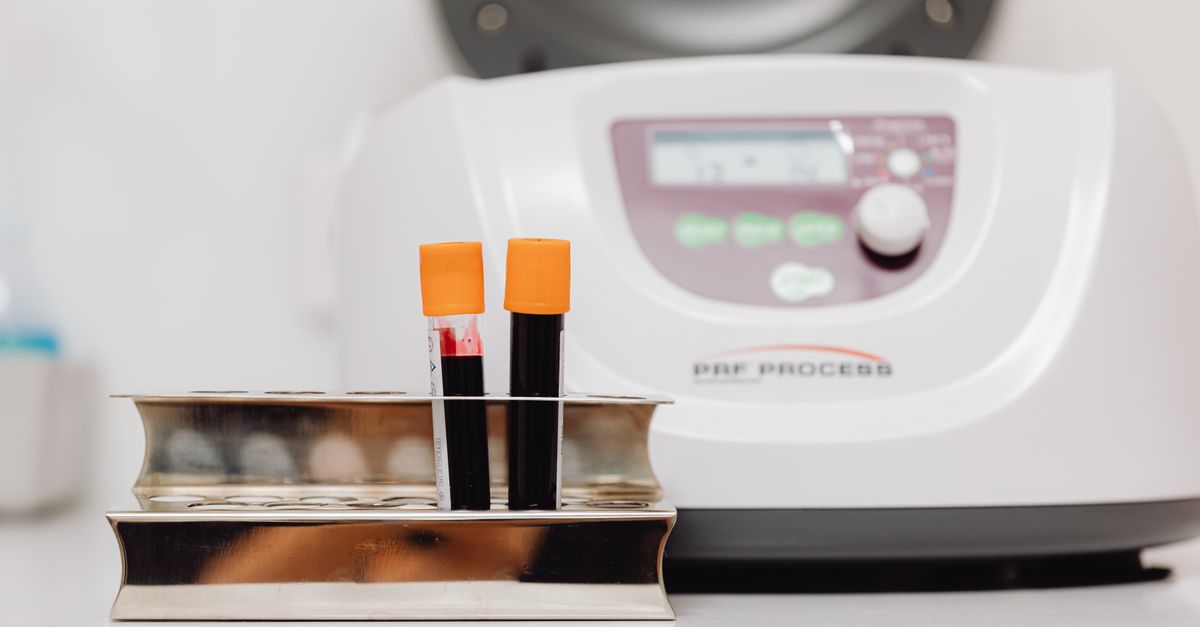
Apolipoprotein B, or ApoB, is a structural protein found on the surface of every atherogenic lipoprotein particle in your bloodstream. That includes LDL (low-density lipoprotein), VLDL (very low-density lipoprotein), IDL (intermediate-density lipoprotein), and Lp(a). Because each of these particles carries exactly one ApoB molecule, measuring ApoB in a blood sample gives you a direct particle count — not a weight-based estimate of cholesterol cargo.
This distinction matters enormously. Traditional lipid panels report LDL-C, which is calculated (or occasionally directly measured) as the cholesterol concentration inside LDL particles. Two people can have identical LDL-C values yet wildly different particle counts. The person with more, smaller LDL particles carries far more ApoB — and far greater arterial risk — than the person with fewer, larger particles carrying the same total cholesterol weight. A landmark analysis published in Circulation found that LDL particle number (closely correlated with ApoB) was a significantly stronger predictor of cardiovascular events than LDL-C, especially in people with metabolic syndrome or insulin resistance (Otvos et al., Circulation 2011; PMID: 21263099).
In plain terms: ApoB counts the vehicles, not just the cargo. Every ApoB-tagged particle is a potential delivery agent for cholesterol into arterial plaque. The more particles, the more opportunities for plaque formation — regardless of how much cholesterol each particle happens to be carrying.
---
Why ApoB Outperforms LDL-C for Risk Prediction
The European Atherosclerosis Society and the American College of Cardiology have both acknowledged ApoB as a superior or equivalent marker for atherogenic risk, particularly in patients where LDL-C may be misleading. That includes individuals with:
- Hypertriglyceridemia — elevated triglycerides dilute the accuracy of the Friedewald LDL-C formula
- Metabolic syndrome or type 2 diabetes — these conditions tend to produce small, dense LDL particles with higher particle counts at any given LDL-C level
- Familial hypercholesterolemia — where LDL-C is high but particle behavior matters for treatment response
- Very low LDL-C — people on statins can drive LDL-C down while particle count remains elevated
A prospective cohort study following over 175,000 participants found that ApoB was more consistently associated with cardiovascular events across multiple risk subgroups than non-HDL cholesterol or LDL-C (Sniderman et al., JAMA Cardiology 2019; PMID: 30698699). The researchers noted the discordance between ApoB and LDL-C was most pronounced in individuals with insulin resistance — arguably the most common metabolic condition in the modern population.
Optimal ApoB targets according to cardiovascular risk stratification:
| Risk Category | Target ApoB |
|---|---|
| Low cardiovascular risk | < 100 mg/dL |
| Moderate cardiovascular risk | < 80 mg/dL |
| High cardiovascular risk (prior CVD, diabetes) | < 65 mg/dL |
| Very high risk (recurrent events) | < 55 mg/dL |
Sources: European Atherosclerosis Society Consensus 2022; ACC/AHA Cholesterol Guidelines
---
What Does Cholesterol Ratio Actually Measure?
You've likely seen your lipid panel report a "total cholesterol to HDL ratio" or a "LDL to HDL ratio." These ratios were developed as quick screening tools long before ApoB testing was widely available. They work by approximating the balance between atherogenic particles (LDL, VLDL) and protective particles (HDL).
The total cholesterol:HDL ratio is arguably more informative than LDL-C alone because HDL is anti-atherogenic — it mediates reverse cholesterol transport, ferrying cholesterol away from arterial walls back to the liver. A high ratio (typically > 5.0 for total:HDL) signals an unfavorable atherogenic environment.
However, cholesterol ratios share the same core limitation as LDL-C: they estimate cholesterol mass, not particle count. ApoB addresses this directly. A useful clinical framework is to read cholesterol ratios as a first-pass screen and order ApoB when the ratio looks borderline or when metabolic factors (high triglycerides, low HDL, high fasting glucose) suggest particle discordance. Together, they form a more complete cardiovascular risk picture than either biomarker alone.
---
What Does Homocysteine Actually Measure?
Homocysteine is an amino acid produced as a byproduct of methionine metabolism. Elevated plasma homocysteine (hyperhomocysteinemia, typically > 15 µmol/L) is recognized as an independent cardiovascular risk factor, though the causal pathway is still debated. Mechanistically, excess homocysteine damages the vascular endothelium, promotes oxidative stress, and may accelerate LDL oxidation — making it directly relevant to the atherogenic process that ApoB particle count reflects.
Where ApoB measures how many particles are delivering cholesterol to artery walls, homocysteine measures how hostile the arterial environment is to those particles. Elevated homocysteine combined with high ApoB is a particularly concerning combination.
Homocysteine is tightly regulated by B-vitamin status. Deficiencies in folate (B9), B12, and B6 impair the remethylation and transsulfuration pathways that clear homocysteine from circulation. A Cochrane meta-analysis of B-vitamin supplementation found that folic acid consistently lowered homocysteine levels by 20–25%, with synergistic effects from B12 (Martí-Carvajal et al., Cochrane Database 2017; PMID: 28902414). For people with elevated homocysteine on their labs, targeted B-vitamin support isn't optional — it's foundational to vascular health.
If you're using a platform like Ones that analyzes your actual blood work, an elevated homocysteine result will typically trigger recommendations that address the upstream nutritional deficiency rather than just flagging the number.
---
What Does HbA1c (A1C) Actually Measure?
HbA1c — glycated hemoglobin, sometimes called A1C — measures the percentage of hemoglobin molecules in your red blood cells that have glucose attached to them. Because red blood cells live approximately 90–120 days, HbA1c reflects your average blood glucose over roughly three months. It's the primary diagnostic and monitoring tool for type 2 diabetes (≥ 6.5%) and prediabetes (5.7–6.4%).
The connection to ApoB is more direct than most people realize. Chronic hyperglycemia — the state of persistently elevated blood sugar that HbA1c tracks — is one of the most powerful drivers of small, dense LDL particle formation. As insulin resistance worsens, hepatic VLDL secretion increases, triglycerides rise, HDL falls, and LDL particles become smaller and more numerous. The net result: ApoB climbs even when LDL-C appears controlled.
This is why metabolic biomarkers don't exist in silos. A rising A1C predicts a worsening ApoB environment. A 2020 analysis in Diabetes Care confirmed that individuals with prediabetes had significantly elevated ApoB compared to normoglycemic controls, even after adjusting for BMI — suggesting the atherogenic particle shift begins well before a diabetes diagnosis (Brunner et al., Diabetes Care 2020; PMID: 33139391).
For anyone with an A1C above 5.4% — even within the "normal" range — tracking ApoB alongside glucose markers provides an earlier and more actionable cardiovascular risk signal.
---
Who Actually Benefits from ApoB Testing?
ApoB testing is not universally necessary for every annual physical. It adds the most clinical value when:
- You have discordant lipid findings — normal LDL-C but elevated triglycerides, low HDL, or a family history of early heart disease
- You're managing metabolic syndrome or insulin resistance — conditions where particle count diverges most from cholesterol mass
- You're on a statin and want to verify treatment adequacy — LDL-C may appear well-controlled while ApoB remains elevated
- You follow a low-carbohydrate or ketogenic diet — some individuals experience significant LDL-C increases on these diets, and ApoB helps distinguish between a benign large-particle pattern and a genuinely atherogenic one
- You have a first-degree relative with premature cardiovascular disease — ApoB is part of cascade screening for familial hypercholesterolemia
- Your HbA1c or fasting insulin signals insulin resistance — the ApoB-glucose connection makes this a logical pairing
Who Can Skip It
ApoB testing adds little incremental information when:
- You're young (under 30) with no metabolic risk factors and a clean family history
- Your standard lipid panel is optimal across all markers and you have no insulin resistance signals
- You're using it as a standalone test without context from other cardiovascular and metabolic biomarkers
---
What This Means for Your Formula
ApoB is ultimately a downstream marker — it reflects what happens when upstream metabolic and nutritional inputs go wrong over years or decades. Targeted supplementation doesn't lower ApoB the way a statin does, but several evidence-based nutrients directly address the mechanisms that drive particle count up and arterial environment down.
Omega-3 fatty acids (EPA/DHA) are among the most studied lipid-modifying nutrients. High-dose EPA (as in the REDUCE-IT trial design) has demonstrated significant cardiovascular risk reduction, and EPA/DHA at therapeutic doses reliably lower VLDL triglycerides — which reduces ApoB-tagged VLDL particle secretion from the liver. Ones includes pharmaceutical-grade Omega-3 (EPA/DHA) dosed to clinically relevant ranges based on your bloodwork and triglyceride status.
Vitamin D3 + K2 (MK-7) plays a complementary role: vitamin D deficiency is associated with impaired insulin sensitivity and dyslipidemia, while K2 as MK-7 activates matrix Gla protein, which protects arterial walls from calcification — directly relevant to the atherogenic environment that elevated ApoB creates. A randomized controlled trial found that combined D3 + K2 supplementation had synergistic effects on vascular stiffness markers compared to either alone (Knapen et al., Osteoporosis International 2013; PMID: 23525894).
CoQ10 (as Ubiquinol, 200mg) is particularly relevant for individuals on statin therapy managing elevated ApoB. Statins deplete endogenous CoQ10 synthesis (both share the mevalonate pathway), and clinical evidence supports ubiquinol supplementation to offset statin-associated myopathy and support mitochondrial energy metabolism in cardiac tissue. Ones includes CoQ10 as ubiquinol at 200mg — the bioavailable reduced form — for users whose profiles indicate statin use or cardiovascular support needs.
Because Ones integrates your actual lab values — including lipid panels, HbA1c, and inflammatory markers — the AI can identify whether your pattern suggests atherogenic dyslipidemia and calibrate your formula accordingly, rather than applying a generic cardiovascular blend to everyone.
---
Key Takeaways
- ApoB counts atherogenic lipoprotein particles directly, making it a more precise cardiovascular risk marker than LDL-C, which only estimates cholesterol mass
- Discordance between LDL-C and ApoB is common in people with insulin resistance, high triglycerides, or metabolic syndrome — and ApoB catches risk that standard lipid panels miss
- Cholesterol ratios, homocysteine, and HbA1c are complementary biomarkers — together with ApoB, they build a full picture of both particle burden and arterial vulnerability
- Elevated HbA1c predicts rising ApoB: the atherogenic particle shift begins in prediabetes, not just after a diabetes diagnosis
- Omega-3s, Vitamin D3 + K2, and CoQ10/Ubiquinol address key upstream mechanisms — triglyceride-driven particle secretion, arterial calcification risk, and statin-related CoQ10 depletion respectively
- ApoB testing is most valuable when metabolic risk factors are present; in low-risk individuals with optimal standard lipid panels, it adds limited incremental information
---
This article is for informational purposes only and does not constitute medical advice. Consult a qualified healthcare provider before making changes to your supplement regimen or interpreting lab results.