Vitamins
What Does B12 Tell You About Your Hormones?
Vitamin B12 is rarely framed as a hormone nutrient — but low B12 disrupts estrogen detoxification, thyroid activation, and adrenal catecholamine synthesis through a single shared pathway: methylation. If your serum B12 looks 'normal' but your homocysteine or MMA is elevated, your hormones are paying the price.
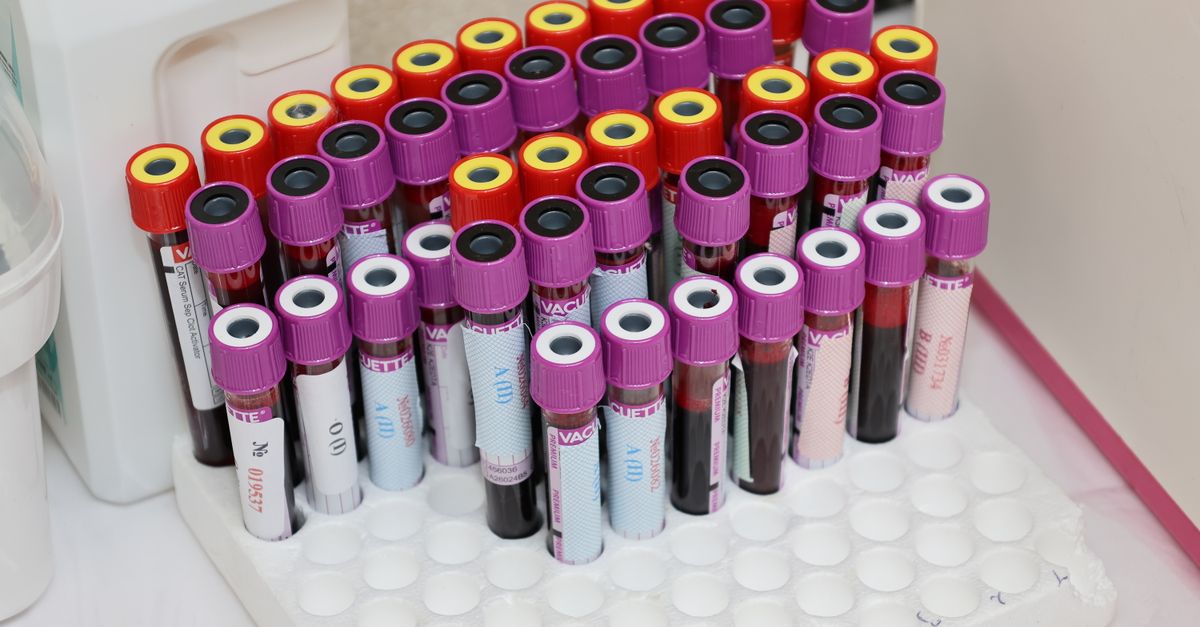
What Does B12 Tell You About Your Hormones?
B12 is a direct window into your methylation capacity, which in turn shapes estrogen detoxification, thyroid function, and cortisol metabolism. For most people with a serum B12 above 400 pg/mL and no symptoms, hormonal methylation is adequate. The exception is anyone on metformin, oral contraceptives, or proton pump inhibitors — these drugs actively deplete B12 even when serum levels look normal, creating a functional deficit that doesn't show on a standard panel.
---
Why B12 and Hormones Are More Connected Than Your Doctor Probably Said
Methylation is the process of attaching a methyl group (–CH₃) to a molecule to activate or deactivate it. B12, specifically in its active form methylcobalamin, is a required cofactor for methionine synthase — the enzyme that regenerates methionine from homocysteine. Without adequate B12, this cycle slows, homocysteine accumulates, and three major hormone pathways take a hit:
1. Estrogen clearance. The liver uses methylation — via COMT (catechol-O-methyltransferase) — to convert active estrogens into water-soluble metabolites that can be excreted. When methylation is impaired by low B12, estrogen metabolites linger. Research has linked poor estrogen methylation to elevated estrone and increased 4-hydroxyestrone, a genotoxic metabolite (Ziegler et al., Cancer Epidemiology Biomarkers & Prevention 2010; PMID: 20447922). COMT activity is also directly dependent on SAMe availability — when B12 is low, SAMe pools drop, COMT slows, and the ratio of 2-hydroxyestrone (protective) to 4-hydroxyestrone (genotoxic) shifts unfavorably. This is not a theoretical risk: women with high 4-hydroxyestrogen-to-2-hydroxyestrogen ratios show measurably higher rates of estrogen-dependent tissue proliferation in observational data.
2. Thyroid hormone conversion. T4 must be converted to active T3 in peripheral tissue, and this process depends partly on adequate methyl donors. Studies in women with hypothyroidism have found a significantly higher prevalence of B12 deficiency compared to healthy controls (Jabbar et al., JPMA 2008; PMID: 18655403). Low B12 also independently raises TSH, making it look like primary thyroid dysfunction when the real driver is nutritional. In one cross-sectional study of 116 hypothyroid patients, 40% had coexisting B12 deficiency, and B12 supplementation alone reduced TSH modestly in those with confirmed deficiency — underscoring that the relationship is bidirectional. If you want to understand how TSH behaves under different conditions, understanding what TSH tells you about your hormones is worth reading alongside this article.
3. Cortisol and adrenal signaling. Methylation is involved in the synthesis of epinephrine from norepinephrine in the adrenal medulla — a step that requires SAMe (S-adenosylmethionine), which is downstream of B12. Chronic low B12 reduces SAMe availability and can blunt the adrenal stress response over time, contributing to symptoms that look like adrenal fatigue: persistent tiredness, difficulty waking, and poor stress tolerance. The enzyme responsible — phenylethanolamine N-methyltransferase (PNMT) — is exquisitely SAMe-dependent, meaning even a modest reduction in B12-driven SAMe synthesis slows epinephrine output at the level of the adrenal medulla.
---
What B12 Levels Actually Mean — and Where the Reference Range Misleads You
Standard lab reference ranges mark B12 deficiency below 200 pg/mL (148 pmol/L). But emerging research suggests that neurological and hormonal symptoms can appear well above this cutoff. A review by Devalia et al. (British Journal of Haematology 2014; PMID: 24942828) noted that many clinically symptomatic patients have serum B12 in the 200–400 pg/mL range — technically 'normal' but functionally insufficient.
A more informative test is methylmalonic acid (MMA). When B12 is truly adequate at the cellular level, MMA stays low (ideally below 0.4 µmol/L). Elevated MMA with a 'normal' serum B12 is a red flag for functional deficiency — the kind that disrupts methylation and, by extension, hormone metabolism.
| Marker | Optimal Range | Deficiency Flag |
|---|---|---|
| Serum B12 | 400–900 pg/mL | < 300 pg/mL |
| Methylmalonic Acid (MMA) | < 0.4 µmol/L | > 0.4 µmol/L |
| Homocysteine | 5–9 µmol/L | > 10 µmol/L |
| Holotranscobalamin (Active B12) | > 50 pmol/L | < 35 pmol/L |
Holotranscobalamin (holoTC) deserves specific mention because it measures the fraction of B12 that is actually bound to transcobalamin II and available for cellular uptake — the only fraction that matters biologically. Standard serum B12 measures both active and inactive (haptocorrin-bound) fractions, so a normal total B12 can mask very low holoTC. Studies suggest holoTC below 35 pmol/L is a more sensitive early marker of tissue depletion than serum B12 alone (Nexo & Hoffmann-Lücke, American Journal of Clinical Nutrition 2011; PMID: 21451186).
Homocysteine is particularly useful here because it rises early in methylation dysfunction — often before serum B12 falls out of range. Elevated homocysteine above 10 µmol/L has been independently associated with insulin resistance (Meigs et al., Diabetes Care 2001; PMID: 11522718), which creates a secondary hormonal disruption via elevated fasting insulin and downstream effects on sex hormone-binding globulin (SHBG). When SHBG drops — as it does in states of hyperinsulinemia — free androgens rise, amplifying symptoms in women who already have androgen-dominant hormonal profiles.
For a deeper look at how fasting insulin interacts with this web, what fasting insulin tells you about your hormones covers the SHBG-insulin connection in detail.
---
B12 After Starting Injections: Why Cofactors Matter and Cramping Is a Signal
One of the most common and confusing experiences people have is starting B12 injections — often prescribed for confirmed deficiency or neurological symptoms — and then feeling worse before feeling better. Soreness, muscle cramps, palpitations, and increased fatigue in the first two to four weeks are real and have a mechanistic explanation.
When B12 is suddenly abundant, the methylation cycle accelerates. This increased demand rapidly depletes cofactors that were already running low:
- Folate (5-MTHF): B12 and folate are biochemically coupled. When B12 rises sharply, folate is consumed faster than dietary intake replenishes it. A relative folate deficiency can cause a phenomenon called 'methyl trapping,' where folate is stuck in a form the body can't use.
- Potassium: Rapid red blood cell production triggered by B12 repletion pulls potassium into cells, potentially dropping serum potassium — a documented cause of muscle cramping and weakness (Lawson et al., Practical Neurology 2012; PMID: 22786757). In severe B12 deficiency cases where hematopoiesis restarts aggressively after injection, hypokalemia can be clinically significant and should be monitored.
- Magnesium: Required for hundreds of enzymatic reactions including ATP synthesis that drives methylation. Low magnesium amplifies cramping and fatigue during B12 repletion. Magnesium is also a cofactor for methionine synthase reductase, the enzyme that keeps methylcobalamin in its active reduced state — meaning without sufficient magnesium, even supplemented methylcobalamin may underperform.
- B6 (P5P form): Works alongside B12 in homocysteine metabolism via the transsulfuration pathway. If B6 is low, homocysteine can rise temporarily even as B12 improves, creating a paradoxical worsening of symptoms.
This is not a reason to stop B12 therapy — it is a reason to ensure cofactors are in place before or at the same time as starting. A well-structured repletion protocol should include methylfolate (400–800 mcg), magnesium glycinate (300–400 mg elemental), and active B6 (P5P, 25–50 mg). Potassium monitoring — either through dietary emphasis on high-potassium foods or a physician-ordered panel — is warranted in anyone starting high-dose injectable B12 after prolonged deficiency.
When people ask whether the cramping they feel after starting B12 injections means something is wrong, the honest answer is: it means your body is responding, and the cofactors haven't caught up yet.
---
B12, PCOS, and the Metformin Problem
Polycystic ovary syndrome (PCOS) creates a particularly complicated B12 picture. First, PCOS itself is associated with higher rates of insulin resistance, and metformin — the most prescribed medication for PCOS — is a well-documented B12 depletor. A meta-analysis found that metformin use significantly reduces serum B12 levels, with the effect increasing with duration of use (Liu et al., Diabetes Care 2019; PMID: 31010960). The mechanism involves metformin blocking the calcium-dependent membrane receptor responsible for B12-intrinsic factor complex absorption in the ileum — a highly specific and often overlooked drug-nutrient interaction.
Second, PCOS is associated with disrupted androgen metabolism, and there is emerging evidence that methylation capacity affects androgen signaling. Women with PCOS who have elevated homocysteine — a reliable proxy for methylation dysfunction — show worse metabolic and hormonal profiles than those with normal homocysteine. The B12–folate pathway is directly implicated.
Third, oral contraceptives prescribed to manage PCOS symptoms also deplete B12 over time. This creates a scenario where a woman with PCOS may be on both metformin and the pill simultaneously, with her B12 being depleted from two directions, yet never flagged because her serum level stays just inside the reference range.
Relevant here is what happens to vitamin B12 levels when you have PCOS, which explores how B12 depletion amplifies androgen excess and what monitoring looks like in that clinical context. For women who have recently come off hormonal contraception and are trying to understand their changing hormone picture, how long hormones settle after stopping the pill offers useful framing — particularly because B12 status influences how quickly methylation-dependent hormone clearance normalizes after OCP discontinuation.
Another relevant marker in this picture is CRP. Chronic low-grade inflammation — common in PCOS and metabolic dysfunction — itself blunts methylation by increasing demand for SAMe-dependent anti-inflammatory pathways. Understanding what CRP tells you about your hormones can help identify when inflammation is a compounding driver of impaired B12 utilization rather than a separate problem.
---
What This Means for Your Formula
If your blood work shows B12 in the lower half of the normal range — especially with elevated homocysteine, high MMA, or a history of metformin or OCP use — the goal isn't simply to add a standard cyanocobalamin supplement and call it done. Form, dose, and cofactor context matter.
Ones uses methylcobalamin, the neurologically active form of B12 that bypasses the conversion step that cyanocobalamin requires. This is particularly relevant for anyone with MTHFR variants, who may have impaired ability to activate synthetic forms. Methylcobalamin delivers the methyl group directly into the cycle where it's needed, supporting both the methionine synthase step and downstream SAMe production.
For the folate side of the equation, Ones includes methylfolate (5-MTHF) rather than folic acid, ensuring the activated form is available immediately — this is the form that prevents methyl trapping when B12 is being repleted aggressively. The practical difference matters: in individuals with MTHFR C677T homozygosity, folic acid supplementation can actually increase unmetabolized folic acid in circulation, which competitively inhibits folate receptors and worsens the functional shortfall.
For the cramping and cofactor-depletion picture described above, Ones formulas include magnesium glycinate — one of the most bioavailable forms — dosed to support enzymatic function during active methylation without the laxative effect of cheaper oxide forms. When AI analysis of your labs and symptoms indicates active B12 repletion is underway, the formula can be calibrated to ensure these cofactors are addressed together, not as an afterthought.
The relationship between vitamin D3 and K2 is another area where single-nutrient thinking causes problems — the same principle of cofactor context applies to B12 without its methylation network.
---
Key Takeaways
- B12 is a methylation cofactor, and methylation drives estrogen clearance, thyroid hormone activation, and adrenal catecholamine synthesis — meaning low B12 creates multi-system hormonal disruption.
- Standard serum B12 reference ranges are too low: functional deficiency can occur at levels between 200–400 pg/mL. MMA, homocysteine, and holotranscobalamin give a more accurate picture of cellular B12 status than serum B12 alone.
- B12 injections without cofactors can cause cramping, fatigue, and palpitations because rapid methylation cycle acceleration depletes folate, potassium, magnesium, and B6 faster than diet can replace them. Potassium drops during aggressive hematopoiesis are clinically documented and should be monitored.
- Metformin and oral contraceptives are among the most common B12 depleters, often creating a functional deficit that serum levels don't catch — making this especially relevant for women with PCOS or hormonal birth control use.
- Form matters: methylcobalamin and methylfolate (5-MTHF) are the active forms that enter the methylation cycle directly; cyanocobalamin and folic acid require conversion steps that not everyone completes efficiently, particularly those with MTHFR variants.
- A personalized approach that reads your actual labs — not just your serum B12 in isolation — is the only way to identify whether your hormonal symptoms have a B12-methylation root cause and what cofactors need to be added alongside it.
---
This article is for informational purposes only and does not constitute medical advice. Consult a qualified healthcare provider before changing any supplement or medication protocol.