Performance
What the Research Actually Says About What Does C-Reactive Protein Actually Measure?
Your lab report flags a C-reactive protein number, but what is it actually telling you? CRP is one of the most clinically actionable biomarkers in preventive medicine — yet most people are handed results with no context for what drives levels up, what brings them down, or what threshold actually matters for long-term health risk.
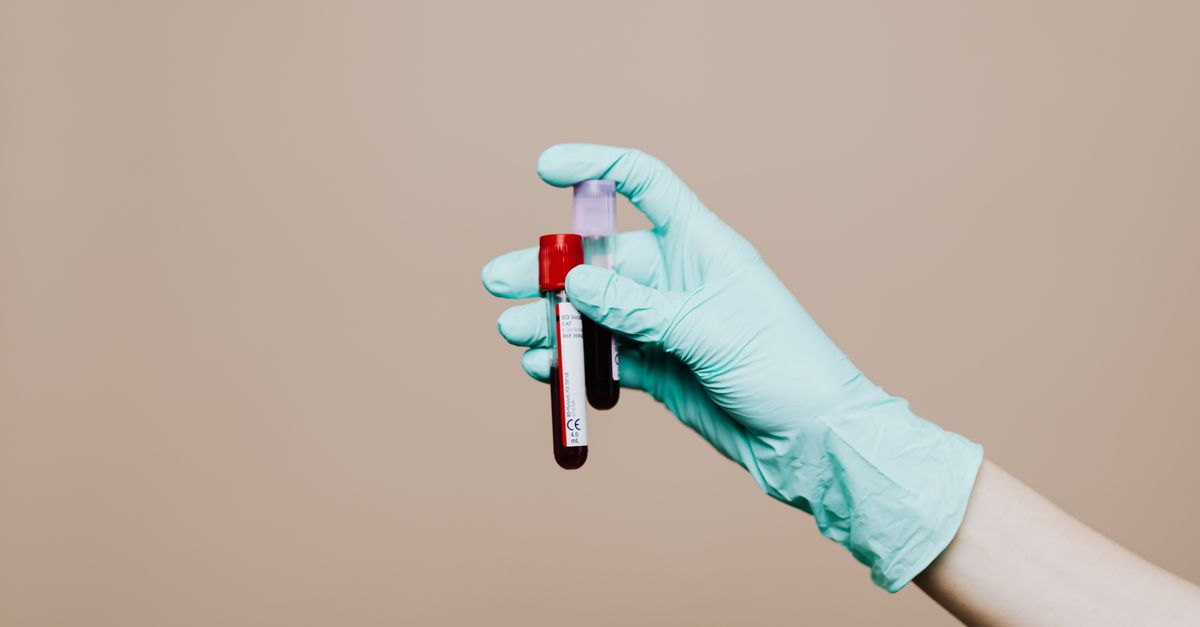
What Does C-Reactive Protein Actually Measure?
C-reactive protein (CRP) is a protein produced by the liver in direct response to inflammatory signaling, primarily interleukin-6 (IL-6). When your immune system detects tissue damage, infection, or metabolic stress, the liver ramps up CRP synthesis within hours. That speed is part of what makes it so clinically useful: CRP rises before symptoms often appear and falls as inflammation resolves.
But here's the nuance your lab report usually skips: the standard CRP test and the high-sensitivity CRP (hs-CRP) test measure the same molecule — they simply use different detection thresholds. Standard CRP is calibrated for acute infections and inflammatory disease (range: 0–10 mg/L). High-sensitivity CRP detects lower-grade, chronic systemic inflammation in the range most relevant to cardiovascular and metabolic risk (typically 0–3 mg/L).
For performance and longevity purposes, hs-CRP is almost always the test you want.
The Three-Tier Risk Framework
The American Heart Association and the Centers for Disease Control and Prevention jointly established a cardiovascular risk classification for hs-CRP that remains widely cited:
| hs-CRP Level | Cardiovascular Risk Category |
|---|---|
| < 1.0 mg/L | Low risk |
| 1.0 – 3.0 mg/L | Moderate risk |
| > 3.0 mg/L | High risk |
| > 10 mg/L | Active infection / acute inflammation — retest after resolution |
The landmark JUPITER trial (n = 17,802) demonstrated that statin therapy in individuals with elevated hs-CRP (≥ 2.0 mg/L) and normal LDL cholesterol reduced major cardiovascular events by 44% — a finding that reshaped how clinicians think about inflammatory burden independent of lipid status (Ridker et al., New England Journal of Medicine 2008; PMID: 18997196).
This is the critical point: CRP isn't just a marker of active infection. At chronically elevated but sub-acute levels, it reflects the low-grade, systemic inflammation that silently accelerates atherosclerosis, insulin resistance, cognitive decline, and tissue aging.
What Does Fibrinogen Actually Measure? (And How It Relates to CRP)
Fibrinogen is another acute-phase reactant — a clotting protein synthesized by the liver that rises alongside CRP during inflammatory states. Where CRP signals the presence of inflammation, fibrinogen tells you something about the downstream risk: blood that clots more readily.
Elevated fibrinogen (typically > 400 mg/dL) is independently associated with increased risk of myocardial infarction and stroke, and the two markers together — hs-CRP and fibrinogen — paint a more complete picture of cardiovascular inflammatory burden than either alone.
A meta-analysis of 31 prospective studies (n > 154,000 participants) found that individuals in the top third of fibrinogen levels had approximately twice the risk of coronary heart disease compared to those in the bottom third, independent of traditional risk factors (Danesh et al., JAMA 2005; PMID: 15870416).
For clinical purposes, if your hs-CRP is elevated, asking your provider to add fibrinogen to the panel is a reasonable next step. The two biomarkers are biologically linked but can diverge: fibrinogen stays elevated longer during resolution of acute illness, while CRP falls more rapidly. Persistent fibrinogen elevation with normalized CRP may suggest ongoing coagulation risk rather than active inflammation.
What Drives CRP Up — and What Brings It Down
Understanding CRP as a pure output of upstream processes changes how you approach it. The molecule itself doesn't cause inflammation — it reflects it. The real intervention targets are:
Inflammatory drivers (raise CRP):
- Visceral adiposity (adipose tissue secretes pro-inflammatory cytokines)
- Poor sleep quality and insufficient sleep duration
- High glycemic load and ultra-processed food intake
- Sedentary behavior
- Chronic psychological stress (HPA axis activation → IL-6 → CRP)
- Subclinical infections, periodontal disease, gut dysbiosis
- Smoking
Evidence-based CRP reducers:
- Omega-3 fatty acids (EPA + DHA): A dose-response meta-analysis found that omega-3 supplementation significantly reduced hs-CRP, with effects strongest at doses ≥ 2g/day of combined EPA+DHA (Calder, Biochimie 2013; PMID: 23454530)
- Regular aerobic exercise (≥ 150 min/week moderate intensity)
- Weight loss (even 5–10% body weight reduction lowers hs-CRP meaningfully)
- Mediterranean-style dietary patterns
- Curcumin supplementation (bioavailable forms with piperine or phytosome)
- Adequate vitamin D status (deficiency is independently associated with elevated CRP)
If you're tracking your inflammation over time, you should also understand how thyroid function intersects with CRP — because thyroid dysfunction is a common, underdiagnosed driver of systemic inflammatory signaling.
What Does Free T3 Actually Measure? (And Its Link to Inflammatory Status)
Free T3 (triiodothyronine) is the biologically active thyroid hormone — the form that actually binds to cellular receptors and regulates metabolism. Most T3 in circulation is converted from T4 (thyroxine) in peripheral tissues, primarily the liver and kidneys. "Free" T3 refers specifically to the unbound fraction, which is available to enter cells and exert metabolic effects.
Low free T3 — even within the "normal" reference range — is associated with slower metabolic rate, fatigue, cold intolerance, and increased cardiovascular risk. Importantly for this discussion, hypothyroid states are associated with elevated inflammatory markers including hs-CRP and fibrinogen. Thyroid hormones modulate hepatic synthesis of acute-phase proteins, meaning suboptimal thyroid function can independently contribute to an elevated CRP reading.
A study in the European Journal of Endocrinology found that free T3 levels within the lower quartile of the normal range were independently associated with higher hs-CRP and worse lipid profiles compared to individuals in the upper quartile (Rodondi et al., 2006; PMID: 16498051).
This is why evaluating CRP in isolation, without thyroid markers, can lead to incomplete conclusions. If your CRP is stubbornly elevated despite lifestyle modifications, a full thyroid panel including free T3 may reveal an underlying driver.
What Does Free T4 Actually Measure?
Free T4 (thyroxine) is the primary secretory product of the thyroid gland and serves as the precursor to the active T3. It circulates in two forms: the majority bound to thyroid-binding globulin (TBG) and other proteins, and a small free fraction (roughly 0.03%) that is metabolically active and measurable.
Free T4 reflects thyroid gland output and pituitary signaling integrity. When TSH rises, it stimulates the thyroid to produce more T4. A normal TSH with low-normal free T4 may indicate adequate stimulation but impaired production. A normal TSH with low-normal free T3 often suggests impaired peripheral conversion — a liver or selenoenzyme issue rather than a thyroid secretion problem.
For inflammation interpretation, free T4 is less directly linked to CRP than free T3 is, but it matters in the clinical picture: low free T4 (overt or subclinical hypothyroidism) is associated with increased fibrinogen, elevated LDL, and impaired endothelial function — all of which compound cardiovascular inflammatory risk.
Learning to interpret your thyroid lab results alongside inflammatory markers is a key step in building a complete picture of systemic health.
What Does Thyroid Antibodies Actually Measure?
Thyroid antibodies — specifically TPO antibodies (thyroid peroxidase) and TG antibodies (thyroglobulin) — measure autoimmune activity directed against the thyroid gland. Elevated TPO antibodies are the hallmark of Hashimoto's thyroiditis, an autoimmune condition that is one of the most common causes of hypothyroidism in developed countries.
From an inflammation standpoint, thyroid antibodies are significant for two reasons:
- They confirm an autoimmune process, which itself is an inflammatory state. Individuals with elevated TPO antibodies often show elevated hs-CRP even when thyroid hormone levels remain technically "normal."
- They predict future thyroid dysfunction, enabling earlier intervention before free T3/T4 levels shift.
A large prospective cohort study found that TPO antibody positivity was associated with a 3-fold increased risk of developing overt hypothyroidism over a 20-year follow-up period (Vanderpump et al., Clinical Endocrinology 1995; PMID: 7641412). While this is a foundational citation, the finding has been replicated consistently in subsequent decades.
If your CRP is elevated and you also have positive thyroid antibodies, the clinical priority shifts toward managing the autoimmune burden — which involves anti-inflammatory dietary strategies, selenium optimization, and stress reduction — rather than treating CRP as a standalone finding.
Understanding how selenium supports thyroid enzyme function is relevant context for anyone managing Hashimoto's alongside inflammatory markers.
How Ones Addresses This
When Ones analyzes your blood work and wearable data, CRP and related inflammatory markers don't exist in isolation — the AI health practitioner looks at the full picture: hs-CRP trend, lipid panel, thyroid function, sleep quality from wearable data, and reported stress load before building your formula.
For individuals with elevated hs-CRP, two ingredients commonly appear in Ones custom formulas:
Omega-3 (EPA/DHA): Ones sources pharmaceutical-grade omega-3s dosed to clinically relevant EPA+DHA totals. The anti-inflammatory mechanism is well-established — EPA competes with arachidonic acid for COX enzyme binding, reducing prostaglandin E2 and leukotriene B4 synthesis. The dose-response data (Calder, 2013; PMID: 23454530) supports targeting ≥ 2g/day combined EPA+DHA for meaningful hs-CRP reduction.
Heart Support (System Blend): For individuals whose CRP elevation intersects with cardiovascular risk signals — elevated fibrinogen, suboptimal lipids, poor sleep-related HRV — Ones may include its proprietary Heart Support blend. This system-level approach addresses the multi-pathway nature of inflammatory cardiovascular risk rather than targeting a single biomarker.
Vitamin D3 + K2 (MK-7): Vitamin D receptor signaling modulates NF-κB activity — a master transcription factor for inflammatory cytokine production. Individuals with 25-OH vitamin D below 30 ng/mL consistently show higher hs-CRP in population data, and repletion studies show modest but consistent CRP reductions. Ones pairs D3 with K2 as MK-7 to support proper calcium routing alongside D3 repletion.
If thyroid autoimmunity is part of your picture — elevated TPO antibodies alongside elevated CRP — Ones' Thyroid Support blend may be included, formulated to complement conventional thyroid management (always with the caveat to coordinate any supplement protocol with your prescribing clinician).
Learn more about how Ones interprets blood panel data to build personalized formulas.
Key Takeaways
- CRP is a liver-produced acute-phase protein that rises in response to IL-6 signaling from immune activation, tissue damage, or metabolic stress — it measures the presence and intensity of systemic inflammation, not its source.
- High-sensitivity CRP (hs-CRP) is the clinically relevant test for cardiovascular and metabolic risk; levels > 3.0 mg/L indicate high inflammatory cardiovascular risk per AHA/CDC guidelines.
- Fibrinogen is a companion inflammatory marker — rising alongside CRP during inflammatory states and independently predicting coronary heart disease risk; together, the two biomarkers provide a fuller picture than either alone.
- Thyroid dysfunction drives CRP — low free T3, low free T4, and elevated thyroid antibodies (especially TPO) are all associated with higher inflammatory markers and compound cardiovascular risk.
- Omega-3 fatty acids (EPA+DHA ≥ 2g/day) are among the most evidence-backed supplement interventions for reducing hs-CRP, alongside exercise, weight loss, and Mediterranean dietary patterns.
- Never treat CRP as a standalone number — context from thyroid status, lipid panel, sleep quality, and lifestyle factors is essential for identifying the true upstream driver and selecting the right intervention.