Supplements
What Does HDL Tell You About Your Hormones?
Your HDL number is almost never just about heart health. Because HDL cholesterol is the raw material your body uses to synthesize every major steroid hormone — including estrogen, testosterone, cortisol, and DHEA — a low or erratic HDL reading can be one of the earliest warning signs that your hormonal system is under stress. Here's what the research actually shows.
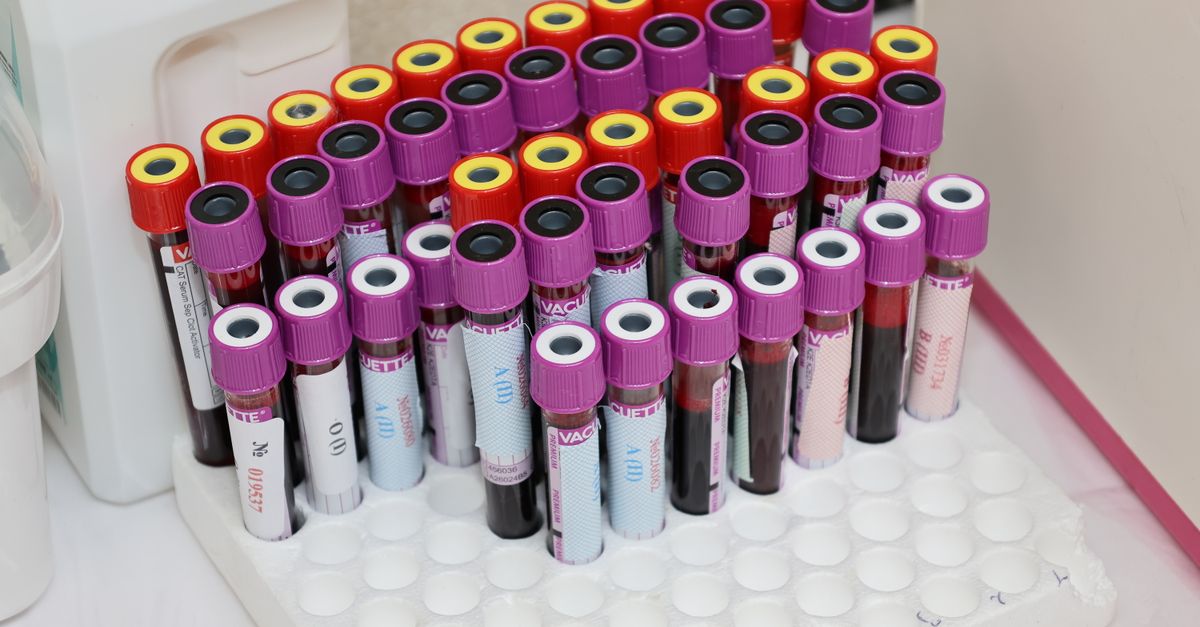
What Does HDL Tell You About Your Hormones?
HDL is a direct marker of your body's steroid hormone production capacity. Because all steroid hormones — estrogen, testosterone, progesterone, cortisol, and DHEA — are synthesized from cholesterol, and HDL is the transport vehicle that delivers cholesterol to your adrenal glands and gonads, chronically low or declining HDL can signal that your hormone factory is running low on raw material. The major caveat: the relationship is bidirectional, so hormones also regulate HDL, not just the other way around.
Why HDL and Hormones Are Biologically Inseparable
Most people think of HDL as the "good cholesterol" — the particle that vacuums up excess cholesterol from arterial walls. That's accurate, but it's only half the story. HDL particles are the primary cholesterol donors to steroidogenic cells in the adrenal cortex, ovaries, and testes. The process, called selective cholesterol uptake via the SR-B1 receptor, allows these tissues to extract cholesterol from HDL and convert it into pregnenolone — the master precursor molecule from which every steroid hormone is made (Rigotti et al., Journal of Clinical Investigation 1997; PMID: 9105087).
This creates a bidirectional relationship that makes HDL uniquely informative on a standard blood panel:
- Low HDL → less substrate → potentially lower steroid hormone output, especially when adrenal or gonadal demand is already high (e.g., during chronic stress or perimenopause).
- Hormonal changes → altered HDL metabolism, meaning that shifts in estrogen, testosterone, or cortisol will themselves move your HDL number up or down.
Neither direction is fully causal on its own, but the pattern across your lab values tells a coherent story.
How Estrogen, Testosterone, and Cortisol Each Move HDL
Understanding which hormones push HDL in which direction helps you interpret your own panel more intelligently.
Estrogen raises HDL. This is one of the most consistent findings in endocrinology. Estrogen upregulates apolipoprotein A-I (the primary protein in HDL particles), increases HDL particle size, and reduces hepatic lipase activity — the enzyme that breaks HDL down. This is why premenopausal women typically have HDL levels 10–15 mg/dL higher than age-matched men, and why HDL often drops noticeably in the years around menopause as estrogen falls (Anagnostis et al., Maturitas 2015; PMID: 25636146).
Testosterone lowers HDL, in a dose-dependent way. Androgens increase hepatic lipase activity, which accelerates HDL clearance. Men who use supraphysiological testosterone (e.g., anabolic steroids) can drop HDL to near-zero. But even within normal male ranges, higher free testosterone tends to correlate with modestly lower HDL. This is physiologically normal — not necessarily pathological — which is why you need the full hormone panel context, not just the HDL number alone.
Cortisol has a U-shaped relationship with HDL. Acute cortisol spikes (short-term stress) can transiently raise HDL as the liver mobilizes lipids. Chronic cortisol elevation — the kind seen in HPA axis dysregulation, burnout, or unmanaged metabolic disease — suppresses HDL over time and shifts lipid profiles toward small, dense LDL particles (Rosmond et al., Metabolism 2003; PMID: 12524674). If your HDL is low and you also run high on markers like fasting glucose or have an elevated waist-to-hip ratio, chronic cortisol excess is worth investigating. Understanding what fasting glucose tells you about your hormones can add important context to this picture.
Thyroid hormones strongly influence HDL. Hypothyroidism — even subclinical hypothyroidism — consistently raises total cholesterol and LDL, but it also depresses HDL functionality. Thyroid hormones regulate SR-B1 expression and hepatic lipase activity. A sluggish thyroid produces sluggish HDL metabolism. If your HDL is stubbornly low alongside fatigue and cold intolerance, checking TSH and free T4 is a logical next step. You can learn more about what TSH tells you about your hormones and what an optimal range actually looks like.
What HDL Ranges Actually Mean in a Hormone Context
| HDL Level (mg/dL) | Conventional Risk Category | Potential Hormone Signal |
|---|---|---|
| < 40 (men) / < 50 (women) | High cardiovascular risk | Low estrogen, high androgens, cortisol excess, or hypothyroidism |
| 40–59 | Acceptable | Monitor trend; check full hormone panel if declining |
| 60–80 | Optimal | Associated with healthy estrogen metabolism and lower inflammation |
| > 90 consistently | May indicate SR-B1 dysfunction | Paradoxically associated with higher CV risk; HDL not being used |
Note that very high HDL (above 90 mg/dL) is increasingly recognized as a non-linear risk marker. If SR-B1 receptor function is impaired — due to genetic variants or chronic inflammation — cholesterol accumulates in HDL particles because steroidogenic tissues can't extract it. That means both HDL is high and hormone synthesis may be compromised simultaneously (Zanoni et al., Science 2016; PMID: 27124452).
Inflammation, Insulin, and the HDL-Hormone Triangle
HDL doesn't exist in isolation. Two other forces that simultaneously suppress HDL and disrupt hormone balance are chronic low-grade inflammation and insulin resistance.
Inflammation: CRP (C-reactive protein) above 3 mg/L is associated with a shift from large, cardioprotective HDL2 particles to smaller, less functional HDL3. Inflammatory cytokines also interfere with aromatase — the enzyme that converts androgens to estrogens — creating a situation where HDL is low, estrogen is low, and testosterone may be elevated or poorly utilized. Tracking what CRP tells you about your hormones alongside HDL gives you a more complete hormonal picture.
Insulin resistance: Hyperinsulinemia increases hepatic lipase activity, degrading HDL rapidly. It also suppresses sex hormone-binding globulin (SHBG), which increases free androgen exposure in women — a pattern central to PCOS. In this scenario, low HDL, low SHBG, elevated free testosterone, and elevated fasting insulin often travel together. Understanding what fasting insulin tells you about your hormones can help you identify whether this metabolic cluster applies to you.
This interconnection explains why lifestyle interventions that improve insulin sensitivity — aerobic exercise, lower refined carbohydrate intake, adequate sleep — reliably raise HDL and often improve hormonal balance at the same time. These aren't separate effects; they're the same underlying mechanism improving.
HDL Particle Quality Matters More Than the Number
Standard lipid panels report HDL-C (HDL cholesterol concentration). More advanced testing — NMR lipoprofile or VAP panels — reports HDL particle number and size. These details matter because two people can have identical HDL-C (say, 58 mg/dL) with very different HDL functionality.
Large HDL2 particles are the ones capable of efficiently delivering cholesterol to steroidogenic tissues via SR-B1. Small HDL3 particles are less effective at this and at reverse cholesterol transport. Chronic inflammation, insulin resistance, and hypothyroidism all shift the ratio toward small, dysfunctional HDL3 — potentially impairing hormone synthesis even when the headline HDL number looks acceptable.
A 2012 study in Arteriosclerosis, Thrombosis, and Vascular Biology involving over 3,000 participants found that HDL particle number was a significantly stronger predictor of cardiovascular events than HDL-C concentration, independent of LDL (Mackey et al., ATVB 2012; PMID: 22796580). The same principle likely applies to steroidogenic function, though direct RCT data linking HDL particle size to hormone output in humans remain limited.
Lifestyle and Supplement Levers That Raise HDL Meaningfully
Not every supplement that claims to raise HDL actually changes HDL functionality. Here's what the evidence supports:
Aerobic exercise is the most consistently effective HDL intervention. A meta-analysis of 25 RCTs found that endurance training increased HDL-C by an average of 2.53 mg/dL, with greater benefits at higher training volumes (Kodama et al., Archives of Internal Medicine 2007; PMID: 17404354).
Omega-3 fatty acids (EPA/DHA) primarily lower triglycerides but modestly improve HDL particle size and composition. A standard clinical dose of 2–4 g EPA+DHA daily is used in most trials showing lipid benefit.
Niacin was once the gold standard for raising HDL-C (increases of 15–35% are documented), but its cardiovascular benefit has been called into question by the AIM-HIGH and HPS2-THRIVE trials, and it is rarely prescribed now for HDL raising specifically.
Reducing refined carbohydrates and added sugars consistently raises HDL by lowering triglycerides and reducing hepatic lipase activity — the mechanism by which insulin resistance suppresses HDL.
Alcohol raises HDL-C, but the overall risk-benefit does not support drinking as a strategy. This effect does not translate to better hormone or cardiovascular outcomes.
Moderate healthy fats — olive oil, avocado, fatty fish — improve HDL composition and function without the downsides of trans fats, which strongly suppress HDL.
What This Means for Your Formula
Ones doesn't offer a single "HDL pill," because HDL is a downstream marker reflecting multiple systems simultaneously. What Ones does is analyze your full blood panel — including your lipid fractions, inflammatory markers, glucose, and hormone proxies — and build a formula that addresses the upstream drivers.
For someone whose HDL is low in the context of elevated inflammation and cortisol markers, Ones includes Omega-3 (EPA/DHA) at clinical doses shown to reduce triglycerides and improve HDL particle composition, alongside the Adrenal Support System Blend, which targets HPA axis regulation — because a dysregulated stress response is one of the most common reasons HDL trends downward over months and years.
For someone whose low HDL pattern fits a thyroid or endocrine context — sluggish metabolism, cold sensitivity, low energy — Ones' Thyroid Support blend addresses the metabolic environment in which HDL function operates, rather than treating the lipid number in isolation.
For someone whose low HDL is part of an insulin-resistance cluster (elevated fasting glucose, high triglycerides, low SHBG), Vitamin D3 + K2 (MK-7) is included at doses that support insulin sensitivity and endothelial function — an often-overlooked connection, since vitamin D deficiency is independently associated with both low HDL and impaired glucose metabolism. You can read more about the synergy between D3 and K2 and why the combination matters.
The formula composition — whether 6 or 9 capsules daily — is determined by Ones' AI after reviewing your full findings, not chosen by you from a menu. That distinction matters: the same HDL number in two people can have entirely different root causes, and the formula needs to reflect that.
Key Takeaways
- HDL is a hormone substrate, not just a cardiovascular marker. It delivers cholesterol to your adrenal glands and gonads, where it becomes the raw material for estrogen, testosterone, cortisol, and DHEA.
- Estrogen raises HDL; testosterone and cortisol (chronically elevated) lower it. Knowing which hormones are out of range helps explain why your HDL is moving in its particular direction.
- Very high HDL (>90 mg/dL) is not automatically good. It can signal that your steroidogenic tissues can't extract the cholesterol they need, pointing to SR-B1 dysfunction or chronic inflammation.
- Insulin resistance and chronic inflammation suppress HDL simultaneously — and both also disrupt hormone balance, creating compounding effects that a single supplement cannot fix alone.
- HDL particle quality matters as much as the number. Small, dysfunctional HDL3 particles can leave your HDL-C looking acceptable while impair both cardiovascular protection and hormone delivery.
- The most evidence-backed HDL interventions are aerobic exercise, reduced refined carbs, and omega-3s — not supplements marketed specifically to raise HDL-C without addressing the underlying driver.